Compare commits
| Author | SHA1 | Date | |
|---|---|---|---|
 Yann ColletandGitHub Yann ColletandGitHub
|
90ae50224d | ||
|
Yann ColletandGitHub
|
d1745245e0 | ||
|
Yann Collet
|
d947801569 | ||
|
Yann Collet
|
a2263a93ed | ||
|
Yann ColletandGitHub
|
255597502c | ||
|
Yann Collet
|
11a3e92883 | ||
|
Yann ColletandGitHub
|
f3a8bd553a | ||
|
Yann Collet
|
ed6e36e809 | ||
|
Yann Collet
|
3423a69f7c | ||
|
Yann Collet
|
1070bbc5f9 | ||
|
Yann Collet
|
f4340f46b2 | ||
|
Yann Collet
|
d29bf941b9 | ||
|
Yann ColletandGitHub
|
969e6ef44f | ||
|
Yann Collet
|
2b2f3c6f64 | ||
|
Yann Collet
|
b0a3ad96d3 | ||
|
Yann ColletandGitHub
|
aecf3b479c | ||
|
Yann Collet
|
b72808a49b | ||
|
Yann ColletandGitHub
|
fe007ba8bd | ||
|
Yann ColletandGitHub
|
7d30795931 | ||
|
Yann ColletandGitHub
|
da0c157fc4 | ||
|
Yann ColletandGitHub
|
39d0c6cde7 | ||
|
Sean Purcell
|
02c44a7257 | ||
|
Yann ColletandGitHub
|
585bb51413 | ||
|
Sean Purcell
|
bb8a7601bc | ||
|
Yann Collet
|
ebf275912a | ||
|
Yann Collet
|
f2ea8932fc | ||
|
Yann ColletandGitHub
|
2c2ee2b4b0 | ||
|
Sean Purcell
|
c4f2490050 | ||
|
Yann ColletandGitHub
|
cbc5225d38 | ||
|
Yann ColletandGitHub
|
817995bb7a | ||
|
Yann ColletandGitHub
|
99b6d9f1a3 | ||
|
Yann ColletandGitHub
|
b9edd2f9fb |
@@ -1,125 +0,0 @@
|
||||
version: 2
|
||||
|
||||
references:
|
||||
# Install the dependencies required for tests.
|
||||
# Add the step "- *install-dependencies" to the beginning of your job to run
|
||||
# this command.
|
||||
install-dependencies: &install-dependencies
|
||||
run:
|
||||
name: Install dependencies
|
||||
# TODO: We can split these dependencies up by job to reduce installation
|
||||
# time.
|
||||
command: |
|
||||
sudo dpkg --add-architecture i386
|
||||
sudo apt-get -y -qq update
|
||||
sudo apt-get -y install \
|
||||
gcc-multilib-powerpc-linux-gnu gcc-arm-linux-gnueabi \
|
||||
libc6-dev-armel-cross gcc-aarch64-linux-gnu libc6-dev-arm64-cross \
|
||||
libc6-dev-ppc64-powerpc-cross
|
||||
|
||||
jobs:
|
||||
# the first half of the jobs are in this test
|
||||
short-tests-0:
|
||||
# TODO: Create a small custom docker image with all the dependencies we need
|
||||
# preinstalled to reduce installation time.
|
||||
docker:
|
||||
- image: circleci/buildpack-deps:bionic
|
||||
steps:
|
||||
- checkout
|
||||
- *install-dependencies
|
||||
- run:
|
||||
name: Test
|
||||
command: |
|
||||
cc -v; CFLAGS="-O0 -Werror" make all && make clean
|
||||
make c99build ; make clean
|
||||
make c11build ; make clean
|
||||
make aarch64build ; make clean
|
||||
make -j regressiontest; make clean
|
||||
make shortest ; make clean
|
||||
make cxxtest ; make clean
|
||||
# the second half of the jobs are in this test
|
||||
short-tests-1:
|
||||
docker:
|
||||
- image: circleci/buildpack-deps:bionic
|
||||
steps:
|
||||
- checkout
|
||||
- *install-dependencies
|
||||
- run:
|
||||
name: Test
|
||||
command: |
|
||||
make gnu90build; make clean
|
||||
make gnu99build; make clean
|
||||
make ppc64build; make clean
|
||||
make ppcbuild ; make clean
|
||||
make armbuild ; make clean
|
||||
make -C tests test-legacy test-longmatch test-symbols; make clean
|
||||
make -C lib libzstd-nomt; make clean
|
||||
# This step is only run on release tags.
|
||||
# It publishes the source tarball as artifacts and if the GITHUB_TOKEN
|
||||
# environment variable is set it will publish the source tarball to the
|
||||
# tagged release.
|
||||
publish-github-release:
|
||||
docker:
|
||||
- image: cibuilds/github:0.12.0
|
||||
environment:
|
||||
CIRCLE_ARTIFACTS: /tmp/circleci-artifacts
|
||||
steps:
|
||||
- checkout
|
||||
- run:
|
||||
name: Install dependencies
|
||||
command: |
|
||||
apk add -q gzip coreutils
|
||||
- run:
|
||||
name: Publish
|
||||
command: |
|
||||
export VERSION=$(echo $CIRCLE_TAG | tail -c +2)
|
||||
export ZSTD_VERSION=zstd-$VERSION
|
||||
git archive $CIRCLE_TAG --prefix $ZSTD_VERSION/ --format tar \
|
||||
-o $ZSTD_VERSION.tar
|
||||
gzip -9 $ZSTD_VERSION.tar
|
||||
sha256sum $ZSTD_VERSION.tar.gz > $ZSTD_VERSION.tar.gz.sha256sum
|
||||
mkdir -p $CIRCLE_ARTIFACTS
|
||||
cp $ZSTD_VERSION.tar.gz{,.sha256sum} $CIRCLE_ARTIFACTS
|
||||
- store_artifacts:
|
||||
path: /tmp/circleci-artifacts
|
||||
|
||||
workflows:
|
||||
version: 2
|
||||
commit:
|
||||
jobs:
|
||||
# Run the tests in parallel
|
||||
- short-tests-0:
|
||||
filters:
|
||||
tags:
|
||||
only: /.*/
|
||||
- short-tests-1:
|
||||
filters:
|
||||
tags:
|
||||
only: /.*/
|
||||
# Only run on release tags.
|
||||
- publish-github-release:
|
||||
requires:
|
||||
- short-tests-0
|
||||
- short-tests-1
|
||||
filters:
|
||||
branches:
|
||||
ignore: /.*/
|
||||
tags:
|
||||
only: /^v\d+\.\d+\.\d+$/
|
||||
|
||||
# Longer tests
|
||||
#- make -C tests test-zstd-nolegacy && make clean
|
||||
#- pyenv global 3.4.4; make -C tests versionsTest && make clean
|
||||
#- make zlibwrapper && make clean
|
||||
#- gcc -v; make -C tests test32 MOREFLAGS="-I/usr/include/x86_64-linux-gnu" && make clean
|
||||
#- make uasan && make clean
|
||||
#- make asan32 && make clean
|
||||
#- make -C tests test32 CC=clang MOREFLAGS="-g -fsanitize=address -I/usr/include/x86_64-linux-gnu"
|
||||
# Valgrind tests
|
||||
#- CFLAGS="-O1 -g" make -C zlibWrapper valgrindTest && make clean
|
||||
#- make -C tests valgrindTest && make clean
|
||||
# ARM, AArch64, PowerPC, PowerPC64 tests
|
||||
#- make ppctest && make clean
|
||||
#- make ppc64test && make clean
|
||||
#- make armtest && make clean
|
||||
#- make aarch64test && make clean
|
||||
@@ -19,3 +19,6 @@
|
||||
# Windows
|
||||
*.bat text eol=crlf
|
||||
*.cmd text eol=crlf
|
||||
|
||||
# .travis.yml merging
|
||||
.travis.yml merge=ours
|
||||
|
||||
+17
-20
@@ -10,43 +10,41 @@ addons:
|
||||
matrix:
|
||||
include:
|
||||
# Ubuntu 14.04
|
||||
- env: Cmd='make test'
|
||||
|
||||
- env: Cmd='make gcc6install && CC=gcc-6 CFLAGS=-Werror make -j all
|
||||
&& make clean && CC=gcc-6 make -j uasan-test-zstd </dev/null' # test when stdin is not a tty
|
||||
- env: Cmd='make gcc6install libc6install
|
||||
&& make clean && CC=gcc-6 make -j uasan-test-zstd32'
|
||||
- env: Cmd='make gcc7install && make clean && CC=gcc-7 make -j uasan-test-zstd'
|
||||
- env: Cmd='make gcc8install && CC=gcc-8 CFLAGS="-Werror -O3" make -j all'
|
||||
- env: Cmd='make gcc6install && CC=gcc-6 make -j all && make clean && CC=gcc-6 make clean uasan-test-zstd'
|
||||
- env: Cmd='make gcc6install libc6install && CC=gcc-6 make clean uasan-test-zstd32'
|
||||
- env: Cmd='make gcc7install && CC=gcc-7 make clean uasan-test-zstd'
|
||||
- env: Cmd='make clang38install && CC=clang-3.8 make clean msan-test-zstd'
|
||||
|
||||
- env: Cmd='make staticAnalyze'
|
||||
|
||||
- env: Cmd='make gcc6install && CC=gcc-6 make clean uasan-fuzztest'
|
||||
- env: Cmd='make gcc6install libc6install
|
||||
&& make clean && CC=gcc-6 CFLAGS=-m32 make uasan-fuzztest'
|
||||
- env: Cmd='make gcc6install libc6install && CC=gcc-6 CFLAGS=-m32 make clean uasan-fuzztest'
|
||||
- env: Cmd='make clang38install && CC=clang-3.8 make clean msan-fuzztest'
|
||||
- env: Cmd='make clang38install && CC=clang-3.8 make clean tsan-test-zstream'
|
||||
|
||||
- env: Cmd='make -j uasanregressiontest
|
||||
&& make clean && make -j msanregressiontest'
|
||||
- env: Cmd='make -C tests test-fuzzer-stackmode'
|
||||
|
||||
- env: Cmd='make valgrindinstall && make -C tests clean valgrindTest
|
||||
&& make clean && make -C tests test-fuzzer-stackmode'
|
||||
- env: Cmd='make valgrindinstall && make -C tests clean valgrindTest'
|
||||
|
||||
- env: Cmd='make arminstall && make armfuzz'
|
||||
- env: Cmd='make arminstall && make aarch64fuzz'
|
||||
|
||||
- env: Cmd='make ppcinstall && make ppcfuzz'
|
||||
- env: Cmd='make ppcinstall && make ppc64fuzz'
|
||||
- env: Cmd='make -j uasanregressiontest && make clean && make -j msanregressiontest'
|
||||
|
||||
- env: Cmd='make lz4install && make -C tests test-lz4
|
||||
&& make clean && make -C tests test-pool
|
||||
&& make clean && bash tests/libzstd_partial_builds.sh'
|
||||
- env: Cmd='make lz4install && make -C tests test-lz4 test-pool && make clean && bash tests/libzstd_partial_builds.sh'
|
||||
|
||||
# tag-specific test
|
||||
- if: tag =~ ^v[0-9]\.[0-9]
|
||||
env: Cmd='make -C tests checkTag && tests/checkTag $TRAVIS_BRANCH'
|
||||
|
||||
# additional tests for master branch and cron job
|
||||
- env: Cmd="make test"
|
||||
os: osx
|
||||
- env: Cmd='make clang38install && CC=clang-3.8 make clean tsan-test-zstream'
|
||||
- env: Cmd='make cxxtest && make clean && make gnu90build && make clean && make cmakebuild && make clean && make travis-install'
|
||||
- env: Cmd='make gpp6install valgrindinstall && make -C zlibWrapper test && make -C zlibWrapper valgrindTest'
|
||||
|
||||
|
||||
git:
|
||||
depth: 1
|
||||
|
||||
@@ -54,7 +52,6 @@ branches:
|
||||
only:
|
||||
- dev
|
||||
- master
|
||||
- travisTest
|
||||
|
||||
script:
|
||||
- JOB_NUMBER=$(echo $TRAVIS_JOB_NUMBER | sed -e 's:[0-9][0-9]*\.\(.*\):\1:')
|
||||
|
||||
@@ -1,5 +0,0 @@
|
||||
# Code of Conduct
|
||||
|
||||
Facebook has adopted a Code of Conduct that we expect project participants to adhere to.
|
||||
Please read the [full text](https://code.fb.com/codeofconduct/)
|
||||
so that you can understand what actions will and will not be tolerated.
|
||||
@@ -23,7 +23,6 @@ else
|
||||
EXT =
|
||||
endif
|
||||
|
||||
## default: Build lib-release and zstd-release
|
||||
.PHONY: default
|
||||
default: lib-release zstd-release
|
||||
|
||||
@@ -31,9 +30,10 @@ default: lib-release zstd-release
|
||||
all: allmost examples manual contrib
|
||||
|
||||
.PHONY: allmost
|
||||
allmost: allzstd zlibwrapper
|
||||
allmost: allzstd
|
||||
$(MAKE) -C $(ZWRAPDIR) all
|
||||
|
||||
# skip zwrapper, can't build that on alternate architectures without the proper zlib installed
|
||||
#skip zwrapper, can't build that on alternate architectures without the proper zlib installed
|
||||
.PHONY: allzstd
|
||||
allzstd: lib
|
||||
$(MAKE) -C $(PRGDIR) all
|
||||
@@ -44,8 +44,8 @@ all32:
|
||||
$(MAKE) -C $(PRGDIR) zstd32
|
||||
$(MAKE) -C $(TESTDIR) all32
|
||||
|
||||
.PHONY: lib lib-release libzstd.a
|
||||
lib lib-release :
|
||||
.PHONY: lib lib-release
|
||||
lib lib-release:
|
||||
@$(MAKE) -C $(ZSTDDIR) $@
|
||||
|
||||
.PHONY: zstd zstd-release
|
||||
@@ -59,13 +59,12 @@ zstdmt:
|
||||
cp $(PRGDIR)/zstd$(EXT) ./zstdmt$(EXT)
|
||||
|
||||
.PHONY: zlibwrapper
|
||||
zlibwrapper: lib
|
||||
$(MAKE) -C $(ZWRAPDIR) all
|
||||
zlibwrapper:
|
||||
$(MAKE) -C $(ZWRAPDIR) test
|
||||
|
||||
.PHONY: test
|
||||
test: MOREFLAGS += -g -DDEBUGLEVEL=1 -Werror
|
||||
test:
|
||||
MOREFLAGS="$(MOREFLAGS)" $(MAKE) -j -C $(PRGDIR) allVariants
|
||||
$(MAKE) -C $(PRGDIR) allVariants MOREFLAGS+="-g -DDEBUGLEVEL=1"
|
||||
$(MAKE) -C $(TESTDIR) $@
|
||||
|
||||
.PHONY: shortest
|
||||
@@ -88,7 +87,6 @@ contrib: lib
|
||||
$(MAKE) -C contrib/pzstd all
|
||||
$(MAKE) -C contrib/seekable_format/examples all
|
||||
$(MAKE) -C contrib/adaptive-compression all
|
||||
$(MAKE) -C contrib/largeNbDicts all
|
||||
|
||||
.PHONY: cleanTabs
|
||||
cleanTabs:
|
||||
@@ -105,7 +103,6 @@ clean:
|
||||
@$(MAKE) -C contrib/pzstd $@ > $(VOID)
|
||||
@$(MAKE) -C contrib/seekable_format/examples $@ > $(VOID)
|
||||
@$(MAKE) -C contrib/adaptive-compression $@ > $(VOID)
|
||||
@$(MAKE) -C contrib/largeNbDicts $@ > $(VOID)
|
||||
@$(RM) zstd$(EXT) zstdmt$(EXT) tmp*
|
||||
@$(RM) -r lz4
|
||||
@echo Cleaning completed
|
||||
@@ -116,26 +113,11 @@ clean:
|
||||
ifneq (,$(filter $(shell uname),Linux Darwin GNU/kFreeBSD GNU OpenBSD FreeBSD DragonFly NetBSD MSYS_NT))
|
||||
|
||||
HOST_OS = POSIX
|
||||
CMAKE_PARAMS = -DZSTD_BUILD_CONTRIB:BOOL=ON -DZSTD_BUILD_STATIC:BOOL=ON -DZSTD_BUILD_TESTS:BOOL=ON -DZSTD_ZLIB_SUPPORT:BOOL=ON -DZSTD_LZMA_SUPPORT:BOOL=ON -DCMAKE_BUILD_TYPE=Release
|
||||
CMAKE_PARAMS = -DZSTD_BUILD_CONTRIB:BOOL=ON -DZSTD_BUILD_STATIC:BOOL=ON -DZSTD_BUILD_TESTS:BOOL=ON -DZSTD_ZLIB_SUPPORT:BOOL=ON -DZSTD_LZMA_SUPPORT:BOOL=ON
|
||||
|
||||
# Print a two column output of targets and their description. To add a target description, put a
|
||||
# comment in the Makefile with the format "## <TARGET>: <DESCRIPTION>". For example:
|
||||
#
|
||||
## list: Print all targets and their descriptions (if provided)
|
||||
.PHONY: list
|
||||
list:
|
||||
@TARGETS=$$($(MAKE) -pRrq -f $(lastword $(MAKEFILE_LIST)) : 2>/dev/null \
|
||||
| awk -v RS= -F: '/^# File/,/^# Finished Make data base/ {if ($$1 !~ "^[#.]") {print $$1}}' \
|
||||
| egrep -v -e '^[^[:alnum:]]' | sort); \
|
||||
{ \
|
||||
printf "Target Name\tDescription\n"; \
|
||||
printf "%0.s-" {1..16}; printf "\t"; printf "%0.s-" {1..40}; printf "\n"; \
|
||||
for target in $$TARGETS; do \
|
||||
line=$$(egrep "^##[[:space:]]+$$target:" $(lastword $(MAKEFILE_LIST))); \
|
||||
description=$$(echo $$line | awk '{i=index($$0,":"); print substr($$0,i+1)}' | xargs); \
|
||||
printf "$$target\t$$description\n"; \
|
||||
done \
|
||||
} | column -t -s $$'\t'
|
||||
@$(MAKE) -pRrq -f $(lastword $(MAKEFILE_LIST)) : 2>/dev/null | awk -v RS= -F: '/^# File/,/^# Finished Make data base/ {if ($$1 !~ "^[#.]") {print $$1}}' | sort | egrep -v -e '^[^[:alnum:]]' -e '^$@$$' | xargs
|
||||
|
||||
.PHONY: install clangtest armtest usan asan uasan
|
||||
install:
|
||||
@@ -215,7 +197,7 @@ gcc6test: clean
|
||||
|
||||
clangtest: clean
|
||||
clang -v
|
||||
$(MAKE) all CXX=clang++ CC=clang MOREFLAGS="-Werror -Wconversion -Wno-sign-conversion -Wdocumentation"
|
||||
$(MAKE) all CXX=clang-++ CC=clang MOREFLAGS="-Werror -Wconversion -Wno-sign-conversion -Wdocumentation"
|
||||
|
||||
armtest: clean
|
||||
$(MAKE) -C $(TESTDIR) datagen # use native, faster
|
||||
@@ -304,9 +286,6 @@ gcc6install: apt-add-repo
|
||||
gcc7install: apt-add-repo
|
||||
APT_PACKAGES="libc6-dev-i386 gcc-multilib gcc-7 gcc-7-multilib" $(MAKE) apt-install
|
||||
|
||||
gcc8install: apt-add-repo
|
||||
APT_PACKAGES="libc6-dev-i386 gcc-multilib gcc-8 gcc-8-multilib" $(MAKE) apt-install
|
||||
|
||||
gpp6install: apt-add-repo
|
||||
APT_PACKAGES="libc6-dev-i386 g++-multilib gcc-6 g++-6 g++-6-multilib" $(MAKE) apt-install
|
||||
|
||||
@@ -368,10 +347,7 @@ bmi32build: clean
|
||||
$(CC) -v
|
||||
CFLAGS="-O3 -mbmi -m32 -Werror" $(MAKE) -C $(TESTDIR) test
|
||||
|
||||
# static analyzer test uses clang's scan-build
|
||||
# does not analyze zlibWrapper, due to detected issues in zlib source code
|
||||
staticAnalyze: SCANBUILD ?= scan-build
|
||||
staticAnalyze:
|
||||
staticAnalyze: clean
|
||||
$(CC) -v
|
||||
CC=$(CC) CPPFLAGS=-g $(SCANBUILD) --status-bugs -v $(MAKE) allzstd examples contrib
|
||||
CPPFLAGS=-g scan-build --status-bugs -v $(MAKE) all
|
||||
endif
|
||||
|
||||
@@ -1,8 +1,3 @@
|
||||
v1.3.6
|
||||
perf: much faster dictionary builder, by @jenniferliu
|
||||
api : reduced DDict size by 2 KB
|
||||
misc: tests/paramgrill, a parameter optimizer, by @GeorgeLu97
|
||||
|
||||
v1.3.5
|
||||
perf: much faster dictionary compression, by @felixhandte
|
||||
perf: small quality improvement for dictionary generation, by @terrelln
|
||||
|
||||
@@ -121,8 +121,6 @@ A `cmake` project generator is provided within `build/cmake`.
|
||||
It can generate Makefiles or other build scripts
|
||||
to create `zstd` binary, and `libzstd` dynamic and static libraries.
|
||||
|
||||
By default, `CMAKE_BUILD_TYPE` is set to `Release`.
|
||||
|
||||
#### Meson
|
||||
|
||||
A Meson project is provided within `contrib/meson`.
|
||||
|
||||
+3
-3
@@ -181,15 +181,15 @@
|
||||
- COMPILER: "gcc"
|
||||
HOST: "mingw"
|
||||
PLATFORM: "x64"
|
||||
SCRIPT: "CPPFLAGS=-DDEBUGLEVEL=2 CFLAGS=-Werror make -j allzstd DEBUGLEVEL=2"
|
||||
SCRIPT: "make allzstd"
|
||||
- COMPILER: "gcc"
|
||||
HOST: "mingw"
|
||||
PLATFORM: "x86"
|
||||
SCRIPT: "CFLAGS=-Werror make -j allzstd"
|
||||
SCRIPT: "make allzstd"
|
||||
- COMPILER: "clang"
|
||||
HOST: "mingw"
|
||||
PLATFORM: "x64"
|
||||
SCRIPT: "CFLAGS='--target=x86_64-w64-mingw32 -Werror -Wconversion -Wno-sign-conversion' make -j allzstd"
|
||||
SCRIPT: "MOREFLAGS='--target=x86_64-w64-mingw32 -Werror -Wconversion -Wno-sign-conversion' make allzstd"
|
||||
|
||||
- COMPILER: "visual"
|
||||
HOST: "visual"
|
||||
|
||||
@@ -18,14 +18,3 @@ Studio*
|
||||
|
||||
# CMake
|
||||
cmake/build/
|
||||
CMakeCache.txt
|
||||
CMakeFiles
|
||||
CMakeScripts
|
||||
Testing
|
||||
Makefile
|
||||
cmake_install.cmake
|
||||
install_manifest.txt
|
||||
compile_commands.json
|
||||
CTestTestfile.cmake
|
||||
build
|
||||
lib
|
||||
|
||||
@@ -336,10 +336,6 @@
|
||||
RelativePath="..\..\..\lib\dictBuilder\cover.c"
|
||||
>
|
||||
</File>
|
||||
<File
|
||||
RelativePath="..\..\..\lib\dictBuilder\fastcover.c"
|
||||
>
|
||||
</File>
|
||||
<File
|
||||
RelativePath="..\..\..\lib\dictBuilder\divsufsort.c"
|
||||
>
|
||||
@@ -486,10 +482,6 @@
|
||||
RelativePath="..\..\..\lib\dictBuilder\zdict.h"
|
||||
>
|
||||
</File>
|
||||
<File
|
||||
RelativePath="..\..\..\lib\dictBuilder\cover.h"
|
||||
>
|
||||
</File>
|
||||
<File
|
||||
RelativePath="..\..\..\lib\dictBuilder\zdict_static.h"
|
||||
>
|
||||
|
||||
@@ -348,10 +348,6 @@
|
||||
RelativePath="..\..\..\lib\dictBuilder\cover.c"
|
||||
>
|
||||
</File>
|
||||
<File
|
||||
RelativePath="..\..\..\lib\dictBuilder\fastcover.c"
|
||||
>
|
||||
</File>
|
||||
<File
|
||||
RelativePath="..\..\..\lib\dictBuilder\divsufsort.c"
|
||||
>
|
||||
@@ -526,10 +522,6 @@
|
||||
RelativePath="..\..\..\lib\dictBuilder\zdict.h"
|
||||
>
|
||||
</File>
|
||||
<File
|
||||
RelativePath="..\..\..\lib\dictBuilder\cover.h"
|
||||
>
|
||||
</File>
|
||||
<File
|
||||
RelativePath="..\..\..\lib\dictBuilder\zdict_static.h"
|
||||
>
|
||||
|
||||
@@ -332,10 +332,6 @@
|
||||
RelativePath="..\..\..\lib\dictBuilder\cover.c"
|
||||
>
|
||||
</File>
|
||||
<File
|
||||
RelativePath="..\..\..\lib\dictBuilder\fastcover.c"
|
||||
>
|
||||
</File>
|
||||
<File
|
||||
RelativePath="..\..\..\lib\dictBuilder\divsufsort.c"
|
||||
>
|
||||
@@ -506,10 +502,6 @@
|
||||
RelativePath="..\..\..\lib\dictBuilder\zdict.h"
|
||||
>
|
||||
</File>
|
||||
<File
|
||||
RelativePath="..\..\..\lib\dictBuilder\cover.h"
|
||||
>
|
||||
</File>
|
||||
<File
|
||||
RelativePath="..\..\..\lib\dictBuilder\zdict_static.h"
|
||||
>
|
||||
|
||||
@@ -167,13 +167,11 @@
|
||||
<ItemGroup>
|
||||
<ClCompile Include="..\..\..\lib\common\xxhash.c" />
|
||||
<ClCompile Include="..\..\..\programs\datagen.c" />
|
||||
<ClCompile Include="..\..\..\programs\bench.c" />
|
||||
<ClCompile Include="..\..\..\tests\fullbench.c" />
|
||||
</ItemGroup>
|
||||
<ItemGroup>
|
||||
<ClInclude Include="..\..\..\lib\zstd.h" />
|
||||
<ClInclude Include="..\..\..\programs\datagen.h" />
|
||||
<ClInclude Include="..\..\..\programs\bench.h" />
|
||||
<ClInclude Include="..\..\..\programs\util.h" />
|
||||
</ItemGroup>
|
||||
<ItemGroup>
|
||||
|
||||
@@ -176,7 +176,6 @@
|
||||
<ClCompile Include="..\..\..\lib\decompress\huf_decompress.c" />
|
||||
<ClCompile Include="..\..\..\lib\decompress\zstd_decompress.c" />
|
||||
<ClCompile Include="..\..\..\programs\datagen.c" />
|
||||
<ClCompile Include="..\..\..\programs\bench.c" />
|
||||
<ClCompile Include="..\..\..\tests\fullbench.c" />
|
||||
</ItemGroup>
|
||||
<ItemGroup>
|
||||
@@ -198,7 +197,6 @@
|
||||
<ClInclude Include="..\..\..\lib\legacy\zstd_legacy.h" />
|
||||
<ClInclude Include="..\..\..\programs\datagen.h" />
|
||||
<ClInclude Include="..\..\..\programs\util.h" />
|
||||
<ClInclude Include="..\..\..\programs\bench.h" />
|
||||
</ItemGroup>
|
||||
<Import Project="$(VCTargetsPath)\Microsoft.Cpp.targets" />
|
||||
<ImportGroup Label="ExtensionTargets">
|
||||
|
||||
@@ -176,7 +176,6 @@
|
||||
<ClCompile Include="..\..\..\lib\decompress\huf_decompress.c" />
|
||||
<ClCompile Include="..\..\..\lib\decompress\zstd_decompress.c" />
|
||||
<ClCompile Include="..\..\..\lib\dictBuilder\cover.c" />
|
||||
<ClCompile Include="..\..\..\lib\dictBuilder\fastcover.c" />
|
||||
<ClCompile Include="..\..\..\lib\dictBuilder\divsufsort.c" />
|
||||
<ClCompile Include="..\..\..\lib\dictBuilder\zdict.c" />
|
||||
<ClCompile Include="..\..\..\programs\datagen.c" />
|
||||
@@ -200,7 +199,6 @@
|
||||
<ClInclude Include="..\..\..\lib\compress\zstdmt_compress.h" />
|
||||
<ClInclude Include="..\..\..\lib\dictBuilder\divsufsort.h" />
|
||||
<ClInclude Include="..\..\..\lib\dictBuilder\zdict.h" />
|
||||
<ClInclude Include="..\..\..\lib\dictBuilder\cover.h" />
|
||||
<ClInclude Include="..\..\..\lib\legacy\zstd_legacy.h" />
|
||||
<ClInclude Include="..\..\..\programs\datagen.h" />
|
||||
<ClInclude Include="..\..\..\programs\util.h" />
|
||||
|
||||
@@ -43,7 +43,6 @@
|
||||
<ClCompile Include="..\..\..\lib\deprecated\zbuff_compress.c" />
|
||||
<ClCompile Include="..\..\..\lib\deprecated\zbuff_decompress.c" />
|
||||
<ClCompile Include="..\..\..\lib\dictBuilder\cover.c" />
|
||||
<ClCompile Include="..\..\..\lib\dictBuilder\fastcover.c" />
|
||||
<ClCompile Include="..\..\..\lib\dictBuilder\divsufsort.c" />
|
||||
<ClCompile Include="..\..\..\lib\dictBuilder\zdict.c" />
|
||||
<ClCompile Include="..\..\..\lib\legacy\zstd_v01.c" />
|
||||
|
||||
@@ -43,7 +43,6 @@
|
||||
<ClCompile Include="..\..\..\lib\deprecated\zbuff_compress.c" />
|
||||
<ClCompile Include="..\..\..\lib\deprecated\zbuff_decompress.c" />
|
||||
<ClCompile Include="..\..\..\lib\dictBuilder\cover.c" />
|
||||
<ClCompile Include="..\..\..\lib\dictBuilder\fastcover.c" />
|
||||
<ClCompile Include="..\..\..\lib\dictBuilder\divsufsort.c" />
|
||||
<ClCompile Include="..\..\..\lib\dictBuilder\zdict.c" />
|
||||
<ClCompile Include="..\..\..\lib\legacy\zstd_v01.c" />
|
||||
|
||||
@@ -40,7 +40,6 @@
|
||||
<ClCompile Include="..\..\..\lib\decompress\huf_decompress.c" />
|
||||
<ClCompile Include="..\..\..\lib\decompress\zstd_decompress.c" />
|
||||
<ClCompile Include="..\..\..\lib\dictBuilder\cover.c" />
|
||||
<ClCompile Include="..\..\..\lib\dictBuilder\fastcover.c" />
|
||||
<ClCompile Include="..\..\..\lib\dictBuilder\divsufsort.c" />
|
||||
<ClCompile Include="..\..\..\lib\dictBuilder\zdict.c" />
|
||||
<ClCompile Include="..\..\..\lib\legacy\zstd_v01.c" />
|
||||
@@ -62,7 +61,6 @@
|
||||
<ClInclude Include="..\..\..\lib\common\xxhash.h" />
|
||||
<ClInclude Include="..\..\..\lib\compress\zstdmt_compress.h" />
|
||||
<ClInclude Include="..\..\..\lib\dictBuilder\zdict.h" />
|
||||
<ClInclude Include="..\..\..\lib\dictBuilder\cover.h" />
|
||||
<ClInclude Include="..\..\..\lib\dictBuilder\divsufsort.h" />
|
||||
<ClInclude Include="..\..\..\lib\common\fse.h" />
|
||||
<ClInclude Include="..\..\..\lib\common\huf.h" />
|
||||
|
||||
@@ -10,10 +10,6 @@
|
||||
PROJECT(zstd)
|
||||
CMAKE_MINIMUM_REQUIRED(VERSION 2.8.9)
|
||||
SET(ZSTD_SOURCE_DIR "${CMAKE_CURRENT_SOURCE_DIR}/../..")
|
||||
|
||||
# Ensure Release build even if not invoked via Makefile
|
||||
SET(CMAKE_BUILD_TYPE "Release")
|
||||
|
||||
LIST(APPEND CMAKE_MODULE_PATH "${CMAKE_CURRENT_SOURCE_DIR}/CMakeModules")
|
||||
INCLUDE(GNUInstallDirs)
|
||||
|
||||
|
||||
@@ -27,4 +27,4 @@ ADD_CUSTOM_TARGET(zstd_manual.html ALL
|
||||
${GENHTML_BINARY} "${LIBVERSION}" "${LIBRARY_DIR}/zstd.h" "${PROJECT_BINARY_DIR}/zstd_manual.html"
|
||||
DEPENDS gen_html COMMENT "Update zstd manual")
|
||||
|
||||
INSTALL(FILES "${PROJECT_BINARY_DIR}/zstd_manual.html" DESTINATION "${CMAKE_INSTALL_DOCDIR}")
|
||||
INSTALL(FILES "${PROJECT_BINARY_DIR}/zstd_manual.html" DESTINATION "${CMAKE_INSTALL_PREFIX}/${DOC_INSTALL_DIR}")
|
||||
|
||||
@@ -14,7 +14,7 @@ OPTION(ZSTD_BUILD_STATIC "BUILD STATIC LIBRARIES" ON)
|
||||
OPTION(ZSTD_BUILD_SHARED "BUILD SHARED LIBRARIES" ON)
|
||||
|
||||
IF(NOT ZSTD_BUILD_SHARED AND NOT ZSTD_BUILD_STATIC)
|
||||
MESSAGE(SEND_ERROR "You need to build at least one flavor of libzstd")
|
||||
MESSAGE(SEND_ERROR "You need to build at least one flavor of libstd")
|
||||
ENDIF()
|
||||
|
||||
# Define library directory, where sources and header files are located
|
||||
@@ -47,7 +47,6 @@ SET(Sources
|
||||
${LIBRARY_DIR}/decompress/huf_decompress.c
|
||||
${LIBRARY_DIR}/decompress/zstd_decompress.c
|
||||
${LIBRARY_DIR}/dictBuilder/cover.c
|
||||
${LIBRARY_DIR}/dictBuilder/fastcover.c
|
||||
${LIBRARY_DIR}/dictBuilder/divsufsort.c
|
||||
${LIBRARY_DIR}/dictBuilder/zdict.c
|
||||
${LIBRARY_DIR}/deprecated/zbuff_common.c
|
||||
@@ -75,7 +74,6 @@ SET(Headers
|
||||
${LIBRARY_DIR}/compress/zstd_ldm.h
|
||||
${LIBRARY_DIR}/compress/zstdmt_compress.h
|
||||
${LIBRARY_DIR}/dictBuilder/zdict.h
|
||||
${LIBRARY_DIR}/dictBuilder/cover.h
|
||||
${LIBRARY_DIR}/deprecated/zbuff.h)
|
||||
|
||||
IF (ZSTD_LEGACY_SUPPORT)
|
||||
@@ -180,7 +178,6 @@ INSTALL(FILES
|
||||
${LIBRARY_DIR}/zstd.h
|
||||
${LIBRARY_DIR}/deprecated/zbuff.h
|
||||
${LIBRARY_DIR}/dictBuilder/zdict.h
|
||||
${LIBRARY_DIR}/dictBuilder/cover.h
|
||||
${LIBRARY_DIR}/common/zstd_errors.h
|
||||
DESTINATION "include")
|
||||
|
||||
|
||||
+63
@@ -0,0 +1,63 @@
|
||||
dependencies:
|
||||
override:
|
||||
- sudo dpkg --add-architecture i386
|
||||
- sudo add-apt-repository -y ppa:ubuntu-toolchain-r/test; sudo apt-get -y -qq update
|
||||
- sudo apt-get -y install gcc-powerpc-linux-gnu gcc-arm-linux-gnueabi libc6-dev-armel-cross gcc-aarch64-linux-gnu libc6-dev-arm64-cross
|
||||
|
||||
test:
|
||||
override:
|
||||
- ? |
|
||||
if [[ "$CIRCLE_NODE_INDEX" == "0" ]] ; then cc -v; CFLAGS="-O0 -Werror" make all && make clean; fi &&
|
||||
if [[ "$CIRCLE_NODE_TOTAL" < "2" ]] || [[ "$CIRCLE_NODE_INDEX" == "1" ]]; then make gnu90build && make clean; fi
|
||||
:
|
||||
parallel: true
|
||||
- ? |
|
||||
if [[ "$CIRCLE_NODE_INDEX" == "0" ]] ; then make c99build && make clean; fi &&
|
||||
if [[ "$CIRCLE_NODE_TOTAL" < "2" ]] || [[ "$CIRCLE_NODE_INDEX" == "1" ]]; then make gnu99build && make clean; fi
|
||||
:
|
||||
parallel: true
|
||||
- ? |
|
||||
if [[ "$CIRCLE_NODE_INDEX" == "0" ]] ; then make c11build && make clean; fi &&
|
||||
if [[ "$CIRCLE_NODE_TOTAL" < "2" ]] || [[ "$CIRCLE_NODE_INDEX" == "1" ]]; then make ppc64build && make clean; fi
|
||||
:
|
||||
parallel: true
|
||||
- ? |
|
||||
if [[ "$CIRCLE_NODE_INDEX" == "0" ]] ; then make aarch64build && make clean; fi &&
|
||||
if [[ "$CIRCLE_NODE_TOTAL" < "2" ]] || [[ "$CIRCLE_NODE_INDEX" == "1" ]]; then make ppcbuild && make clean; fi
|
||||
:
|
||||
parallel: true
|
||||
- ? |
|
||||
if [[ "$CIRCLE_NODE_INDEX" == "0" ]] ; then make -j regressiontest && make clean; fi &&
|
||||
if [[ "$CIRCLE_NODE_TOTAL" < "2" ]] || [[ "$CIRCLE_NODE_INDEX" == "1" ]]; then make armbuild && make clean; fi
|
||||
:
|
||||
parallel: true
|
||||
- ? |
|
||||
if [[ "$CIRCLE_NODE_INDEX" == "0" ]] ; then make shortest && make clean; fi &&
|
||||
if [[ "$CIRCLE_NODE_TOTAL" < "2" ]] || [[ "$CIRCLE_NODE_INDEX" == "1" ]]; then make -C tests test-legacy test-longmatch test-symbols && make clean; fi
|
||||
:
|
||||
parallel: true
|
||||
- ? |
|
||||
if [[ "$CIRCLE_NODE_INDEX" == "0" ]] ; then make cxxtest && make clean; fi &&
|
||||
if [[ "$CIRCLE_NODE_TOTAL" < "2" ]] || [[ "$CIRCLE_NODE_INDEX" == "1" ]]; then make -C lib libzstd-nomt && make clean; fi
|
||||
:
|
||||
parallel: true
|
||||
|
||||
post:
|
||||
- echo Circle CI tests finished
|
||||
|
||||
# Longer tests
|
||||
#- make -C tests test-zstd-nolegacy && make clean
|
||||
#- pyenv global 3.4.4; make -C tests versionsTest && make clean
|
||||
#- make zlibwrapper && make clean
|
||||
#- gcc -v; make -C tests test32 MOREFLAGS="-I/usr/include/x86_64-linux-gnu" && make clean
|
||||
#- make uasan && make clean
|
||||
#- make asan32 && make clean
|
||||
#- make -C tests test32 CC=clang MOREFLAGS="-g -fsanitize=address -I/usr/include/x86_64-linux-gnu"
|
||||
# Valgrind tests
|
||||
#- CFLAGS="-O1 -g" make -C zlibWrapper valgrindTest && make clean
|
||||
#- make -C tests valgrindTest && make clean
|
||||
# ARM, AArch64, PowerPC, PowerPC64 tests
|
||||
#- make ppctest && make clean
|
||||
#- make ppc64test && make clean
|
||||
#- make armtest && make clean
|
||||
#- make aarch64test && make clean
|
||||
@@ -1,44 +0,0 @@
|
||||
ARG :=
|
||||
|
||||
CC ?= gcc
|
||||
CFLAGS ?= -O3
|
||||
INCLUDES := -I ../randomDictBuilder -I ../../../programs -I ../../../lib/common -I ../../../lib -I ../../../lib/dictBuilder
|
||||
|
||||
RANDOM_FILE := ../randomDictBuilder/random.c
|
||||
IO_FILE := ../randomDictBuilder/io.c
|
||||
|
||||
all: run clean
|
||||
|
||||
.PHONY: run
|
||||
run: benchmark
|
||||
echo "Benchmarking with $(ARG)"
|
||||
./benchmark $(ARG)
|
||||
|
||||
.PHONY: test
|
||||
test: benchmarkTest clean
|
||||
|
||||
.PHONY: benchmarkTest
|
||||
benchmarkTest: benchmark test.sh
|
||||
sh test.sh
|
||||
|
||||
benchmark: benchmark.o io.o random.o libzstd.a
|
||||
$(CC) $(CFLAGS) benchmark.o io.o random.o libzstd.a -o benchmark
|
||||
|
||||
benchmark.o: benchmark.c
|
||||
$(CC) $(CFLAGS) $(INCLUDES) -c benchmark.c
|
||||
|
||||
random.o: $(RANDOM_FILE)
|
||||
$(CC) $(CFLAGS) $(INCLUDES) -c $(RANDOM_FILE)
|
||||
|
||||
io.o: $(IO_FILE)
|
||||
$(CC) $(CFLAGS) $(INCLUDES) -c $(IO_FILE)
|
||||
|
||||
libzstd.a:
|
||||
$(MAKE) -C ../../../lib libzstd.a
|
||||
mv ../../../lib/libzstd.a .
|
||||
|
||||
.PHONY: clean
|
||||
clean:
|
||||
rm -f *.o benchmark libzstd.a
|
||||
$(MAKE) -C ../../../lib clean
|
||||
echo "Cleaning is completed"
|
||||
@@ -1,849 +0,0 @@
|
||||
Benchmarking Dictionary Builder
|
||||
|
||||
### Permitted Argument:
|
||||
Input File/Directory (in=fileName): required; file/directory used to build dictionary; if directory, will operate recursively for files inside directory; can include multiple files/directories, each following "in="
|
||||
|
||||
###Running Test:
|
||||
make test
|
||||
|
||||
###Usage:
|
||||
Benchmark given input files: make ARG= followed by permitted arguments
|
||||
|
||||
### Examples:
|
||||
make ARG="in=../../../lib/dictBuilder in=../../../lib/compress"
|
||||
|
||||
###Benchmarking Result:
|
||||
- First Cover is optimize cover, second Cover uses optimized d and k from first one.
|
||||
- For every f value of fastCover, the first one is optimize fastCover and the second one uses optimized d and k from first one. This is run for accel values from 1 to 10.
|
||||
- Fourth column is chosen d and fifth column is chosen k
|
||||
|
||||
github:
|
||||
NODICT 0.000004 2.999642
|
||||
RANDOM 0.024560 8.791189
|
||||
LEGACY 0.727109 8.173529
|
||||
COVER 40.565676 10.652243 8 1298
|
||||
COVER 3.608284 10.652243 8 1298
|
||||
FAST f=15 a=1 4.181024 10.570882 8 1154
|
||||
FAST f=15 a=1 0.040788 10.570882 8 1154
|
||||
FAST f=15 a=2 3.548352 10.574287 6 1970
|
||||
FAST f=15 a=2 0.035535 10.574287 6 1970
|
||||
FAST f=15 a=3 3.287364 10.613950 6 1010
|
||||
FAST f=15 a=3 0.032182 10.613950 6 1010
|
||||
FAST f=15 a=4 3.184976 10.573883 6 1058
|
||||
FAST f=15 a=4 0.029878 10.573883 6 1058
|
||||
FAST f=15 a=5 3.045513 10.580640 8 1154
|
||||
FAST f=15 a=5 0.022162 10.580640 8 1154
|
||||
FAST f=15 a=6 3.003296 10.583677 6 1010
|
||||
FAST f=15 a=6 0.028091 10.583677 6 1010
|
||||
FAST f=15 a=7 2.952655 10.622551 6 1106
|
||||
FAST f=15 a=7 0.02724 10.622551 6 1106
|
||||
FAST f=15 a=8 2.945674 10.614657 6 1010
|
||||
FAST f=15 a=8 0.027264 10.614657 6 1010
|
||||
FAST f=15 a=9 3.153439 10.564018 8 1154
|
||||
FAST f=15 a=9 0.020635 10.564018 8 1154
|
||||
FAST f=15 a=10 2.950416 10.511454 6 1010
|
||||
FAST f=15 a=10 0.026606 10.511454 6 1010
|
||||
FAST f=16 a=1 3.970029 10.681035 8 1154
|
||||
FAST f=16 a=1 0.038188 10.681035 8 1154
|
||||
FAST f=16 a=2 3.422892 10.484978 6 1874
|
||||
FAST f=16 a=2 0.034702 10.484978 6 1874
|
||||
FAST f=16 a=3 3.215836 10.632631 8 1154
|
||||
FAST f=16 a=3 0.026084 10.632631 8 1154
|
||||
FAST f=16 a=4 3.081353 10.626533 6 1106
|
||||
FAST f=16 a=4 0.030032 10.626533 6 1106
|
||||
FAST f=16 a=5 3.041241 10.545027 8 1922
|
||||
FAST f=16 a=5 0.022882 10.545027 8 1922
|
||||
FAST f=16 a=6 2.989390 10.638284 6 1874
|
||||
FAST f=16 a=6 0.028308 10.638284 6 1874
|
||||
FAST f=16 a=7 3.001581 10.797136 6 1106
|
||||
FAST f=16 a=7 0.027479 10.797136 6 1106
|
||||
FAST f=16 a=8 2.984107 10.658356 8 1058
|
||||
FAST f=16 a=8 0.021099 10.658356 8 1058
|
||||
FAST f=16 a=9 2.925788 10.523869 6 1010
|
||||
FAST f=16 a=9 0.026905 10.523869 6 1010
|
||||
FAST f=16 a=10 2.889605 10.745841 6 1874
|
||||
FAST f=16 a=10 0.026846 10.745841 6 1874
|
||||
FAST f=17 a=1 4.031953 10.672080 8 1202
|
||||
FAST f=17 a=1 0.040658 10.672080 8 1202
|
||||
FAST f=17 a=2 3.458107 10.589352 8 1106
|
||||
FAST f=17 a=2 0.02926 10.589352 8 1106
|
||||
FAST f=17 a=3 3.291189 10.662714 8 1154
|
||||
FAST f=17 a=3 0.026531 10.662714 8 1154
|
||||
FAST f=17 a=4 3.154950 10.549456 8 1346
|
||||
FAST f=17 a=4 0.024991 10.549456 8 1346
|
||||
FAST f=17 a=5 3.092271 10.541670 6 1202
|
||||
FAST f=17 a=5 0.038285 10.541670 6 1202
|
||||
FAST f=17 a=6 3.166146 10.729112 6 1874
|
||||
FAST f=17 a=6 0.038217 10.729112 6 1874
|
||||
FAST f=17 a=7 3.035467 10.810485 6 1106
|
||||
FAST f=17 a=7 0.036655 10.810485 6 1106
|
||||
FAST f=17 a=8 3.035668 10.530532 6 1058
|
||||
FAST f=17 a=8 0.037715 10.530532 6 1058
|
||||
FAST f=17 a=9 2.987917 10.589802 8 1922
|
||||
FAST f=17 a=9 0.02217 10.589802 8 1922
|
||||
FAST f=17 a=10 2.981647 10.722579 8 1106
|
||||
FAST f=17 a=10 0.021948 10.722579 8 1106
|
||||
FAST f=18 a=1 4.067144 10.634943 8 1154
|
||||
FAST f=18 a=1 0.041386 10.634943 8 1154
|
||||
FAST f=18 a=2 3.507377 10.546230 6 1970
|
||||
FAST f=18 a=2 0.037572 10.546230 6 1970
|
||||
FAST f=18 a=3 3.323015 10.648061 8 1154
|
||||
FAST f=18 a=3 0.028306 10.648061 8 1154
|
||||
FAST f=18 a=4 3.216735 10.705402 6 1010
|
||||
FAST f=18 a=4 0.030755 10.705402 6 1010
|
||||
FAST f=18 a=5 3.175794 10.588154 8 1874
|
||||
FAST f=18 a=5 0.025315 10.588154 8 1874
|
||||
FAST f=18 a=6 3.127459 10.751104 8 1106
|
||||
FAST f=18 a=6 0.023897 10.751104 8 1106
|
||||
FAST f=18 a=7 3.083017 10.780402 6 1106
|
||||
FAST f=18 a=7 0.029158 10.780402 6 1106
|
||||
FAST f=18 a=8 3.069700 10.547226 8 1346
|
||||
FAST f=18 a=8 0.024046 10.547226 8 1346
|
||||
FAST f=18 a=9 3.056591 10.674759 6 1010
|
||||
FAST f=18 a=9 0.028496 10.674759 6 1010
|
||||
FAST f=18 a=10 3.063588 10.737578 8 1106
|
||||
FAST f=18 a=10 0.023033 10.737578 8 1106
|
||||
FAST f=19 a=1 4.164041 10.650333 8 1154
|
||||
FAST f=19 a=1 0.042906 10.650333 8 1154
|
||||
FAST f=19 a=2 3.585409 10.577066 6 1058
|
||||
FAST f=19 a=2 0.038994 10.577066 6 1058
|
||||
FAST f=19 a=3 3.439643 10.639403 8 1154
|
||||
FAST f=19 a=3 0.028427 10.639403 8 1154
|
||||
FAST f=19 a=4 3.268869 10.554410 8 1298
|
||||
FAST f=19 a=4 0.026866 10.554410 8 1298
|
||||
FAST f=19 a=5 3.238225 10.615109 6 1010
|
||||
FAST f=19 a=5 0.03078 10.615109 6 1010
|
||||
FAST f=19 a=6 3.199558 10.609782 6 1874
|
||||
FAST f=19 a=6 0.030099 10.609782 6 1874
|
||||
FAST f=19 a=7 3.132395 10.794753 6 1106
|
||||
FAST f=19 a=7 0.028964 10.794753 6 1106
|
||||
FAST f=19 a=8 3.148446 10.554842 8 1298
|
||||
FAST f=19 a=8 0.024277 10.554842 8 1298
|
||||
FAST f=19 a=9 3.108324 10.668763 6 1010
|
||||
FAST f=19 a=9 0.02896 10.668763 6 1010
|
||||
FAST f=19 a=10 3.159863 10.757347 8 1106
|
||||
FAST f=19 a=10 0.023351 10.757347 8 1106
|
||||
FAST f=20 a=1 4.462698 10.661788 8 1154
|
||||
FAST f=20 a=1 0.047174 10.661788 8 1154
|
||||
FAST f=20 a=2 3.820269 10.678612 6 1106
|
||||
FAST f=20 a=2 0.040807 10.678612 6 1106
|
||||
FAST f=20 a=3 3.644955 10.648424 8 1154
|
||||
FAST f=20 a=3 0.031398 10.648424 8 1154
|
||||
FAST f=20 a=4 3.546257 10.559756 8 1298
|
||||
FAST f=20 a=4 0.029856 10.559756 8 1298
|
||||
FAST f=20 a=5 3.485248 10.646637 6 1010
|
||||
FAST f=20 a=5 0.033756 10.646637 6 1010
|
||||
FAST f=20 a=6 3.490438 10.775824 8 1106
|
||||
FAST f=20 a=6 0.028338 10.775824 8 1106
|
||||
FAST f=20 a=7 3.631289 10.801795 6 1106
|
||||
FAST f=20 a=7 0.035228 10.801795 6 1106
|
||||
FAST f=20 a=8 3.758936 10.545116 8 1346
|
||||
FAST f=20 a=8 0.027495 10.545116 8 1346
|
||||
FAST f=20 a=9 3.707024 10.677454 6 1010
|
||||
FAST f=20 a=9 0.031326 10.677454 6 1010
|
||||
FAST f=20 a=10 3.586593 10.756017 8 1106
|
||||
FAST f=20 a=10 0.027122 10.756017 8 1106
|
||||
FAST f=21 a=1 5.701396 10.655398 8 1154
|
||||
FAST f=21 a=1 0.067744 10.655398 8 1154
|
||||
FAST f=21 a=2 5.270542 10.650743 6 1106
|
||||
FAST f=21 a=2 0.052999 10.650743 6 1106
|
||||
FAST f=21 a=3 4.945294 10.652380 8 1154
|
||||
FAST f=21 a=3 0.052678 10.652380 8 1154
|
||||
FAST f=21 a=4 4.894079 10.543185 8 1298
|
||||
FAST f=21 a=4 0.04997 10.543185 8 1298
|
||||
FAST f=21 a=5 4.785417 10.630321 6 1010
|
||||
FAST f=21 a=5 0.045294 10.630321 6 1010
|
||||
FAST f=21 a=6 4.789381 10.664477 6 1874
|
||||
FAST f=21 a=6 0.046578 10.664477 6 1874
|
||||
FAST f=21 a=7 4.302955 10.805179 6 1106
|
||||
FAST f=21 a=7 0.041205 10.805179 6 1106
|
||||
FAST f=21 a=8 4.034630 10.551211 8 1298
|
||||
FAST f=21 a=8 0.040121 10.551211 8 1298
|
||||
FAST f=21 a=9 4.523868 10.799114 6 1010
|
||||
FAST f=21 a=9 0.043592 10.799114 6 1010
|
||||
FAST f=21 a=10 4.760736 10.750255 8 1106
|
||||
FAST f=21 a=10 0.043483 10.750255 8 1106
|
||||
FAST f=22 a=1 6.743064 10.640537 8 1154
|
||||
FAST f=22 a=1 0.086967 10.640537 8 1154
|
||||
FAST f=22 a=2 6.121739 10.626638 6 1970
|
||||
FAST f=22 a=2 0.066337 10.626638 6 1970
|
||||
FAST f=22 a=3 5.248851 10.640688 8 1154
|
||||
FAST f=22 a=3 0.054935 10.640688 8 1154
|
||||
FAST f=22 a=4 5.436579 10.588333 8 1298
|
||||
FAST f=22 a=4 0.064113 10.588333 8 1298
|
||||
FAST f=22 a=5 5.812815 10.652653 6 1010
|
||||
FAST f=22 a=5 0.058189 10.652653 6 1010
|
||||
FAST f=22 a=6 5.745472 10.666437 6 1874
|
||||
FAST f=22 a=6 0.057188 10.666437 6 1874
|
||||
FAST f=22 a=7 5.716393 10.806911 6 1106
|
||||
FAST f=22 a=7 0.056 10.806911 6 1106
|
||||
FAST f=22 a=8 5.698799 10.530784 8 1298
|
||||
FAST f=22 a=8 0.0583 10.530784 8 1298
|
||||
FAST f=22 a=9 5.710533 10.777391 6 1010
|
||||
FAST f=22 a=9 0.054945 10.777391 6 1010
|
||||
FAST f=22 a=10 5.685395 10.745023 8 1106
|
||||
FAST f=22 a=10 0.056526 10.745023 8 1106
|
||||
FAST f=23 a=1 7.836923 10.638828 8 1154
|
||||
FAST f=23 a=1 0.099522 10.638828 8 1154
|
||||
FAST f=23 a=2 6.627834 10.631061 6 1970
|
||||
FAST f=23 a=2 0.066769 10.631061 6 1970
|
||||
FAST f=23 a=3 5.602533 10.647288 8 1154
|
||||
FAST f=23 a=3 0.064513 10.647288 8 1154
|
||||
FAST f=23 a=4 6.005580 10.568747 8 1298
|
||||
FAST f=23 a=4 0.062022 10.568747 8 1298
|
||||
FAST f=23 a=5 5.481816 10.676921 6 1010
|
||||
FAST f=23 a=5 0.058959 10.676921 6 1010
|
||||
FAST f=23 a=6 5.460444 10.666194 6 1874
|
||||
FAST f=23 a=6 0.057687 10.666194 6 1874
|
||||
FAST f=23 a=7 5.659822 10.800377 6 1106
|
||||
FAST f=23 a=7 0.06783 10.800377 6 1106
|
||||
FAST f=23 a=8 6.826940 10.522167 8 1298
|
||||
FAST f=23 a=8 0.070533 10.522167 8 1298
|
||||
FAST f=23 a=9 6.804757 10.577799 8 1682
|
||||
FAST f=23 a=9 0.069949 10.577799 8 1682
|
||||
FAST f=23 a=10 6.774933 10.742093 8 1106
|
||||
FAST f=23 a=10 0.068395 10.742093 8 1106
|
||||
FAST f=24 a=1 8.444110 10.632783 8 1154
|
||||
FAST f=24 a=1 0.094357 10.632783 8 1154
|
||||
FAST f=24 a=2 7.289578 10.631061 6 1970
|
||||
FAST f=24 a=2 0.098515 10.631061 6 1970
|
||||
FAST f=24 a=3 8.619780 10.646289 8 1154
|
||||
FAST f=24 a=3 0.098041 10.646289 8 1154
|
||||
FAST f=24 a=4 8.508455 10.555199 8 1298
|
||||
FAST f=24 a=4 0.093885 10.555199 8 1298
|
||||
FAST f=24 a=5 8.471145 10.674363 6 1010
|
||||
FAST f=24 a=5 0.088676 10.674363 6 1010
|
||||
FAST f=24 a=6 8.426727 10.667228 6 1874
|
||||
FAST f=24 a=6 0.087247 10.667228 6 1874
|
||||
FAST f=24 a=7 8.356826 10.803027 6 1106
|
||||
FAST f=24 a=7 0.085835 10.803027 6 1106
|
||||
FAST f=24 a=8 6.756811 10.522049 8 1298
|
||||
FAST f=24 a=8 0.07107 10.522049 8 1298
|
||||
FAST f=24 a=9 6.548169 10.571882 8 1682
|
||||
FAST f=24 a=9 0.0713 10.571882 8 1682
|
||||
FAST f=24 a=10 8.238079 10.736453 8 1106
|
||||
FAST f=24 a=10 0.07004 10.736453 8 1106
|
||||
|
||||
|
||||
hg-commands:
|
||||
NODICT 0.000005 2.425276
|
||||
RANDOM 0.046332 3.490331
|
||||
LEGACY 0.720351 3.911682
|
||||
COVER 45.507731 4.132653 8 386
|
||||
COVER 1.868810 4.132653 8 386
|
||||
FAST f=15 a=1 4.561427 3.866894 8 1202
|
||||
FAST f=15 a=1 0.048946 3.866894 8 1202
|
||||
FAST f=15 a=2 3.574462 3.892119 8 1538
|
||||
FAST f=15 a=2 0.033677 3.892119 8 1538
|
||||
FAST f=15 a=3 3.230227 3.888791 6 1346
|
||||
FAST f=15 a=3 0.034312 3.888791 6 1346
|
||||
FAST f=15 a=4 3.042388 3.899739 8 1010
|
||||
FAST f=15 a=4 0.024307 3.899739 8 1010
|
||||
FAST f=15 a=5 2.800148 3.896220 8 818
|
||||
FAST f=15 a=5 0.022331 3.896220 8 818
|
||||
FAST f=15 a=6 2.706518 3.882039 8 578
|
||||
FAST f=15 a=6 0.020955 3.882039 8 578
|
||||
FAST f=15 a=7 2.701820 3.885430 6 866
|
||||
FAST f=15 a=7 0.026074 3.885430 6 866
|
||||
FAST f=15 a=8 2.604445 3.906932 8 1826
|
||||
FAST f=15 a=8 0.021789 3.906932 8 1826
|
||||
FAST f=15 a=9 2.598568 3.870324 6 1682
|
||||
FAST f=15 a=9 0.026004 3.870324 6 1682
|
||||
FAST f=15 a=10 2.575920 3.920783 8 1442
|
||||
FAST f=15 a=10 0.020228 3.920783 8 1442
|
||||
FAST f=16 a=1 4.630623 4.001430 8 770
|
||||
FAST f=16 a=1 0.047497 4.001430 8 770
|
||||
FAST f=16 a=2 3.674721 3.974431 8 1874
|
||||
FAST f=16 a=2 0.035761 3.974431 8 1874
|
||||
FAST f=16 a=3 3.338384 3.978703 8 1010
|
||||
FAST f=16 a=3 0.029436 3.978703 8 1010
|
||||
FAST f=16 a=4 3.004412 3.983035 8 1010
|
||||
FAST f=16 a=4 0.025744 3.983035 8 1010
|
||||
FAST f=16 a=5 2.881892 3.987710 8 770
|
||||
FAST f=16 a=5 0.023211 3.987710 8 770
|
||||
FAST f=16 a=6 2.807410 3.952717 8 1298
|
||||
FAST f=16 a=6 0.023199 3.952717 8 1298
|
||||
FAST f=16 a=7 2.819623 3.994627 8 770
|
||||
FAST f=16 a=7 0.021806 3.994627 8 770
|
||||
FAST f=16 a=8 2.740092 3.954032 8 1826
|
||||
FAST f=16 a=8 0.0226 3.954032 8 1826
|
||||
FAST f=16 a=9 2.682564 3.969879 6 1442
|
||||
FAST f=16 a=9 0.026324 3.969879 6 1442
|
||||
FAST f=16 a=10 2.657959 3.969755 8 674
|
||||
FAST f=16 a=10 0.020413 3.969755 8 674
|
||||
FAST f=17 a=1 4.729228 4.046000 8 530
|
||||
FAST f=17 a=1 0.049703 4.046000 8 530
|
||||
FAST f=17 a=2 3.764510 3.991519 8 1970
|
||||
FAST f=17 a=2 0.038195 3.991519 8 1970
|
||||
FAST f=17 a=3 3.416992 4.006296 6 914
|
||||
FAST f=17 a=3 0.036244 4.006296 6 914
|
||||
FAST f=17 a=4 3.145626 3.979182 8 1970
|
||||
FAST f=17 a=4 0.028676 3.979182 8 1970
|
||||
FAST f=17 a=5 2.995070 4.050070 8 770
|
||||
FAST f=17 a=5 0.025707 4.050070 8 770
|
||||
FAST f=17 a=6 2.911833 4.040024 8 770
|
||||
FAST f=17 a=6 0.02453 4.040024 8 770
|
||||
FAST f=17 a=7 2.894796 4.015884 8 818
|
||||
FAST f=17 a=7 0.023956 4.015884 8 818
|
||||
FAST f=17 a=8 2.789962 4.039303 8 530
|
||||
FAST f=17 a=8 0.023219 4.039303 8 530
|
||||
FAST f=17 a=9 2.787625 3.996762 8 1634
|
||||
FAST f=17 a=9 0.023651 3.996762 8 1634
|
||||
FAST f=17 a=10 2.754796 4.005059 8 1058
|
||||
FAST f=17 a=10 0.022537 4.005059 8 1058
|
||||
FAST f=18 a=1 4.779117 4.038214 8 242
|
||||
FAST f=18 a=1 0.048814 4.038214 8 242
|
||||
FAST f=18 a=2 3.829753 4.045768 8 722
|
||||
FAST f=18 a=2 0.036541 4.045768 8 722
|
||||
FAST f=18 a=3 3.495053 4.021497 8 770
|
||||
FAST f=18 a=3 0.032648 4.021497 8 770
|
||||
FAST f=18 a=4 3.221395 4.039623 8 770
|
||||
FAST f=18 a=4 0.027818 4.039623 8 770
|
||||
FAST f=18 a=5 3.059369 4.050414 8 530
|
||||
FAST f=18 a=5 0.026296 4.050414 8 530
|
||||
FAST f=18 a=6 3.019292 4.010714 6 962
|
||||
FAST f=18 a=6 0.031104 4.010714 6 962
|
||||
FAST f=18 a=7 2.949322 4.031439 6 770
|
||||
FAST f=18 a=7 0.030745 4.031439 6 770
|
||||
FAST f=18 a=8 2.876425 4.032088 6 386
|
||||
FAST f=18 a=8 0.027407 4.032088 6 386
|
||||
FAST f=18 a=9 2.850958 4.053372 8 674
|
||||
FAST f=18 a=9 0.023799 4.053372 8 674
|
||||
FAST f=18 a=10 2.884352 4.020148 8 1730
|
||||
FAST f=18 a=10 0.024401 4.020148 8 1730
|
||||
FAST f=19 a=1 4.815669 4.061203 8 674
|
||||
FAST f=19 a=1 0.051425 4.061203 8 674
|
||||
FAST f=19 a=2 3.951356 4.013822 8 1442
|
||||
FAST f=19 a=2 0.039968 4.013822 8 1442
|
||||
FAST f=19 a=3 3.554682 4.050425 8 722
|
||||
FAST f=19 a=3 0.032725 4.050425 8 722
|
||||
FAST f=19 a=4 3.242585 4.054677 8 722
|
||||
FAST f=19 a=4 0.028194 4.054677 8 722
|
||||
FAST f=19 a=5 3.105909 4.064524 8 818
|
||||
FAST f=19 a=5 0.02675 4.064524 8 818
|
||||
FAST f=19 a=6 3.059901 4.036857 8 1250
|
||||
FAST f=19 a=6 0.026396 4.036857 8 1250
|
||||
FAST f=19 a=7 3.016151 4.068234 6 770
|
||||
FAST f=19 a=7 0.031501 4.068234 6 770
|
||||
FAST f=19 a=8 2.962902 4.077509 8 530
|
||||
FAST f=19 a=8 0.023333 4.077509 8 530
|
||||
FAST f=19 a=9 2.899607 4.067328 8 530
|
||||
FAST f=19 a=9 0.024553 4.067328 8 530
|
||||
FAST f=19 a=10 2.950978 4.059901 8 434
|
||||
FAST f=19 a=10 0.023852 4.059901 8 434
|
||||
FAST f=20 a=1 5.259834 4.027579 8 1634
|
||||
FAST f=20 a=1 0.061123 4.027579 8 1634
|
||||
FAST f=20 a=2 4.382150 4.025093 8 1634
|
||||
FAST f=20 a=2 0.048009 4.025093 8 1634
|
||||
FAST f=20 a=3 4.104323 4.060842 8 530
|
||||
FAST f=20 a=3 0.040965 4.060842 8 530
|
||||
FAST f=20 a=4 3.853340 4.023504 6 914
|
||||
FAST f=20 a=4 0.041072 4.023504 6 914
|
||||
FAST f=20 a=5 3.728841 4.018089 6 1634
|
||||
FAST f=20 a=5 0.037469 4.018089 6 1634
|
||||
FAST f=20 a=6 3.683045 4.069138 8 578
|
||||
FAST f=20 a=6 0.028011 4.069138 8 578
|
||||
FAST f=20 a=7 3.726973 4.063160 8 722
|
||||
FAST f=20 a=7 0.028437 4.063160 8 722
|
||||
FAST f=20 a=8 3.555073 4.057690 8 386
|
||||
FAST f=20 a=8 0.027588 4.057690 8 386
|
||||
FAST f=20 a=9 3.551095 4.067253 8 482
|
||||
FAST f=20 a=9 0.025976 4.067253 8 482
|
||||
FAST f=20 a=10 3.490127 4.068518 8 530
|
||||
FAST f=20 a=10 0.025971 4.068518 8 530
|
||||
FAST f=21 a=1 7.343816 4.064945 8 770
|
||||
FAST f=21 a=1 0.085035 4.064945 8 770
|
||||
FAST f=21 a=2 5.930894 4.048206 8 386
|
||||
FAST f=21 a=2 0.067349 4.048206 8 386
|
||||
FAST f=21 a=3 6.770775 4.063417 8 578
|
||||
FAST f=21 a=3 0.077104 4.063417 8 578
|
||||
FAST f=21 a=4 6.889409 4.066761 8 626
|
||||
FAST f=21 a=4 0.0717 4.066761 8 626
|
||||
FAST f=21 a=5 6.714896 4.051813 8 914
|
||||
FAST f=21 a=5 0.071026 4.051813 8 914
|
||||
FAST f=21 a=6 6.539890 4.047263 8 1922
|
||||
FAST f=21 a=6 0.07127 4.047263 8 1922
|
||||
FAST f=21 a=7 6.511052 4.068373 8 482
|
||||
FAST f=21 a=7 0.065467 4.068373 8 482
|
||||
FAST f=21 a=8 6.458788 4.071597 8 482
|
||||
FAST f=21 a=8 0.063817 4.071597 8 482
|
||||
FAST f=21 a=9 6.377591 4.052905 8 434
|
||||
FAST f=21 a=9 0.063112 4.052905 8 434
|
||||
FAST f=21 a=10 6.360752 4.047773 8 530
|
||||
FAST f=21 a=10 0.063606 4.047773 8 530
|
||||
FAST f=22 a=1 10.523471 4.040812 8 962
|
||||
FAST f=22 a=1 0.14214 4.040812 8 962
|
||||
FAST f=22 a=2 9.454758 4.059396 8 914
|
||||
FAST f=22 a=2 0.118343 4.059396 8 914
|
||||
FAST f=22 a=3 9.043197 4.043019 8 1922
|
||||
FAST f=22 a=3 0.109798 4.043019 8 1922
|
||||
FAST f=22 a=4 8.716261 4.044819 8 770
|
||||
FAST f=22 a=4 0.099687 4.044819 8 770
|
||||
FAST f=22 a=5 8.529472 4.070576 8 530
|
||||
FAST f=22 a=5 0.093127 4.070576 8 530
|
||||
FAST f=22 a=6 8.424241 4.070565 8 722
|
||||
FAST f=22 a=6 0.093703 4.070565 8 722
|
||||
FAST f=22 a=7 8.403391 4.070591 8 578
|
||||
FAST f=22 a=7 0.089763 4.070591 8 578
|
||||
FAST f=22 a=8 8.285221 4.089171 8 530
|
||||
FAST f=22 a=8 0.087716 4.089171 8 530
|
||||
FAST f=22 a=9 8.282506 4.047470 8 722
|
||||
FAST f=22 a=9 0.089773 4.047470 8 722
|
||||
FAST f=22 a=10 8.241809 4.064151 8 818
|
||||
FAST f=22 a=10 0.090413 4.064151 8 818
|
||||
FAST f=23 a=1 12.389208 4.051635 6 530
|
||||
FAST f=23 a=1 0.147796 4.051635 6 530
|
||||
FAST f=23 a=2 11.300910 4.042835 6 914
|
||||
FAST f=23 a=2 0.133178 4.042835 6 914
|
||||
FAST f=23 a=3 10.879455 4.047415 8 626
|
||||
FAST f=23 a=3 0.129571 4.047415 8 626
|
||||
FAST f=23 a=4 10.522718 4.038269 6 914
|
||||
FAST f=23 a=4 0.118121 4.038269 6 914
|
||||
FAST f=23 a=5 10.348043 4.066884 8 434
|
||||
FAST f=23 a=5 0.112098 4.066884 8 434
|
||||
FAST f=23 a=6 10.238630 4.048635 8 1010
|
||||
FAST f=23 a=6 0.120281 4.048635 8 1010
|
||||
FAST f=23 a=7 10.213255 4.061809 8 530
|
||||
FAST f=23 a=7 0.1121 4.061809 8 530
|
||||
FAST f=23 a=8 10.107879 4.074104 8 818
|
||||
FAST f=23 a=8 0.116544 4.074104 8 818
|
||||
FAST f=23 a=9 10.063424 4.064811 8 674
|
||||
FAST f=23 a=9 0.109045 4.064811 8 674
|
||||
FAST f=23 a=10 10.035801 4.054918 8 530
|
||||
FAST f=23 a=10 0.108735 4.054918 8 530
|
||||
FAST f=24 a=1 14.963878 4.073490 8 722
|
||||
FAST f=24 a=1 0.206344 4.073490 8 722
|
||||
FAST f=24 a=2 13.833472 4.036100 8 962
|
||||
FAST f=24 a=2 0.17486 4.036100 8 962
|
||||
FAST f=24 a=3 13.404631 4.026281 6 1106
|
||||
FAST f=24 a=3 0.153961 4.026281 6 1106
|
||||
FAST f=24 a=4 13.041164 4.065448 8 674
|
||||
FAST f=24 a=4 0.155509 4.065448 8 674
|
||||
FAST f=24 a=5 12.879412 4.054636 8 674
|
||||
FAST f=24 a=5 0.148282 4.054636 8 674
|
||||
FAST f=24 a=6 12.773736 4.081376 8 530
|
||||
FAST f=24 a=6 0.142563 4.081376 8 530
|
||||
FAST f=24 a=7 12.711310 4.059834 8 770
|
||||
FAST f=24 a=7 0.149321 4.059834 8 770
|
||||
FAST f=24 a=8 12.635459 4.052050 8 1298
|
||||
FAST f=24 a=8 0.15095 4.052050 8 1298
|
||||
FAST f=24 a=9 12.558104 4.076516 8 722
|
||||
FAST f=24 a=9 0.144361 4.076516 8 722
|
||||
FAST f=24 a=10 10.661348 4.062137 8 818
|
||||
FAST f=24 a=10 0.108232 4.062137 8 818
|
||||
|
||||
|
||||
hg-changelog:
|
||||
NODICT 0.000017 1.377590
|
||||
RANDOM 0.186171 2.097487
|
||||
LEGACY 1.670867 2.058907
|
||||
COVER 173.561948 2.189685 8 98
|
||||
COVER 4.811180 2.189685 8 98
|
||||
FAST f=15 a=1 18.685906 2.129682 8 434
|
||||
FAST f=15 a=1 0.173376 2.129682 8 434
|
||||
FAST f=15 a=2 12.928259 2.131890 8 482
|
||||
FAST f=15 a=2 0.102582 2.131890 8 482
|
||||
FAST f=15 a=3 11.132343 2.128027 8 386
|
||||
FAST f=15 a=3 0.077122 2.128027 8 386
|
||||
FAST f=15 a=4 10.120683 2.125797 8 434
|
||||
FAST f=15 a=4 0.065175 2.125797 8 434
|
||||
FAST f=15 a=5 9.479092 2.127697 8 386
|
||||
FAST f=15 a=5 0.057905 2.127697 8 386
|
||||
FAST f=15 a=6 9.159523 2.127132 8 1682
|
||||
FAST f=15 a=6 0.058604 2.127132 8 1682
|
||||
FAST f=15 a=7 8.724003 2.129914 8 434
|
||||
FAST f=15 a=7 0.0493 2.129914 8 434
|
||||
FAST f=15 a=8 8.595001 2.127137 8 338
|
||||
FAST f=15 a=8 0.0474 2.127137 8 338
|
||||
FAST f=15 a=9 8.356405 2.125512 8 482
|
||||
FAST f=15 a=9 0.046126 2.125512 8 482
|
||||
FAST f=15 a=10 8.207111 2.126066 8 338
|
||||
FAST f=15 a=10 0.043292 2.126066 8 338
|
||||
FAST f=16 a=1 18.464436 2.144040 8 242
|
||||
FAST f=16 a=1 0.172156 2.144040 8 242
|
||||
FAST f=16 a=2 12.844825 2.148171 8 194
|
||||
FAST f=16 a=2 0.099619 2.148171 8 194
|
||||
FAST f=16 a=3 11.082568 2.140837 8 290
|
||||
FAST f=16 a=3 0.079165 2.140837 8 290
|
||||
FAST f=16 a=4 10.066749 2.144405 8 386
|
||||
FAST f=16 a=4 0.068411 2.144405 8 386
|
||||
FAST f=16 a=5 9.501121 2.140720 8 386
|
||||
FAST f=16 a=5 0.061316 2.140720 8 386
|
||||
FAST f=16 a=6 9.179332 2.139478 8 386
|
||||
FAST f=16 a=6 0.056322 2.139478 8 386
|
||||
FAST f=16 a=7 8.849438 2.142412 8 194
|
||||
FAST f=16 a=7 0.050493 2.142412 8 194
|
||||
FAST f=16 a=8 8.810919 2.143454 8 434
|
||||
FAST f=16 a=8 0.051304 2.143454 8 434
|
||||
FAST f=16 a=9 8.553900 2.140339 8 194
|
||||
FAST f=16 a=9 0.047285 2.140339 8 194
|
||||
FAST f=16 a=10 8.398027 2.143130 8 386
|
||||
FAST f=16 a=10 0.046386 2.143130 8 386
|
||||
FAST f=17 a=1 18.644657 2.157192 8 98
|
||||
FAST f=17 a=1 0.173884 2.157192 8 98
|
||||
FAST f=17 a=2 13.071242 2.159830 8 146
|
||||
FAST f=17 a=2 0.10388 2.159830 8 146
|
||||
FAST f=17 a=3 11.332366 2.153654 6 194
|
||||
FAST f=17 a=3 0.08983 2.153654 6 194
|
||||
FAST f=17 a=4 10.362413 2.156813 8 242
|
||||
FAST f=17 a=4 0.070389 2.156813 8 242
|
||||
FAST f=17 a=5 9.808159 2.155098 6 338
|
||||
FAST f=17 a=5 0.072661 2.155098 6 338
|
||||
FAST f=17 a=6 9.451165 2.153845 6 146
|
||||
FAST f=17 a=6 0.064959 2.153845 6 146
|
||||
FAST f=17 a=7 9.163097 2.155424 6 242
|
||||
FAST f=17 a=7 0.064323 2.155424 6 242
|
||||
FAST f=17 a=8 9.047276 2.156640 8 242
|
||||
FAST f=17 a=8 0.053382 2.156640 8 242
|
||||
FAST f=17 a=9 8.807671 2.152396 8 146
|
||||
FAST f=17 a=9 0.049617 2.152396 8 146
|
||||
FAST f=17 a=10 8.649827 2.152370 8 146
|
||||
FAST f=17 a=10 0.047849 2.152370 8 146
|
||||
FAST f=18 a=1 18.809502 2.168116 8 98
|
||||
FAST f=18 a=1 0.175226 2.168116 8 98
|
||||
FAST f=18 a=2 13.756502 2.170870 6 242
|
||||
FAST f=18 a=2 0.119507 2.170870 6 242
|
||||
FAST f=18 a=3 12.059748 2.163094 6 98
|
||||
FAST f=18 a=3 0.093912 2.163094 6 98
|
||||
FAST f=18 a=4 11.410294 2.172372 8 98
|
||||
FAST f=18 a=4 0.073048 2.172372 8 98
|
||||
FAST f=18 a=5 10.560297 2.166388 8 98
|
||||
FAST f=18 a=5 0.065136 2.166388 8 98
|
||||
FAST f=18 a=6 10.071390 2.162672 8 98
|
||||
FAST f=18 a=6 0.059402 2.162672 8 98
|
||||
FAST f=18 a=7 10.084214 2.166624 6 194
|
||||
FAST f=18 a=7 0.073276 2.166624 6 194
|
||||
FAST f=18 a=8 9.953226 2.167454 8 98
|
||||
FAST f=18 a=8 0.053659 2.167454 8 98
|
||||
FAST f=18 a=9 8.982461 2.161593 6 146
|
||||
FAST f=18 a=9 0.05955 2.161593 6 146
|
||||
FAST f=18 a=10 8.986092 2.164373 6 242
|
||||
FAST f=18 a=10 0.059135 2.164373 6 242
|
||||
FAST f=19 a=1 18.908277 2.176021 8 98
|
||||
FAST f=19 a=1 0.177316 2.176021 8 98
|
||||
FAST f=19 a=2 13.471313 2.176103 8 98
|
||||
FAST f=19 a=2 0.106344 2.176103 8 98
|
||||
FAST f=19 a=3 11.571406 2.172812 8 98
|
||||
FAST f=19 a=3 0.083293 2.172812 8 98
|
||||
FAST f=19 a=4 10.632775 2.177770 6 146
|
||||
FAST f=19 a=4 0.079864 2.177770 6 146
|
||||
FAST f=19 a=5 10.030190 2.175574 6 146
|
||||
FAST f=19 a=5 0.07223 2.175574 6 146
|
||||
FAST f=19 a=6 9.717818 2.169997 8 98
|
||||
FAST f=19 a=6 0.060049 2.169997 8 98
|
||||
FAST f=19 a=7 9.397531 2.172770 8 146
|
||||
FAST f=19 a=7 0.057188 2.172770 8 146
|
||||
FAST f=19 a=8 9.281061 2.175822 8 98
|
||||
FAST f=19 a=8 0.053711 2.175822 8 98
|
||||
FAST f=19 a=9 9.165242 2.169849 6 146
|
||||
FAST f=19 a=9 0.059898 2.169849 6 146
|
||||
FAST f=19 a=10 9.048763 2.173394 8 98
|
||||
FAST f=19 a=10 0.049757 2.173394 8 98
|
||||
FAST f=20 a=1 21.166917 2.183923 6 98
|
||||
FAST f=20 a=1 0.205425 2.183923 6 98
|
||||
FAST f=20 a=2 15.642753 2.182349 6 98
|
||||
FAST f=20 a=2 0.135957 2.182349 6 98
|
||||
FAST f=20 a=3 14.053730 2.173544 6 98
|
||||
FAST f=20 a=3 0.11266 2.173544 6 98
|
||||
FAST f=20 a=4 15.270019 2.183656 8 98
|
||||
FAST f=20 a=4 0.107892 2.183656 8 98
|
||||
FAST f=20 a=5 15.497927 2.174661 6 98
|
||||
FAST f=20 a=5 0.100305 2.174661 6 98
|
||||
FAST f=20 a=6 13.973505 2.172391 8 98
|
||||
FAST f=20 a=6 0.087565 2.172391 8 98
|
||||
FAST f=20 a=7 14.083296 2.172443 8 98
|
||||
FAST f=20 a=7 0.078062 2.172443 8 98
|
||||
FAST f=20 a=8 12.560048 2.175581 8 98
|
||||
FAST f=20 a=8 0.070282 2.175581 8 98
|
||||
FAST f=20 a=9 13.078645 2.173975 6 146
|
||||
FAST f=20 a=9 0.081041 2.173975 6 146
|
||||
FAST f=20 a=10 12.823328 2.177778 8 98
|
||||
FAST f=20 a=10 0.074522 2.177778 8 98
|
||||
FAST f=21 a=1 29.825370 2.183057 6 98
|
||||
FAST f=21 a=1 0.334453 2.183057 6 98
|
||||
FAST f=21 a=2 29.476474 2.182752 8 98
|
||||
FAST f=21 a=2 0.286602 2.182752 8 98
|
||||
FAST f=21 a=3 25.937186 2.175867 8 98
|
||||
FAST f=21 a=3 0.17626 2.175867 8 98
|
||||
FAST f=21 a=4 20.413865 2.179780 8 98
|
||||
FAST f=21 a=4 0.206085 2.179780 8 98
|
||||
FAST f=21 a=5 20.541889 2.178328 6 146
|
||||
FAST f=21 a=5 0.199157 2.178328 6 146
|
||||
FAST f=21 a=6 21.090670 2.174443 6 146
|
||||
FAST f=21 a=6 0.190645 2.174443 6 146
|
||||
FAST f=21 a=7 20.221569 2.177384 6 146
|
||||
FAST f=21 a=7 0.184278 2.177384 6 146
|
||||
FAST f=21 a=8 20.322357 2.179456 6 98
|
||||
FAST f=21 a=8 0.178458 2.179456 6 98
|
||||
FAST f=21 a=9 20.683912 2.174396 6 146
|
||||
FAST f=21 a=9 0.190829 2.174396 6 146
|
||||
FAST f=21 a=10 20.840865 2.174905 8 98
|
||||
FAST f=21 a=10 0.172515 2.174905 8 98
|
||||
FAST f=22 a=1 36.822827 2.181612 6 98
|
||||
FAST f=22 a=1 0.437389 2.181612 6 98
|
||||
FAST f=22 a=2 30.616902 2.183142 8 98
|
||||
FAST f=22 a=2 0.324284 2.183142 8 98
|
||||
FAST f=22 a=3 28.472482 2.178130 8 98
|
||||
FAST f=22 a=3 0.236538 2.178130 8 98
|
||||
FAST f=22 a=4 25.847028 2.181878 8 98
|
||||
FAST f=22 a=4 0.263744 2.181878 8 98
|
||||
FAST f=22 a=5 27.095881 2.180775 8 98
|
||||
FAST f=22 a=5 0.24988 2.180775 8 98
|
||||
FAST f=22 a=6 25.939172 2.170916 8 98
|
||||
FAST f=22 a=6 0.240033 2.170916 8 98
|
||||
FAST f=22 a=7 27.064194 2.177849 8 98
|
||||
FAST f=22 a=7 0.242383 2.177849 8 98
|
||||
FAST f=22 a=8 25.140221 2.178216 8 98
|
||||
FAST f=22 a=8 0.237601 2.178216 8 98
|
||||
FAST f=22 a=9 25.505283 2.177455 6 146
|
||||
FAST f=22 a=9 0.223217 2.177455 6 146
|
||||
FAST f=22 a=10 24.529362 2.176705 6 98
|
||||
FAST f=22 a=10 0.222876 2.176705 6 98
|
||||
FAST f=23 a=1 39.127310 2.183006 6 98
|
||||
FAST f=23 a=1 0.417338 2.183006 6 98
|
||||
FAST f=23 a=2 32.468161 2.183524 6 98
|
||||
FAST f=23 a=2 0.351645 2.183524 6 98
|
||||
FAST f=23 a=3 31.577620 2.172604 6 98
|
||||
FAST f=23 a=3 0.319659 2.172604 6 98
|
||||
FAST f=23 a=4 30.129247 2.183932 6 98
|
||||
FAST f=23 a=4 0.307239 2.183932 6 98
|
||||
FAST f=23 a=5 29.103376 2.183529 6 146
|
||||
FAST f=23 a=5 0.285533 2.183529 6 146
|
||||
FAST f=23 a=6 29.776045 2.174367 8 98
|
||||
FAST f=23 a=6 0.276846 2.174367 8 98
|
||||
FAST f=23 a=7 28.940407 2.178022 6 146
|
||||
FAST f=23 a=7 0.274082 2.178022 6 146
|
||||
FAST f=23 a=8 29.256009 2.179462 6 98
|
||||
FAST f=23 a=8 0.26949 2.179462 6 98
|
||||
FAST f=23 a=9 29.347312 2.170407 8 98
|
||||
FAST f=23 a=9 0.265034 2.170407 8 98
|
||||
FAST f=23 a=10 29.140081 2.171762 8 98
|
||||
FAST f=23 a=10 0.259183 2.171762 8 98
|
||||
FAST f=24 a=1 44.871179 2.182115 6 98
|
||||
FAST f=24 a=1 0.509433 2.182115 6 98
|
||||
FAST f=24 a=2 38.694867 2.180549 8 98
|
||||
FAST f=24 a=2 0.406695 2.180549 8 98
|
||||
FAST f=24 a=3 38.363769 2.172821 8 98
|
||||
FAST f=24 a=3 0.359581 2.172821 8 98
|
||||
FAST f=24 a=4 36.580797 2.184142 8 98
|
||||
FAST f=24 a=4 0.340614 2.184142 8 98
|
||||
FAST f=24 a=5 33.125701 2.183301 8 98
|
||||
FAST f=24 a=5 0.324874 2.183301 8 98
|
||||
FAST f=24 a=6 34.776068 2.173019 6 146
|
||||
FAST f=24 a=6 0.340397 2.173019 6 146
|
||||
FAST f=24 a=7 34.417625 2.176561 6 146
|
||||
FAST f=24 a=7 0.308223 2.176561 6 146
|
||||
FAST f=24 a=8 35.470291 2.182161 6 98
|
||||
FAST f=24 a=8 0.307724 2.182161 6 98
|
||||
FAST f=24 a=9 34.927252 2.172682 6 146
|
||||
FAST f=24 a=9 0.300598 2.172682 6 146
|
||||
FAST f=24 a=10 33.238355 2.173395 6 98
|
||||
FAST f=24 a=10 0.249916 2.173395 6 98
|
||||
|
||||
|
||||
hg-manifest:
|
||||
NODICT 0.000004 1.866377
|
||||
RANDOM 0.696346 2.309436
|
||||
LEGACY 7.064527 2.506977
|
||||
COVER 876.312865 2.582528 8 434
|
||||
COVER 35.684533 2.582528 8 434
|
||||
FAST f=15 a=1 76.618201 2.404013 8 1202
|
||||
FAST f=15 a=1 0.700722 2.404013 8 1202
|
||||
FAST f=15 a=2 49.213058 2.409248 6 1826
|
||||
FAST f=15 a=2 0.473393 2.409248 6 1826
|
||||
FAST f=15 a=3 41.753197 2.409677 8 1490
|
||||
FAST f=15 a=3 0.336848 2.409677 8 1490
|
||||
FAST f=15 a=4 38.648295 2.407996 8 1538
|
||||
FAST f=15 a=4 0.283952 2.407996 8 1538
|
||||
FAST f=15 a=5 36.144936 2.402895 8 1874
|
||||
FAST f=15 a=5 0.270128 2.402895 8 1874
|
||||
FAST f=15 a=6 35.484675 2.394873 8 1586
|
||||
FAST f=15 a=6 0.251637 2.394873 8 1586
|
||||
FAST f=15 a=7 34.280599 2.397311 8 1778
|
||||
FAST f=15 a=7 0.23984 2.397311 8 1778
|
||||
FAST f=15 a=8 32.122572 2.396089 6 1490
|
||||
FAST f=15 a=8 0.251508 2.396089 6 1490
|
||||
FAST f=15 a=9 29.909842 2.390092 6 1970
|
||||
FAST f=15 a=9 0.251233 2.390092 6 1970
|
||||
FAST f=15 a=10 30.102938 2.400086 6 1682
|
||||
FAST f=15 a=10 0.23688 2.400086 6 1682
|
||||
FAST f=16 a=1 67.750401 2.475460 6 1346
|
||||
FAST f=16 a=1 0.796035 2.475460 6 1346
|
||||
FAST f=16 a=2 52.812027 2.480860 6 1730
|
||||
FAST f=16 a=2 0.480384 2.480860 6 1730
|
||||
FAST f=16 a=3 44.179259 2.469304 8 1970
|
||||
FAST f=16 a=3 0.332657 2.469304 8 1970
|
||||
FAST f=16 a=4 37.612728 2.478208 6 1970
|
||||
FAST f=16 a=4 0.32498 2.478208 6 1970
|
||||
FAST f=16 a=5 35.056222 2.475568 6 1298
|
||||
FAST f=16 a=5 0.302824 2.475568 6 1298
|
||||
FAST f=16 a=6 34.713012 2.486079 8 1730
|
||||
FAST f=16 a=6 0.24755 2.486079 8 1730
|
||||
FAST f=16 a=7 33.713687 2.477180 6 1682
|
||||
FAST f=16 a=7 0.280358 2.477180 6 1682
|
||||
FAST f=16 a=8 31.571412 2.475418 8 1538
|
||||
FAST f=16 a=8 0.241241 2.475418 8 1538
|
||||
FAST f=16 a=9 31.608069 2.478263 8 1922
|
||||
FAST f=16 a=9 0.241764 2.478263 8 1922
|
||||
FAST f=16 a=10 31.358002 2.472263 8 1442
|
||||
FAST f=16 a=10 0.221661 2.472263 8 1442
|
||||
FAST f=17 a=1 66.185775 2.536085 6 1346
|
||||
FAST f=17 a=1 0.713549 2.536085 6 1346
|
||||
FAST f=17 a=2 50.365000 2.546105 8 1298
|
||||
FAST f=17 a=2 0.467846 2.546105 8 1298
|
||||
FAST f=17 a=3 42.712843 2.536250 8 1298
|
||||
FAST f=17 a=3 0.34047 2.536250 8 1298
|
||||
FAST f=17 a=4 39.514227 2.535555 8 1442
|
||||
FAST f=17 a=4 0.302989 2.535555 8 1442
|
||||
FAST f=17 a=5 35.189292 2.524925 8 1202
|
||||
FAST f=17 a=5 0.273451 2.524925 8 1202
|
||||
FAST f=17 a=6 35.791683 2.523466 8 1202
|
||||
FAST f=17 a=6 0.268261 2.523466 8 1202
|
||||
FAST f=17 a=7 37.416136 2.526625 6 1010
|
||||
FAST f=17 a=7 0.277558 2.526625 6 1010
|
||||
FAST f=17 a=8 37.084707 2.533274 6 1250
|
||||
FAST f=17 a=8 0.285104 2.533274 6 1250
|
||||
FAST f=17 a=9 34.183814 2.532765 8 1298
|
||||
FAST f=17 a=9 0.235133 2.532765 8 1298
|
||||
FAST f=17 a=10 31.149235 2.528722 8 1346
|
||||
FAST f=17 a=10 0.232679 2.528722 8 1346
|
||||
FAST f=18 a=1 72.942176 2.559857 6 386
|
||||
FAST f=18 a=1 0.718618 2.559857 6 386
|
||||
FAST f=18 a=2 51.690440 2.559572 8 290
|
||||
FAST f=18 a=2 0.403978 2.559572 8 290
|
||||
FAST f=18 a=3 45.344908 2.561040 8 962
|
||||
FAST f=18 a=3 0.357205 2.561040 8 962
|
||||
FAST f=18 a=4 39.804522 2.558446 8 1010
|
||||
FAST f=18 a=4 0.310526 2.558446 8 1010
|
||||
FAST f=18 a=5 38.134888 2.561811 8 626
|
||||
FAST f=18 a=5 0.273743 2.561811 8 626
|
||||
FAST f=18 a=6 35.091890 2.555518 8 722
|
||||
FAST f=18 a=6 0.260135 2.555518 8 722
|
||||
FAST f=18 a=7 34.639523 2.562938 8 290
|
||||
FAST f=18 a=7 0.234294 2.562938 8 290
|
||||
FAST f=18 a=8 36.076431 2.563567 8 1586
|
||||
FAST f=18 a=8 0.274075 2.563567 8 1586
|
||||
FAST f=18 a=9 36.376433 2.560950 8 722
|
||||
FAST f=18 a=9 0.240106 2.560950 8 722
|
||||
FAST f=18 a=10 32.624790 2.559340 8 578
|
||||
FAST f=18 a=10 0.234704 2.559340 8 578
|
||||
FAST f=19 a=1 70.513761 2.572441 8 194
|
||||
FAST f=19 a=1 0.726112 2.572441 8 194
|
||||
FAST f=19 a=2 59.263032 2.574560 8 482
|
||||
FAST f=19 a=2 0.451554 2.574560 8 482
|
||||
FAST f=19 a=3 51.509594 2.571546 6 194
|
||||
FAST f=19 a=3 0.393014 2.571546 6 194
|
||||
FAST f=19 a=4 55.393906 2.573386 8 482
|
||||
FAST f=19 a=4 0.38819 2.573386 8 482
|
||||
FAST f=19 a=5 43.201736 2.567589 8 674
|
||||
FAST f=19 a=5 0.292155 2.567589 8 674
|
||||
FAST f=19 a=6 42.911687 2.572666 6 434
|
||||
FAST f=19 a=6 0.303988 2.572666 6 434
|
||||
FAST f=19 a=7 44.687591 2.573613 6 290
|
||||
FAST f=19 a=7 0.308721 2.573613 6 290
|
||||
FAST f=19 a=8 37.372868 2.571039 6 194
|
||||
FAST f=19 a=8 0.287137 2.571039 6 194
|
||||
FAST f=19 a=9 36.074230 2.566473 6 482
|
||||
FAST f=19 a=9 0.280721 2.566473 6 482
|
||||
FAST f=19 a=10 33.731720 2.570306 8 194
|
||||
FAST f=19 a=10 0.224073 2.570306 8 194
|
||||
FAST f=20 a=1 79.670634 2.581146 6 290
|
||||
FAST f=20 a=1 0.899986 2.581146 6 290
|
||||
FAST f=20 a=2 58.827141 2.579782 8 386
|
||||
FAST f=20 a=2 0.602288 2.579782 8 386
|
||||
FAST f=20 a=3 51.289004 2.579627 8 722
|
||||
FAST f=20 a=3 0.446091 2.579627 8 722
|
||||
FAST f=20 a=4 47.711068 2.581508 8 722
|
||||
FAST f=20 a=4 0.473007 2.581508 8 722
|
||||
FAST f=20 a=5 47.402929 2.578062 6 434
|
||||
FAST f=20 a=5 0.497131 2.578062 6 434
|
||||
FAST f=20 a=6 54.797102 2.577365 8 482
|
||||
FAST f=20 a=6 0.515061 2.577365 8 482
|
||||
FAST f=20 a=7 51.370877 2.583050 8 386
|
||||
FAST f=20 a=7 0.402878 2.583050 8 386
|
||||
FAST f=20 a=8 51.437931 2.574875 6 242
|
||||
FAST f=20 a=8 0.453094 2.574875 6 242
|
||||
FAST f=20 a=9 44.105456 2.576700 6 242
|
||||
FAST f=20 a=9 0.456633 2.576700 6 242
|
||||
FAST f=20 a=10 44.447580 2.578305 8 338
|
||||
FAST f=20 a=10 0.409121 2.578305 8 338
|
||||
FAST f=21 a=1 113.031686 2.582449 6 242
|
||||
FAST f=21 a=1 1.456971 2.582449 6 242
|
||||
FAST f=21 a=2 97.700932 2.582124 8 194
|
||||
FAST f=21 a=2 1.072078 2.582124 8 194
|
||||
FAST f=21 a=3 96.563648 2.585479 8 434
|
||||
FAST f=21 a=3 0.949528 2.585479 8 434
|
||||
FAST f=21 a=4 90.597813 2.582366 6 386
|
||||
FAST f=21 a=4 0.76944 2.582366 6 386
|
||||
FAST f=21 a=5 86.815980 2.579043 8 434
|
||||
FAST f=21 a=5 0.858167 2.579043 8 434
|
||||
FAST f=21 a=6 91.235820 2.578378 8 530
|
||||
FAST f=21 a=6 0.684274 2.578378 8 530
|
||||
FAST f=21 a=7 84.392788 2.581243 8 386
|
||||
FAST f=21 a=7 0.814386 2.581243 8 386
|
||||
FAST f=21 a=8 82.052310 2.582547 8 338
|
||||
FAST f=21 a=8 0.822633 2.582547 8 338
|
||||
FAST f=21 a=9 74.696074 2.579319 8 194
|
||||
FAST f=21 a=9 0.811028 2.579319 8 194
|
||||
FAST f=21 a=10 76.211170 2.578766 8 290
|
||||
FAST f=21 a=10 0.809715 2.578766 8 290
|
||||
FAST f=22 a=1 138.976871 2.580478 8 194
|
||||
FAST f=22 a=1 1.748932 2.580478 8 194
|
||||
FAST f=22 a=2 120.164097 2.583633 8 386
|
||||
FAST f=22 a=2 1.333239 2.583633 8 386
|
||||
FAST f=22 a=3 111.986474 2.582566 6 194
|
||||
FAST f=22 a=3 1.305734 2.582566 6 194
|
||||
FAST f=22 a=4 108.548148 2.583068 6 194
|
||||
FAST f=22 a=4 1.314026 2.583068 6 194
|
||||
FAST f=22 a=5 103.173017 2.583495 6 290
|
||||
FAST f=22 a=5 1.228664 2.583495 6 290
|
||||
FAST f=22 a=6 108.421262 2.582349 8 530
|
||||
FAST f=22 a=6 1.076773 2.582349 8 530
|
||||
FAST f=22 a=7 103.284127 2.581022 8 386
|
||||
FAST f=22 a=7 1.112117 2.581022 8 386
|
||||
FAST f=22 a=8 96.330279 2.581073 8 290
|
||||
FAST f=22 a=8 1.109303 2.581073 8 290
|
||||
FAST f=22 a=9 97.651348 2.580075 6 194
|
||||
FAST f=22 a=9 0.933032 2.580075 6 194
|
||||
FAST f=22 a=10 101.660621 2.584886 8 194
|
||||
FAST f=22 a=10 0.796823 2.584886 8 194
|
||||
FAST f=23 a=1 159.322978 2.581474 6 242
|
||||
FAST f=23 a=1 2.015878 2.581474 6 242
|
||||
FAST f=23 a=2 134.331775 2.581619 8 194
|
||||
FAST f=23 a=2 1.545845 2.581619 8 194
|
||||
FAST f=23 a=3 127.724552 2.579888 6 338
|
||||
FAST f=23 a=3 1.444496 2.579888 6 338
|
||||
FAST f=23 a=4 126.077675 2.578137 6 242
|
||||
FAST f=23 a=4 1.364394 2.578137 6 242
|
||||
FAST f=23 a=5 124.914027 2.580843 8 338
|
||||
FAST f=23 a=5 1.116059 2.580843 8 338
|
||||
FAST f=23 a=6 122.874153 2.577637 6 338
|
||||
FAST f=23 a=6 1.164584 2.577637 6 338
|
||||
FAST f=23 a=7 123.099257 2.582715 6 386
|
||||
FAST f=23 a=7 1.354042 2.582715 6 386
|
||||
FAST f=23 a=8 122.026753 2.577681 8 194
|
||||
FAST f=23 a=8 1.210966 2.577681 8 194
|
||||
FAST f=23 a=9 121.164312 2.584599 6 290
|
||||
FAST f=23 a=9 1.174859 2.584599 6 290
|
||||
FAST f=23 a=10 117.462222 2.580358 8 194
|
||||
FAST f=23 a=10 1.075258 2.580358 8 194
|
||||
FAST f=24 a=1 169.539659 2.581642 6 194
|
||||
FAST f=24 a=1 1.916804 2.581642 6 194
|
||||
FAST f=24 a=2 160.539270 2.580421 6 290
|
||||
FAST f=24 a=2 1.71087 2.580421 6 290
|
||||
FAST f=24 a=3 155.455874 2.580449 6 242
|
||||
FAST f=24 a=3 1.60307 2.580449 6 242
|
||||
FAST f=24 a=4 147.630320 2.582953 6 338
|
||||
FAST f=24 a=4 1.396364 2.582953 6 338
|
||||
FAST f=24 a=5 133.767428 2.580589 6 290
|
||||
FAST f=24 a=5 1.19933 2.580589 6 290
|
||||
FAST f=24 a=6 146.437535 2.579453 8 194
|
||||
FAST f=24 a=6 1.385405 2.579453 8 194
|
||||
FAST f=24 a=7 147.227507 2.584155 8 386
|
||||
FAST f=24 a=7 1.48942 2.584155 8 386
|
||||
FAST f=24 a=8 138.005773 2.584115 8 194
|
||||
FAST f=24 a=8 1.352 2.584115 8 194
|
||||
FAST f=24 a=9 141.442625 2.582902 8 290
|
||||
FAST f=24 a=9 1.39647 2.582902 8 290
|
||||
FAST f=24 a=10 142.157446 2.582701 8 434
|
||||
FAST f=24 a=10 1.498889 2.582701 8 434
|
||||
@@ -1,442 +0,0 @@
|
||||
#include <stdio.h> /* fprintf */
|
||||
#include <stdlib.h> /* malloc, free, qsort */
|
||||
#include <string.h> /* strcmp, strlen */
|
||||
#include <errno.h> /* errno */
|
||||
#include <ctype.h>
|
||||
#include <time.h>
|
||||
#include "random.h"
|
||||
#include "dictBuilder.h"
|
||||
#include "zstd_internal.h" /* includes zstd.h */
|
||||
#include "io.h"
|
||||
#include "util.h"
|
||||
#include "zdict.h"
|
||||
|
||||
|
||||
|
||||
/*-*************************************
|
||||
* Console display
|
||||
***************************************/
|
||||
#define DISPLAY(...) fprintf(stderr, __VA_ARGS__)
|
||||
#define DISPLAYLEVEL(l, ...) if (displayLevel>=l) { DISPLAY(__VA_ARGS__); }
|
||||
|
||||
static const U64 g_refreshRate = SEC_TO_MICRO / 6;
|
||||
static UTIL_time_t g_displayClock = UTIL_TIME_INITIALIZER;
|
||||
|
||||
#define DISPLAYUPDATE(l, ...) { if (displayLevel>=l) { \
|
||||
if ((UTIL_clockSpanMicro(g_displayClock) > g_refreshRate) || (displayLevel>=4)) \
|
||||
{ g_displayClock = UTIL_getTime(); DISPLAY(__VA_ARGS__); \
|
||||
if (displayLevel>=4) fflush(stderr); } } }
|
||||
|
||||
|
||||
/*-*************************************
|
||||
* Exceptions
|
||||
***************************************/
|
||||
#ifndef DEBUG
|
||||
# define DEBUG 0
|
||||
#endif
|
||||
#define DEBUGOUTPUT(...) if (DEBUG) DISPLAY(__VA_ARGS__);
|
||||
#define EXM_THROW(error, ...) \
|
||||
{ \
|
||||
DEBUGOUTPUT("Error defined at %s, line %i : \n", __FILE__, __LINE__); \
|
||||
DISPLAY("Error %i : ", error); \
|
||||
DISPLAY(__VA_ARGS__); \
|
||||
DISPLAY("\n"); \
|
||||
exit(error); \
|
||||
}
|
||||
|
||||
|
||||
/*-*************************************
|
||||
* Constants
|
||||
***************************************/
|
||||
static const unsigned g_defaultMaxDictSize = 110 KB;
|
||||
#define DEFAULT_CLEVEL 3
|
||||
#define DEFAULT_DISPLAYLEVEL 2
|
||||
|
||||
|
||||
/*-*************************************
|
||||
* Struct
|
||||
***************************************/
|
||||
typedef struct {
|
||||
const void* dictBuffer;
|
||||
size_t dictSize;
|
||||
} dictInfo;
|
||||
|
||||
|
||||
/*-*************************************
|
||||
* Dictionary related operations
|
||||
***************************************/
|
||||
/** createDictFromFiles() :
|
||||
* Based on type of param given, train dictionary using the corresponding algorithm
|
||||
* @return dictInfo containing dictionary buffer and dictionary size
|
||||
*/
|
||||
dictInfo* createDictFromFiles(sampleInfo *info, unsigned maxDictSize,
|
||||
ZDICT_random_params_t *randomParams, ZDICT_cover_params_t *coverParams,
|
||||
ZDICT_legacy_params_t *legacyParams, ZDICT_fastCover_params_t *fastParams) {
|
||||
unsigned const displayLevel = randomParams ? randomParams->zParams.notificationLevel :
|
||||
coverParams ? coverParams->zParams.notificationLevel :
|
||||
legacyParams ? legacyParams->zParams.notificationLevel :
|
||||
fastParams ? fastParams->zParams.notificationLevel :
|
||||
DEFAULT_DISPLAYLEVEL; /* no dict */
|
||||
void* const dictBuffer = malloc(maxDictSize);
|
||||
|
||||
dictInfo* dInfo = NULL;
|
||||
|
||||
/* Checks */
|
||||
if (!dictBuffer)
|
||||
EXM_THROW(12, "not enough memory for trainFromFiles"); /* should not happen */
|
||||
|
||||
{ size_t dictSize;
|
||||
if(randomParams) {
|
||||
dictSize = ZDICT_trainFromBuffer_random(dictBuffer, maxDictSize, info->srcBuffer,
|
||||
info->samplesSizes, info->nbSamples, *randomParams);
|
||||
}else if(coverParams) {
|
||||
/* Run the optimize version if either k or d is not provided */
|
||||
if (!coverParams->d || !coverParams->k){
|
||||
dictSize = ZDICT_optimizeTrainFromBuffer_cover(dictBuffer, maxDictSize, info->srcBuffer,
|
||||
info->samplesSizes, info->nbSamples, coverParams);
|
||||
} else {
|
||||
dictSize = ZDICT_trainFromBuffer_cover(dictBuffer, maxDictSize, info->srcBuffer,
|
||||
info->samplesSizes, info->nbSamples, *coverParams);
|
||||
}
|
||||
} else if(legacyParams) {
|
||||
dictSize = ZDICT_trainFromBuffer_legacy(dictBuffer, maxDictSize, info->srcBuffer,
|
||||
info->samplesSizes, info->nbSamples, *legacyParams);
|
||||
} else if(fastParams) {
|
||||
/* Run the optimize version if either k or d is not provided */
|
||||
if (!fastParams->d || !fastParams->k) {
|
||||
dictSize = ZDICT_optimizeTrainFromBuffer_fastCover(dictBuffer, maxDictSize, info->srcBuffer,
|
||||
info->samplesSizes, info->nbSamples, fastParams);
|
||||
} else {
|
||||
dictSize = ZDICT_trainFromBuffer_fastCover(dictBuffer, maxDictSize, info->srcBuffer,
|
||||
info->samplesSizes, info->nbSamples, *fastParams);
|
||||
}
|
||||
} else {
|
||||
dictSize = 0;
|
||||
}
|
||||
if (ZDICT_isError(dictSize)) {
|
||||
DISPLAYLEVEL(1, "dictionary training failed : %s \n", ZDICT_getErrorName(dictSize)); /* should not happen */
|
||||
free(dictBuffer);
|
||||
return dInfo;
|
||||
}
|
||||
dInfo = (dictInfo *)malloc(sizeof(dictInfo));
|
||||
dInfo->dictBuffer = dictBuffer;
|
||||
dInfo->dictSize = dictSize;
|
||||
}
|
||||
return dInfo;
|
||||
}
|
||||
|
||||
|
||||
/** compressWithDict() :
|
||||
* Compress samples from sample buffer given dicionary stored on dictionary buffer and compression level
|
||||
* @return compression ratio
|
||||
*/
|
||||
double compressWithDict(sampleInfo *srcInfo, dictInfo* dInfo, int compressionLevel, int displayLevel) {
|
||||
/* Local variables */
|
||||
size_t totalCompressedSize = 0;
|
||||
size_t totalOriginalSize = 0;
|
||||
const unsigned hasDict = dInfo->dictSize > 0 ? 1 : 0;
|
||||
double cRatio;
|
||||
size_t dstCapacity;
|
||||
int i;
|
||||
|
||||
/* Pointers */
|
||||
ZSTD_CDict *cdict = NULL;
|
||||
ZSTD_CCtx* cctx = NULL;
|
||||
size_t *offsets = NULL;
|
||||
void* dst = NULL;
|
||||
|
||||
/* Allocate dst with enough space to compress the maximum sized sample */
|
||||
{
|
||||
size_t maxSampleSize = 0;
|
||||
for (i = 0; i < srcInfo->nbSamples; i++) {
|
||||
maxSampleSize = MAX(srcInfo->samplesSizes[i], maxSampleSize);
|
||||
}
|
||||
dstCapacity = ZSTD_compressBound(maxSampleSize);
|
||||
dst = malloc(dstCapacity);
|
||||
}
|
||||
|
||||
/* Calculate offset for each sample */
|
||||
offsets = (size_t *)malloc((srcInfo->nbSamples + 1) * sizeof(size_t));
|
||||
offsets[0] = 0;
|
||||
for (i = 1; i <= srcInfo->nbSamples; i++) {
|
||||
offsets[i] = offsets[i - 1] + srcInfo->samplesSizes[i - 1];
|
||||
}
|
||||
|
||||
/* Create the cctx */
|
||||
cctx = ZSTD_createCCtx();
|
||||
if(!cctx || !dst) {
|
||||
cRatio = -1;
|
||||
goto _cleanup;
|
||||
}
|
||||
|
||||
/* Create CDict if there's a dictionary stored on buffer */
|
||||
if (hasDict) {
|
||||
cdict = ZSTD_createCDict(dInfo->dictBuffer, dInfo->dictSize, compressionLevel);
|
||||
if(!cdict) {
|
||||
cRatio = -1;
|
||||
goto _cleanup;
|
||||
}
|
||||
}
|
||||
|
||||
/* Compress each sample and sum their sizes*/
|
||||
const BYTE *const samples = (const BYTE *)srcInfo->srcBuffer;
|
||||
for (i = 0; i < srcInfo->nbSamples; i++) {
|
||||
size_t compressedSize;
|
||||
if(hasDict) {
|
||||
compressedSize = ZSTD_compress_usingCDict(cctx, dst, dstCapacity, samples + offsets[i], srcInfo->samplesSizes[i], cdict);
|
||||
} else {
|
||||
compressedSize = ZSTD_compressCCtx(cctx, dst, dstCapacity,samples + offsets[i], srcInfo->samplesSizes[i], compressionLevel);
|
||||
}
|
||||
if (ZSTD_isError(compressedSize)) {
|
||||
cRatio = -1;
|
||||
goto _cleanup;
|
||||
}
|
||||
totalCompressedSize += compressedSize;
|
||||
}
|
||||
|
||||
/* Sum orignal sizes */
|
||||
for (i = 0; i<srcInfo->nbSamples; i++) {
|
||||
totalOriginalSize += srcInfo->samplesSizes[i];
|
||||
}
|
||||
|
||||
/* Calculate compression ratio */
|
||||
DISPLAYLEVEL(2, "original size is %lu\n", totalOriginalSize);
|
||||
DISPLAYLEVEL(2, "compressed size is %lu\n", totalCompressedSize);
|
||||
cRatio = (double)totalOriginalSize/(double)totalCompressedSize;
|
||||
|
||||
_cleanup:
|
||||
free(dst);
|
||||
free(offsets);
|
||||
ZSTD_freeCCtx(cctx);
|
||||
ZSTD_freeCDict(cdict);
|
||||
return cRatio;
|
||||
}
|
||||
|
||||
|
||||
/** FreeDictInfo() :
|
||||
* Free memory allocated for dictInfo
|
||||
*/
|
||||
void freeDictInfo(dictInfo* info) {
|
||||
if (!info) return;
|
||||
if (info->dictBuffer) free((void*)(info->dictBuffer));
|
||||
free(info);
|
||||
}
|
||||
|
||||
|
||||
|
||||
/*-********************************************************
|
||||
* Benchmarking functions
|
||||
**********************************************************/
|
||||
/** benchmarkDictBuilder() :
|
||||
* Measure how long a dictionary builder takes and compression ratio with the dictionary built
|
||||
* @return 0 if benchmark successfully, 1 otherwise
|
||||
*/
|
||||
int benchmarkDictBuilder(sampleInfo *srcInfo, unsigned maxDictSize, ZDICT_random_params_t *randomParam,
|
||||
ZDICT_cover_params_t *coverParam, ZDICT_legacy_params_t *legacyParam,
|
||||
ZDICT_fastCover_params_t *fastParam) {
|
||||
/* Local variables */
|
||||
const unsigned displayLevel = randomParam ? randomParam->zParams.notificationLevel :
|
||||
coverParam ? coverParam->zParams.notificationLevel :
|
||||
legacyParam ? legacyParam->zParams.notificationLevel :
|
||||
fastParam ? fastParam->zParams.notificationLevel:
|
||||
DEFAULT_DISPLAYLEVEL; /* no dict */
|
||||
const char* name = randomParam ? "RANDOM" :
|
||||
coverParam ? "COVER" :
|
||||
legacyParam ? "LEGACY" :
|
||||
fastParam ? "FAST":
|
||||
"NODICT"; /* no dict */
|
||||
const unsigned cLevel = randomParam ? randomParam->zParams.compressionLevel :
|
||||
coverParam ? coverParam->zParams.compressionLevel :
|
||||
legacyParam ? legacyParam->zParams.compressionLevel :
|
||||
fastParam ? fastParam->zParams.compressionLevel:
|
||||
DEFAULT_CLEVEL; /* no dict */
|
||||
int result = 0;
|
||||
|
||||
/* Calculate speed */
|
||||
const UTIL_time_t begin = UTIL_getTime();
|
||||
dictInfo* dInfo = createDictFromFiles(srcInfo, maxDictSize, randomParam, coverParam, legacyParam, fastParam);
|
||||
const U64 timeMicro = UTIL_clockSpanMicro(begin);
|
||||
const double timeSec = timeMicro / (double)SEC_TO_MICRO;
|
||||
if (!dInfo) {
|
||||
DISPLAYLEVEL(1, "%s does not train successfully\n", name);
|
||||
result = 1;
|
||||
goto _cleanup;
|
||||
}
|
||||
DISPLAYLEVEL(1, "%s took %f seconds to execute \n", name, timeSec);
|
||||
|
||||
/* Calculate compression ratio */
|
||||
const double cRatio = compressWithDict(srcInfo, dInfo, cLevel, displayLevel);
|
||||
if (cRatio < 0) {
|
||||
DISPLAYLEVEL(1, "Compressing with %s dictionary does not work\n", name);
|
||||
result = 1;
|
||||
goto _cleanup;
|
||||
|
||||
}
|
||||
DISPLAYLEVEL(1, "Compression ratio with %s dictionary is %f\n", name, cRatio);
|
||||
|
||||
_cleanup:
|
||||
freeDictInfo(dInfo);
|
||||
return result;
|
||||
}
|
||||
|
||||
|
||||
|
||||
int main(int argCount, const char* argv[])
|
||||
{
|
||||
const int displayLevel = DEFAULT_DISPLAYLEVEL;
|
||||
const char* programName = argv[0];
|
||||
int result = 0;
|
||||
|
||||
/* Initialize arguments to default values */
|
||||
unsigned k = 200;
|
||||
unsigned d = 8;
|
||||
unsigned f;
|
||||
unsigned accel;
|
||||
unsigned i;
|
||||
const unsigned cLevel = DEFAULT_CLEVEL;
|
||||
const unsigned dictID = 0;
|
||||
const unsigned maxDictSize = g_defaultMaxDictSize;
|
||||
|
||||
/* Initialize table to store input files */
|
||||
const char** filenameTable = (const char**)malloc(argCount * sizeof(const char*));
|
||||
unsigned filenameIdx = 0;
|
||||
|
||||
char* fileNamesBuf = NULL;
|
||||
unsigned fileNamesNb = filenameIdx;
|
||||
const int followLinks = 0;
|
||||
const char** extendedFileList = NULL;
|
||||
|
||||
/* Parse arguments */
|
||||
for (i = 1; i < argCount; i++) {
|
||||
const char* argument = argv[i];
|
||||
if (longCommandWArg(&argument, "in=")) {
|
||||
filenameTable[filenameIdx] = argument;
|
||||
filenameIdx++;
|
||||
continue;
|
||||
}
|
||||
DISPLAYLEVEL(1, "benchmark: Incorrect parameters\n");
|
||||
return 1;
|
||||
}
|
||||
|
||||
/* Get the list of all files recursively (because followLinks==0)*/
|
||||
extendedFileList = UTIL_createFileList(filenameTable, filenameIdx, &fileNamesBuf,
|
||||
&fileNamesNb, followLinks);
|
||||
if (extendedFileList) {
|
||||
unsigned u;
|
||||
for (u=0; u<fileNamesNb; u++) DISPLAYLEVEL(4, "%u %s\n", u, extendedFileList[u]);
|
||||
free((void*)filenameTable);
|
||||
filenameTable = extendedFileList;
|
||||
filenameIdx = fileNamesNb;
|
||||
}
|
||||
|
||||
/* get sampleInfo */
|
||||
size_t blockSize = 0;
|
||||
sampleInfo* srcInfo= getSampleInfo(filenameTable,
|
||||
filenameIdx, blockSize, maxDictSize, displayLevel);
|
||||
|
||||
/* set up zParams */
|
||||
ZDICT_params_t zParams;
|
||||
zParams.compressionLevel = cLevel;
|
||||
zParams.notificationLevel = displayLevel;
|
||||
zParams.dictID = dictID;
|
||||
|
||||
/* with no dict */
|
||||
{
|
||||
const int noDictResult = benchmarkDictBuilder(srcInfo, maxDictSize, NULL, NULL, NULL, NULL);
|
||||
if(noDictResult) {
|
||||
result = 1;
|
||||
goto _cleanup;
|
||||
}
|
||||
}
|
||||
|
||||
/* for random */
|
||||
{
|
||||
ZDICT_random_params_t randomParam;
|
||||
randomParam.zParams = zParams;
|
||||
randomParam.k = k;
|
||||
const int randomResult = benchmarkDictBuilder(srcInfo, maxDictSize, &randomParam, NULL, NULL, NULL);
|
||||
DISPLAYLEVEL(2, "k=%u\n", randomParam.k);
|
||||
if(randomResult) {
|
||||
result = 1;
|
||||
goto _cleanup;
|
||||
}
|
||||
}
|
||||
|
||||
/* for legacy */
|
||||
{
|
||||
ZDICT_legacy_params_t legacyParam;
|
||||
legacyParam.zParams = zParams;
|
||||
legacyParam.selectivityLevel = 9;
|
||||
const int legacyResult = benchmarkDictBuilder(srcInfo, maxDictSize, NULL, NULL, &legacyParam, NULL);
|
||||
DISPLAYLEVEL(2, "selectivityLevel=%u\n", legacyParam.selectivityLevel);
|
||||
if(legacyResult) {
|
||||
result = 1;
|
||||
goto _cleanup;
|
||||
}
|
||||
}
|
||||
|
||||
/* for cover */
|
||||
{
|
||||
/* for cover (optimizing k and d) */
|
||||
ZDICT_cover_params_t coverParam;
|
||||
memset(&coverParam, 0, sizeof(coverParam));
|
||||
coverParam.zParams = zParams;
|
||||
coverParam.splitPoint = 1.0;
|
||||
coverParam.steps = 40;
|
||||
coverParam.nbThreads = 1;
|
||||
const int coverOptResult = benchmarkDictBuilder(srcInfo, maxDictSize, NULL, &coverParam, NULL, NULL);
|
||||
DISPLAYLEVEL(2, "k=%u\nd=%u\nsteps=%u\nsplit=%u\n", coverParam.k, coverParam.d, coverParam.steps, (unsigned)(coverParam.splitPoint * 100));
|
||||
if(coverOptResult) {
|
||||
result = 1;
|
||||
goto _cleanup;
|
||||
}
|
||||
|
||||
/* for cover (with k and d provided) */
|
||||
const int coverResult = benchmarkDictBuilder(srcInfo, maxDictSize, NULL, &coverParam, NULL, NULL);
|
||||
DISPLAYLEVEL(2, "k=%u\nd=%u\nsteps=%u\nsplit=%u\n", coverParam.k, coverParam.d, coverParam.steps, (unsigned)(coverParam.splitPoint * 100));
|
||||
if(coverResult) {
|
||||
result = 1;
|
||||
goto _cleanup;
|
||||
}
|
||||
|
||||
}
|
||||
|
||||
/* for fastCover */
|
||||
for (f = 15; f < 25; f++){
|
||||
DISPLAYLEVEL(2, "current f is %u\n", f);
|
||||
for (accel = 1; accel < 11; accel++) {
|
||||
DISPLAYLEVEL(2, "current accel is %u\n", accel);
|
||||
/* for fastCover (optimizing k and d) */
|
||||
ZDICT_fastCover_params_t fastParam;
|
||||
memset(&fastParam, 0, sizeof(fastParam));
|
||||
fastParam.zParams = zParams;
|
||||
fastParam.f = f;
|
||||
fastParam.steps = 40;
|
||||
fastParam.nbThreads = 1;
|
||||
fastParam.accel = accel;
|
||||
const int fastOptResult = benchmarkDictBuilder(srcInfo, maxDictSize, NULL, NULL, NULL, &fastParam);
|
||||
DISPLAYLEVEL(2, "k=%u\nd=%u\nf=%u\nsteps=%u\nsplit=%u\naccel=%u\n", fastParam.k, fastParam.d, fastParam.f, fastParam.steps, (unsigned)(fastParam.splitPoint * 100), fastParam.accel);
|
||||
if(fastOptResult) {
|
||||
result = 1;
|
||||
goto _cleanup;
|
||||
}
|
||||
|
||||
/* for fastCover (with k and d provided) */
|
||||
for (i = 0; i < 5; i++) {
|
||||
const int fastResult = benchmarkDictBuilder(srcInfo, maxDictSize, NULL, NULL, NULL, &fastParam);
|
||||
DISPLAYLEVEL(2, "k=%u\nd=%u\nf=%u\nsteps=%u\nsplit=%u\naccel=%u\n", fastParam.k, fastParam.d, fastParam.f, fastParam.steps, (unsigned)(fastParam.splitPoint * 100), fastParam.accel);
|
||||
if(fastResult) {
|
||||
result = 1;
|
||||
goto _cleanup;
|
||||
}
|
||||
}
|
||||
}
|
||||
}
|
||||
|
||||
|
||||
/* Free allocated memory */
|
||||
_cleanup:
|
||||
UTIL_freeFileList(extendedFileList, fileNamesBuf);
|
||||
freeSampleInfo(srcInfo);
|
||||
return result;
|
||||
}
|
||||
@@ -1,6 +0,0 @@
|
||||
/* ZDICT_trainFromBuffer_legacy() :
|
||||
* issue : samplesBuffer need to be followed by a noisy guard band.
|
||||
* work around : duplicate the buffer, and add the noise */
|
||||
size_t ZDICT_trainFromBuffer_legacy(void* dictBuffer, size_t dictBufferCapacity,
|
||||
const void* samplesBuffer, const size_t* samplesSizes, unsigned nbSamples,
|
||||
ZDICT_legacy_params_t params);
|
||||
@@ -1,2 +0,0 @@
|
||||
echo "Benchmark with in=../../lib/common"
|
||||
./benchmark in=../../../lib/common
|
||||
@@ -1,54 +0,0 @@
|
||||
ARG :=
|
||||
|
||||
CC ?= gcc
|
||||
CFLAGS ?= -O3 -g
|
||||
INCLUDES := -I ../../../programs -I ../randomDictBuilder -I ../../../lib/common -I ../../../lib -I ../../../lib/dictBuilder
|
||||
|
||||
IO_FILE := ../randomDictBuilder/io.c
|
||||
|
||||
TEST_INPUT := ../../../lib
|
||||
TEST_OUTPUT := fastCoverDict
|
||||
|
||||
all: main run clean
|
||||
|
||||
.PHONY: test
|
||||
test: main testrun testshell clean
|
||||
|
||||
.PHONY: run
|
||||
run:
|
||||
echo "Building a fastCover dictionary with given arguments"
|
||||
./main $(ARG)
|
||||
|
||||
main: main.o io.o fastCover.o libzstd.a
|
||||
$(CC) $(CFLAGS) main.o io.o fastCover.o libzstd.a -o main
|
||||
|
||||
main.o: main.c
|
||||
$(CC) $(CFLAGS) $(INCLUDES) -c main.c
|
||||
|
||||
fastCover.o: fastCover.c
|
||||
$(CC) $(CFLAGS) $(INCLUDES) -c fastCover.c
|
||||
|
||||
io.o: $(IO_FILE)
|
||||
$(CC) $(CFLAGS) $(INCLUDES) -c $(IO_FILE)
|
||||
|
||||
libzstd.a:
|
||||
$(MAKE) MOREFLAGS=-g -C ../../../lib libzstd.a
|
||||
mv ../../../lib/libzstd.a .
|
||||
|
||||
.PHONY: testrun
|
||||
testrun: main
|
||||
echo "Run with $(TEST_INPUT) and $(TEST_OUTPUT) "
|
||||
./main in=$(TEST_INPUT) out=$(TEST_OUTPUT)
|
||||
zstd -be3 -D $(TEST_OUTPUT) -r $(TEST_INPUT) -q
|
||||
rm -f $(TEST_OUTPUT)
|
||||
|
||||
.PHONY: testshell
|
||||
testshell: test.sh
|
||||
sh test.sh
|
||||
echo "Finish running test.sh"
|
||||
|
||||
.PHONY: clean
|
||||
clean:
|
||||
rm -f *.o main libzstd.a
|
||||
$(MAKE) -C ../../../lib clean
|
||||
echo "Cleaning is completed"
|
||||
@@ -1,24 +0,0 @@
|
||||
FastCover Dictionary Builder
|
||||
|
||||
### Permitted Arguments:
|
||||
Input File/Directory (in=fileName): required; file/directory used to build dictionary; if directory, will operate recursively for files inside directory; can include multiple files/directories, each following "in="
|
||||
Output Dictionary (out=dictName): if not provided, default to fastCoverDict
|
||||
Dictionary ID (dictID=#): nonnegative number; if not provided, default to 0
|
||||
Maximum Dictionary Size (maxdict=#): positive number; in bytes, if not provided, default to 110KB
|
||||
Size of Selected Segment (k=#): positive number; in bytes; if not provided, default to 200
|
||||
Size of Dmer (d=#): either 6 or 8; if not provided, default to 8
|
||||
Number of steps (steps=#): positive number, if not provided, default to 32
|
||||
Percentage of samples used for training(split=#): positive number; if not provided, default to 100
|
||||
|
||||
|
||||
###Running Test:
|
||||
make test
|
||||
|
||||
|
||||
###Usage:
|
||||
To build a FASTCOVER dictionary with the provided arguments: make ARG= followed by arguments
|
||||
If k or d is not provided, the optimize version of FASTCOVER is run.
|
||||
|
||||
### Examples:
|
||||
make ARG="in=../../../lib/dictBuilder out=dict100 dictID=520"
|
||||
make ARG="in=../../../lib/dictBuilder in=../../../lib/compress"
|
||||
@@ -1,809 +0,0 @@
|
||||
/*-*************************************
|
||||
* Dependencies
|
||||
***************************************/
|
||||
#include <stdio.h> /* fprintf */
|
||||
#include <stdlib.h> /* malloc, free, qsort */
|
||||
#include <string.h> /* memset */
|
||||
#include <time.h> /* clock */
|
||||
#include "mem.h" /* read */
|
||||
#include "pool.h"
|
||||
#include "threading.h"
|
||||
#include "fastCover.h"
|
||||
#include "zstd_internal.h" /* includes zstd.h */
|
||||
#include "zdict.h"
|
||||
|
||||
|
||||
/*-*************************************
|
||||
* Constants
|
||||
***************************************/
|
||||
#define FASTCOVER_MAX_SAMPLES_SIZE (sizeof(size_t) == 8 ? ((U32)-1) : ((U32)1 GB))
|
||||
#define FASTCOVER_MAX_F 32
|
||||
#define DEFAULT_SPLITPOINT 1.0
|
||||
|
||||
/*-*************************************
|
||||
* Console display
|
||||
***************************************/
|
||||
static int g_displayLevel = 2;
|
||||
#define DISPLAY(...) \
|
||||
{ \
|
||||
fprintf(stderr, __VA_ARGS__); \
|
||||
fflush(stderr); \
|
||||
}
|
||||
#define LOCALDISPLAYLEVEL(displayLevel, l, ...) \
|
||||
if (displayLevel >= l) { \
|
||||
DISPLAY(__VA_ARGS__); \
|
||||
} /* 0 : no display; 1: errors; 2: default; 3: details; 4: debug */
|
||||
#define DISPLAYLEVEL(l, ...) LOCALDISPLAYLEVEL(g_displayLevel, l, __VA_ARGS__)
|
||||
|
||||
#define LOCALDISPLAYUPDATE(displayLevel, l, ...) \
|
||||
if (displayLevel >= l) { \
|
||||
if ((clock() - g_time > refreshRate) || (displayLevel >= 4)) { \
|
||||
g_time = clock(); \
|
||||
DISPLAY(__VA_ARGS__); \
|
||||
} \
|
||||
}
|
||||
#define DISPLAYUPDATE(l, ...) LOCALDISPLAYUPDATE(g_displayLevel, l, __VA_ARGS__)
|
||||
static const clock_t refreshRate = CLOCKS_PER_SEC * 15 / 100;
|
||||
static clock_t g_time = 0;
|
||||
|
||||
|
||||
/*-*************************************
|
||||
* Hash Functions
|
||||
***************************************/
|
||||
static const U64 prime6bytes = 227718039650203ULL;
|
||||
static size_t ZSTD_hash6(U64 u, U32 h) { return (size_t)(((u << (64-48)) * prime6bytes) >> (64-h)) ; }
|
||||
static size_t ZSTD_hash6Ptr(const void* p, U32 h) { return ZSTD_hash6(MEM_readLE64(p), h); }
|
||||
|
||||
static const U64 prime8bytes = 0xCF1BBCDCB7A56463ULL;
|
||||
static size_t ZSTD_hash8(U64 u, U32 h) { return (size_t)(((u) * prime8bytes) >> (64-h)) ; }
|
||||
static size_t ZSTD_hash8Ptr(const void* p, U32 h) { return ZSTD_hash8(MEM_readLE64(p), h); }
|
||||
|
||||
|
||||
/**
|
||||
* Hash the d-byte value pointed to by p and mod 2^f
|
||||
*/
|
||||
static size_t FASTCOVER_hashPtrToIndex(const void* p, U32 h, unsigned d) {
|
||||
if (d == 6) {
|
||||
return ZSTD_hash6Ptr(p, h) & ((1 << h) - 1);
|
||||
}
|
||||
return ZSTD_hash8Ptr(p, h) & ((1 << h) - 1);
|
||||
}
|
||||
|
||||
|
||||
/*-*************************************
|
||||
* Context
|
||||
***************************************/
|
||||
typedef struct {
|
||||
const BYTE *samples;
|
||||
size_t *offsets;
|
||||
const size_t *samplesSizes;
|
||||
size_t nbSamples;
|
||||
size_t nbTrainSamples;
|
||||
size_t nbTestSamples;
|
||||
size_t nbDmers;
|
||||
U32 *freqs;
|
||||
U16 *segmentFreqs;
|
||||
unsigned d;
|
||||
} FASTCOVER_ctx_t;
|
||||
|
||||
|
||||
/*-*************************************
|
||||
* Helper functions
|
||||
***************************************/
|
||||
/**
|
||||
* Returns the sum of the sample sizes.
|
||||
*/
|
||||
static size_t FASTCOVER_sum(const size_t *samplesSizes, unsigned nbSamples) {
|
||||
size_t sum = 0;
|
||||
unsigned i;
|
||||
for (i = 0; i < nbSamples; ++i) {
|
||||
sum += samplesSizes[i];
|
||||
}
|
||||
return sum;
|
||||
}
|
||||
|
||||
|
||||
/*-*************************************
|
||||
* fast functions
|
||||
***************************************/
|
||||
/**
|
||||
* A segment is a range in the source as well as the score of the segment.
|
||||
*/
|
||||
typedef struct {
|
||||
U32 begin;
|
||||
U32 end;
|
||||
U32 score;
|
||||
} FASTCOVER_segment_t;
|
||||
|
||||
|
||||
/**
|
||||
* Selects the best segment in an epoch.
|
||||
* Segments of are scored according to the function:
|
||||
*
|
||||
* Let F(d) be the frequency of all dmers with hash value d.
|
||||
* Let S_i be hash value of the dmer at position i of segment S which has length k.
|
||||
*
|
||||
* Score(S) = F(S_1) + F(S_2) + ... + F(S_{k-d+1})
|
||||
*
|
||||
* Once the dmer with hash value d is in the dictionay we set F(d) = F(d)/2.
|
||||
*/
|
||||
static FASTCOVER_segment_t FASTCOVER_selectSegment(const FASTCOVER_ctx_t *ctx,
|
||||
U32 *freqs, U32 begin,U32 end,
|
||||
ZDICT_fastCover_params_t parameters) {
|
||||
/* Constants */
|
||||
const U32 k = parameters.k;
|
||||
const U32 d = parameters.d;
|
||||
const U32 dmersInK = k - d + 1;
|
||||
/* Try each segment (activeSegment) and save the best (bestSegment) */
|
||||
FASTCOVER_segment_t bestSegment = {0, 0, 0};
|
||||
FASTCOVER_segment_t activeSegment;
|
||||
/* Reset the activeDmers in the segment */
|
||||
/* The activeSegment starts at the beginning of the epoch. */
|
||||
activeSegment.begin = begin;
|
||||
activeSegment.end = begin;
|
||||
activeSegment.score = 0;
|
||||
{
|
||||
/* Slide the activeSegment through the whole epoch.
|
||||
* Save the best segment in bestSegment.
|
||||
*/
|
||||
while (activeSegment.end < end) {
|
||||
/* Get hash value of current dmer */
|
||||
const size_t index = FASTCOVER_hashPtrToIndex(ctx->samples + activeSegment.end, parameters.f, ctx->d);
|
||||
/* Add frequency of this index to score if this is the first occurence of index in active segment */
|
||||
if (ctx->segmentFreqs[index] == 0) {
|
||||
activeSegment.score += freqs[index];
|
||||
}
|
||||
ctx->segmentFreqs[index] += 1;
|
||||
/* Increment end of segment */
|
||||
activeSegment.end += 1;
|
||||
/* If the window is now too large, drop the first position */
|
||||
if (activeSegment.end - activeSegment.begin == dmersInK + 1) {
|
||||
/* Get hash value of the dmer to be eliminated from active segment */
|
||||
const size_t delIndex = FASTCOVER_hashPtrToIndex(ctx->samples + activeSegment.begin, parameters.f, ctx->d);
|
||||
ctx->segmentFreqs[delIndex] -= 1;
|
||||
/* Subtract frequency of this index from score if this is the last occurrence of this index in active segment */
|
||||
if (ctx->segmentFreqs[delIndex] == 0) {
|
||||
activeSegment.score -= freqs[delIndex];
|
||||
}
|
||||
/* Increment start of segment */
|
||||
activeSegment.begin += 1;
|
||||
}
|
||||
/* If this segment is the best so far save it */
|
||||
if (activeSegment.score > bestSegment.score) {
|
||||
bestSegment = activeSegment;
|
||||
}
|
||||
}
|
||||
/* Zero out rest of segmentFreqs array */
|
||||
while (activeSegment.begin < end) {
|
||||
const size_t delIndex = FASTCOVER_hashPtrToIndex(ctx->samples + activeSegment.begin, parameters.f, ctx->d);
|
||||
ctx->segmentFreqs[delIndex] -= 1;
|
||||
activeSegment.begin += 1;
|
||||
}
|
||||
}
|
||||
{
|
||||
/* Trim off the zero frequency head and tail from the segment. */
|
||||
U32 newBegin = bestSegment.end;
|
||||
U32 newEnd = bestSegment.begin;
|
||||
U32 pos;
|
||||
for (pos = bestSegment.begin; pos != bestSegment.end; ++pos) {
|
||||
const size_t index = FASTCOVER_hashPtrToIndex(ctx->samples + pos, parameters.f, ctx->d);
|
||||
U32 freq = freqs[index];
|
||||
if (freq != 0) {
|
||||
newBegin = MIN(newBegin, pos);
|
||||
newEnd = pos + 1;
|
||||
}
|
||||
}
|
||||
bestSegment.begin = newBegin;
|
||||
bestSegment.end = newEnd;
|
||||
}
|
||||
{
|
||||
/* Zero the frequency of hash value of each dmer covered by the chosen segment. */
|
||||
U32 pos;
|
||||
for (pos = bestSegment.begin; pos != bestSegment.end; ++pos) {
|
||||
const size_t i = FASTCOVER_hashPtrToIndex(ctx->samples + pos, parameters.f, ctx->d);
|
||||
freqs[i] = 0;
|
||||
}
|
||||
}
|
||||
return bestSegment;
|
||||
}
|
||||
|
||||
/**
|
||||
* Check the validity of the parameters.
|
||||
* Returns non-zero if the parameters are valid and 0 otherwise.
|
||||
*/
|
||||
static int FASTCOVER_checkParameters(ZDICT_fastCover_params_t parameters,
|
||||
size_t maxDictSize) {
|
||||
/* k, d, and f are required parameters */
|
||||
if (parameters.d == 0 || parameters.k == 0 || parameters.f == 0) {
|
||||
return 0;
|
||||
}
|
||||
/* d has to be 6 or 8 */
|
||||
if (parameters.d != 6 && parameters.d != 8) {
|
||||
return 0;
|
||||
}
|
||||
/* 0 < f <= FASTCOVER_MAX_F */
|
||||
if (parameters.f > FASTCOVER_MAX_F) {
|
||||
return 0;
|
||||
}
|
||||
/* k <= maxDictSize */
|
||||
if (parameters.k > maxDictSize) {
|
||||
return 0;
|
||||
}
|
||||
/* d <= k */
|
||||
if (parameters.d > parameters.k) {
|
||||
return 0;
|
||||
}
|
||||
/* 0 < splitPoint <= 1 */
|
||||
if (parameters.splitPoint <= 0 || parameters.splitPoint > 1) {
|
||||
return 0;
|
||||
}
|
||||
return 1;
|
||||
}
|
||||
|
||||
|
||||
/**
|
||||
* Clean up a context initialized with `FASTCOVER_ctx_init()`.
|
||||
*/
|
||||
static void FASTCOVER_ctx_destroy(FASTCOVER_ctx_t *ctx) {
|
||||
if (!ctx) {
|
||||
return;
|
||||
}
|
||||
if (ctx->segmentFreqs) {
|
||||
free(ctx->segmentFreqs);
|
||||
ctx->segmentFreqs = NULL;
|
||||
}
|
||||
if (ctx->freqs) {
|
||||
free(ctx->freqs);
|
||||
ctx->freqs = NULL;
|
||||
}
|
||||
if (ctx->offsets) {
|
||||
free(ctx->offsets);
|
||||
ctx->offsets = NULL;
|
||||
}
|
||||
}
|
||||
|
||||
/**
|
||||
* Calculate for frequency of hash value of each dmer in ctx->samples
|
||||
*/
|
||||
static void FASTCOVER_computeFrequency(U32 *freqs, unsigned f, FASTCOVER_ctx_t *ctx){
|
||||
size_t start; /* start of current dmer */
|
||||
for (unsigned i = 0; i < ctx->nbTrainSamples; i++) {
|
||||
size_t currSampleStart = ctx->offsets[i];
|
||||
size_t currSampleEnd = ctx->offsets[i+1];
|
||||
start = currSampleStart;
|
||||
while (start + ctx->d <= currSampleEnd) {
|
||||
const size_t dmerIndex = FASTCOVER_hashPtrToIndex(ctx->samples + start, f, ctx->d);
|
||||
freqs[dmerIndex]++;
|
||||
start++;
|
||||
}
|
||||
}
|
||||
}
|
||||
|
||||
/**
|
||||
* Prepare a context for dictionary building.
|
||||
* The context is only dependent on the parameter `d` and can used multiple
|
||||
* times.
|
||||
* Returns 1 on success or zero on error.
|
||||
* The context must be destroyed with `FASTCOVER_ctx_destroy()`.
|
||||
*/
|
||||
static int FASTCOVER_ctx_init(FASTCOVER_ctx_t *ctx, const void *samplesBuffer,
|
||||
const size_t *samplesSizes, unsigned nbSamples,
|
||||
unsigned d, double splitPoint, unsigned f) {
|
||||
const BYTE *const samples = (const BYTE *)samplesBuffer;
|
||||
const size_t totalSamplesSize = FASTCOVER_sum(samplesSizes, nbSamples);
|
||||
/* Split samples into testing and training sets */
|
||||
const unsigned nbTrainSamples = splitPoint < 1.0 ? (unsigned)((double)nbSamples * splitPoint) : nbSamples;
|
||||
const unsigned nbTestSamples = splitPoint < 1.0 ? nbSamples - nbTrainSamples : nbSamples;
|
||||
const size_t trainingSamplesSize = splitPoint < 1.0 ? FASTCOVER_sum(samplesSizes, nbTrainSamples) : totalSamplesSize;
|
||||
const size_t testSamplesSize = splitPoint < 1.0 ? FASTCOVER_sum(samplesSizes + nbTrainSamples, nbTestSamples) : totalSamplesSize;
|
||||
/* Checks */
|
||||
if (totalSamplesSize < MAX(d, sizeof(U64)) ||
|
||||
totalSamplesSize >= (size_t)FASTCOVER_MAX_SAMPLES_SIZE) {
|
||||
DISPLAYLEVEL(1, "Total samples size is too large (%u MB), maximum size is %u MB\n",
|
||||
(U32)(totalSamplesSize >> 20), (FASTCOVER_MAX_SAMPLES_SIZE >> 20));
|
||||
return 0;
|
||||
}
|
||||
/* Check if there are at least 5 training samples */
|
||||
if (nbTrainSamples < 5) {
|
||||
DISPLAYLEVEL(1, "Total number of training samples is %u and is invalid.", nbTrainSamples);
|
||||
return 0;
|
||||
}
|
||||
/* Check if there's testing sample */
|
||||
if (nbTestSamples < 1) {
|
||||
DISPLAYLEVEL(1, "Total number of testing samples is %u and is invalid.", nbTestSamples);
|
||||
return 0;
|
||||
}
|
||||
/* Zero the context */
|
||||
memset(ctx, 0, sizeof(*ctx));
|
||||
DISPLAYLEVEL(2, "Training on %u samples of total size %u\n", nbTrainSamples,
|
||||
(U32)trainingSamplesSize);
|
||||
DISPLAYLEVEL(2, "Testing on %u samples of total size %u\n", nbTestSamples,
|
||||
(U32)testSamplesSize);
|
||||
|
||||
ctx->samples = samples;
|
||||
ctx->samplesSizes = samplesSizes;
|
||||
ctx->nbSamples = nbSamples;
|
||||
ctx->nbTrainSamples = nbTrainSamples;
|
||||
ctx->nbTestSamples = nbTestSamples;
|
||||
ctx->nbDmers = trainingSamplesSize - d + 1;
|
||||
ctx->d = d;
|
||||
|
||||
/* The offsets of each file */
|
||||
ctx->offsets = (size_t *)malloc((nbSamples + 1) * sizeof(size_t));
|
||||
if (!ctx->offsets) {
|
||||
DISPLAYLEVEL(1, "Failed to allocate scratch buffers\n");
|
||||
FASTCOVER_ctx_destroy(ctx);
|
||||
return 0;
|
||||
}
|
||||
|
||||
/* Fill offsets from the samplesSizes */
|
||||
{
|
||||
U32 i;
|
||||
ctx->offsets[0] = 0;
|
||||
for (i = 1; i <= nbSamples; ++i) {
|
||||
ctx->offsets[i] = ctx->offsets[i - 1] + samplesSizes[i - 1];
|
||||
}
|
||||
}
|
||||
|
||||
/* Initialize frequency array of size 2^f */
|
||||
ctx->freqs = (U32 *)calloc((1 << f), sizeof(U32));
|
||||
ctx->segmentFreqs = (U16 *)calloc((1 << f), sizeof(U16));
|
||||
DISPLAYLEVEL(2, "Computing frequencies\n");
|
||||
FASTCOVER_computeFrequency(ctx->freqs, f, ctx);
|
||||
|
||||
return 1;
|
||||
}
|
||||
|
||||
|
||||
/**
|
||||
* Given the prepared context build the dictionary.
|
||||
*/
|
||||
static size_t FASTCOVER_buildDictionary(const FASTCOVER_ctx_t *ctx, U32 *freqs,
|
||||
void *dictBuffer,
|
||||
size_t dictBufferCapacity,
|
||||
ZDICT_fastCover_params_t parameters){
|
||||
BYTE *const dict = (BYTE *)dictBuffer;
|
||||
size_t tail = dictBufferCapacity;
|
||||
/* Divide the data up into epochs of equal size.
|
||||
* We will select at least one segment from each epoch.
|
||||
*/
|
||||
const U32 epochs = MAX(1, (U32)(dictBufferCapacity / parameters.k));
|
||||
const U32 epochSize = (U32)(ctx->nbDmers / epochs);
|
||||
size_t epoch;
|
||||
DISPLAYLEVEL(2, "Breaking content into %u epochs of size %u\n", epochs,
|
||||
epochSize);
|
||||
/* Loop through the epochs until there are no more segments or the dictionary
|
||||
* is full.
|
||||
*/
|
||||
for (epoch = 0; tail > 0; epoch = (epoch + 1) % epochs) {
|
||||
const U32 epochBegin = (U32)(epoch * epochSize);
|
||||
const U32 epochEnd = epochBegin + epochSize;
|
||||
size_t segmentSize;
|
||||
/* Select a segment */
|
||||
FASTCOVER_segment_t segment = FASTCOVER_selectSegment(
|
||||
ctx, freqs, epochBegin, epochEnd, parameters);
|
||||
|
||||
/* If the segment covers no dmers, then we are out of content */
|
||||
if (segment.score == 0) {
|
||||
break;
|
||||
}
|
||||
|
||||
/* Trim the segment if necessary and if it is too small then we are done */
|
||||
segmentSize = MIN(segment.end - segment.begin + parameters.d - 1, tail);
|
||||
if (segmentSize < parameters.d) {
|
||||
break;
|
||||
}
|
||||
|
||||
/* We fill the dictionary from the back to allow the best segments to be
|
||||
* referenced with the smallest offsets.
|
||||
*/
|
||||
tail -= segmentSize;
|
||||
memcpy(dict + tail, ctx->samples + segment.begin, segmentSize);
|
||||
DISPLAYUPDATE(
|
||||
2, "\r%u%% ",
|
||||
(U32)(((dictBufferCapacity - tail) * 100) / dictBufferCapacity));
|
||||
}
|
||||
DISPLAYLEVEL(2, "\r%79s\r", "");
|
||||
return tail;
|
||||
}
|
||||
|
||||
|
||||
/**
|
||||
* FASTCOVER_best_t is used for two purposes:
|
||||
* 1. Synchronizing threads.
|
||||
* 2. Saving the best parameters and dictionary.
|
||||
*
|
||||
* All of the methods except FASTCOVER_best_init() are thread safe if zstd is
|
||||
* compiled with multithreaded support.
|
||||
*/
|
||||
typedef struct fast_best_s {
|
||||
ZSTD_pthread_mutex_t mutex;
|
||||
ZSTD_pthread_cond_t cond;
|
||||
size_t liveJobs;
|
||||
void *dict;
|
||||
size_t dictSize;
|
||||
ZDICT_fastCover_params_t parameters;
|
||||
size_t compressedSize;
|
||||
} FASTCOVER_best_t;
|
||||
|
||||
/**
|
||||
* Initialize the `FASTCOVER_best_t`.
|
||||
*/
|
||||
static void FASTCOVER_best_init(FASTCOVER_best_t *best) {
|
||||
if (best==NULL) return; /* compatible with init on NULL */
|
||||
(void)ZSTD_pthread_mutex_init(&best->mutex, NULL);
|
||||
(void)ZSTD_pthread_cond_init(&best->cond, NULL);
|
||||
best->liveJobs = 0;
|
||||
best->dict = NULL;
|
||||
best->dictSize = 0;
|
||||
best->compressedSize = (size_t)-1;
|
||||
memset(&best->parameters, 0, sizeof(best->parameters));
|
||||
}
|
||||
|
||||
/**
|
||||
* Wait until liveJobs == 0.
|
||||
*/
|
||||
static void FASTCOVER_best_wait(FASTCOVER_best_t *best) {
|
||||
if (!best) {
|
||||
return;
|
||||
}
|
||||
ZSTD_pthread_mutex_lock(&best->mutex);
|
||||
while (best->liveJobs != 0) {
|
||||
ZSTD_pthread_cond_wait(&best->cond, &best->mutex);
|
||||
}
|
||||
ZSTD_pthread_mutex_unlock(&best->mutex);
|
||||
}
|
||||
|
||||
/**
|
||||
* Call FASTCOVER_best_wait() and then destroy the FASTCOVER_best_t.
|
||||
*/
|
||||
static void FASTCOVER_best_destroy(FASTCOVER_best_t *best) {
|
||||
if (!best) {
|
||||
return;
|
||||
}
|
||||
FASTCOVER_best_wait(best);
|
||||
if (best->dict) {
|
||||
free(best->dict);
|
||||
}
|
||||
ZSTD_pthread_mutex_destroy(&best->mutex);
|
||||
ZSTD_pthread_cond_destroy(&best->cond);
|
||||
}
|
||||
|
||||
/**
|
||||
* Called when a thread is about to be launched.
|
||||
* Increments liveJobs.
|
||||
*/
|
||||
static void FASTCOVER_best_start(FASTCOVER_best_t *best) {
|
||||
if (!best) {
|
||||
return;
|
||||
}
|
||||
ZSTD_pthread_mutex_lock(&best->mutex);
|
||||
++best->liveJobs;
|
||||
ZSTD_pthread_mutex_unlock(&best->mutex);
|
||||
}
|
||||
|
||||
/**
|
||||
* Called when a thread finishes executing, both on error or success.
|
||||
* Decrements liveJobs and signals any waiting threads if liveJobs == 0.
|
||||
* If this dictionary is the best so far save it and its parameters.
|
||||
*/
|
||||
static void FASTCOVER_best_finish(FASTCOVER_best_t *best, size_t compressedSize,
|
||||
ZDICT_fastCover_params_t parameters, void *dict,
|
||||
size_t dictSize) {
|
||||
if (!best) {
|
||||
return;
|
||||
}
|
||||
{
|
||||
size_t liveJobs;
|
||||
ZSTD_pthread_mutex_lock(&best->mutex);
|
||||
--best->liveJobs;
|
||||
liveJobs = best->liveJobs;
|
||||
/* If the new dictionary is better */
|
||||
if (compressedSize < best->compressedSize) {
|
||||
/* Allocate space if necessary */
|
||||
if (!best->dict || best->dictSize < dictSize) {
|
||||
if (best->dict) {
|
||||
free(best->dict);
|
||||
}
|
||||
best->dict = malloc(dictSize);
|
||||
if (!best->dict) {
|
||||
best->compressedSize = ERROR(GENERIC);
|
||||
best->dictSize = 0;
|
||||
return;
|
||||
}
|
||||
}
|
||||
/* Save the dictionary, parameters, and size */
|
||||
memcpy(best->dict, dict, dictSize);
|
||||
best->dictSize = dictSize;
|
||||
best->parameters = parameters;
|
||||
best->compressedSize = compressedSize;
|
||||
}
|
||||
ZSTD_pthread_mutex_unlock(&best->mutex);
|
||||
if (liveJobs == 0) {
|
||||
ZSTD_pthread_cond_broadcast(&best->cond);
|
||||
}
|
||||
}
|
||||
}
|
||||
|
||||
/**
|
||||
* Parameters for FASTCOVER_tryParameters().
|
||||
*/
|
||||
typedef struct FASTCOVER_tryParameters_data_s {
|
||||
const FASTCOVER_ctx_t *ctx;
|
||||
FASTCOVER_best_t *best;
|
||||
size_t dictBufferCapacity;
|
||||
ZDICT_fastCover_params_t parameters;
|
||||
} FASTCOVER_tryParameters_data_t;
|
||||
|
||||
/**
|
||||
* Tries a set of parameters and updates the FASTCOVER_best_t with the results.
|
||||
* This function is thread safe if zstd is compiled with multithreaded support.
|
||||
* It takes its parameters as an *OWNING* opaque pointer to support threading.
|
||||
*/
|
||||
static void FASTCOVER_tryParameters(void *opaque) {
|
||||
/* Save parameters as local variables */
|
||||
FASTCOVER_tryParameters_data_t *const data = (FASTCOVER_tryParameters_data_t *)opaque;
|
||||
const FASTCOVER_ctx_t *const ctx = data->ctx;
|
||||
const ZDICT_fastCover_params_t parameters = data->parameters;
|
||||
size_t dictBufferCapacity = data->dictBufferCapacity;
|
||||
size_t totalCompressedSize = ERROR(GENERIC);
|
||||
/* Allocate space for hash table, dict, and freqs */
|
||||
BYTE *const dict = (BYTE * const)malloc(dictBufferCapacity);
|
||||
U32 *freqs = (U32*) malloc((1 << parameters.f) * sizeof(U32));
|
||||
if (!dict || !freqs) {
|
||||
DISPLAYLEVEL(1, "Failed to allocate buffers: out of memory\n");
|
||||
goto _cleanup;
|
||||
}
|
||||
/* Copy the frequencies because we need to modify them */
|
||||
memcpy(freqs, ctx->freqs, (1 << parameters.f) * sizeof(U32));
|
||||
/* Build the dictionary */
|
||||
{
|
||||
const size_t tail = FASTCOVER_buildDictionary(ctx, freqs, dict,
|
||||
dictBufferCapacity, parameters);
|
||||
|
||||
dictBufferCapacity = ZDICT_finalizeDictionary(
|
||||
dict, dictBufferCapacity, dict + tail, dictBufferCapacity - tail,
|
||||
ctx->samples, ctx->samplesSizes, (unsigned)ctx->nbTrainSamples,
|
||||
parameters.zParams);
|
||||
if (ZDICT_isError(dictBufferCapacity)) {
|
||||
DISPLAYLEVEL(1, "Failed to finalize dictionary\n");
|
||||
goto _cleanup;
|
||||
}
|
||||
}
|
||||
/* Check total compressed size */
|
||||
{
|
||||
/* Pointers */
|
||||
ZSTD_CCtx *cctx;
|
||||
ZSTD_CDict *cdict;
|
||||
void *dst;
|
||||
/* Local variables */
|
||||
size_t dstCapacity;
|
||||
size_t i;
|
||||
/* Allocate dst with enough space to compress the maximum sized sample */
|
||||
{
|
||||
size_t maxSampleSize = 0;
|
||||
i = parameters.splitPoint < 1.0 ? ctx->nbTrainSamples : 0;
|
||||
for (; i < ctx->nbSamples; ++i) {
|
||||
maxSampleSize = MAX(ctx->samplesSizes[i], maxSampleSize);
|
||||
}
|
||||
dstCapacity = ZSTD_compressBound(maxSampleSize);
|
||||
dst = malloc(dstCapacity);
|
||||
}
|
||||
/* Create the cctx and cdict */
|
||||
cctx = ZSTD_createCCtx();
|
||||
cdict = ZSTD_createCDict(dict, dictBufferCapacity,
|
||||
parameters.zParams.compressionLevel);
|
||||
if (!dst || !cctx || !cdict) {
|
||||
goto _compressCleanup;
|
||||
}
|
||||
/* Compress each sample and sum their sizes (or error) */
|
||||
totalCompressedSize = dictBufferCapacity;
|
||||
i = parameters.splitPoint < 1.0 ? ctx->nbTrainSamples : 0;
|
||||
for (; i < ctx->nbSamples; ++i) {
|
||||
const size_t size = ZSTD_compress_usingCDict(
|
||||
cctx, dst, dstCapacity, ctx->samples + ctx->offsets[i],
|
||||
ctx->samplesSizes[i], cdict);
|
||||
if (ZSTD_isError(size)) {
|
||||
totalCompressedSize = ERROR(GENERIC);
|
||||
goto _compressCleanup;
|
||||
}
|
||||
totalCompressedSize += size;
|
||||
}
|
||||
_compressCleanup:
|
||||
ZSTD_freeCCtx(cctx);
|
||||
ZSTD_freeCDict(cdict);
|
||||
if (dst) {
|
||||
free(dst);
|
||||
}
|
||||
}
|
||||
|
||||
_cleanup:
|
||||
FASTCOVER_best_finish(data->best, totalCompressedSize, parameters, dict,
|
||||
dictBufferCapacity);
|
||||
free(data);
|
||||
if (dict) {
|
||||
free(dict);
|
||||
}
|
||||
if (freqs) {
|
||||
free(freqs);
|
||||
}
|
||||
}
|
||||
|
||||
ZDICTLIB_API size_t ZDICT_trainFromBuffer_fastCover(
|
||||
void *dictBuffer, size_t dictBufferCapacity, const void *samplesBuffer,
|
||||
const size_t *samplesSizes, unsigned nbSamples, ZDICT_fastCover_params_t parameters) {
|
||||
BYTE* const dict = (BYTE*)dictBuffer;
|
||||
FASTCOVER_ctx_t ctx;
|
||||
parameters.splitPoint = 1.0;
|
||||
/* Initialize global data */
|
||||
g_displayLevel = parameters.zParams.notificationLevel;
|
||||
/* Checks */
|
||||
if (!FASTCOVER_checkParameters(parameters, dictBufferCapacity)) {
|
||||
DISPLAYLEVEL(1, "FASTCOVER parameters incorrect\n");
|
||||
return ERROR(GENERIC);
|
||||
}
|
||||
if (nbSamples == 0) {
|
||||
DISPLAYLEVEL(1, "FASTCOVER must have at least one input file\n");
|
||||
return ERROR(GENERIC);
|
||||
}
|
||||
if (dictBufferCapacity < ZDICT_DICTSIZE_MIN) {
|
||||
DISPLAYLEVEL(1, "dictBufferCapacity must be at least %u\n",
|
||||
ZDICT_DICTSIZE_MIN);
|
||||
return ERROR(dstSize_tooSmall);
|
||||
}
|
||||
/* Initialize context */
|
||||
if (!FASTCOVER_ctx_init(&ctx, samplesBuffer, samplesSizes, nbSamples,
|
||||
parameters.d, parameters.splitPoint, parameters.f)) {
|
||||
DISPLAYLEVEL(1, "Failed to initialize context\n");
|
||||
return ERROR(GENERIC);
|
||||
}
|
||||
/* Build the dictionary */
|
||||
DISPLAYLEVEL(2, "Building dictionary\n");
|
||||
{
|
||||
const size_t tail = FASTCOVER_buildDictionary(&ctx, ctx.freqs, dictBuffer,
|
||||
dictBufferCapacity, parameters);
|
||||
|
||||
const size_t dictionarySize = ZDICT_finalizeDictionary(
|
||||
dict, dictBufferCapacity, dict + tail, dictBufferCapacity - tail,
|
||||
samplesBuffer, samplesSizes, (unsigned)ctx.nbTrainSamples,
|
||||
parameters.zParams);
|
||||
if (!ZSTD_isError(dictionarySize)) {
|
||||
DISPLAYLEVEL(2, "Constructed dictionary of size %u\n",
|
||||
(U32)dictionarySize);
|
||||
}
|
||||
FASTCOVER_ctx_destroy(&ctx);
|
||||
return dictionarySize;
|
||||
}
|
||||
}
|
||||
|
||||
|
||||
|
||||
ZDICTLIB_API size_t ZDICT_optimizeTrainFromBuffer_fastCover(
|
||||
void *dictBuffer, size_t dictBufferCapacity, const void *samplesBuffer,
|
||||
const size_t *samplesSizes, unsigned nbSamples,
|
||||
ZDICT_fastCover_params_t *parameters) {
|
||||
/* constants */
|
||||
const unsigned nbThreads = parameters->nbThreads;
|
||||
const double splitPoint =
|
||||
parameters->splitPoint <= 0.0 ? DEFAULT_SPLITPOINT : parameters->splitPoint;
|
||||
const unsigned kMinD = parameters->d == 0 ? 6 : parameters->d;
|
||||
const unsigned kMaxD = parameters->d == 0 ? 8 : parameters->d;
|
||||
const unsigned kMinK = parameters->k == 0 ? 50 : parameters->k;
|
||||
const unsigned kMaxK = parameters->k == 0 ? 2000 : parameters->k;
|
||||
const unsigned kSteps = parameters->steps == 0 ? 40 : parameters->steps;
|
||||
const unsigned kStepSize = MAX((kMaxK - kMinK) / kSteps, 1);
|
||||
const unsigned kIterations =
|
||||
(1 + (kMaxD - kMinD) / 2) * (1 + (kMaxK - kMinK) / kStepSize);
|
||||
const unsigned f = parameters->f == 0 ? 23 : parameters->f;
|
||||
|
||||
/* Local variables */
|
||||
const int displayLevel = parameters->zParams.notificationLevel;
|
||||
unsigned iteration = 1;
|
||||
unsigned d;
|
||||
unsigned k;
|
||||
FASTCOVER_best_t best;
|
||||
POOL_ctx *pool = NULL;
|
||||
|
||||
/* Checks */
|
||||
if (splitPoint <= 0 || splitPoint > 1) {
|
||||
LOCALDISPLAYLEVEL(displayLevel, 1, "Incorrect splitPoint\n");
|
||||
return ERROR(GENERIC);
|
||||
}
|
||||
if (kMinK < kMaxD || kMaxK < kMinK) {
|
||||
LOCALDISPLAYLEVEL(displayLevel, 1, "Incorrect k\n");
|
||||
return ERROR(GENERIC);
|
||||
}
|
||||
if (nbSamples == 0) {
|
||||
DISPLAYLEVEL(1, "FASTCOVER must have at least one input file\n");
|
||||
return ERROR(GENERIC);
|
||||
}
|
||||
if (dictBufferCapacity < ZDICT_DICTSIZE_MIN) {
|
||||
DISPLAYLEVEL(1, "dictBufferCapacity must be at least %u\n",
|
||||
ZDICT_DICTSIZE_MIN);
|
||||
return ERROR(dstSize_tooSmall);
|
||||
}
|
||||
if (nbThreads > 1) {
|
||||
pool = POOL_create(nbThreads, 1);
|
||||
if (!pool) {
|
||||
return ERROR(memory_allocation);
|
||||
}
|
||||
}
|
||||
/* Initialization */
|
||||
FASTCOVER_best_init(&best);
|
||||
/* Turn down global display level to clean up display at level 2 and below */
|
||||
g_displayLevel = displayLevel == 0 ? 0 : displayLevel - 1;
|
||||
/* Loop through d first because each new value needs a new context */
|
||||
LOCALDISPLAYLEVEL(displayLevel, 2, "Trying %u different sets of parameters\n",
|
||||
kIterations);
|
||||
for (d = kMinD; d <= kMaxD; d += 2) {
|
||||
/* Initialize the context for this value of d */
|
||||
FASTCOVER_ctx_t ctx;
|
||||
LOCALDISPLAYLEVEL(displayLevel, 3, "d=%u\n", d);
|
||||
if (!FASTCOVER_ctx_init(&ctx, samplesBuffer, samplesSizes, nbSamples, d, splitPoint, f)) {
|
||||
LOCALDISPLAYLEVEL(displayLevel, 1, "Failed to initialize context\n");
|
||||
FASTCOVER_best_destroy(&best);
|
||||
POOL_free(pool);
|
||||
return ERROR(GENERIC);
|
||||
}
|
||||
/* Loop through k reusing the same context */
|
||||
for (k = kMinK; k <= kMaxK; k += kStepSize) {
|
||||
/* Prepare the arguments */
|
||||
FASTCOVER_tryParameters_data_t *data = (FASTCOVER_tryParameters_data_t *)malloc(
|
||||
sizeof(FASTCOVER_tryParameters_data_t));
|
||||
LOCALDISPLAYLEVEL(displayLevel, 3, "k=%u\n", k);
|
||||
if (!data) {
|
||||
LOCALDISPLAYLEVEL(displayLevel, 1, "Failed to allocate parameters\n");
|
||||
FASTCOVER_best_destroy(&best);
|
||||
FASTCOVER_ctx_destroy(&ctx);
|
||||
POOL_free(pool);
|
||||
return ERROR(GENERIC);
|
||||
}
|
||||
data->ctx = &ctx;
|
||||
data->best = &best;
|
||||
data->dictBufferCapacity = dictBufferCapacity;
|
||||
data->parameters = *parameters;
|
||||
data->parameters.k = k;
|
||||
data->parameters.d = d;
|
||||
data->parameters.f = f;
|
||||
data->parameters.splitPoint = splitPoint;
|
||||
data->parameters.steps = kSteps;
|
||||
data->parameters.zParams.notificationLevel = g_displayLevel;
|
||||
/* Check the parameters */
|
||||
if (!FASTCOVER_checkParameters(data->parameters, dictBufferCapacity)) {
|
||||
DISPLAYLEVEL(1, "fastCover parameters incorrect\n");
|
||||
free(data);
|
||||
continue;
|
||||
}
|
||||
/* Call the function and pass ownership of data to it */
|
||||
FASTCOVER_best_start(&best);
|
||||
if (pool) {
|
||||
POOL_add(pool, &FASTCOVER_tryParameters, data);
|
||||
} else {
|
||||
FASTCOVER_tryParameters(data);
|
||||
}
|
||||
/* Print status */
|
||||
LOCALDISPLAYUPDATE(displayLevel, 2, "\r%u%% ",
|
||||
(U32)((iteration * 100) / kIterations));
|
||||
++iteration;
|
||||
}
|
||||
FASTCOVER_best_wait(&best);
|
||||
FASTCOVER_ctx_destroy(&ctx);
|
||||
}
|
||||
LOCALDISPLAYLEVEL(displayLevel, 2, "\r%79s\r", "");
|
||||
/* Fill the output buffer and parameters with output of the best parameters */
|
||||
{
|
||||
const size_t dictSize = best.dictSize;
|
||||
if (ZSTD_isError(best.compressedSize)) {
|
||||
const size_t compressedSize = best.compressedSize;
|
||||
FASTCOVER_best_destroy(&best);
|
||||
POOL_free(pool);
|
||||
return compressedSize;
|
||||
}
|
||||
*parameters = best.parameters;
|
||||
memcpy(dictBuffer, best.dict, dictSize);
|
||||
FASTCOVER_best_destroy(&best);
|
||||
POOL_free(pool);
|
||||
return dictSize;
|
||||
}
|
||||
|
||||
}
|
||||
@@ -1,57 +0,0 @@
|
||||
#include <stdio.h> /* fprintf */
|
||||
#include <stdlib.h> /* malloc, free, qsort */
|
||||
#include <string.h> /* memset */
|
||||
#include <time.h> /* clock */
|
||||
#include "mem.h" /* read */
|
||||
#include "pool.h"
|
||||
#include "threading.h"
|
||||
#include "zstd_internal.h" /* includes zstd.h */
|
||||
#ifndef ZDICT_STATIC_LINKING_ONLY
|
||||
#define ZDICT_STATIC_LINKING_ONLY
|
||||
#endif
|
||||
#include "zdict.h"
|
||||
|
||||
|
||||
typedef struct {
|
||||
unsigned k; /* Segment size : constraint: 0 < k : Reasonable range [16, 2048+] */
|
||||
unsigned d; /* dmer size : constraint: 0 < d <= k : Reasonable range [6, 16] */
|
||||
unsigned f; /* log of size of frequency array */
|
||||
unsigned steps; /* Number of steps : Only used for optimization : 0 means default (32) : Higher means more parameters checked */
|
||||
unsigned nbThreads; /* Number of threads : constraint: 0 < nbThreads : 1 means single-threaded : Only used for optimization : Ignored if ZSTD_MULTITHREAD is not defined */
|
||||
double splitPoint; /* Percentage of samples used for training: the first nbSamples * splitPoint samples will be used to training, the last nbSamples * (1 - splitPoint) samples will be used for testing, 0 means default (1.0), 1.0 when all samples are used for both training and testing */
|
||||
ZDICT_params_t zParams;
|
||||
} ZDICT_fastCover_params_t;
|
||||
|
||||
|
||||
/*! ZDICT_optimizeTrainFromBuffer_fastCover():
|
||||
* Train a dictionary from an array of samples using a modified version of the COVER algorithm.
|
||||
* Samples must be stored concatenated in a single flat buffer `samplesBuffer`,
|
||||
* supplied with an array of sizes `samplesSizes`, providing the size of each sample, in order.
|
||||
* The resulting dictionary will be saved into `dictBuffer`.
|
||||
* All of the parameters except for f are optional.
|
||||
* If d is non-zero then we don't check multiple values of d, otherwise we check d = {6, 8, 10, 12, 14, 16}.
|
||||
* if steps is zero it defaults to its default value.
|
||||
* If k is non-zero then we don't check multiple values of k, otherwise we check steps values in [16, 2048].
|
||||
*
|
||||
* @return: size of dictionary stored into `dictBuffer` (<= `dictBufferCapacity`)
|
||||
* or an error code, which can be tested with ZDICT_isError().
|
||||
* On success `*parameters` contains the parameters selected.
|
||||
*/
|
||||
ZDICTLIB_API size_t ZDICT_optimizeTrainFromBuffer_fastCover(
|
||||
void *dictBuffer, size_t dictBufferCapacity, const void *samplesBuffer,
|
||||
const size_t *samplesSizes, unsigned nbSamples,
|
||||
ZDICT_fastCover_params_t *parameters);
|
||||
|
||||
|
||||
/*! ZDICT_trainFromBuffer_fastCover():
|
||||
* Train a dictionary from an array of samples using a modified version of the COVER algorithm.
|
||||
* Samples must be stored concatenated in a single flat buffer `samplesBuffer`,
|
||||
* supplied with an array of sizes `samplesSizes`, providing the size of each sample, in order.
|
||||
* The resulting dictionary will be saved into `dictBuffer`.
|
||||
* d, k, and f are required.
|
||||
* @return: size of dictionary stored into `dictBuffer` (<= `dictBufferCapacity`)
|
||||
* or an error code, which can be tested with ZDICT_isError().
|
||||
*/
|
||||
ZDICTLIB_API size_t ZDICT_trainFromBuffer_fastCover(
|
||||
void *dictBuffer, size_t dictBufferCapacity, const void *samplesBuffer,
|
||||
const size_t *samplesSizes, unsigned nbSamples, ZDICT_fastCover_params_t parameters);
|
||||
@@ -1,183 +0,0 @@
|
||||
#include <stdio.h> /* fprintf */
|
||||
#include <stdlib.h> /* malloc, free, qsort */
|
||||
#include <string.h> /* strcmp, strlen */
|
||||
#include <errno.h> /* errno */
|
||||
#include <ctype.h>
|
||||
#include "fastCover.h"
|
||||
#include "io.h"
|
||||
#include "util.h"
|
||||
#include "zdict.h"
|
||||
|
||||
|
||||
/*-*************************************
|
||||
* Console display
|
||||
***************************************/
|
||||
#define DISPLAY(...) fprintf(stderr, __VA_ARGS__)
|
||||
#define DISPLAYLEVEL(l, ...) if (displayLevel>=l) { DISPLAY(__VA_ARGS__); }
|
||||
|
||||
static const U64 g_refreshRate = SEC_TO_MICRO / 6;
|
||||
static UTIL_time_t g_displayClock = UTIL_TIME_INITIALIZER;
|
||||
|
||||
#define DISPLAYUPDATE(l, ...) { if (displayLevel>=l) { \
|
||||
if ((UTIL_clockSpanMicro(g_displayClock) > g_refreshRate) || (displayLevel>=4)) \
|
||||
{ g_displayClock = UTIL_getTime(); DISPLAY(__VA_ARGS__); \
|
||||
if (displayLevel>=4) fflush(stderr); } } }
|
||||
|
||||
|
||||
/*-*************************************
|
||||
* Exceptions
|
||||
***************************************/
|
||||
#ifndef DEBUG
|
||||
# define DEBUG 0
|
||||
#endif
|
||||
#define DEBUGOUTPUT(...) if (DEBUG) DISPLAY(__VA_ARGS__);
|
||||
#define EXM_THROW(error, ...) \
|
||||
{ \
|
||||
DEBUGOUTPUT("Error defined at %s, line %i : \n", __FILE__, __LINE__); \
|
||||
DISPLAY("Error %i : ", error); \
|
||||
DISPLAY(__VA_ARGS__); \
|
||||
DISPLAY("\n"); \
|
||||
exit(error); \
|
||||
}
|
||||
|
||||
|
||||
/*-*************************************
|
||||
* Constants
|
||||
***************************************/
|
||||
static const unsigned g_defaultMaxDictSize = 110 KB;
|
||||
#define DEFAULT_CLEVEL 3
|
||||
|
||||
|
||||
/*-*************************************
|
||||
* FASTCOVER
|
||||
***************************************/
|
||||
int FASTCOVER_trainFromFiles(const char* dictFileName, sampleInfo *info,
|
||||
unsigned maxDictSize,
|
||||
ZDICT_fastCover_params_t *params) {
|
||||
unsigned const displayLevel = params->zParams.notificationLevel;
|
||||
void* const dictBuffer = malloc(maxDictSize);
|
||||
|
||||
int result = 0;
|
||||
|
||||
/* Checks */
|
||||
if (!dictBuffer)
|
||||
EXM_THROW(12, "not enough memory for trainFromFiles"); /* should not happen */
|
||||
|
||||
{ size_t dictSize;
|
||||
/* Run the optimize version if either k or d is not provided */
|
||||
if (!params->d || !params->k) {
|
||||
dictSize = ZDICT_optimizeTrainFromBuffer_fastCover(dictBuffer, maxDictSize, info->srcBuffer,
|
||||
info->samplesSizes, info->nbSamples, params);
|
||||
} else {
|
||||
dictSize = ZDICT_trainFromBuffer_fastCover(dictBuffer, maxDictSize, info->srcBuffer,
|
||||
info->samplesSizes, info->nbSamples, *params);
|
||||
}
|
||||
DISPLAYLEVEL(2, "k=%u\nd=%u\nf=%u\nsteps=%u\nsplit=%u\n", params->k, params->d, params->f, params->steps, (unsigned)(params->splitPoint*100));
|
||||
if (ZDICT_isError(dictSize)) {
|
||||
DISPLAYLEVEL(1, "dictionary training failed : %s \n", ZDICT_getErrorName(dictSize)); /* should not happen */
|
||||
result = 1;
|
||||
goto _done;
|
||||
}
|
||||
/* save dict */
|
||||
DISPLAYLEVEL(2, "Save dictionary of size %u into file %s \n", (U32)dictSize, dictFileName);
|
||||
saveDict(dictFileName, dictBuffer, dictSize);
|
||||
}
|
||||
|
||||
/* clean up */
|
||||
_done:
|
||||
free(dictBuffer);
|
||||
return result;
|
||||
}
|
||||
|
||||
|
||||
|
||||
int main(int argCount, const char* argv[])
|
||||
{
|
||||
int displayLevel = 2;
|
||||
const char* programName = argv[0];
|
||||
int operationResult = 0;
|
||||
|
||||
/* Initialize arguments to default values */
|
||||
unsigned k = 0;
|
||||
unsigned d = 0;
|
||||
unsigned f = 23;
|
||||
unsigned steps = 32;
|
||||
unsigned nbThreads = 1;
|
||||
unsigned split = 100;
|
||||
const char* outputFile = "fastCoverDict";
|
||||
unsigned dictID = 0;
|
||||
unsigned maxDictSize = g_defaultMaxDictSize;
|
||||
|
||||
/* Initialize table to store input files */
|
||||
const char** filenameTable = (const char**)malloc(argCount * sizeof(const char*));
|
||||
unsigned filenameIdx = 0;
|
||||
|
||||
char* fileNamesBuf = NULL;
|
||||
unsigned fileNamesNb = filenameIdx;
|
||||
int followLinks = 0; /* follow directory recursively */
|
||||
const char** extendedFileList = NULL;
|
||||
|
||||
/* Parse arguments */
|
||||
for (int i = 1; i < argCount; i++) {
|
||||
const char* argument = argv[i];
|
||||
if (longCommandWArg(&argument, "k=")) { k = readU32FromChar(&argument); continue; }
|
||||
if (longCommandWArg(&argument, "d=")) { d = readU32FromChar(&argument); continue; }
|
||||
if (longCommandWArg(&argument, "f=")) { f = readU32FromChar(&argument); continue; }
|
||||
if (longCommandWArg(&argument, "steps=")) { steps = readU32FromChar(&argument); continue; }
|
||||
if (longCommandWArg(&argument, "split=")) { split = readU32FromChar(&argument); continue; }
|
||||
if (longCommandWArg(&argument, "dictID=")) { dictID = readU32FromChar(&argument); continue; }
|
||||
if (longCommandWArg(&argument, "maxdict=")) { maxDictSize = readU32FromChar(&argument); continue; }
|
||||
if (longCommandWArg(&argument, "in=")) {
|
||||
filenameTable[filenameIdx] = argument;
|
||||
filenameIdx++;
|
||||
continue;
|
||||
}
|
||||
if (longCommandWArg(&argument, "out=")) {
|
||||
outputFile = argument;
|
||||
continue;
|
||||
}
|
||||
DISPLAYLEVEL(1, "Incorrect parameters\n");
|
||||
operationResult = 1;
|
||||
return operationResult;
|
||||
}
|
||||
|
||||
/* Get the list of all files recursively (because followLinks==0)*/
|
||||
extendedFileList = UTIL_createFileList(filenameTable, filenameIdx, &fileNamesBuf,
|
||||
&fileNamesNb, followLinks);
|
||||
if (extendedFileList) {
|
||||
unsigned u;
|
||||
for (u=0; u<fileNamesNb; u++) DISPLAYLEVEL(4, "%u %s\n", u, extendedFileList[u]);
|
||||
free((void*)filenameTable);
|
||||
filenameTable = extendedFileList;
|
||||
filenameIdx = fileNamesNb;
|
||||
}
|
||||
|
||||
size_t blockSize = 0;
|
||||
|
||||
/* Set up zParams */
|
||||
ZDICT_params_t zParams;
|
||||
zParams.compressionLevel = DEFAULT_CLEVEL;
|
||||
zParams.notificationLevel = displayLevel;
|
||||
zParams.dictID = dictID;
|
||||
|
||||
/* Set up fastCover params */
|
||||
ZDICT_fastCover_params_t params;
|
||||
params.zParams = zParams;
|
||||
params.k = k;
|
||||
params.d = d;
|
||||
params.f = f;
|
||||
params.steps = steps;
|
||||
params.nbThreads = nbThreads;
|
||||
params.splitPoint = (double)split/100;
|
||||
|
||||
/* Build dictionary */
|
||||
sampleInfo* info = getSampleInfo(filenameTable,
|
||||
filenameIdx, blockSize, maxDictSize, zParams.notificationLevel);
|
||||
operationResult = FASTCOVER_trainFromFiles(outputFile, info, maxDictSize, ¶ms);
|
||||
|
||||
/* Free allocated memory */
|
||||
UTIL_freeFileList(extendedFileList, fileNamesBuf);
|
||||
freeSampleInfo(info);
|
||||
|
||||
return operationResult;
|
||||
}
|
||||
@@ -1,15 +0,0 @@
|
||||
echo "Building fastCover dictionary with in=../../lib/common f=20 out=dict1"
|
||||
./main in=../../../lib/common f=20 out=dict1
|
||||
zstd -be3 -D dict1 -r ../../../lib/common -q
|
||||
echo "Building fastCover dictionary with in=../../lib/common k=500 d=6 f=24 out=dict2 dictID=100 maxdict=140000"
|
||||
./main in=../../../lib/common k=500 d=6 f=24 out=dict2 dictID=100 maxdict=140000
|
||||
zstd -be3 -D dict2 -r ../../../lib/common -q
|
||||
echo "Building fastCover dictionary with 2 sample sources"
|
||||
./main in=../../../lib/common in=../../../lib/compress out=dict3
|
||||
zstd -be3 -D dict3 -r ../../../lib/common -q
|
||||
echo "Removing dict1 dict2 dict3"
|
||||
rm -f dict1 dict2 dict3
|
||||
|
||||
echo "Testing with invalid parameters, should fail"
|
||||
! ./main in=../../../lib/common r=10
|
||||
! ./main in=../../../lib/common d=10
|
||||
@@ -1,52 +0,0 @@
|
||||
ARG :=
|
||||
|
||||
CC ?= gcc
|
||||
CFLAGS ?= -O3
|
||||
INCLUDES := -I ../../../programs -I ../../../lib/common -I ../../../lib -I ../../../lib/dictBuilder
|
||||
|
||||
TEST_INPUT := ../../../lib
|
||||
TEST_OUTPUT := randomDict
|
||||
|
||||
all: main run clean
|
||||
|
||||
.PHONY: test
|
||||
test: main testrun testshell clean
|
||||
|
||||
.PHONY: run
|
||||
run:
|
||||
echo "Building a random dictionary with given arguments"
|
||||
./main $(ARG)
|
||||
|
||||
main: main.o io.o random.o libzstd.a
|
||||
$(CC) $(CFLAGS) main.o io.o random.o libzstd.a -o main
|
||||
|
||||
main.o: main.c
|
||||
$(CC) $(CFLAGS) $(INCLUDES) -c main.c
|
||||
|
||||
random.o: random.c
|
||||
$(CC) $(CFLAGS) $(INCLUDES) -c random.c
|
||||
|
||||
io.o: io.c
|
||||
$(CC) $(CFLAGS) $(INCLUDES) -c io.c
|
||||
|
||||
libzstd.a:
|
||||
$(MAKE) -C ../../../lib libzstd.a
|
||||
mv ../../../lib/libzstd.a .
|
||||
|
||||
.PHONY: testrun
|
||||
testrun: main
|
||||
echo "Run with $(TEST_INPUT) and $(TEST_OUTPUT) "
|
||||
./main in=$(TEST_INPUT) out=$(TEST_OUTPUT)
|
||||
zstd -be3 -D $(TEST_OUTPUT) -r $(TEST_INPUT) -q
|
||||
rm -f $(TEST_OUTPUT)
|
||||
|
||||
.PHONY: testshell
|
||||
testshell: test.sh
|
||||
sh test.sh
|
||||
echo "Finish running test.sh"
|
||||
|
||||
.PHONY: clean
|
||||
clean:
|
||||
rm -f *.o main libzstd.a
|
||||
$(MAKE) -C ../../../lib clean
|
||||
echo "Cleaning is completed"
|
||||
@@ -1,20 +0,0 @@
|
||||
Random Dictionary Builder
|
||||
|
||||
### Permitted Arguments:
|
||||
Input File/Directory (in=fileName): required; file/directory used to build dictionary; if directory, will operate recursively for files inside directory; can include multiple files/directories, each following "in="
|
||||
Output Dictionary (out=dictName): if not provided, default to defaultDict
|
||||
Dictionary ID (dictID=#): nonnegative number; if not provided, default to 0
|
||||
Maximum Dictionary Size (maxdict=#): positive number; in bytes, if not provided, default to 110KB
|
||||
Size of Randomly Selected Segment (k=#): positive number; in bytes; if not provided, default to 200
|
||||
|
||||
###Running Test:
|
||||
make test
|
||||
|
||||
|
||||
###Usage:
|
||||
To build a random dictionary with the provided arguments: make ARG= followed by arguments
|
||||
|
||||
|
||||
### Examples:
|
||||
make ARG="in=../../../lib/dictBuilder out=dict100 dictID=520"
|
||||
make ARG="in=../../../lib/dictBuilder in=../../../lib/compress"
|
||||
@@ -1,284 +0,0 @@
|
||||
#include <stdio.h> /* fprintf */
|
||||
#include <stdlib.h> /* malloc, free, qsort */
|
||||
#include <string.h> /* strcmp, strlen */
|
||||
#include <errno.h> /* errno */
|
||||
#include <ctype.h>
|
||||
#include "io.h"
|
||||
#include "fileio.h" /* stdinmark, stdoutmark, ZSTD_EXTENSION */
|
||||
#include "platform.h" /* Large Files support */
|
||||
#include "util.h"
|
||||
#include "zdict.h"
|
||||
|
||||
/*-*************************************
|
||||
* Console display
|
||||
***************************************/
|
||||
#define DISPLAY(...) fprintf(stderr, __VA_ARGS__)
|
||||
#define DISPLAYLEVEL(l, ...) if (displayLevel>=l) { DISPLAY(__VA_ARGS__); }
|
||||
|
||||
static const U64 g_refreshRate = SEC_TO_MICRO / 6;
|
||||
static UTIL_time_t g_displayClock = UTIL_TIME_INITIALIZER;
|
||||
|
||||
#define DISPLAYUPDATE(l, ...) { if (displayLevel>=l) { \
|
||||
if ((UTIL_clockSpanMicro(g_displayClock) > g_refreshRate) || (displayLevel>=4)) \
|
||||
{ g_displayClock = UTIL_getTime(); DISPLAY(__VA_ARGS__); \
|
||||
if (displayLevel>=4) fflush(stderr); } } }
|
||||
|
||||
/*-*************************************
|
||||
* Exceptions
|
||||
***************************************/
|
||||
#ifndef DEBUG
|
||||
# define DEBUG 0
|
||||
#endif
|
||||
#define DEBUGOUTPUT(...) if (DEBUG) DISPLAY(__VA_ARGS__);
|
||||
#define EXM_THROW(error, ...) \
|
||||
{ \
|
||||
DEBUGOUTPUT("Error defined at %s, line %i : \n", __FILE__, __LINE__); \
|
||||
DISPLAY("Error %i : ", error); \
|
||||
DISPLAY(__VA_ARGS__); \
|
||||
DISPLAY("\n"); \
|
||||
exit(error); \
|
||||
}
|
||||
|
||||
|
||||
/*-*************************************
|
||||
* Constants
|
||||
***************************************/
|
||||
|
||||
#define SAMPLESIZE_MAX (128 KB)
|
||||
#define RANDOM_MAX_SAMPLES_SIZE (sizeof(size_t) == 8 ? ((U32)-1) : ((U32)1 GB))
|
||||
#define RANDOM_MEMMULT 9
|
||||
static const size_t g_maxMemory = (sizeof(size_t) == 4) ?
|
||||
(2 GB - 64 MB) : ((size_t)(512 MB) << sizeof(size_t));
|
||||
|
||||
#define NOISELENGTH 32
|
||||
|
||||
|
||||
/*-*************************************
|
||||
* Commandline related functions
|
||||
***************************************/
|
||||
unsigned readU32FromChar(const char** stringPtr){
|
||||
const char errorMsg[] = "error: numeric value too large";
|
||||
unsigned result = 0;
|
||||
while ((**stringPtr >='0') && (**stringPtr <='9')) {
|
||||
unsigned const max = (((unsigned)(-1)) / 10) - 1;
|
||||
if (result > max) exit(1);
|
||||
result *= 10, result += **stringPtr - '0', (*stringPtr)++ ;
|
||||
}
|
||||
if ((**stringPtr=='K') || (**stringPtr=='M')) {
|
||||
unsigned const maxK = ((unsigned)(-1)) >> 10;
|
||||
if (result > maxK) exit(1);
|
||||
result <<= 10;
|
||||
if (**stringPtr=='M') {
|
||||
if (result > maxK) exit(1);
|
||||
result <<= 10;
|
||||
}
|
||||
(*stringPtr)++; /* skip `K` or `M` */
|
||||
if (**stringPtr=='i') (*stringPtr)++;
|
||||
if (**stringPtr=='B') (*stringPtr)++;
|
||||
}
|
||||
return result;
|
||||
}
|
||||
|
||||
unsigned longCommandWArg(const char** stringPtr, const char* longCommand){
|
||||
size_t const comSize = strlen(longCommand);
|
||||
int const result = !strncmp(*stringPtr, longCommand, comSize);
|
||||
if (result) *stringPtr += comSize;
|
||||
return result;
|
||||
}
|
||||
|
||||
|
||||
/* ********************************************************
|
||||
* File related operations
|
||||
**********************************************************/
|
||||
/** loadFiles() :
|
||||
* load samples from files listed in fileNamesTable into buffer.
|
||||
* works even if buffer is too small to load all samples.
|
||||
* Also provides the size of each sample into sampleSizes table
|
||||
* which must be sized correctly, using DiB_fileStats().
|
||||
* @return : nb of samples effectively loaded into `buffer`
|
||||
* *bufferSizePtr is modified, it provides the amount data loaded within buffer.
|
||||
* sampleSizes is filled with the size of each sample.
|
||||
*/
|
||||
static unsigned loadFiles(void* buffer, size_t* bufferSizePtr, size_t* sampleSizes,
|
||||
unsigned sstSize, const char** fileNamesTable, unsigned nbFiles,
|
||||
size_t targetChunkSize, unsigned displayLevel) {
|
||||
char* const buff = (char*)buffer;
|
||||
size_t pos = 0;
|
||||
unsigned nbLoadedChunks = 0, fileIndex;
|
||||
|
||||
for (fileIndex=0; fileIndex<nbFiles; fileIndex++) {
|
||||
const char* const fileName = fileNamesTable[fileIndex];
|
||||
unsigned long long const fs64 = UTIL_getFileSize(fileName);
|
||||
unsigned long long remainingToLoad = (fs64 == UTIL_FILESIZE_UNKNOWN) ? 0 : fs64;
|
||||
U32 const nbChunks = targetChunkSize ? (U32)((fs64 + (targetChunkSize-1)) / targetChunkSize) : 1;
|
||||
U64 const chunkSize = targetChunkSize ? MIN(targetChunkSize, fs64) : fs64;
|
||||
size_t const maxChunkSize = (size_t)MIN(chunkSize, SAMPLESIZE_MAX);
|
||||
U32 cnb;
|
||||
FILE* const f = fopen(fileName, "rb");
|
||||
if (f==NULL) EXM_THROW(10, "zstd: dictBuilder: %s %s ", fileName, strerror(errno));
|
||||
DISPLAYUPDATE(2, "Loading %s... \r", fileName);
|
||||
for (cnb=0; cnb<nbChunks; cnb++) {
|
||||
size_t const toLoad = (size_t)MIN(maxChunkSize, remainingToLoad);
|
||||
if (toLoad > *bufferSizePtr-pos) break;
|
||||
{ size_t const readSize = fread(buff+pos, 1, toLoad, f);
|
||||
if (readSize != toLoad) EXM_THROW(11, "Pb reading %s", fileName);
|
||||
pos += readSize;
|
||||
sampleSizes[nbLoadedChunks++] = toLoad;
|
||||
remainingToLoad -= targetChunkSize;
|
||||
if (nbLoadedChunks == sstSize) { /* no more space left in sampleSizes table */
|
||||
fileIndex = nbFiles; /* stop there */
|
||||
break;
|
||||
}
|
||||
if (toLoad < targetChunkSize) {
|
||||
fseek(f, (long)(targetChunkSize - toLoad), SEEK_CUR);
|
||||
} } }
|
||||
fclose(f);
|
||||
}
|
||||
DISPLAYLEVEL(2, "\r%79s\r", "");
|
||||
*bufferSizePtr = pos;
|
||||
DISPLAYLEVEL(4, "loaded : %u KB \n", (U32)(pos >> 10))
|
||||
return nbLoadedChunks;
|
||||
}
|
||||
|
||||
#define rotl32(x,r) ((x << r) | (x >> (32 - r)))
|
||||
static U32 getRand(U32* src)
|
||||
{
|
||||
static const U32 prime1 = 2654435761U;
|
||||
static const U32 prime2 = 2246822519U;
|
||||
U32 rand32 = *src;
|
||||
rand32 *= prime1;
|
||||
rand32 ^= prime2;
|
||||
rand32 = rotl32(rand32, 13);
|
||||
*src = rand32;
|
||||
return rand32 >> 5;
|
||||
}
|
||||
|
||||
/* shuffle() :
|
||||
* shuffle a table of file names in a semi-random way
|
||||
* It improves dictionary quality by reducing "locality" impact, so if sample set is very large,
|
||||
* it will load random elements from it, instead of just the first ones. */
|
||||
static void shuffle(const char** fileNamesTable, unsigned nbFiles) {
|
||||
U32 seed = 0xFD2FB528;
|
||||
unsigned i;
|
||||
for (i = nbFiles - 1; i > 0; --i) {
|
||||
unsigned const j = getRand(&seed) % (i + 1);
|
||||
const char* const tmp = fileNamesTable[j];
|
||||
fileNamesTable[j] = fileNamesTable[i];
|
||||
fileNamesTable[i] = tmp;
|
||||
}
|
||||
}
|
||||
|
||||
|
||||
/*-********************************************************
|
||||
* Dictionary training functions
|
||||
**********************************************************/
|
||||
size_t findMaxMem(unsigned long long requiredMem) {
|
||||
size_t const step = 8 MB;
|
||||
void* testmem = NULL;
|
||||
|
||||
requiredMem = (((requiredMem >> 23) + 1) << 23);
|
||||
requiredMem += step;
|
||||
if (requiredMem > g_maxMemory) requiredMem = g_maxMemory;
|
||||
|
||||
while (!testmem) {
|
||||
testmem = malloc((size_t)requiredMem);
|
||||
requiredMem -= step;
|
||||
}
|
||||
|
||||
free(testmem);
|
||||
return (size_t)requiredMem;
|
||||
}
|
||||
|
||||
void saveDict(const char* dictFileName,
|
||||
const void* buff, size_t buffSize) {
|
||||
FILE* const f = fopen(dictFileName, "wb");
|
||||
if (f==NULL) EXM_THROW(3, "cannot open %s ", dictFileName);
|
||||
|
||||
{ size_t const n = fwrite(buff, 1, buffSize, f);
|
||||
if (n!=buffSize) EXM_THROW(4, "%s : write error", dictFileName) }
|
||||
|
||||
{ size_t const n = (size_t)fclose(f);
|
||||
if (n!=0) EXM_THROW(5, "%s : flush error", dictFileName) }
|
||||
}
|
||||
|
||||
/*! getFileStats() :
|
||||
* Given a list of files, and a chunkSize (0 == no chunk, whole files)
|
||||
* provides the amount of data to be loaded and the resulting nb of samples.
|
||||
* This is useful primarily for allocation purpose => sample buffer, and sample sizes table.
|
||||
*/
|
||||
static fileStats getFileStats(const char** fileNamesTable, unsigned nbFiles,
|
||||
size_t chunkSize, unsigned displayLevel) {
|
||||
fileStats fs;
|
||||
unsigned n;
|
||||
memset(&fs, 0, sizeof(fs));
|
||||
for (n=0; n<nbFiles; n++) {
|
||||
U64 const fileSize = UTIL_getFileSize(fileNamesTable[n]);
|
||||
U64 const srcSize = (fileSize == UTIL_FILESIZE_UNKNOWN) ? 0 : fileSize;
|
||||
U32 const nbSamples = (U32)(chunkSize ? (srcSize + (chunkSize-1)) / chunkSize : 1);
|
||||
U64 const chunkToLoad = chunkSize ? MIN(chunkSize, srcSize) : srcSize;
|
||||
size_t const cappedChunkSize = (size_t)MIN(chunkToLoad, SAMPLESIZE_MAX);
|
||||
fs.totalSizeToLoad += cappedChunkSize * nbSamples;
|
||||
fs.oneSampleTooLarge |= (chunkSize > 2*SAMPLESIZE_MAX);
|
||||
fs.nbSamples += nbSamples;
|
||||
}
|
||||
DISPLAYLEVEL(4, "Preparing to load : %u KB \n", (U32)(fs.totalSizeToLoad >> 10));
|
||||
return fs;
|
||||
}
|
||||
|
||||
|
||||
|
||||
|
||||
sampleInfo* getSampleInfo(const char** fileNamesTable, unsigned nbFiles, size_t chunkSize,
|
||||
unsigned maxDictSize, const unsigned displayLevel) {
|
||||
fileStats const fs = getFileStats(fileNamesTable, nbFiles, chunkSize, displayLevel);
|
||||
size_t* const sampleSizes = (size_t*)malloc(fs.nbSamples * sizeof(size_t));
|
||||
size_t const memMult = RANDOM_MEMMULT;
|
||||
size_t const maxMem = findMaxMem(fs.totalSizeToLoad * memMult) / memMult;
|
||||
size_t loadedSize = (size_t) MIN ((unsigned long long)maxMem, fs.totalSizeToLoad);
|
||||
void* const srcBuffer = malloc(loadedSize+NOISELENGTH);
|
||||
|
||||
/* Checks */
|
||||
if ((!sampleSizes) || (!srcBuffer))
|
||||
EXM_THROW(12, "not enough memory for trainFromFiles"); /* should not happen */
|
||||
if (fs.oneSampleTooLarge) {
|
||||
DISPLAYLEVEL(2, "! Warning : some sample(s) are very large \n");
|
||||
DISPLAYLEVEL(2, "! Note that dictionary is only useful for small samples. \n");
|
||||
DISPLAYLEVEL(2, "! As a consequence, only the first %u bytes of each sample are loaded \n", SAMPLESIZE_MAX);
|
||||
}
|
||||
if (fs.nbSamples < 5) {
|
||||
DISPLAYLEVEL(2, "! Warning : nb of samples too low for proper processing ! \n");
|
||||
DISPLAYLEVEL(2, "! Please provide _one file per sample_. \n");
|
||||
DISPLAYLEVEL(2, "! Alternatively, split files into fixed-size blocks representative of samples, with -B# \n");
|
||||
EXM_THROW(14, "nb of samples too low"); /* we now clearly forbid this case */
|
||||
}
|
||||
if (fs.totalSizeToLoad < (unsigned long long)(8 * maxDictSize)) {
|
||||
DISPLAYLEVEL(2, "! Warning : data size of samples too small for target dictionary size \n");
|
||||
DISPLAYLEVEL(2, "! Samples should be about 100x larger than target dictionary size \n");
|
||||
}
|
||||
|
||||
/* init */
|
||||
if (loadedSize < fs.totalSizeToLoad)
|
||||
DISPLAYLEVEL(1, "Not enough memory; training on %u MB only...\n", (unsigned)(loadedSize >> 20));
|
||||
|
||||
/* Load input buffer */
|
||||
DISPLAYLEVEL(3, "Shuffling input files\n");
|
||||
shuffle(fileNamesTable, nbFiles);
|
||||
nbFiles = loadFiles(srcBuffer, &loadedSize, sampleSizes, fs.nbSamples,
|
||||
fileNamesTable, nbFiles, chunkSize, displayLevel);
|
||||
|
||||
sampleInfo *info = (sampleInfo *)malloc(sizeof(sampleInfo));
|
||||
|
||||
info->nbSamples = fs.nbSamples;
|
||||
info->samplesSizes = sampleSizes;
|
||||
info->srcBuffer = srcBuffer;
|
||||
|
||||
return info;
|
||||
}
|
||||
|
||||
|
||||
void freeSampleInfo(sampleInfo *info) {
|
||||
if (!info) return;
|
||||
if (info->samplesSizes) free((void*)(info->samplesSizes));
|
||||
if (info->srcBuffer) free((void*)(info->srcBuffer));
|
||||
free(info);
|
||||
}
|
||||
@@ -1,60 +0,0 @@
|
||||
#include <stdio.h> /* fprintf */
|
||||
#include <stdlib.h> /* malloc, free, qsort */
|
||||
#include <string.h> /* strcmp, strlen */
|
||||
#include <errno.h> /* errno */
|
||||
#include <ctype.h>
|
||||
#include "zstd_internal.h" /* includes zstd.h */
|
||||
#include "fileio.h" /* stdinmark, stdoutmark, ZSTD_EXTENSION */
|
||||
#include "platform.h" /* Large Files support */
|
||||
#include "util.h"
|
||||
#include "zdict.h"
|
||||
|
||||
|
||||
/*-*************************************
|
||||
* Structs
|
||||
***************************************/
|
||||
typedef struct {
|
||||
U64 totalSizeToLoad;
|
||||
unsigned oneSampleTooLarge;
|
||||
unsigned nbSamples;
|
||||
} fileStats;
|
||||
|
||||
typedef struct {
|
||||
const void* srcBuffer;
|
||||
const size_t *samplesSizes;
|
||||
size_t nbSamples;
|
||||
}sampleInfo;
|
||||
|
||||
|
||||
|
||||
/*! getSampleInfo():
|
||||
* Load from input files and add samples to buffer
|
||||
* @return: a sampleInfo struct containing infomation about buffer where samples are stored,
|
||||
* size of each sample, and total number of samples
|
||||
*/
|
||||
sampleInfo* getSampleInfo(const char** fileNamesTable, unsigned nbFiles, size_t chunkSize,
|
||||
unsigned maxDictSize, const unsigned displayLevel);
|
||||
|
||||
|
||||
|
||||
/*! freeSampleInfo():
|
||||
* Free memory allocated for info
|
||||
*/
|
||||
void freeSampleInfo(sampleInfo *info);
|
||||
|
||||
|
||||
|
||||
/*! saveDict():
|
||||
* Save data stored on buff to dictFileName
|
||||
*/
|
||||
void saveDict(const char* dictFileName, const void* buff, size_t buffSize);
|
||||
|
||||
|
||||
unsigned readU32FromChar(const char** stringPtr);
|
||||
|
||||
/** longCommandWArg() :
|
||||
* check if *stringPtr is the same as longCommand.
|
||||
* If yes, @return 1 and advances *stringPtr to the position which immediately follows longCommand.
|
||||
* @return 0 and doesn't modify *stringPtr otherwise.
|
||||
*/
|
||||
unsigned longCommandWArg(const char** stringPtr, const char* longCommand);
|
||||
@@ -1,161 +0,0 @@
|
||||
#include <stdio.h> /* fprintf */
|
||||
#include <stdlib.h> /* malloc, free, qsort */
|
||||
#include <string.h> /* strcmp, strlen */
|
||||
#include <errno.h> /* errno */
|
||||
#include <ctype.h>
|
||||
#include "random.h"
|
||||
#include "io.h"
|
||||
#include "util.h"
|
||||
#include "zdict.h"
|
||||
|
||||
|
||||
/*-*************************************
|
||||
* Console display
|
||||
***************************************/
|
||||
#define DISPLAY(...) fprintf(stderr, __VA_ARGS__)
|
||||
#define DISPLAYLEVEL(l, ...) if (displayLevel>=l) { DISPLAY(__VA_ARGS__); }
|
||||
|
||||
static const U64 g_refreshRate = SEC_TO_MICRO / 6;
|
||||
static UTIL_time_t g_displayClock = UTIL_TIME_INITIALIZER;
|
||||
|
||||
#define DISPLAYUPDATE(l, ...) { if (displayLevel>=l) { \
|
||||
if ((UTIL_clockSpanMicro(g_displayClock) > g_refreshRate) || (displayLevel>=4)) \
|
||||
{ g_displayClock = UTIL_getTime(); DISPLAY(__VA_ARGS__); \
|
||||
if (displayLevel>=4) fflush(stderr); } } }
|
||||
|
||||
|
||||
/*-*************************************
|
||||
* Exceptions
|
||||
***************************************/
|
||||
#ifndef DEBUG
|
||||
# define DEBUG 0
|
||||
#endif
|
||||
#define DEBUGOUTPUT(...) if (DEBUG) DISPLAY(__VA_ARGS__);
|
||||
#define EXM_THROW(error, ...) \
|
||||
{ \
|
||||
DEBUGOUTPUT("Error defined at %s, line %i : \n", __FILE__, __LINE__); \
|
||||
DISPLAY("Error %i : ", error); \
|
||||
DISPLAY(__VA_ARGS__); \
|
||||
DISPLAY("\n"); \
|
||||
exit(error); \
|
||||
}
|
||||
|
||||
|
||||
/*-*************************************
|
||||
* Constants
|
||||
***************************************/
|
||||
static const unsigned g_defaultMaxDictSize = 110 KB;
|
||||
#define DEFAULT_CLEVEL 3
|
||||
#define DEFAULT_k 200
|
||||
#define DEFAULT_OUTPUTFILE "defaultDict"
|
||||
#define DEFAULT_DICTID 0
|
||||
|
||||
|
||||
|
||||
/*-*************************************
|
||||
* RANDOM
|
||||
***************************************/
|
||||
int RANDOM_trainFromFiles(const char* dictFileName, sampleInfo *info,
|
||||
unsigned maxDictSize,
|
||||
ZDICT_random_params_t *params) {
|
||||
unsigned const displayLevel = params->zParams.notificationLevel;
|
||||
void* const dictBuffer = malloc(maxDictSize);
|
||||
|
||||
int result = 0;
|
||||
|
||||
/* Checks */
|
||||
if (!dictBuffer)
|
||||
EXM_THROW(12, "not enough memory for trainFromFiles"); /* should not happen */
|
||||
|
||||
{ size_t dictSize;
|
||||
dictSize = ZDICT_trainFromBuffer_random(dictBuffer, maxDictSize, info->srcBuffer,
|
||||
info->samplesSizes, info->nbSamples, *params);
|
||||
DISPLAYLEVEL(2, "k=%u\n", params->k);
|
||||
if (ZDICT_isError(dictSize)) {
|
||||
DISPLAYLEVEL(1, "dictionary training failed : %s \n", ZDICT_getErrorName(dictSize)); /* should not happen */
|
||||
result = 1;
|
||||
goto _done;
|
||||
}
|
||||
/* save dict */
|
||||
DISPLAYLEVEL(2, "Save dictionary of size %u into file %s \n", (U32)dictSize, dictFileName);
|
||||
saveDict(dictFileName, dictBuffer, dictSize);
|
||||
}
|
||||
|
||||
/* clean up */
|
||||
_done:
|
||||
free(dictBuffer);
|
||||
return result;
|
||||
}
|
||||
|
||||
|
||||
|
||||
int main(int argCount, const char* argv[])
|
||||
{
|
||||
int displayLevel = 2;
|
||||
const char* programName = argv[0];
|
||||
int operationResult = 0;
|
||||
|
||||
/* Initialize arguments to default values */
|
||||
unsigned k = DEFAULT_k;
|
||||
const char* outputFile = DEFAULT_OUTPUTFILE;
|
||||
unsigned dictID = DEFAULT_DICTID;
|
||||
unsigned maxDictSize = g_defaultMaxDictSize;
|
||||
|
||||
/* Initialize table to store input files */
|
||||
const char** filenameTable = (const char**)malloc(argCount * sizeof(const char*));
|
||||
unsigned filenameIdx = 0;
|
||||
|
||||
/* Parse arguments */
|
||||
for (int i = 1; i < argCount; i++) {
|
||||
const char* argument = argv[i];
|
||||
if (longCommandWArg(&argument, "k=")) { k = readU32FromChar(&argument); continue; }
|
||||
if (longCommandWArg(&argument, "dictID=")) { dictID = readU32FromChar(&argument); continue; }
|
||||
if (longCommandWArg(&argument, "maxdict=")) { maxDictSize = readU32FromChar(&argument); continue; }
|
||||
if (longCommandWArg(&argument, "in=")) {
|
||||
filenameTable[filenameIdx] = argument;
|
||||
filenameIdx++;
|
||||
continue;
|
||||
}
|
||||
if (longCommandWArg(&argument, "out=")) {
|
||||
outputFile = argument;
|
||||
continue;
|
||||
}
|
||||
DISPLAYLEVEL(1, "Incorrect parameters\n");
|
||||
operationResult = 1;
|
||||
return operationResult;
|
||||
}
|
||||
|
||||
char* fileNamesBuf = NULL;
|
||||
unsigned fileNamesNb = filenameIdx;
|
||||
int followLinks = 0; /* follow directory recursively */
|
||||
const char** extendedFileList = NULL;
|
||||
extendedFileList = UTIL_createFileList(filenameTable, filenameIdx, &fileNamesBuf,
|
||||
&fileNamesNb, followLinks);
|
||||
if (extendedFileList) {
|
||||
unsigned u;
|
||||
for (u=0; u<fileNamesNb; u++) DISPLAYLEVEL(4, "%u %s\n", u, extendedFileList[u]);
|
||||
free((void*)filenameTable);
|
||||
filenameTable = extendedFileList;
|
||||
filenameIdx = fileNamesNb;
|
||||
}
|
||||
|
||||
size_t blockSize = 0;
|
||||
|
||||
ZDICT_random_params_t params;
|
||||
ZDICT_params_t zParams;
|
||||
zParams.compressionLevel = DEFAULT_CLEVEL;
|
||||
zParams.notificationLevel = displayLevel;
|
||||
zParams.dictID = dictID;
|
||||
params.zParams = zParams;
|
||||
params.k = k;
|
||||
|
||||
sampleInfo* info = getSampleInfo(filenameTable,
|
||||
filenameIdx, blockSize, maxDictSize, zParams.notificationLevel);
|
||||
operationResult = RANDOM_trainFromFiles(outputFile, info, maxDictSize, ¶ms);
|
||||
|
||||
/* Free allocated memory */
|
||||
UTIL_freeFileList(extendedFileList, fileNamesBuf);
|
||||
freeSampleInfo(info);
|
||||
|
||||
return operationResult;
|
||||
}
|
||||
@@ -1,163 +0,0 @@
|
||||
/*-*************************************
|
||||
* Dependencies
|
||||
***************************************/
|
||||
#include <stdio.h> /* fprintf */
|
||||
#include <stdlib.h> /* malloc, free, qsort */
|
||||
#include <string.h> /* memset */
|
||||
#include <time.h> /* clock */
|
||||
#include "random.h"
|
||||
#include "util.h" /* UTIL_getFileSize, UTIL_getTotalFileSize */
|
||||
#ifndef ZDICT_STATIC_LINKING_ONLY
|
||||
#define ZDICT_STATIC_LINKING_ONLY
|
||||
#endif
|
||||
#include "zdict.h"
|
||||
|
||||
/*-*************************************
|
||||
* Console display
|
||||
***************************************/
|
||||
#define DISPLAY(...) fprintf(stderr, __VA_ARGS__)
|
||||
#define DISPLAYLEVEL(l, ...) if (displayLevel>=l) { DISPLAY(__VA_ARGS__); }
|
||||
|
||||
#define LOCALDISPLAYUPDATE(displayLevel, l, ...) \
|
||||
if (displayLevel >= l) { \
|
||||
if ((clock() - g_time > refreshRate) || (displayLevel >= 4)) { \
|
||||
g_time = clock(); \
|
||||
DISPLAY(__VA_ARGS__); \
|
||||
} \
|
||||
}
|
||||
#define DISPLAYUPDATE(l, ...) LOCALDISPLAYUPDATE(displayLevel, l, __VA_ARGS__)
|
||||
static const clock_t refreshRate = CLOCKS_PER_SEC * 15 / 100;
|
||||
static clock_t g_time = 0;
|
||||
|
||||
|
||||
|
||||
/* ********************************************************
|
||||
* Random Dictionary Builder
|
||||
**********************************************************/
|
||||
/**
|
||||
* Returns the sum of the sample sizes.
|
||||
*/
|
||||
static size_t RANDOM_sum(const size_t *samplesSizes, unsigned nbSamples) {
|
||||
size_t sum = 0;
|
||||
unsigned i;
|
||||
for (i = 0; i < nbSamples; ++i) {
|
||||
sum += samplesSizes[i];
|
||||
}
|
||||
return sum;
|
||||
}
|
||||
|
||||
|
||||
/**
|
||||
* A segment is an inclusive range in the source.
|
||||
*/
|
||||
typedef struct {
|
||||
U32 begin;
|
||||
U32 end;
|
||||
} RANDOM_segment_t;
|
||||
|
||||
|
||||
/**
|
||||
* Selects a random segment from totalSamplesSize - k + 1 possible segments
|
||||
*/
|
||||
static RANDOM_segment_t RANDOM_selectSegment(const size_t totalSamplesSize,
|
||||
ZDICT_random_params_t parameters) {
|
||||
const U32 k = parameters.k;
|
||||
RANDOM_segment_t segment;
|
||||
unsigned index;
|
||||
|
||||
/* Randomly generate a number from 0 to sampleSizes - k */
|
||||
index = rand()%(totalSamplesSize - k + 1);
|
||||
|
||||
/* inclusive */
|
||||
segment.begin = index;
|
||||
segment.end = index + k - 1;
|
||||
|
||||
return segment;
|
||||
}
|
||||
|
||||
|
||||
/**
|
||||
* Check the validity of the parameters.
|
||||
* Returns non-zero if the parameters are valid and 0 otherwise.
|
||||
*/
|
||||
static int RANDOM_checkParameters(ZDICT_random_params_t parameters,
|
||||
size_t maxDictSize) {
|
||||
/* k is a required parameter */
|
||||
if (parameters.k == 0) {
|
||||
return 0;
|
||||
}
|
||||
/* k <= maxDictSize */
|
||||
if (parameters.k > maxDictSize) {
|
||||
return 0;
|
||||
}
|
||||
return 1;
|
||||
}
|
||||
|
||||
|
||||
/**
|
||||
* Given the prepared context build the dictionary.
|
||||
*/
|
||||
static size_t RANDOM_buildDictionary(const size_t totalSamplesSize, const BYTE *samples,
|
||||
void *dictBuffer, size_t dictBufferCapacity,
|
||||
ZDICT_random_params_t parameters) {
|
||||
BYTE *const dict = (BYTE *)dictBuffer;
|
||||
size_t tail = dictBufferCapacity;
|
||||
const int displayLevel = parameters.zParams.notificationLevel;
|
||||
while (tail > 0) {
|
||||
|
||||
/* Select a segment */
|
||||
RANDOM_segment_t segment = RANDOM_selectSegment(totalSamplesSize, parameters);
|
||||
|
||||
size_t segmentSize;
|
||||
segmentSize = MIN(segment.end - segment.begin + 1, tail);
|
||||
|
||||
tail -= segmentSize;
|
||||
memcpy(dict + tail, samples + segment.begin, segmentSize);
|
||||
DISPLAYUPDATE(
|
||||
2, "\r%u%% ",
|
||||
(U32)(((dictBufferCapacity - tail) * 100) / dictBufferCapacity));
|
||||
}
|
||||
|
||||
return tail;
|
||||
}
|
||||
|
||||
|
||||
|
||||
|
||||
ZDICTLIB_API size_t ZDICT_trainFromBuffer_random(
|
||||
void *dictBuffer, size_t dictBufferCapacity,
|
||||
const void *samplesBuffer, const size_t *samplesSizes, unsigned nbSamples,
|
||||
ZDICT_random_params_t parameters) {
|
||||
const int displayLevel = parameters.zParams.notificationLevel;
|
||||
BYTE* const dict = (BYTE*)dictBuffer;
|
||||
/* Checks */
|
||||
if (!RANDOM_checkParameters(parameters, dictBufferCapacity)) {
|
||||
DISPLAYLEVEL(1, "k is incorrect\n");
|
||||
return ERROR(GENERIC);
|
||||
}
|
||||
if (nbSamples == 0) {
|
||||
DISPLAYLEVEL(1, "Random must have at least one input file\n");
|
||||
return ERROR(GENERIC);
|
||||
}
|
||||
if (dictBufferCapacity < ZDICT_DICTSIZE_MIN) {
|
||||
DISPLAYLEVEL(1, "dictBufferCapacity must be at least %u\n",
|
||||
ZDICT_DICTSIZE_MIN);
|
||||
return ERROR(dstSize_tooSmall);
|
||||
}
|
||||
const size_t totalSamplesSize = RANDOM_sum(samplesSizes, nbSamples);
|
||||
const BYTE *const samples = (const BYTE *)samplesBuffer;
|
||||
|
||||
DISPLAYLEVEL(2, "Building dictionary\n");
|
||||
{
|
||||
const size_t tail = RANDOM_buildDictionary(totalSamplesSize, samples,
|
||||
dictBuffer, dictBufferCapacity, parameters);
|
||||
const size_t dictSize = ZDICT_finalizeDictionary(
|
||||
dict, dictBufferCapacity, dict + tail, dictBufferCapacity - tail,
|
||||
samplesBuffer, samplesSizes, nbSamples, parameters.zParams);
|
||||
if (!ZSTD_isError(dictSize)) {
|
||||
DISPLAYLEVEL(2, "Constructed dictionary of size %u\n",
|
||||
(U32)dictSize);
|
||||
}
|
||||
return dictSize;
|
||||
}
|
||||
}
|
||||
@@ -1,29 +0,0 @@
|
||||
#include <stdio.h> /* fprintf */
|
||||
#include <stdlib.h> /* malloc, free, qsort */
|
||||
#include <string.h> /* memset */
|
||||
#include <time.h> /* clock */
|
||||
#include "zstd_internal.h" /* includes zstd.h */
|
||||
#ifndef ZDICT_STATIC_LINKING_ONLY
|
||||
#define ZDICT_STATIC_LINKING_ONLY
|
||||
#endif
|
||||
#include "zdict.h"
|
||||
|
||||
|
||||
|
||||
typedef struct {
|
||||
unsigned k; /* Segment size : constraint: 0 < k : Reasonable range [16, 2048+]; Default to 200 */
|
||||
ZDICT_params_t zParams;
|
||||
} ZDICT_random_params_t;
|
||||
|
||||
|
||||
/*! ZDICT_trainFromBuffer_random():
|
||||
* Train a dictionary from an array of samples.
|
||||
* Samples must be stored concatenated in a single flat buffer `samplesBuffer`,
|
||||
* supplied with an array of sizes `samplesSizes`, providing the size of each sample, in order.
|
||||
* The resulting dictionary will be saved into `dictBuffer`.
|
||||
* @return: size of dictionary stored into `dictBuffer` (<= `dictBufferCapacity`)
|
||||
* or an error code, which can be tested with ZDICT_isError().
|
||||
*/
|
||||
ZDICTLIB_API size_t ZDICT_trainFromBuffer_random( void *dictBuffer, size_t dictBufferCapacity,
|
||||
const void *samplesBuffer, const size_t *samplesSizes, unsigned nbSamples,
|
||||
ZDICT_random_params_t parameters);
|
||||
@@ -1,14 +0,0 @@
|
||||
echo "Building random dictionary with in=../../lib/common k=200 out=dict1"
|
||||
./main in=../../../lib/common k=200 out=dict1
|
||||
zstd -be3 -D dict1 -r ../../../lib/common -q
|
||||
echo "Building random dictionary with in=../../lib/common k=500 out=dict2 dictID=100 maxdict=140000"
|
||||
./main in=../../../lib/common k=500 out=dict2 dictID=100 maxdict=140000
|
||||
zstd -be3 -D dict2 -r ../../../lib/common -q
|
||||
echo "Building random dictionary with 2 sample sources"
|
||||
./main in=../../../lib/common in=../../../lib/compress out=dict3
|
||||
zstd -be3 -D dict3 -r ../../../lib/common -q
|
||||
echo "Removing dict1 dict2 dict3"
|
||||
rm -f dict1 dict2 dict3
|
||||
|
||||
echo "Testing with invalid parameters, should fail"
|
||||
! ./main r=10
|
||||
@@ -1,2 +0,0 @@
|
||||
# build artifacts
|
||||
largeNbDicts
|
||||
@@ -1,49 +0,0 @@
|
||||
# ################################################################
|
||||
# Copyright (c) 2018-present, Yann Collet, Facebook, Inc.
|
||||
# All rights reserved.
|
||||
#
|
||||
# This source code is licensed under both the BSD-style license (found in the
|
||||
# LICENSE file in the root directory of this source tree) and the GPLv2 (found
|
||||
# in the COPYING file in the root directory of this source tree).
|
||||
# ################################################################
|
||||
|
||||
PROGDIR = ../../programs
|
||||
LIBDIR = ../../lib
|
||||
|
||||
LIBZSTD = $(LIBDIR)/libzstd.a
|
||||
|
||||
CPPFLAGS+= -I$(LIBDIR) -I$(LIBDIR)/common -I$(LIBDIR)/dictBuilder -I$(PROGDIR)
|
||||
|
||||
CFLAGS ?= -O3
|
||||
CFLAGS += -std=gnu99
|
||||
DEBUGFLAGS= -Wall -Wextra -Wcast-qual -Wcast-align -Wshadow \
|
||||
-Wstrict-aliasing=1 -Wswitch-enum \
|
||||
-Wstrict-prototypes -Wundef -Wpointer-arith -Wformat-security \
|
||||
-Wvla -Wformat=2 -Winit-self -Wfloat-equal -Wwrite-strings \
|
||||
-Wredundant-decls
|
||||
CFLAGS += $(DEBUGFLAGS) $(MOREFLAGS)
|
||||
|
||||
|
||||
default: largeNbDicts
|
||||
|
||||
all : largeNbDicts
|
||||
|
||||
largeNbDicts: bench.o datagen.o xxhash.o largeNbDicts.c $(LIBZSTD)
|
||||
$(CC) $(CPPFLAGS) $(CFLAGS) $^ $(LDFLAGS) -o $@
|
||||
|
||||
.PHONY: $(LIBZSTD)
|
||||
$(LIBZSTD):
|
||||
$(MAKE) -C $(LIBDIR) libzstd.a
|
||||
|
||||
bench.o : $(PROGDIR)/bench.c
|
||||
$(CC) $(CPPFLAGS) $(CFLAGS) $^ -c
|
||||
|
||||
datagen.o: $(PROGDIR)/datagen.c
|
||||
$(CC) $(CPPFLAGS) $(CFLAGS) $^ -c
|
||||
|
||||
xxhash.o : $(LIBDIR)/common/xxhash.c
|
||||
$(CC) $(CPPFLAGS) $(CFLAGS) $^ -c
|
||||
|
||||
clean:
|
||||
$(RM) *.o
|
||||
$(RM) largeNbDicts
|
||||
@@ -1,25 +0,0 @@
|
||||
largeNbDicts
|
||||
=====================
|
||||
|
||||
`largeNbDicts` is a benchmark test tool
|
||||
dedicated to the specific scenario of
|
||||
dictionary decompression using a very large number of dictionaries.
|
||||
When dictionaries are constantly changing, they are always "cold",
|
||||
suffering from increased latency due to cache misses.
|
||||
|
||||
The tool is created in a bid to investigate performance for this scenario,
|
||||
and experiment mitigation techniques.
|
||||
|
||||
Command line :
|
||||
```
|
||||
largeNbDicts [Options] filename(s)
|
||||
|
||||
Options :
|
||||
-r : recursively load all files in subdirectories (default: off)
|
||||
-B# : split input into blocks of size # (default: no split)
|
||||
-# : use compression level # (default: 3)
|
||||
-D # : use # as a dictionary (default: create one)
|
||||
-i# : nb benchmark rounds (default: 6)
|
||||
--nbDicts=# : set nb of dictionaries to # (default: one per block)
|
||||
-h : help (this text)
|
||||
```
|
||||
@@ -1,806 +0,0 @@
|
||||
/*
|
||||
* Copyright (c) 2018-present, Yann Collet, Facebook, Inc.
|
||||
* All rights reserved.
|
||||
*
|
||||
* This source code is licensed under both the BSD-style license (found in the
|
||||
* LICENSE file in the root directory of this source tree) and the GPLv2 (found
|
||||
* in the COPYING file in the root directory of this source tree).
|
||||
* You may select, at your option, one of the above-listed licenses.
|
||||
*/
|
||||
|
||||
/* largeNbDicts
|
||||
* This is a benchmark test tool
|
||||
* dedicated to the specific case of dictionary decompression
|
||||
* using a very large nb of dictionaries
|
||||
* thus suffering latency from lots of cache misses.
|
||||
* It's created in a bid to investigate performance and find optimizations. */
|
||||
|
||||
|
||||
/*--- Dependencies ---*/
|
||||
|
||||
#include <stddef.h> /* size_t */
|
||||
#include <stdlib.h> /* malloc, free, abort */
|
||||
#include <stdio.h> /* fprintf */
|
||||
#include <assert.h> /* assert */
|
||||
|
||||
#include "util.h"
|
||||
#include "bench.h"
|
||||
#define ZSTD_STATIC_LINKING_ONLY
|
||||
#include "zstd.h"
|
||||
#include "zdict.h"
|
||||
|
||||
|
||||
/*--- Constants --- */
|
||||
|
||||
#define KB *(1<<10)
|
||||
#define MB *(1<<20)
|
||||
|
||||
#define BLOCKSIZE_DEFAULT 0 /* no slicing into blocks */
|
||||
#define DICTSIZE (4 KB)
|
||||
#define CLEVEL_DEFAULT 3
|
||||
|
||||
#define BENCH_TIME_DEFAULT_S 6
|
||||
#define RUN_TIME_DEFAULT_MS 1000
|
||||
#define BENCH_TIME_DEFAULT_MS (BENCH_TIME_DEFAULT_S * RUN_TIME_DEFAULT_MS)
|
||||
|
||||
#define DISPLAY_LEVEL_DEFAULT 3
|
||||
|
||||
#define BENCH_SIZE_MAX (1200 MB)
|
||||
|
||||
|
||||
/*--- Macros ---*/
|
||||
#define CONTROL(c) { if (!(c)) abort(); }
|
||||
#undef MIN
|
||||
#define MIN(a,b) ((a) < (b) ? (a) : (b))
|
||||
|
||||
|
||||
/*--- Display Macros ---*/
|
||||
|
||||
#define DISPLAY(...) fprintf(stdout, __VA_ARGS__)
|
||||
#define DISPLAYLEVEL(l, ...) { if (g_displayLevel>=l) { DISPLAY(__VA_ARGS__); } }
|
||||
static int g_displayLevel = DISPLAY_LEVEL_DEFAULT; /* 0 : no display, 1: errors, 2 : + result + interaction + warnings, 3 : + progression, 4 : + information */
|
||||
|
||||
|
||||
/*--- buffer_t ---*/
|
||||
|
||||
typedef struct {
|
||||
void* ptr;
|
||||
size_t size;
|
||||
size_t capacity;
|
||||
} buffer_t;
|
||||
|
||||
static const buffer_t kBuffNull = { NULL, 0, 0 };
|
||||
|
||||
/* @return : kBuffNull if any error */
|
||||
static buffer_t createBuffer(size_t capacity)
|
||||
{
|
||||
assert(capacity > 0);
|
||||
void* const ptr = malloc(capacity);
|
||||
if (ptr==NULL) return kBuffNull;
|
||||
|
||||
buffer_t buffer;
|
||||
buffer.ptr = ptr;
|
||||
buffer.capacity = capacity;
|
||||
buffer.size = 0;
|
||||
return buffer;
|
||||
}
|
||||
|
||||
static void freeBuffer(buffer_t buff)
|
||||
{
|
||||
free(buff.ptr);
|
||||
}
|
||||
|
||||
|
||||
static void fillBuffer_fromHandle(buffer_t* buff, FILE* f)
|
||||
{
|
||||
size_t const readSize = fread(buff->ptr, 1, buff->capacity, f);
|
||||
buff->size = readSize;
|
||||
}
|
||||
|
||||
|
||||
/* @return : kBuffNull if any error */
|
||||
static buffer_t createBuffer_fromFile(const char* fileName)
|
||||
{
|
||||
U64 const fileSize = UTIL_getFileSize(fileName);
|
||||
size_t const bufferSize = (size_t) fileSize;
|
||||
|
||||
if (fileSize == UTIL_FILESIZE_UNKNOWN) return kBuffNull;
|
||||
assert((U64)bufferSize == fileSize); /* check overflow */
|
||||
|
||||
{ FILE* const f = fopen(fileName, "rb");
|
||||
if (f == NULL) return kBuffNull;
|
||||
|
||||
buffer_t buff = createBuffer(bufferSize);
|
||||
CONTROL(buff.ptr != NULL);
|
||||
|
||||
fillBuffer_fromHandle(&buff, f);
|
||||
CONTROL(buff.size == buff.capacity);
|
||||
|
||||
fclose(f); /* do nothing specific if fclose() fails */
|
||||
return buff;
|
||||
}
|
||||
}
|
||||
|
||||
|
||||
/* @return : kBuffNull if any error */
|
||||
static buffer_t
|
||||
createDictionaryBuffer(const char* dictionaryName,
|
||||
const void* srcBuffer,
|
||||
const size_t* srcBlockSizes, unsigned nbBlocks,
|
||||
size_t requestedDictSize)
|
||||
{
|
||||
if (dictionaryName) {
|
||||
DISPLAYLEVEL(3, "loading dictionary %s \n", dictionaryName);
|
||||
return createBuffer_fromFile(dictionaryName); /* note : result might be kBuffNull */
|
||||
|
||||
} else {
|
||||
|
||||
DISPLAYLEVEL(3, "creating dictionary, of target size %u bytes \n",
|
||||
(unsigned)requestedDictSize);
|
||||
void* const dictBuffer = malloc(requestedDictSize);
|
||||
CONTROL(dictBuffer != NULL);
|
||||
|
||||
size_t const dictSize = ZDICT_trainFromBuffer(dictBuffer, requestedDictSize,
|
||||
srcBuffer,
|
||||
srcBlockSizes, nbBlocks);
|
||||
CONTROL(!ZSTD_isError(dictSize));
|
||||
|
||||
buffer_t result;
|
||||
result.ptr = dictBuffer;
|
||||
result.capacity = requestedDictSize;
|
||||
result.size = dictSize;
|
||||
return result;
|
||||
}
|
||||
}
|
||||
|
||||
|
||||
/*! BMK_loadFiles() :
|
||||
* Loads `buffer`, with content from files listed within `fileNamesTable`.
|
||||
* Fills `buffer` entirely.
|
||||
* @return : 0 on success, !=0 on error */
|
||||
static int loadFiles(void* buffer, size_t bufferSize,
|
||||
size_t* fileSizes,
|
||||
const char* const * fileNamesTable, unsigned nbFiles)
|
||||
{
|
||||
size_t pos = 0, totalSize = 0;
|
||||
|
||||
for (unsigned n=0; n<nbFiles; n++) {
|
||||
U64 fileSize = UTIL_getFileSize(fileNamesTable[n]);
|
||||
if (UTIL_isDirectory(fileNamesTable[n])) {
|
||||
fileSizes[n] = 0;
|
||||
continue;
|
||||
}
|
||||
if (fileSize == UTIL_FILESIZE_UNKNOWN) {
|
||||
fileSizes[n] = 0;
|
||||
continue;
|
||||
}
|
||||
|
||||
FILE* const f = fopen(fileNamesTable[n], "rb");
|
||||
assert(f!=NULL);
|
||||
|
||||
assert(pos <= bufferSize);
|
||||
assert(fileSize <= bufferSize - pos);
|
||||
|
||||
{ size_t const readSize = fread(((char*)buffer)+pos, 1, (size_t)fileSize, f);
|
||||
assert(readSize == fileSize);
|
||||
pos += readSize;
|
||||
}
|
||||
fileSizes[n] = (size_t)fileSize;
|
||||
totalSize += (size_t)fileSize;
|
||||
fclose(f);
|
||||
}
|
||||
|
||||
assert(totalSize == bufferSize);
|
||||
return 0;
|
||||
}
|
||||
|
||||
|
||||
|
||||
/*--- slice_collection_t ---*/
|
||||
|
||||
typedef struct {
|
||||
void** slicePtrs;
|
||||
size_t* capacities;
|
||||
size_t nbSlices;
|
||||
} slice_collection_t;
|
||||
|
||||
static const slice_collection_t kNullCollection = { NULL, NULL, 0 };
|
||||
|
||||
static void freeSliceCollection(slice_collection_t collection)
|
||||
{
|
||||
free(collection.slicePtrs);
|
||||
free(collection.capacities);
|
||||
}
|
||||
|
||||
/* shrinkSizes() :
|
||||
* downsizes sizes of slices within collection, according to `newSizes`.
|
||||
* every `newSizes` entry must be <= than its corresponding collection size */
|
||||
void shrinkSizes(slice_collection_t collection,
|
||||
const size_t* newSizes) /* presumed same size as collection */
|
||||
{
|
||||
size_t const nbSlices = collection.nbSlices;
|
||||
for (size_t blockNb = 0; blockNb < nbSlices; blockNb++) {
|
||||
assert(newSizes[blockNb] <= collection.capacities[blockNb]);
|
||||
collection.capacities[blockNb] = newSizes[blockNb];
|
||||
}
|
||||
}
|
||||
|
||||
|
||||
/* splitSlices() :
|
||||
* nbSlices : if == 0, nbSlices is automatically determined from srcSlices and blockSize.
|
||||
* otherwise, creates exactly nbSlices slices,
|
||||
* by either truncating input (when smaller)
|
||||
* or repeating input from beginning */
|
||||
static slice_collection_t
|
||||
splitSlices(slice_collection_t srcSlices, size_t blockSize, size_t nbSlices)
|
||||
{
|
||||
if (blockSize==0) blockSize = (size_t)(-1); /* means "do not cut" */
|
||||
size_t nbSrcBlocks = 0;
|
||||
for (size_t ssnb=0; ssnb < srcSlices.nbSlices; ssnb++) {
|
||||
size_t pos = 0;
|
||||
while (pos <= srcSlices.capacities[ssnb]) {
|
||||
nbSrcBlocks++;
|
||||
pos += blockSize;
|
||||
}
|
||||
}
|
||||
|
||||
if (nbSlices == 0) nbSlices = nbSrcBlocks;
|
||||
|
||||
void** const sliceTable = (void**)malloc(nbSlices * sizeof(*sliceTable));
|
||||
size_t* const capacities = (size_t*)malloc(nbSlices * sizeof(*capacities));
|
||||
if (sliceTable == NULL || capacities == NULL) {
|
||||
free(sliceTable);
|
||||
free(capacities);
|
||||
return kNullCollection;
|
||||
}
|
||||
|
||||
size_t ssnb = 0;
|
||||
for (size_t sliceNb=0; sliceNb < nbSlices; ) {
|
||||
ssnb = (ssnb + 1) % srcSlices.nbSlices;
|
||||
size_t pos = 0;
|
||||
char* const ptr = (char*)srcSlices.slicePtrs[ssnb];
|
||||
while (pos < srcSlices.capacities[ssnb] && sliceNb < nbSlices) {
|
||||
size_t const size = MIN(blockSize, srcSlices.capacities[ssnb] - pos);
|
||||
sliceTable[sliceNb] = ptr + pos;
|
||||
capacities[sliceNb] = size;
|
||||
sliceNb++;
|
||||
pos += blockSize;
|
||||
}
|
||||
}
|
||||
|
||||
slice_collection_t result;
|
||||
result.nbSlices = nbSlices;
|
||||
result.slicePtrs = sliceTable;
|
||||
result.capacities = capacities;
|
||||
return result;
|
||||
}
|
||||
|
||||
|
||||
static size_t sliceCollection_totalCapacity(slice_collection_t sc)
|
||||
{
|
||||
size_t totalSize = 0;
|
||||
for (size_t n=0; n<sc.nbSlices; n++)
|
||||
totalSize += sc.capacities[n];
|
||||
return totalSize;
|
||||
}
|
||||
|
||||
|
||||
/* --- buffer collection --- */
|
||||
|
||||
typedef struct {
|
||||
buffer_t buffer;
|
||||
slice_collection_t slices;
|
||||
} buffer_collection_t;
|
||||
|
||||
|
||||
static void freeBufferCollection(buffer_collection_t bc)
|
||||
{
|
||||
freeBuffer(bc.buffer);
|
||||
freeSliceCollection(bc.slices);
|
||||
}
|
||||
|
||||
|
||||
static buffer_collection_t
|
||||
createBufferCollection_fromSliceCollectionSizes(slice_collection_t sc)
|
||||
{
|
||||
size_t const bufferSize = sliceCollection_totalCapacity(sc);
|
||||
|
||||
buffer_t buffer = createBuffer(bufferSize);
|
||||
CONTROL(buffer.ptr != NULL);
|
||||
|
||||
size_t const nbSlices = sc.nbSlices;
|
||||
void** const slices = (void**)malloc(nbSlices * sizeof(*slices));
|
||||
CONTROL(slices != NULL);
|
||||
|
||||
size_t* const capacities = (size_t*)malloc(nbSlices * sizeof(*capacities));
|
||||
CONTROL(capacities != NULL);
|
||||
|
||||
char* const ptr = (char*)buffer.ptr;
|
||||
size_t pos = 0;
|
||||
for (size_t n=0; n < nbSlices; n++) {
|
||||
capacities[n] = sc.capacities[n];
|
||||
slices[n] = ptr + pos;
|
||||
pos += capacities[n];
|
||||
}
|
||||
|
||||
buffer_collection_t result;
|
||||
result.buffer = buffer;
|
||||
result.slices.nbSlices = nbSlices;
|
||||
result.slices.capacities = capacities;
|
||||
result.slices.slicePtrs = slices;
|
||||
return result;
|
||||
}
|
||||
|
||||
|
||||
/* @return : kBuffNull if any error */
|
||||
static buffer_collection_t
|
||||
createBufferCollection_fromFiles(const char* const * fileNamesTable, unsigned nbFiles)
|
||||
{
|
||||
U64 const totalSizeToLoad = UTIL_getTotalFileSize(fileNamesTable, nbFiles);
|
||||
assert(totalSizeToLoad != UTIL_FILESIZE_UNKNOWN);
|
||||
assert(totalSizeToLoad <= BENCH_SIZE_MAX);
|
||||
size_t const loadedSize = (size_t)totalSizeToLoad;
|
||||
assert(loadedSize > 0);
|
||||
void* const srcBuffer = malloc(loadedSize);
|
||||
assert(srcBuffer != NULL);
|
||||
|
||||
assert(nbFiles > 0);
|
||||
size_t* const fileSizes = (size_t*)calloc(nbFiles, sizeof(*fileSizes));
|
||||
assert(fileSizes != NULL);
|
||||
|
||||
/* Load input buffer */
|
||||
int const errorCode = loadFiles(srcBuffer, loadedSize,
|
||||
fileSizes,
|
||||
fileNamesTable, nbFiles);
|
||||
assert(errorCode == 0);
|
||||
|
||||
void** sliceTable = (void**)malloc(nbFiles * sizeof(*sliceTable));
|
||||
assert(sliceTable != NULL);
|
||||
|
||||
char* const ptr = (char*)srcBuffer;
|
||||
size_t pos = 0;
|
||||
unsigned fileNb = 0;
|
||||
for ( ; (pos < loadedSize) && (fileNb < nbFiles); fileNb++) {
|
||||
sliceTable[fileNb] = ptr + pos;
|
||||
pos += fileSizes[fileNb];
|
||||
}
|
||||
assert(pos == loadedSize);
|
||||
assert(fileNb == nbFiles);
|
||||
|
||||
|
||||
buffer_t buffer;
|
||||
buffer.ptr = srcBuffer;
|
||||
buffer.capacity = loadedSize;
|
||||
buffer.size = loadedSize;
|
||||
|
||||
slice_collection_t slices;
|
||||
slices.slicePtrs = sliceTable;
|
||||
slices.capacities = fileSizes;
|
||||
slices.nbSlices = nbFiles;
|
||||
|
||||
buffer_collection_t bc;
|
||||
bc.buffer = buffer;
|
||||
bc.slices = slices;
|
||||
return bc;
|
||||
}
|
||||
|
||||
|
||||
|
||||
|
||||
/*--- ddict_collection_t ---*/
|
||||
|
||||
typedef struct {
|
||||
ZSTD_DDict** ddicts;
|
||||
size_t nbDDict;
|
||||
} ddict_collection_t;
|
||||
|
||||
static const ddict_collection_t kNullDDictCollection = { NULL, 0 };
|
||||
|
||||
static void freeDDictCollection(ddict_collection_t ddictc)
|
||||
{
|
||||
for (size_t dictNb=0; dictNb < ddictc.nbDDict; dictNb++) {
|
||||
ZSTD_freeDDict(ddictc.ddicts[dictNb]);
|
||||
}
|
||||
free(ddictc.ddicts);
|
||||
}
|
||||
|
||||
/* returns .buffers=NULL if operation fails */
|
||||
static ddict_collection_t createDDictCollection(const void* dictBuffer, size_t dictSize, size_t nbDDict)
|
||||
{
|
||||
ZSTD_DDict** const ddicts = malloc(nbDDict * sizeof(ZSTD_DDict*));
|
||||
assert(ddicts != NULL);
|
||||
if (ddicts==NULL) return kNullDDictCollection;
|
||||
for (size_t dictNb=0; dictNb < nbDDict; dictNb++) {
|
||||
ddicts[dictNb] = ZSTD_createDDict(dictBuffer, dictSize);
|
||||
assert(ddicts[dictNb] != NULL);
|
||||
}
|
||||
ddict_collection_t ddictc;
|
||||
ddictc.ddicts = ddicts;
|
||||
ddictc.nbDDict = nbDDict;
|
||||
return ddictc;
|
||||
}
|
||||
|
||||
|
||||
/* mess with adresses, so that linear scanning dictionaries != linear address scanning */
|
||||
void shuffleDictionaries(ddict_collection_t dicts)
|
||||
{
|
||||
size_t const nbDicts = dicts.nbDDict;
|
||||
for (size_t r=0; r<nbDicts; r++) {
|
||||
size_t const d = rand() % nbDicts;
|
||||
ZSTD_DDict* tmpd = dicts.ddicts[d];
|
||||
dicts.ddicts[d] = dicts.ddicts[r];
|
||||
dicts.ddicts[r] = tmpd;
|
||||
}
|
||||
for (size_t r=0; r<nbDicts; r++) {
|
||||
size_t const d1 = rand() % nbDicts;
|
||||
size_t const d2 = rand() % nbDicts;
|
||||
ZSTD_DDict* tmpd = dicts.ddicts[d1];
|
||||
dicts.ddicts[d1] = dicts.ddicts[d2];
|
||||
dicts.ddicts[d2] = tmpd;
|
||||
}
|
||||
}
|
||||
|
||||
|
||||
/* --- Compression --- */
|
||||
|
||||
/* compressBlocks() :
|
||||
* @return : total compressed size of all blocks,
|
||||
* or 0 if error.
|
||||
*/
|
||||
static size_t compressBlocks(size_t* cSizes, /* optional (can be NULL). If present, must contain at least nbBlocks fields */
|
||||
slice_collection_t dstBlockBuffers,
|
||||
slice_collection_t srcBlockBuffers,
|
||||
ZSTD_CDict* cdict, int cLevel)
|
||||
{
|
||||
size_t const nbBlocks = srcBlockBuffers.nbSlices;
|
||||
assert(dstBlockBuffers.nbSlices == srcBlockBuffers.nbSlices);
|
||||
|
||||
ZSTD_CCtx* const cctx = ZSTD_createCCtx();
|
||||
assert(cctx != NULL);
|
||||
|
||||
size_t totalCSize = 0;
|
||||
for (size_t blockNb=0; blockNb < nbBlocks; blockNb++) {
|
||||
size_t cBlockSize;
|
||||
if (cdict == NULL) {
|
||||
cBlockSize = ZSTD_compressCCtx(cctx,
|
||||
dstBlockBuffers.slicePtrs[blockNb], dstBlockBuffers.capacities[blockNb],
|
||||
srcBlockBuffers.slicePtrs[blockNb], srcBlockBuffers.capacities[blockNb],
|
||||
cLevel);
|
||||
} else {
|
||||
cBlockSize = ZSTD_compress_usingCDict(cctx,
|
||||
dstBlockBuffers.slicePtrs[blockNb], dstBlockBuffers.capacities[blockNb],
|
||||
srcBlockBuffers.slicePtrs[blockNb], srcBlockBuffers.capacities[blockNb],
|
||||
cdict);
|
||||
}
|
||||
CONTROL(!ZSTD_isError(cBlockSize));
|
||||
if (cSizes) cSizes[blockNb] = cBlockSize;
|
||||
totalCSize += cBlockSize;
|
||||
}
|
||||
return totalCSize;
|
||||
}
|
||||
|
||||
|
||||
/* --- Benchmark --- */
|
||||
|
||||
typedef struct {
|
||||
ZSTD_DCtx* dctx;
|
||||
size_t nbDicts;
|
||||
size_t dictNb;
|
||||
ddict_collection_t dictionaries;
|
||||
} decompressInstructions;
|
||||
|
||||
decompressInstructions createDecompressInstructions(ddict_collection_t dictionaries)
|
||||
{
|
||||
decompressInstructions di;
|
||||
di.dctx = ZSTD_createDCtx();
|
||||
assert(di.dctx != NULL);
|
||||
di.nbDicts = dictionaries.nbDDict;
|
||||
di.dictNb = 0;
|
||||
di.dictionaries = dictionaries;
|
||||
return di;
|
||||
}
|
||||
|
||||
void freeDecompressInstructions(decompressInstructions di)
|
||||
{
|
||||
ZSTD_freeDCtx(di.dctx);
|
||||
}
|
||||
|
||||
/* benched function */
|
||||
size_t decompress(const void* src, size_t srcSize, void* dst, size_t dstCapacity, void* payload)
|
||||
{
|
||||
decompressInstructions* const di = (decompressInstructions*) payload;
|
||||
|
||||
size_t const result = ZSTD_decompress_usingDDict(di->dctx,
|
||||
dst, dstCapacity,
|
||||
src, srcSize,
|
||||
di->dictionaries.ddicts[di->dictNb]);
|
||||
|
||||
di->dictNb = di->dictNb + 1;
|
||||
if (di->dictNb >= di->nbDicts) di->dictNb = 0;
|
||||
|
||||
return result;
|
||||
}
|
||||
|
||||
|
||||
static int benchMem(slice_collection_t dstBlocks,
|
||||
slice_collection_t srcBlocks,
|
||||
ddict_collection_t dictionaries,
|
||||
int nbRounds)
|
||||
{
|
||||
assert(dstBlocks.nbSlices == srcBlocks.nbSlices);
|
||||
|
||||
unsigned const ms_per_round = RUN_TIME_DEFAULT_MS;
|
||||
unsigned const total_time_ms = nbRounds * ms_per_round;
|
||||
|
||||
double bestSpeed = 0.;
|
||||
|
||||
BMK_timedFnState_t* const benchState =
|
||||
BMK_createTimedFnState(total_time_ms, ms_per_round);
|
||||
decompressInstructions di = createDecompressInstructions(dictionaries);
|
||||
|
||||
for (;;) {
|
||||
BMK_runOutcome_t const outcome = BMK_benchTimedFn(benchState,
|
||||
decompress, &di,
|
||||
NULL, NULL,
|
||||
dstBlocks.nbSlices,
|
||||
(const void* const *)srcBlocks.slicePtrs, srcBlocks.capacities,
|
||||
dstBlocks.slicePtrs, dstBlocks.capacities,
|
||||
NULL);
|
||||
CONTROL(BMK_isSuccessful_runOutcome(outcome));
|
||||
|
||||
BMK_runTime_t const result = BMK_extract_runTime(outcome);
|
||||
U64 const dTime_ns = result.nanoSecPerRun;
|
||||
double const dTime_sec = (double)dTime_ns / 1000000000;
|
||||
size_t const srcSize = result.sumOfReturn;
|
||||
double const dSpeed_MBps = (double)srcSize / dTime_sec / (1 MB);
|
||||
if (dSpeed_MBps > bestSpeed) bestSpeed = dSpeed_MBps;
|
||||
DISPLAY("Decompression Speed : %.1f MB/s \r", bestSpeed);
|
||||
fflush(stdout);
|
||||
if (BMK_isCompleted_TimedFn(benchState)) break;
|
||||
}
|
||||
DISPLAY("\n");
|
||||
|
||||
freeDecompressInstructions(di);
|
||||
BMK_freeTimedFnState(benchState);
|
||||
|
||||
return 0; /* success */
|
||||
}
|
||||
|
||||
|
||||
/*! bench() :
|
||||
* fileName : file to load for benchmarking purpose
|
||||
* dictionary : optional (can be NULL), file to load as dictionary,
|
||||
* if none provided : will be calculated on the fly by the program.
|
||||
* @return : 0 is success, 1+ otherwise */
|
||||
int bench(const char** fileNameTable, unsigned nbFiles,
|
||||
const char* dictionary,
|
||||
size_t blockSize, int clevel,
|
||||
unsigned nbDictMax, unsigned nbBlocks,
|
||||
int nbRounds)
|
||||
{
|
||||
int result = 0;
|
||||
|
||||
DISPLAYLEVEL(3, "loading %u files... \n", nbFiles);
|
||||
buffer_collection_t const srcs = createBufferCollection_fromFiles(fileNameTable, nbFiles);
|
||||
CONTROL(srcs.buffer.ptr != NULL);
|
||||
buffer_t srcBuffer = srcs.buffer;
|
||||
size_t const srcSize = srcBuffer.size;
|
||||
DISPLAYLEVEL(3, "created src buffer of size %.1f MB \n",
|
||||
(double)srcSize / (1 MB));
|
||||
|
||||
slice_collection_t const srcSlices = splitSlices(srcs.slices, blockSize, nbBlocks);
|
||||
nbBlocks = (unsigned)(srcSlices.nbSlices);
|
||||
DISPLAYLEVEL(3, "split input into %u blocks ", nbBlocks);
|
||||
if (blockSize)
|
||||
DISPLAYLEVEL(3, "of max size %u bytes ", (unsigned)blockSize);
|
||||
DISPLAYLEVEL(3, "\n");
|
||||
|
||||
|
||||
size_t* const dstCapacities = malloc(nbBlocks * sizeof(*dstCapacities));
|
||||
CONTROL(dstCapacities != NULL);
|
||||
size_t dstBufferCapacity = 0;
|
||||
for (size_t bnb=0; bnb<nbBlocks; bnb++) {
|
||||
dstCapacities[bnb] = ZSTD_compressBound(srcSlices.capacities[bnb]);
|
||||
dstBufferCapacity += dstCapacities[bnb];
|
||||
}
|
||||
|
||||
buffer_t dstBuffer = createBuffer(dstBufferCapacity);
|
||||
CONTROL(dstBuffer.ptr != NULL);
|
||||
|
||||
void** const sliceTable = malloc(nbBlocks * sizeof(*sliceTable));
|
||||
CONTROL(sliceTable != NULL);
|
||||
|
||||
{ char* const ptr = dstBuffer.ptr;
|
||||
size_t pos = 0;
|
||||
for (size_t snb=0; snb < nbBlocks; snb++) {
|
||||
sliceTable[snb] = ptr + pos;
|
||||
pos += dstCapacities[snb];
|
||||
} }
|
||||
|
||||
slice_collection_t dstSlices;
|
||||
dstSlices.capacities = dstCapacities;
|
||||
dstSlices.slicePtrs = sliceTable;
|
||||
dstSlices.nbSlices = nbBlocks;
|
||||
|
||||
|
||||
/* dictionary determination */
|
||||
buffer_t const dictBuffer = createDictionaryBuffer(dictionary,
|
||||
srcBuffer.ptr,
|
||||
srcSlices.capacities, nbBlocks,
|
||||
DICTSIZE);
|
||||
CONTROL(dictBuffer.ptr != NULL);
|
||||
|
||||
ZSTD_CDict* const cdict = ZSTD_createCDict(dictBuffer.ptr, dictBuffer.size, clevel);
|
||||
CONTROL(cdict != NULL);
|
||||
|
||||
size_t const cTotalSizeNoDict = compressBlocks(NULL, dstSlices, srcSlices, NULL, clevel);
|
||||
CONTROL(cTotalSizeNoDict != 0);
|
||||
DISPLAYLEVEL(3, "compressing at level %u without dictionary : Ratio=%.2f (%u bytes) \n",
|
||||
clevel,
|
||||
(double)srcSize / cTotalSizeNoDict, (unsigned)cTotalSizeNoDict);
|
||||
|
||||
size_t* const cSizes = malloc(nbBlocks * sizeof(size_t));
|
||||
CONTROL(cSizes != NULL);
|
||||
|
||||
size_t const cTotalSize = compressBlocks(cSizes, dstSlices, srcSlices, cdict, clevel);
|
||||
CONTROL(cTotalSize != 0);
|
||||
DISPLAYLEVEL(3, "compressed using a %u bytes dictionary : Ratio=%.2f (%u bytes) \n",
|
||||
(unsigned)dictBuffer.size,
|
||||
(double)srcSize / cTotalSize, (unsigned)cTotalSize);
|
||||
|
||||
/* now dstSlices contain the real compressed size of each block, instead of the maximum capacity */
|
||||
shrinkSizes(dstSlices, cSizes);
|
||||
|
||||
size_t const dictMem = ZSTD_estimateDDictSize(dictBuffer.size, ZSTD_dlm_byCopy);
|
||||
unsigned const nbDicts = nbDictMax ? nbDictMax : nbBlocks;
|
||||
size_t const allDictMem = dictMem * nbDicts;
|
||||
DISPLAYLEVEL(3, "generating %u dictionaries, using %.1f MB of memory \n",
|
||||
nbDicts, (double)allDictMem / (1 MB));
|
||||
|
||||
ddict_collection_t const dictionaries = createDDictCollection(dictBuffer.ptr, dictBuffer.size, nbDicts);
|
||||
CONTROL(dictionaries.ddicts != NULL);
|
||||
|
||||
shuffleDictionaries(dictionaries);
|
||||
|
||||
buffer_collection_t resultCollection = createBufferCollection_fromSliceCollectionSizes(srcSlices);
|
||||
CONTROL(resultCollection.buffer.ptr != NULL);
|
||||
|
||||
result = benchMem(resultCollection.slices, dstSlices, dictionaries, nbRounds);
|
||||
|
||||
/* free all heap objects in reverse order */
|
||||
freeBufferCollection(resultCollection);
|
||||
freeDDictCollection(dictionaries);
|
||||
free(cSizes);
|
||||
ZSTD_freeCDict(cdict);
|
||||
freeBuffer(dictBuffer);
|
||||
freeSliceCollection(dstSlices);
|
||||
freeBuffer(dstBuffer);
|
||||
freeSliceCollection(srcSlices);
|
||||
freeBufferCollection(srcs);
|
||||
|
||||
return result;
|
||||
}
|
||||
|
||||
|
||||
|
||||
/* --- Command Line --- */
|
||||
|
||||
/*! readU32FromChar() :
|
||||
* @return : unsigned integer value read from input in `char` format.
|
||||
* allows and interprets K, KB, KiB, M, MB and MiB suffix.
|
||||
* Will also modify `*stringPtr`, advancing it to position where it stopped reading.
|
||||
* Note : function will exit() program if digit sequence overflows */
|
||||
static unsigned readU32FromChar(const char** stringPtr)
|
||||
{
|
||||
unsigned result = 0;
|
||||
while ((**stringPtr >='0') && (**stringPtr <='9')) {
|
||||
unsigned const max = (((unsigned)(-1)) / 10) - 1;
|
||||
assert(result <= max); /* check overflow */
|
||||
result *= 10, result += **stringPtr - '0', (*stringPtr)++ ;
|
||||
}
|
||||
if ((**stringPtr=='K') || (**stringPtr=='M')) {
|
||||
unsigned const maxK = ((unsigned)(-1)) >> 10;
|
||||
assert(result <= maxK); /* check overflow */
|
||||
result <<= 10;
|
||||
if (**stringPtr=='M') {
|
||||
assert(result <= maxK); /* check overflow */
|
||||
result <<= 10;
|
||||
}
|
||||
(*stringPtr)++; /* skip `K` or `M` */
|
||||
if (**stringPtr=='i') (*stringPtr)++;
|
||||
if (**stringPtr=='B') (*stringPtr)++;
|
||||
}
|
||||
return result;
|
||||
}
|
||||
|
||||
/** longCommandWArg() :
|
||||
* check if *stringPtr is the same as longCommand.
|
||||
* If yes, @return 1 and advances *stringPtr to the position which immediately follows longCommand.
|
||||
* @return 0 and doesn't modify *stringPtr otherwise.
|
||||
*/
|
||||
static unsigned longCommandWArg(const char** stringPtr, const char* longCommand)
|
||||
{
|
||||
size_t const comSize = strlen(longCommand);
|
||||
int const result = !strncmp(*stringPtr, longCommand, comSize);
|
||||
if (result) *stringPtr += comSize;
|
||||
return result;
|
||||
}
|
||||
|
||||
|
||||
int usage(const char* exeName)
|
||||
{
|
||||
DISPLAY (" \n");
|
||||
DISPLAY (" %s [Options] filename(s) \n", exeName);
|
||||
DISPLAY (" \n");
|
||||
DISPLAY ("Options : \n");
|
||||
DISPLAY ("-r : recursively load all files in subdirectories (default: off) \n");
|
||||
DISPLAY ("-B# : split input into blocks of size # (default: no split) \n");
|
||||
DISPLAY ("-# : use compression level # (default: %u) \n", CLEVEL_DEFAULT);
|
||||
DISPLAY ("-D # : use # as a dictionary (default: create one) \n");
|
||||
DISPLAY ("-i# : nb benchmark rounds (default: %u) \n", BENCH_TIME_DEFAULT_S);
|
||||
DISPLAY ("--nbBlocks=#: use # blocks for bench (default: one per file) \n");
|
||||
DISPLAY ("--nbDicts=# : create # dictionaries for bench (default: one per block) \n");
|
||||
DISPLAY ("-h : help (this text) \n");
|
||||
return 0;
|
||||
}
|
||||
|
||||
int bad_usage(const char* exeName)
|
||||
{
|
||||
DISPLAY (" bad usage : \n");
|
||||
usage(exeName);
|
||||
return 1;
|
||||
}
|
||||
|
||||
int main (int argc, const char** argv)
|
||||
{
|
||||
int recursiveMode = 0;
|
||||
int nbRounds = BENCH_TIME_DEFAULT_S;
|
||||
const char* const exeName = argv[0];
|
||||
|
||||
if (argc < 2) return bad_usage(exeName);
|
||||
|
||||
const char** nameTable = (const char**)malloc(argc * sizeof(const char*));
|
||||
assert(nameTable != NULL);
|
||||
unsigned nameIdx = 0;
|
||||
|
||||
const char* dictionary = NULL;
|
||||
int cLevel = CLEVEL_DEFAULT;
|
||||
size_t blockSize = BLOCKSIZE_DEFAULT;
|
||||
unsigned nbDicts = 0; /* determine nbDicts automatically: 1 dictionary per block */
|
||||
unsigned nbBlocks = 0; /* determine nbBlocks automatically, from source and blockSize */
|
||||
|
||||
for (int argNb = 1; argNb < argc ; argNb++) {
|
||||
const char* argument = argv[argNb];
|
||||
if (!strcmp(argument, "-h")) { free(nameTable); return usage(exeName); }
|
||||
if (!strcmp(argument, "-r")) { recursiveMode = 1; continue; }
|
||||
if (!strcmp(argument, "-D")) { argNb++; assert(argNb < argc); dictionary = argv[argNb]; continue; }
|
||||
if (longCommandWArg(&argument, "-i")) { nbRounds = readU32FromChar(&argument); continue; }
|
||||
if (longCommandWArg(&argument, "--dictionary=")) { dictionary = argument; continue; }
|
||||
if (longCommandWArg(&argument, "-B")) { blockSize = readU32FromChar(&argument); continue; }
|
||||
if (longCommandWArg(&argument, "--blockSize=")) { blockSize = readU32FromChar(&argument); continue; }
|
||||
if (longCommandWArg(&argument, "--nbDicts=")) { nbDicts = readU32FromChar(&argument); continue; }
|
||||
if (longCommandWArg(&argument, "--nbBlocks=")) { nbBlocks = readU32FromChar(&argument); continue; }
|
||||
if (longCommandWArg(&argument, "--clevel=")) { cLevel = readU32FromChar(&argument); continue; }
|
||||
if (longCommandWArg(&argument, "-")) { cLevel = readU32FromChar(&argument); continue; }
|
||||
/* anything that's not a command is a filename */
|
||||
nameTable[nameIdx++] = argument;
|
||||
}
|
||||
|
||||
const char** filenameTable = nameTable;
|
||||
unsigned nbFiles = nameIdx;
|
||||
char* buffer_containing_filenames = NULL;
|
||||
|
||||
if (recursiveMode) {
|
||||
#ifndef UTIL_HAS_CREATEFILELIST
|
||||
assert(0); /* missing capability, do not run */
|
||||
#endif
|
||||
filenameTable = UTIL_createFileList(nameTable, nameIdx, &buffer_containing_filenames, &nbFiles, 1 /* follow_links */);
|
||||
}
|
||||
|
||||
int result = bench(filenameTable, nbFiles, dictionary, blockSize, cLevel, nbDicts, nbBlocks, nbRounds);
|
||||
|
||||
free(buffer_containing_filenames);
|
||||
free(nameTable);
|
||||
|
||||
return result;
|
||||
}
|
||||
@@ -18,7 +18,6 @@ libzstd_srcs = [
|
||||
join_paths(common_dir, 'error_private.c'),
|
||||
join_paths(common_dir, 'xxhash.c'),
|
||||
join_paths(compress_dir, 'fse_compress.c'),
|
||||
join_paths(compress_dir, 'hist.c'),
|
||||
join_paths(compress_dir, 'huf_compress.c'),
|
||||
join_paths(compress_dir, 'zstd_compress.c'),
|
||||
join_paths(compress_dir, 'zstd_fast.c'),
|
||||
@@ -131,7 +130,6 @@ test('fuzzer', fuzzer)
|
||||
if target_machine.system() != 'windows'
|
||||
paramgrill = executable('paramgrill',
|
||||
datagen_c, join_paths(tests_dir, 'paramgrill.c'),
|
||||
join_paths(programs_dir, 'bench.c'),
|
||||
include_directories: test_includes,
|
||||
link_with: libzstd,
|
||||
dependencies: libm)
|
||||
|
||||
@@ -1,6 +0,0 @@
|
||||
-- Include zstd.lua in your GENie or premake4 file, which exposes a project_zstd function
|
||||
dofile('zstd.lua')
|
||||
|
||||
solution 'example'
|
||||
configurations { 'Debug', 'Release' }
|
||||
project_zstd('../../lib/')
|
||||
@@ -1,80 +0,0 @@
|
||||
-- This GENie/premake file copies the behavior of the Makefile in the lib folder.
|
||||
-- Basic usage: project_zstd(ZSTD_DIR)
|
||||
|
||||
function project_zstd(dir, compression, decompression, deprecated, dictbuilder, legacy)
|
||||
if compression == nil then compression = true end
|
||||
if decompression == nil then decompression = true end
|
||||
if deprecated == nil then deprecated = false end
|
||||
if dictbuilder == nil then dictbuilder = false end
|
||||
|
||||
if legacy == nil then legacy = 0 end
|
||||
|
||||
if not compression then
|
||||
dictbuilder = false
|
||||
deprecated = false
|
||||
end
|
||||
|
||||
if not decompression then
|
||||
legacy = 0
|
||||
deprecated = false
|
||||
end
|
||||
|
||||
project 'zstd'
|
||||
kind 'StaticLib'
|
||||
language 'C'
|
||||
|
||||
files {
|
||||
dir .. 'zstd.h',
|
||||
dir .. 'common/**.c',
|
||||
dir .. 'common/**.h'
|
||||
}
|
||||
|
||||
if compression then
|
||||
files {
|
||||
dir .. 'compress/**.c',
|
||||
dir .. 'compress/**.h'
|
||||
}
|
||||
end
|
||||
|
||||
if decompression then
|
||||
files {
|
||||
dir .. 'decompress/**.c',
|
||||
dir .. 'decompress/**.h'
|
||||
}
|
||||
end
|
||||
|
||||
if dictbuilder then
|
||||
files {
|
||||
dir .. 'dictBuilder/**.c',
|
||||
dir .. 'dictBuilder/**.h'
|
||||
}
|
||||
end
|
||||
|
||||
if deprecated then
|
||||
files {
|
||||
dir .. 'deprecated/**.c',
|
||||
dir .. 'deprecated/**.h'
|
||||
}
|
||||
end
|
||||
|
||||
if legacy ~= 0 then
|
||||
if legacy >= 8 then
|
||||
files {
|
||||
dir .. 'legacy/zstd_v0' .. (legacy - 7) .. '.*'
|
||||
}
|
||||
end
|
||||
includedirs {
|
||||
dir .. 'legacy'
|
||||
}
|
||||
end
|
||||
|
||||
includedirs {
|
||||
dir,
|
||||
dir .. 'common'
|
||||
}
|
||||
|
||||
defines {
|
||||
'XXH_NAMESPACE=ZSTD_',
|
||||
'ZSTD_LEGACY_SUPPORT=' .. legacy
|
||||
}
|
||||
end
|
||||
@@ -18,6 +18,17 @@
|
||||
#include <thread>
|
||||
#include <vector>
|
||||
|
||||
#if defined(MSDOS) || defined(OS2) || defined(WIN32) || defined(_WIN32) || \
|
||||
defined(__CYGWIN__)
|
||||
#include <io.h> /* _isatty */
|
||||
#define IS_CONSOLE(stdStream) _isatty(_fileno(stdStream))
|
||||
#elif defined(_POSIX_C_SOURCE) || defined(_XOPEN_SOURCE) || defined(_POSIX_SOURCE) || (defined(__APPLE__) && defined(__MACH__)) || \
|
||||
defined(__DragonFly__) || defined(__FreeBSD__) || defined(__NetBSD__) || defined(__OpenBSD__) /* https://sourceforge.net/p/predef/wiki/OperatingSystems/ */
|
||||
#include <unistd.h> /* isatty */
|
||||
#define IS_CONSOLE(stdStream) isatty(fileno(stdStream))
|
||||
#else
|
||||
#define IS_CONSOLE(stdStream) 0
|
||||
#endif
|
||||
|
||||
namespace pzstd {
|
||||
|
||||
|
||||
@@ -6,7 +6,6 @@
|
||||
* LICENSE file in the root directory of this source tree) and the GPLv2 (found
|
||||
* in the COPYING file in the root directory of this source tree).
|
||||
*/
|
||||
#include "platform.h" /* Large Files support, SET_BINARY_MODE */
|
||||
#include "Pzstd.h"
|
||||
#include "SkippableFrame.h"
|
||||
#include "utils/FileSystem.h"
|
||||
@@ -22,6 +21,14 @@
|
||||
#include <memory>
|
||||
#include <string>
|
||||
|
||||
#if defined(MSDOS) || defined(OS2) || defined(WIN32) || defined(_WIN32) || defined(__CYGWIN__)
|
||||
# include <fcntl.h> /* _O_BINARY */
|
||||
# include <io.h> /* _setmode, _isatty */
|
||||
# define SET_BINARY_MODE(file) { if (_setmode(_fileno(file), _O_BINARY) == -1) perror("Cannot set _O_BINARY"); }
|
||||
#else
|
||||
# include <unistd.h> /* isatty */
|
||||
# define SET_BINARY_MODE(file)
|
||||
#endif
|
||||
|
||||
namespace pzstd {
|
||||
|
||||
|
||||
@@ -101,7 +101,7 @@ static void compressFile_orDie(const char* fname, const char* outName, int cLeve
|
||||
free(buffOut);
|
||||
}
|
||||
|
||||
static char* createOutFilename_orDie(const char* filename)
|
||||
static const char* createOutFilename_orDie(const char* filename)
|
||||
{
|
||||
size_t const inL = strlen(filename);
|
||||
size_t const outL = inL + 5;
|
||||
@@ -109,7 +109,7 @@ static char* createOutFilename_orDie(const char* filename)
|
||||
memset(outSpace, 0, outL);
|
||||
strcat(outSpace, filename);
|
||||
strcat(outSpace, ".zst");
|
||||
return (char*)outSpace;
|
||||
return (const char*)outSpace;
|
||||
}
|
||||
|
||||
int main(int argc, const char** argv) {
|
||||
@@ -124,9 +124,8 @@ int main(int argc, const char** argv) {
|
||||
{ const char* const inFileName = argv[1];
|
||||
unsigned const frameSize = (unsigned)atoi(argv[2]);
|
||||
|
||||
char* const outFileName = createOutFilename_orDie(inFileName);
|
||||
const char* const outFileName = createOutFilename_orDie(inFileName);
|
||||
compressFile_orDie(inFileName, outFileName, 5, frameSize);
|
||||
free(outFileName);
|
||||
}
|
||||
|
||||
return 0;
|
||||
|
||||
@@ -84,7 +84,7 @@ static void fseek_orDie(FILE* file, long int offset, int origin) {
|
||||
}
|
||||
|
||||
|
||||
static void decompressFile_orDie(const char* fname, off_t startOffset, off_t endOffset)
|
||||
static void decompressFile_orDie(const char* fname, unsigned startOffset, unsigned endOffset)
|
||||
{
|
||||
FILE* const fin = fopen_orDie(fname, "rb");
|
||||
FILE* const fout = stdout;
|
||||
@@ -129,8 +129,8 @@ int main(int argc, const char** argv)
|
||||
|
||||
{
|
||||
const char* const inFilename = argv[1];
|
||||
off_t const startOffset = atoll(argv[2]);
|
||||
off_t const endOffset = atoll(argv[3]);
|
||||
unsigned const startOffset = (unsigned) atoi(argv[2]);
|
||||
unsigned const endOffset = (unsigned) atoi(argv[3]);
|
||||
decompressFile_orDie(inFilename, startOffset, endOffset);
|
||||
}
|
||||
|
||||
|
||||
@@ -56,7 +56,6 @@
|
||||
|
||||
#include <stdlib.h> /* malloc, free */
|
||||
#include <stdio.h> /* FILE* */
|
||||
#include <assert.h>
|
||||
|
||||
#define XXH_STATIC_LINKING_ONLY
|
||||
#define XXH_NAMESPACE ZSTD_
|
||||
@@ -113,7 +112,7 @@ static int ZSTD_seekable_read_buff(void* opaque, void* buffer, size_t n)
|
||||
|
||||
static int ZSTD_seekable_seek_buff(void* opaque, long long offset, int origin)
|
||||
{
|
||||
buffWrapper_t* const buff = (buffWrapper_t*) opaque;
|
||||
buffWrapper_t* buff = (buffWrapper_t*) opaque;
|
||||
unsigned long long newOffset;
|
||||
switch (origin) {
|
||||
case SEEK_SET:
|
||||
@@ -125,8 +124,6 @@ static int ZSTD_seekable_seek_buff(void* opaque, long long offset, int origin)
|
||||
case SEEK_END:
|
||||
newOffset = (unsigned long long)buff->size - offset;
|
||||
break;
|
||||
default:
|
||||
assert(0); /* not possible */
|
||||
}
|
||||
if (newOffset > buff->size) {
|
||||
return -1;
|
||||
@@ -313,8 +310,8 @@ static size_t ZSTD_seekable_loadSeekTable(ZSTD_seekable* zs)
|
||||
/* compute cumulative positions */
|
||||
for (; idx < numFrames; idx++) {
|
||||
if (pos + sizePerEntry > SEEKABLE_BUFF_SIZE) {
|
||||
U32 const toRead = MIN(remaining, SEEKABLE_BUFF_SIZE);
|
||||
U32 const offset = SEEKABLE_BUFF_SIZE - pos;
|
||||
U32 const toRead = MIN(remaining, SEEKABLE_BUFF_SIZE - offset);
|
||||
memmove(zs->inBuff, zs->inBuff + pos, offset); /* move any data we haven't read yet */
|
||||
CHECK_IO(src.read(src.opaque, zs->inBuff+offset, toRead));
|
||||
remaining -= toRead;
|
||||
|
||||
@@ -16,7 +16,7 @@ Distribution of this document is unlimited.
|
||||
|
||||
### Version
|
||||
|
||||
0.2.9 (05/09/18)
|
||||
0.2.8 (30/05/18)
|
||||
|
||||
|
||||
Introduction
|
||||
@@ -488,20 +488,20 @@ For values spanning several bytes, convention is __little-endian__.
|
||||
__`Size_Format` for `Raw_Literals_Block` and `RLE_Literals_Block`__ :
|
||||
|
||||
`Size_Format` uses 1 _or_ 2 bits.
|
||||
Its value is : `Size_Format = (Literals_Section_Header[0]>>2) & 3`
|
||||
Its value is : `Size_Format = (Header[0]>>2) & 3`
|
||||
|
||||
- `Size_Format` == 00 or 10 : `Size_Format` uses 1 bit.
|
||||
`Regenerated_Size` uses 5 bits (0-31).
|
||||
`Literals_Section_Header` uses 1 byte.
|
||||
`Regenerated_Size = Literals_Section_Header[0]>>3`
|
||||
`Regenerated_Size = Header[0]>>3`
|
||||
- `Size_Format` == 01 : `Size_Format` uses 2 bits.
|
||||
`Regenerated_Size` uses 12 bits (0-4095).
|
||||
`Literals_Section_Header` uses 2 bytes.
|
||||
`Regenerated_Size = (Literals_Section_Header[0]>>4) + (Literals_Section_Header[1]<<4)`
|
||||
`Regenerated_Size = (Header[0]>>4) + (Header[1]<<4)`
|
||||
- `Size_Format` == 11 : `Size_Format` uses 2 bits.
|
||||
`Regenerated_Size` uses 20 bits (0-1048575).
|
||||
`Literals_Section_Header` uses 3 bytes.
|
||||
`Regenerated_Size = (Literals_Section_Header[0]>>4) + (Literals_Section_Header[1]<<4) + (Literals_Section_Header[2]<<12)`
|
||||
`Regenerated_Size = (Header[0]>>4) + (Header[1]<<4) + (Header[2]<<12)`
|
||||
|
||||
Only Stream1 is present for these cases.
|
||||
Note : it's allowed to represent a short value (for example `13`)
|
||||
@@ -1192,8 +1192,6 @@ Number_of_Bits = Weight ? (Max_Number_of_Bits + 1 - Weight) : 0
|
||||
The last symbol's `Weight` is deduced from previously decoded ones,
|
||||
by completing to the nearest power of 2.
|
||||
This power of 2 gives `Max_Number_of_Bits`, the depth of the current tree.
|
||||
`Max_Number_of_Bits` must be <= 11,
|
||||
otherwise the representation is considered corrupted.
|
||||
|
||||
__Example__ :
|
||||
Let's presume the following Huffman tree must be described :
|
||||
@@ -1218,12 +1216,12 @@ It gives the following series of weights :
|
||||
| `Weight` | 4 | 3 | 2 | 0 | 1 |
|
||||
|
||||
The decoder will do the inverse operation :
|
||||
having collected weights of literal symbols from `0` to `4`,
|
||||
having collected weights of literals from `0` to `4`,
|
||||
it knows the last literal, `5`, is present with a non-zero weight.
|
||||
The weight of `5` can be determined by advancing to the next power of 2.
|
||||
The sum of `2^(Weight-1)` (excluding 0's) is :
|
||||
`8 + 4 + 2 + 0 + 1 = 15`.
|
||||
Nearest larger power of 2 value is 16.
|
||||
Nearest power of 2 is 16.
|
||||
Therefore, `Max_Number_of_Bits = 4` and `Weight[5] = 16-15 = 1`.
|
||||
|
||||
#### Huffman Tree header
|
||||
@@ -1235,24 +1233,18 @@ which describes how the series of weights is encoded.
|
||||
the series of weights is compressed using FSE (see below).
|
||||
The length of the FSE-compressed series is equal to `headerByte` (0-127).
|
||||
|
||||
- if `headerByte` >= 128 :
|
||||
+ the series of weights uses a direct representation,
|
||||
where each `Weight` is encoded directly as a 4 bits field (0-15).
|
||||
+ They are encoded forward, 2 weights to a byte,
|
||||
first weight taking the top four bits and second one taking the bottom four.
|
||||
* e.g. the following operations could be used to read the weights:
|
||||
`Weight[0] = (Byte[0] >> 4), Weight[1] = (Byte[0] & 0xf)`, etc.
|
||||
+ The full representation occupies `Ceiling(Number_of_Weights/2)` bytes,
|
||||
meaning it uses only full bytes even if `Number_of_Weights` is odd.
|
||||
+ `Number_of_Weights = headerByte - 127`.
|
||||
* Note that maximum `Number_of_Weights` is 255-127 = 128,
|
||||
therefore, only up to 128 `Weight` can be encoded using direct representation.
|
||||
* Since the last non-zero `Weight` is _not_ encoded,
|
||||
this scheme is compatible with alphabet sizes of up to 129 symbols,
|
||||
hence including literal symbol 128.
|
||||
* If any literal symbol > 128 has a non-zero `Weight`,
|
||||
direct representation is not possible.
|
||||
In such case, it's necessary to use FSE compression.
|
||||
- if `headerByte` >= 128 : this is a direct representation,
|
||||
where each `Weight` is written directly as a 4 bits field (0-15).
|
||||
They are encoded forward, 2 weights to a byte with the first weight taking
|
||||
the top four bits and the second taking the bottom four (e.g. the following
|
||||
operations could be used to read the weights:
|
||||
`Weight[0] = (Byte[0] >> 4), Weight[1] = (Byte[0] & 0xf)`, etc.).
|
||||
The full representation occupies `Ceiling(Number_of_Symbols/2)` bytes,
|
||||
meaning it uses only full bytes even if `Number_of_Symbols` is odd.
|
||||
`Number_of_Symbols = headerByte - 127`.
|
||||
Note that maximum `Number_of_Symbols` is 255-127 = 128.
|
||||
If any literal has a value > 128, raw header mode is not possible.
|
||||
In such case, it's necessary to use FSE compression.
|
||||
|
||||
|
||||
#### Finite State Entropy (FSE) compression of Huffman weights
|
||||
@@ -1629,7 +1621,6 @@ or at least provide a meaningful error code explaining for which reason it canno
|
||||
|
||||
Version changes
|
||||
---------------
|
||||
- 0.2.9 : clarifications for huffman weights direct representation, by Ulrich Kunitz
|
||||
- 0.2.8 : clarifications for IETF RFC discuss
|
||||
- 0.2.7 : clarifications from IETF RFC review, by Vijay Gurbani and Nick Terrell
|
||||
- 0.2.6 : fixed an error in huffman example, by Ulrich Kunitz
|
||||
|
||||
+49
-72
@@ -1,10 +1,10 @@
|
||||
<html>
|
||||
<head>
|
||||
<meta http-equiv="Content-Type" content="text/html; charset=ISO-8859-1">
|
||||
<title>zstd 1.3.6 Manual</title>
|
||||
<title>zstd 1.3.5 Manual</title>
|
||||
</head>
|
||||
<body>
|
||||
<h1>zstd 1.3.6 Manual</h1>
|
||||
<h1>zstd 1.3.5 Manual</h1>
|
||||
<hr>
|
||||
<a name="Contents"></a><h2>Contents</h2>
|
||||
<ol>
|
||||
@@ -18,48 +18,39 @@
|
||||
<li><a href="#Chapter8">Streaming</a></li>
|
||||
<li><a href="#Chapter9">Streaming compression - HowTo</a></li>
|
||||
<li><a href="#Chapter10">Streaming decompression - HowTo</a></li>
|
||||
<li><a href="#Chapter11">ADVANCED AND EXPERIMENTAL FUNCTIONS</a></li>
|
||||
<li><a href="#Chapter12">Frame size functions</a></li>
|
||||
<li><a href="#Chapter13">Memory management</a></li>
|
||||
<li><a href="#Chapter14">Advanced compression functions</a></li>
|
||||
<li><a href="#Chapter15">Advanced decompression functions</a></li>
|
||||
<li><a href="#Chapter16">Advanced streaming functions</a></li>
|
||||
<li><a href="#Chapter17">Buffer-less and synchronous inner streaming functions</a></li>
|
||||
<li><a href="#Chapter18">Buffer-less streaming compression (synchronous mode)</a></li>
|
||||
<li><a href="#Chapter19">Buffer-less streaming decompression (synchronous mode)</a></li>
|
||||
<li><a href="#Chapter20">New advanced API (experimental)</a></li>
|
||||
<li><a href="#Chapter21">Block level API</a></li>
|
||||
<li><a href="#Chapter11">START OF ADVANCED AND EXPERIMENTAL FUNCTIONS</a></li>
|
||||
<li><a href="#Chapter12">Advanced types</a></li>
|
||||
<li><a href="#Chapter13">Frame size functions</a></li>
|
||||
<li><a href="#Chapter14">ZSTD_frameHeaderSize() :</a></li>
|
||||
<li><a href="#Chapter15">Memory management</a></li>
|
||||
<li><a href="#Chapter16">Advanced compression functions</a></li>
|
||||
<li><a href="#Chapter17">Advanced decompression functions</a></li>
|
||||
<li><a href="#Chapter18">Advanced streaming functions</a></li>
|
||||
<li><a href="#Chapter19">Buffer-less and synchronous inner streaming functions</a></li>
|
||||
<li><a href="#Chapter20">Buffer-less streaming compression (synchronous mode)</a></li>
|
||||
<li><a href="#Chapter21">Buffer-less streaming decompression (synchronous mode)</a></li>
|
||||
<li><a href="#Chapter22">New advanced API (experimental)</a></li>
|
||||
<li><a href="#Chapter23">ZSTD_getFrameHeader_advanced() :</a></li>
|
||||
<li><a href="#Chapter24">Block level API</a></li>
|
||||
</ol>
|
||||
<hr>
|
||||
<a name="Chapter1"></a><h2>Introduction</h2><pre>
|
||||
zstd, short for Zstandard, is a fast lossless compression algorithm, targeting
|
||||
real-time compression scenarios at zlib-level and better compression ratios.
|
||||
The zstd compression library provides in-memory compression and decompression
|
||||
functions.
|
||||
|
||||
The library supports regular compression levels from 1 up to ZSTD_maxCLevel(),
|
||||
which is currently 22. Levels >= 20, labeled `--ultra`, should be used with
|
||||
caution, as they require more memory. The library also offers negative
|
||||
compression levels, which extend the range of speed vs. ratio preferences.
|
||||
The lower the level, the faster the speed (at the cost of compression).
|
||||
|
||||
zstd, short for Zstandard, is a fast lossless compression algorithm,
|
||||
targeting real-time compression scenarios at zlib-level and better compression ratios.
|
||||
The zstd compression library provides in-memory compression and decompression functions.
|
||||
The library supports compression levels from 1 up to ZSTD_maxCLevel() which is currently 22.
|
||||
Levels >= 20, labeled `--ultra`, should be used with caution, as they require more memory.
|
||||
Compression can be done in:
|
||||
- a single step (described as Simple API)
|
||||
- a single step, reusing a context (described as Explicit context)
|
||||
- unbounded multiple steps (described as Streaming compression)
|
||||
|
||||
The compression ratio achievable on small data can be highly improved using
|
||||
a dictionary. Dictionary compression can be performed in:
|
||||
The compression ratio achievable on small data can be highly improved using a dictionary in:
|
||||
- a single step (described as Simple dictionary API)
|
||||
- a single step, reusing a dictionary (described as Bulk-processing
|
||||
dictionary API)
|
||||
- a single step, reusing a dictionary (described as Bulk-processing dictionary API)
|
||||
|
||||
Advanced experimental functions can be accessed using
|
||||
`#define ZSTD_STATIC_LINKING_ONLY` before including zstd.h.
|
||||
|
||||
Advanced experimental APIs should never be used with a dynamically-linked
|
||||
library. They are not "stable"; their definitions or signatures may change in
|
||||
the future. Only static linking is allowed.
|
||||
Advanced experimental functions can be accessed using #define ZSTD_STATIC_LINKING_ONLY before including zstd.h.
|
||||
Advanced experimental APIs shall never be used with a dynamic library.
|
||||
They are not "stable", their definition may change in the future. Only static linking is allowed.
|
||||
<BR></pre>
|
||||
|
||||
<a name="Chapter2"></a><h2>Version</h2><pre></pre>
|
||||
@@ -190,8 +181,7 @@ size_t ZSTD_freeDCtx(ZSTD_DCtx* dctx);
|
||||
</b><p> When compressing multiple messages / blocks with the same dictionary, it's recommended to load it just once.
|
||||
ZSTD_createCDict() will create a digested dictionary, ready to start future compression operations without startup delay.
|
||||
ZSTD_CDict can be created once and shared by multiple threads concurrently, since its usage is read-only.
|
||||
`dictBuffer` can be released after ZSTD_CDict creation, since its content is copied within CDict
|
||||
Note : A ZSTD_CDict can be created with an empty dictionary, but it is inefficient for small data.
|
||||
`dictBuffer` can be released after ZSTD_CDict creation, since its content is copied within CDict
|
||||
</p></pre><BR>
|
||||
|
||||
<pre><b>size_t ZSTD_freeCDict(ZSTD_CDict* CDict);
|
||||
@@ -205,9 +195,7 @@ size_t ZSTD_freeDCtx(ZSTD_DCtx* dctx);
|
||||
</b><p> Compression using a digested Dictionary.
|
||||
Faster startup than ZSTD_compress_usingDict(), recommended when same dictionary is used multiple times.
|
||||
Note that compression level is decided during dictionary creation.
|
||||
Frame parameters are hardcoded (dictID=yes, contentSize=yes, checksum=no)
|
||||
Note : ZSTD_compress_usingCDict() can be used with a ZSTD_CDict created from an empty dictionary.
|
||||
But it is inefficient for small data, and it is recommended to use ZSTD_compressCCtx().
|
||||
Frame parameters are hardcoded (dictID=yes, contentSize=yes, checksum=no)
|
||||
</p></pre><BR>
|
||||
|
||||
<pre><b>ZSTD_DDict* ZSTD_createDDict(const void* dictBuffer, size_t dictSize);
|
||||
@@ -333,16 +321,15 @@ size_t ZSTD_decompressStream(ZSTD_DStream* zds, ZSTD_outBuffer* output, ZSTD_inB
|
||||
</b></pre><BR>
|
||||
<pre><b>size_t ZSTD_DStreamOutSize(void); </b>/*!< recommended size for output buffer. Guarantee to successfully flush at least one complete block in all circumstances. */<b>
|
||||
</b></pre><BR>
|
||||
<a name="Chapter11"></a><h2>ADVANCED AND EXPERIMENTAL FUNCTIONS</h2><pre>
|
||||
The definitions in this section are considered experimental.
|
||||
<a name="Chapter11"></a><h2>START OF ADVANCED AND EXPERIMENTAL FUNCTIONS</h2><pre> The definitions in this section are considered experimental.
|
||||
They should never be used with a dynamic library, as prototypes may change in the future.
|
||||
They are provided for advanced scenarios.
|
||||
Use them only in association with static linking.
|
||||
|
||||
<BR></pre>
|
||||
|
||||
<pre><b>int ZSTD_minCLevel(void); </b>/*!< minimum negative compression level allowed */<b>
|
||||
</b></pre><BR>
|
||||
<a name="Chapter12"></a><h2>Advanced types</h2><pre></pre>
|
||||
|
||||
<pre><b>typedef enum { ZSTD_fast=1, ZSTD_dfast, ZSTD_greedy, ZSTD_lazy, ZSTD_lazy2,
|
||||
ZSTD_btlazy2, ZSTD_btopt, ZSTD_btultra } ZSTD_strategy; </b>/* from faster to stronger */<b>
|
||||
</b></pre><BR>
|
||||
@@ -378,7 +365,7 @@ size_t ZSTD_decompressStream(ZSTD_DStream* zds, ZSTD_outBuffer* output, ZSTD_inB
|
||||
ZSTD_dlm_byRef, </b>/**< Reference dictionary content -- the dictionary buffer must outlive its users. */<b>
|
||||
} ZSTD_dictLoadMethod_e;
|
||||
</b></pre><BR>
|
||||
<a name="Chapter12"></a><h2>Frame size functions</h2><pre></pre>
|
||||
<a name="Chapter13"></a><h2>Frame size functions</h2><pre></pre>
|
||||
|
||||
<pre><b>size_t ZSTD_findFrameCompressedSize(const void* src, size_t srcSize);
|
||||
</b><p> `src` should point to the start of a ZSTD encoded frame or skippable frame
|
||||
@@ -411,13 +398,12 @@ size_t ZSTD_decompressStream(ZSTD_DStream* zds, ZSTD_outBuffer* output, ZSTD_inB
|
||||
however it does mean that all frame data must be present and valid.
|
||||
</p></pre><BR>
|
||||
|
||||
<pre><b>size_t ZSTD_frameHeaderSize(const void* src, size_t srcSize);
|
||||
</b><p> srcSize must be >= ZSTD_frameHeaderSize_prefix.
|
||||
<a name="Chapter14"></a><h2>ZSTD_frameHeaderSize() :</h2><pre> srcSize must be >= ZSTD_frameHeaderSize_prefix.
|
||||
@return : size of the Frame Header,
|
||||
or an error code (if srcSize is too small)
|
||||
</p></pre><BR>
|
||||
<BR></pre>
|
||||
|
||||
<a name="Chapter13"></a><h2>Memory management</h2><pre></pre>
|
||||
<a name="Chapter15"></a><h2>Memory management</h2><pre></pre>
|
||||
|
||||
<pre><b>size_t ZSTD_sizeof_CCtx(const ZSTD_CCtx* cctx);
|
||||
size_t ZSTD_sizeof_DCtx(const ZSTD_DCtx* dctx);
|
||||
@@ -507,7 +493,7 @@ static ZSTD_customMem const ZSTD_defaultCMem = { NULL, NULL, NULL }; </b>/**< t
|
||||
|
||||
</p></pre><BR>
|
||||
|
||||
<a name="Chapter14"></a><h2>Advanced compression functions</h2><pre></pre>
|
||||
<a name="Chapter16"></a><h2>Advanced compression functions</h2><pre></pre>
|
||||
|
||||
<pre><b>ZSTD_CDict* ZSTD_createCDict_byReference(const void* dictBuffer, size_t dictSize, int compressionLevel);
|
||||
</b><p> Create a digested dictionary for compression
|
||||
@@ -549,7 +535,7 @@ static ZSTD_customMem const ZSTD_defaultCMem = { NULL, NULL, NULL }; </b>/**< t
|
||||
</b><p> Same as ZSTD_compress_usingCDict(), with fine-tune control over frame parameters
|
||||
</p></pre><BR>
|
||||
|
||||
<a name="Chapter15"></a><h2>Advanced decompression functions</h2><pre></pre>
|
||||
<a name="Chapter17"></a><h2>Advanced decompression functions</h2><pre></pre>
|
||||
|
||||
<pre><b>unsigned ZSTD_isFrame(const void* buffer, size_t size);
|
||||
</b><p> Tells if the content of `buffer` starts with a valid Frame Identifier.
|
||||
@@ -589,7 +575,7 @@ static ZSTD_customMem const ZSTD_defaultCMem = { NULL, NULL, NULL }; </b>/**< t
|
||||
When identifying the exact failure cause, it's possible to use ZSTD_getFrameHeader(), which will provide a more precise error code.
|
||||
</p></pre><BR>
|
||||
|
||||
<a name="Chapter16"></a><h2>Advanced streaming functions</h2><pre></pre>
|
||||
<a name="Chapter18"></a><h2>Advanced streaming functions</h2><pre></pre>
|
||||
|
||||
<h3>Advanced Streaming compression functions</h3><pre></pre><b><pre>size_t ZSTD_initCStream_srcSize(ZSTD_CStream* zcs, int compressionLevel, unsigned long long pledgedSrcSize); </b>/**< pledgedSrcSize must be correct. If it is not known at init time, use ZSTD_CONTENTSIZE_UNKNOWN. Note that, for compatibility with older programs, "0" also disables frame content size field. It may be enabled in the future. */<b>
|
||||
size_t ZSTD_initCStream_usingDict(ZSTD_CStream* zcs, const void* dict, size_t dictSize, int compressionLevel); </b>/**< creates of an internal CDict (incompatible with static CCtx), except if dict == NULL or dictSize < 8, in which case no dict is used. Note: dict is loaded with ZSTD_dm_auto (treated as a full zstd dictionary if it begins with ZSTD_MAGIC_DICTIONARY, else as raw content) and ZSTD_dlm_byCopy.*/<b>
|
||||
@@ -621,14 +607,14 @@ size_t ZSTD_initDStream_usingDict(ZSTD_DStream* zds, const void* dict, size_t di
|
||||
size_t ZSTD_initDStream_usingDDict(ZSTD_DStream* zds, const ZSTD_DDict* ddict); </b>/**< note : ddict is referenced, it must outlive decompression session */<b>
|
||||
size_t ZSTD_resetDStream(ZSTD_DStream* zds); </b>/**< re-use decompression parameters from previous init; saves dictionary loading */<b>
|
||||
</pre></b><BR>
|
||||
<a name="Chapter17"></a><h2>Buffer-less and synchronous inner streaming functions</h2><pre>
|
||||
<a name="Chapter19"></a><h2>Buffer-less and synchronous inner streaming functions</h2><pre>
|
||||
This is an advanced API, giving full control over buffer management, for users which need direct control over memory.
|
||||
But it's also a complex one, with several restrictions, documented below.
|
||||
Prefer normal streaming API for an easier experience.
|
||||
|
||||
<BR></pre>
|
||||
|
||||
<a name="Chapter18"></a><h2>Buffer-less streaming compression (synchronous mode)</h2><pre>
|
||||
<a name="Chapter20"></a><h2>Buffer-less streaming compression (synchronous mode)</h2><pre>
|
||||
A ZSTD_CCtx object is required to track streaming operations.
|
||||
Use ZSTD_createCCtx() / ZSTD_freeCCtx() to manage resource.
|
||||
ZSTD_CCtx object can be re-used multiple times within successive compression operations.
|
||||
@@ -664,7 +650,7 @@ size_t ZSTD_compressBegin_usingCDict(ZSTD_CCtx* cctx, const ZSTD_CDict* cdict);
|
||||
size_t ZSTD_compressBegin_usingCDict_advanced(ZSTD_CCtx* const cctx, const ZSTD_CDict* const cdict, ZSTD_frameParameters const fParams, unsigned long long const pledgedSrcSize); </b>/* compression parameters are already set within cdict. pledgedSrcSize must be correct. If srcSize is not known, use macro ZSTD_CONTENTSIZE_UNKNOWN */<b>
|
||||
size_t ZSTD_copyCCtx(ZSTD_CCtx* cctx, const ZSTD_CCtx* preparedCCtx, unsigned long long pledgedSrcSize); </b>/**< note: if pledgedSrcSize is not known, use ZSTD_CONTENTSIZE_UNKNOWN */<b>
|
||||
</pre></b><BR>
|
||||
<a name="Chapter19"></a><h2>Buffer-less streaming decompression (synchronous mode)</h2><pre>
|
||||
<a name="Chapter21"></a><h2>Buffer-less streaming decompression (synchronous mode)</h2><pre>
|
||||
A ZSTD_DCtx object is required to track streaming operations.
|
||||
Use ZSTD_createDCtx() / ZSTD_freeDCtx() to manage it.
|
||||
A ZSTD_DCtx object can be re-used multiple times.
|
||||
@@ -755,7 +741,7 @@ size_t ZSTD_decodingBufferSize_min(unsigned long long windowSize, unsigned long
|
||||
</pre></b><BR>
|
||||
<pre><b>typedef enum { ZSTDnit_frameHeader, ZSTDnit_blockHeader, ZSTDnit_block, ZSTDnit_lastBlock, ZSTDnit_checksum, ZSTDnit_skippableFrame } ZSTD_nextInputType_e;
|
||||
</b></pre><BR>
|
||||
<a name="Chapter20"></a><h2>New advanced API (experimental)</h2><pre></pre>
|
||||
<a name="Chapter22"></a><h2>New advanced API (experimental)</h2><pre></pre>
|
||||
|
||||
<pre><b>typedef enum {
|
||||
</b>/* Opened question : should we have a format ZSTD_f_auto ?<b>
|
||||
@@ -978,21 +964,16 @@ size_t ZSTD_CCtx_refPrefix_advanced(ZSTD_CCtx* cctx,
|
||||
const void* prefix, size_t prefixSize,
|
||||
ZSTD_dictContentType_e dictContentType);
|
||||
</b><p> Reference a prefix (single-usage dictionary) for next compression job.
|
||||
Decompression will need same prefix to properly regenerate data.
|
||||
Compressing with a prefix is similar in outcome as performing a diff and compressing it,
|
||||
but performs much faster, especially during decompression (compression speed is tunable with compression level).
|
||||
Note that prefix is **only used once**. Tables are discarded at end of compression job (ZSTD_e_end).
|
||||
Decompression need same prefix to properly regenerate data.
|
||||
Prefix is **only used once**. Tables are discarded at end of compression job (ZSTD_e_end).
|
||||
@result : 0, or an error code (which can be tested with ZSTD_isError()).
|
||||
Special: Adding any prefix (including NULL) invalidates any previous prefix or dictionary
|
||||
Note 1 : Prefix buffer is referenced. It **must** outlive compression job.
|
||||
Its contain must remain unmodified up to end of compression (ZSTD_e_end).
|
||||
Note 2 : If the intention is to diff some large src data blob with some prior version of itself,
|
||||
ensure that the window size is large enough to contain the entire source.
|
||||
See ZSTD_p_windowLog.
|
||||
Note 3 : Referencing a prefix involves building tables, which are dependent on compression parameters.
|
||||
Note 2 : Referencing a prefix involves building tables, which are dependent on compression parameters.
|
||||
It's a CPU consuming operation, with non-negligible impact on latency.
|
||||
If there is a need to use same prefix multiple times, consider loadDictionary instead.
|
||||
Note 4 : By default, the prefix is treated as raw content (ZSTD_dm_rawContent).
|
||||
Note 3 : By default, the prefix is treated as raw content (ZSTD_dm_rawContent).
|
||||
Use ZSTD_CCtx_refPrefix_advanced() to alter dictMode.
|
||||
</p></pre><BR>
|
||||
|
||||
@@ -1159,8 +1140,6 @@ size_t ZSTD_DCtx_refPrefix_advanced(ZSTD_DCtx* dctx,
|
||||
const void* prefix, size_t prefixSize,
|
||||
ZSTD_dictContentType_e dictContentType);
|
||||
</b><p> Reference a prefix (single-usage dictionary) for next compression job.
|
||||
This is the reverse operation of ZSTD_CCtx_refPrefix(),
|
||||
and must use the same prefix as the one used during compression.
|
||||
Prefix is **only used once**. Reference is discarded at end of frame.
|
||||
End of frame is reached when ZSTD_DCtx_decompress_generic() returns 0.
|
||||
@result : 0, or an error code (which can be tested with ZSTD_isError()).
|
||||
@@ -1192,11 +1171,9 @@ size_t ZSTD_DCtx_refPrefix_advanced(ZSTD_DCtx* dctx,
|
||||
|
||||
</p></pre><BR>
|
||||
|
||||
<pre><b>size_t ZSTD_getFrameHeader_advanced(ZSTD_frameHeader* zfhPtr,
|
||||
const void* src, size_t srcSize, ZSTD_format_e format);
|
||||
</b><p> same as ZSTD_getFrameHeader(),
|
||||
<a name="Chapter23"></a><h2>ZSTD_getFrameHeader_advanced() :</h2><pre> same as ZSTD_getFrameHeader(),
|
||||
with added capability to select a format (like ZSTD_f_zstd1_magicless)
|
||||
</p></pre><BR>
|
||||
<BR></pre>
|
||||
|
||||
<pre><b>size_t ZSTD_decompress_generic(ZSTD_DCtx* dctx,
|
||||
ZSTD_outBuffer* output,
|
||||
@@ -1230,7 +1207,7 @@ size_t ZSTD_DCtx_refPrefix_advanced(ZSTD_DCtx* dctx,
|
||||
|
||||
</p></pre><BR>
|
||||
|
||||
<a name="Chapter21"></a><h2>Block level API</h2><pre></pre>
|
||||
<a name="Chapter24"></a><h2>Block level API</h2><pre></pre>
|
||||
|
||||
<pre><b></b><p> Frame metadata cost is typically ~18 bytes, which can be non-negligible for very small blocks (< 100 bytes).
|
||||
User will have to take in charge required information to regenerate data, such as compressed and content sizes.
|
||||
|
||||
@@ -158,8 +158,7 @@ int main(int argc, const char** argv)
|
||||
}
|
||||
|
||||
freeResources(ress);
|
||||
free(ofnBuffer);
|
||||
|
||||
/* success */
|
||||
printf("compressed %i files \n", argc-1);
|
||||
|
||||
return 0;
|
||||
|
||||
@@ -73,11 +73,7 @@ static void compressFile_orDie(const char* fname, const char* outName, int cLeve
|
||||
ZSTD_CStream* const cstream = ZSTD_createCStream();
|
||||
if (cstream==NULL) { fprintf(stderr, "ZSTD_createCStream() error \n"); exit(10); }
|
||||
size_t const initResult = ZSTD_initCStream(cstream, cLevel);
|
||||
if (ZSTD_isError(initResult)) {
|
||||
fprintf(stderr, "ZSTD_initCStream() error : %s \n",
|
||||
ZSTD_getErrorName(initResult));
|
||||
exit(11);
|
||||
}
|
||||
if (ZSTD_isError(initResult)) { fprintf(stderr, "ZSTD_initCStream() error : %s \n", ZSTD_getErrorName(initResult)); exit(11); }
|
||||
|
||||
size_t read, toRead = buffInSize;
|
||||
while( (read = fread_orDie(buffIn, toRead, fin)) ) {
|
||||
@@ -85,11 +81,7 @@ static void compressFile_orDie(const char* fname, const char* outName, int cLeve
|
||||
while (input.pos < input.size) {
|
||||
ZSTD_outBuffer output = { buffOut, buffOutSize, 0 };
|
||||
toRead = ZSTD_compressStream(cstream, &output , &input); /* toRead is guaranteed to be <= ZSTD_CStreamInSize() */
|
||||
if (ZSTD_isError(toRead)) {
|
||||
fprintf(stderr, "ZSTD_compressStream() error : %s \n",
|
||||
ZSTD_getErrorName(toRead));
|
||||
exit(12);
|
||||
}
|
||||
if (ZSTD_isError(toRead)) { fprintf(stderr, "ZSTD_compressStream() error : %s \n", ZSTD_getErrorName(toRead)); exit(12); }
|
||||
if (toRead > buffInSize) toRead = buffInSize; /* Safely handle case when `buffInSize` is manually changed to a value < ZSTD_CStreamInSize()*/
|
||||
fwrite_orDie(buffOut, output.pos, fout);
|
||||
}
|
||||
@@ -108,15 +100,15 @@ static void compressFile_orDie(const char* fname, const char* outName, int cLeve
|
||||
}
|
||||
|
||||
|
||||
static char* createOutFilename_orDie(const char* filename)
|
||||
static const char* createOutFilename_orDie(const char* filename)
|
||||
{
|
||||
size_t const inL = strlen(filename);
|
||||
size_t const outL = inL + 5;
|
||||
void* const outSpace = malloc_orDie(outL);
|
||||
void* outSpace = malloc_orDie(outL);
|
||||
memset(outSpace, 0, outL);
|
||||
strcat(outSpace, filename);
|
||||
strcat(outSpace, ".zst");
|
||||
return (char*)outSpace;
|
||||
return (const char*)outSpace;
|
||||
}
|
||||
|
||||
int main(int argc, const char** argv)
|
||||
@@ -132,10 +124,8 @@ int main(int argc, const char** argv)
|
||||
|
||||
const char* const inFilename = argv[1];
|
||||
|
||||
char* const outFilename = createOutFilename_orDie(inFilename);
|
||||
const char* const outFilename = createOutFilename_orDie(inFilename);
|
||||
compressFile_orDie(inFilename, outFilename, 1);
|
||||
|
||||
free(outFilename); /* not strictly required, since program execution stops there,
|
||||
* but some static analyzer main complain otherwise */
|
||||
return 0;
|
||||
}
|
||||
|
||||
@@ -69,7 +69,6 @@ cxx_library(
|
||||
]),
|
||||
headers=subdir_glob([
|
||||
('dictBuilder', 'divsufsort.h'),
|
||||
('dictBuilder', 'cover.h'),
|
||||
]),
|
||||
srcs=glob(['dictBuilder/*.c']),
|
||||
deps=[':common'],
|
||||
|
||||
+9
-19
@@ -19,11 +19,8 @@ LIBVER := $(shell echo $(LIBVER_SCRIPT))
|
||||
VERSION?= $(LIBVER)
|
||||
|
||||
CPPFLAGS+= -I. -I./common -DXXH_NAMESPACE=ZSTD_
|
||||
ifeq ($(OS),Windows_NT) # MinGW assumed
|
||||
CPPFLAGS += -D__USE_MINGW_ANSI_STDIO # compatibility with %zu formatting
|
||||
endif
|
||||
CFLAGS ?= -O3
|
||||
DEBUGFLAGS= -Wall -Wextra -Wcast-qual -Wcast-align -Wshadow \
|
||||
DEBUGFLAGS = -Wall -Wextra -Wcast-qual -Wcast-align -Wshadow \
|
||||
-Wstrict-aliasing=1 -Wswitch-enum -Wdeclaration-after-statement \
|
||||
-Wstrict-prototypes -Wundef -Wpointer-arith -Wformat-security \
|
||||
-Wvla -Wformat=2 -Winit-self -Wfloat-equal -Wwrite-strings \
|
||||
@@ -55,11 +52,11 @@ ifeq ($(ZSTD_LIB_DECOMPRESSION), 0)
|
||||
endif
|
||||
|
||||
ifneq ($(ZSTD_LIB_COMPRESSION), 0)
|
||||
ZSTD_FILES += $(ZSTDCOMP_FILES)
|
||||
ZSTD_FILES += $(ZSTDCOMP_FILES)
|
||||
endif
|
||||
|
||||
ifneq ($(ZSTD_LIB_DECOMPRESSION), 0)
|
||||
ZSTD_FILES += $(ZSTDDECOMP_FILES)
|
||||
ZSTD_FILES += $(ZSTDDECOMP_FILES)
|
||||
endif
|
||||
|
||||
ifneq ($(ZSTD_LIB_DEPRECATED), 0)
|
||||
@@ -94,6 +91,8 @@ else
|
||||
SHARED_EXT_VER = $(SHARED_EXT).$(LIBVER)
|
||||
endif
|
||||
|
||||
LIBZSTD = libzstd.$(SHARED_EXT_VER)
|
||||
|
||||
|
||||
.PHONY: default all clean install uninstall
|
||||
|
||||
@@ -109,28 +108,19 @@ libzstd.a: $(ZSTD_OBJ)
|
||||
libzstd.a-mt: CPPFLAGS += -DZSTD_MULTITHREAD
|
||||
libzstd.a-mt: libzstd.a
|
||||
|
||||
ifneq (,$(filter Windows%,$(OS)))
|
||||
|
||||
LIBZSTD = dll\libzstd.dll
|
||||
$(LIBZSTD): $(ZSTD_FILES)
|
||||
@echo compiling dynamic library $(LIBVER)
|
||||
@$(CC) $(FLAGS) -DZSTD_DLL_EXPORT=1 -shared $^ -o $@
|
||||
dlltool -D $@ -d dll\libzstd.def -l dll\libzstd.lib
|
||||
|
||||
else
|
||||
|
||||
LIBZSTD = libzstd.$(SHARED_EXT_VER)
|
||||
$(LIBZSTD): LDFLAGS += -shared -fPIC -fvisibility=hidden
|
||||
$(LIBZSTD): $(ZSTD_FILES)
|
||||
@echo compiling dynamic library $(LIBVER)
|
||||
ifneq (,$(filter Windows%,$(OS)))
|
||||
@$(CC) $(FLAGS) -DZSTD_DLL_EXPORT=1 -shared $^ -o dll\libzstd.dll
|
||||
dlltool -D dll\libzstd.dll -d dll\libzstd.def -l dll\libzstd.lib
|
||||
else
|
||||
@$(CC) $(FLAGS) $^ $(LDFLAGS) $(SONAME_FLAGS) -o $@
|
||||
@echo creating versioned links
|
||||
@ln -sf $@ libzstd.$(SHARED_EXT_MAJOR)
|
||||
@ln -sf $@ libzstd.$(SHARED_EXT)
|
||||
|
||||
endif
|
||||
|
||||
|
||||
libzstd : $(LIBZSTD)
|
||||
|
||||
libzstd-mt : CPPFLAGS += -DZSTD_MULTITHREAD
|
||||
|
||||
+8
-30
@@ -88,37 +88,15 @@
|
||||
#endif
|
||||
#endif
|
||||
|
||||
/* prefetch
|
||||
* can be disabled, by declaring NO_PREFETCH macro
|
||||
* All prefetch invocations use a single default locality 2,
|
||||
* generating instruction prefetcht1,
|
||||
* which, according to Intel, means "load data into L2 cache".
|
||||
* This is a good enough "middle ground" for the time being,
|
||||
* though in theory, it would be better to specialize locality depending on data being prefetched.
|
||||
* Tests could not determine any sensible difference based on locality value. */
|
||||
#if defined(NO_PREFETCH)
|
||||
# define PREFETCH(ptr) (void)(ptr) /* disabled */
|
||||
/* prefetch */
|
||||
#if defined(_MSC_VER) && (defined(_M_X64) || defined(_M_I86)) /* _mm_prefetch() is not defined outside of x86/x64 */
|
||||
# include <mmintrin.h> /* https://msdn.microsoft.com/fr-fr/library/84szxsww(v=vs.90).aspx */
|
||||
# define PREFETCH(ptr) _mm_prefetch((const char*)ptr, _MM_HINT_T0)
|
||||
#elif defined(__GNUC__) && ( (__GNUC__ >= 4) || ( (__GNUC__ == 3) && (__GNUC_MINOR__ >= 1) ) )
|
||||
# define PREFETCH(ptr) __builtin_prefetch(ptr, 0, 0)
|
||||
#else
|
||||
# if defined(_MSC_VER) && (defined(_M_X64) || defined(_M_I86)) /* _mm_prefetch() is not defined outside of x86/x64 */
|
||||
# include <mmintrin.h> /* https://msdn.microsoft.com/fr-fr/library/84szxsww(v=vs.90).aspx */
|
||||
# define PREFETCH(ptr) _mm_prefetch((const char*)(ptr), _MM_HINT_T1)
|
||||
# elif defined(__GNUC__) && ( (__GNUC__ >= 4) || ( (__GNUC__ == 3) && (__GNUC_MINOR__ >= 1) ) )
|
||||
# define PREFETCH(ptr) __builtin_prefetch((ptr), 0 /* rw==read */, 2 /* locality */)
|
||||
# else
|
||||
# define PREFETCH(ptr) (void)(ptr) /* disabled */
|
||||
# endif
|
||||
#endif /* NO_PREFETCH */
|
||||
|
||||
#define CACHELINE_SIZE 64
|
||||
|
||||
#define PREFETCH_AREA(p, s) { \
|
||||
const char* const _ptr = (const char*)(p); \
|
||||
size_t const _size = (size_t)(s); \
|
||||
size_t _pos; \
|
||||
for (_pos=0; _pos<_size; _pos+=CACHELINE_SIZE) { \
|
||||
PREFETCH(_ptr + _pos); \
|
||||
} \
|
||||
}
|
||||
# define PREFETCH(ptr) /* disabled */
|
||||
#endif
|
||||
|
||||
/* disable warnings */
|
||||
#ifdef _MSC_VER /* Visual Studio */
|
||||
|
||||
+1
-1
@@ -36,7 +36,7 @@ MEM_STATIC ZSTD_cpuid_t ZSTD_cpuid(void) {
|
||||
U32 f1d = 0;
|
||||
U32 f7b = 0;
|
||||
U32 f7c = 0;
|
||||
#if defined(_MSC_VER) && (defined(_M_X64) || defined(_M_IX86))
|
||||
#ifdef _MSC_VER
|
||||
int reg[4];
|
||||
__cpuid((int*)reg, 0);
|
||||
{
|
||||
|
||||
@@ -57,23 +57,11 @@ MEM_STATIC void MEM_check(void) { MEM_STATIC_ASSERT((sizeof(size_t)==4) || (size
|
||||
typedef uint64_t U64;
|
||||
typedef int64_t S64;
|
||||
#else
|
||||
# include <limits.h>
|
||||
#if CHAR_BIT != 8
|
||||
# error "this implementation requires char to be exactly 8-bit type"
|
||||
#endif
|
||||
typedef unsigned char BYTE;
|
||||
#if USHRT_MAX != 65535
|
||||
# error "this implementation requires short to be exactly 16-bit type"
|
||||
#endif
|
||||
typedef unsigned short U16;
|
||||
typedef signed short S16;
|
||||
#if UINT_MAX != 4294967295
|
||||
# error "this implementation requires int to be exactly 32-bit type"
|
||||
#endif
|
||||
typedef unsigned int U32;
|
||||
typedef signed int S32;
|
||||
/* note : there are no limits defined for long long type in C90.
|
||||
* limits exist in C99, however, in such case, <stdint.h> is preferred */
|
||||
typedef unsigned long long U64;
|
||||
typedef signed long long S64;
|
||||
#endif
|
||||
|
||||
@@ -79,7 +79,8 @@ static const U32 repStartValue[ZSTD_REP_NUM] = { 1, 4, 8 };
|
||||
static const size_t ZSTD_fcs_fieldSize[4] = { 0, 2, 4, 8 };
|
||||
static const size_t ZSTD_did_fieldSize[4] = { 0, 1, 2, 4 };
|
||||
|
||||
#define ZSTD_FRAMEIDSIZE 4 /* magic number size */
|
||||
#define ZSTD_FRAMEIDSIZE 4
|
||||
static const size_t ZSTD_frameIdSize = ZSTD_FRAMEIDSIZE; /* magic number size */
|
||||
|
||||
#define ZSTD_BLOCKHEADERSIZE 3 /* C standard doesn't allow `static const` variable to be init using another `static const` variable */
|
||||
static const size_t ZSTD_blockHeaderSize = ZSTD_BLOCKHEADERSIZE;
|
||||
@@ -192,8 +193,6 @@ typedef struct {
|
||||
BYTE* llCode;
|
||||
BYTE* mlCode;
|
||||
BYTE* ofCode;
|
||||
size_t maxNbSeq;
|
||||
size_t maxNbLit;
|
||||
U32 longLengthID; /* 0 == no longLength; 1 == Lit.longLength; 2 == Match.longLength; */
|
||||
U32 longLengthPos;
|
||||
} seqStore_t;
|
||||
|
||||
+35
-55
@@ -83,9 +83,7 @@
|
||||
* wkspSize should be sized to handle worst case situation, which is `1<<max_tableLog * sizeof(FSE_FUNCTION_TYPE)`
|
||||
* workSpace must also be properly aligned with FSE_FUNCTION_TYPE requirements
|
||||
*/
|
||||
size_t FSE_buildCTable_wksp(FSE_CTable* ct,
|
||||
const short* normalizedCounter, unsigned maxSymbolValue, unsigned tableLog,
|
||||
void* workSpace, size_t wkspSize)
|
||||
size_t FSE_buildCTable_wksp(FSE_CTable* ct, const short* normalizedCounter, unsigned maxSymbolValue, unsigned tableLog, void* workSpace, size_t wkspSize)
|
||||
{
|
||||
U32 const tableSize = 1 << tableLog;
|
||||
U32 const tableMask = tableSize - 1;
|
||||
@@ -103,14 +101,10 @@ size_t FSE_buildCTable_wksp(FSE_CTable* ct,
|
||||
if (((size_t)1 << tableLog) * sizeof(FSE_FUNCTION_TYPE) > wkspSize) return ERROR(tableLog_tooLarge);
|
||||
tableU16[-2] = (U16) tableLog;
|
||||
tableU16[-1] = (U16) maxSymbolValue;
|
||||
assert(tableLog < 16); /* required for threshold strategy to work */
|
||||
assert(tableLog < 16); /* required for the threshold strategy to work */
|
||||
|
||||
/* For explanations on how to distribute symbol values over the table :
|
||||
* http://fastcompression.blogspot.fr/2014/02/fse-distributing-symbol-values.html */
|
||||
|
||||
#ifdef __clang_analyzer__
|
||||
memset(tableSymbol, 0, sizeof(*tableSymbol) * tableSize); /* useless initialization, just to keep scan-build happy */
|
||||
#endif
|
||||
* http://fastcompression.blogspot.fr/2014/02/fse-distributing-symbol-values.html */
|
||||
|
||||
/* symbol start positions */
|
||||
{ U32 u;
|
||||
@@ -130,15 +124,13 @@ size_t FSE_buildCTable_wksp(FSE_CTable* ct,
|
||||
U32 symbol;
|
||||
for (symbol=0; symbol<=maxSymbolValue; symbol++) {
|
||||
int nbOccurences;
|
||||
int const freq = normalizedCounter[symbol];
|
||||
for (nbOccurences=0; nbOccurences<freq; nbOccurences++) {
|
||||
for (nbOccurences=0; nbOccurences<normalizedCounter[symbol]; nbOccurences++) {
|
||||
tableSymbol[position] = (FSE_FUNCTION_TYPE)symbol;
|
||||
position = (position + step) & tableMask;
|
||||
while (position > highThreshold)
|
||||
position = (position + step) & tableMask; /* Low proba area */
|
||||
while (position > highThreshold) position = (position + step) & tableMask; /* Low proba area */
|
||||
} }
|
||||
|
||||
assert(position==0); /* Must have initialized all positions */
|
||||
if (position!=0) return ERROR(GENERIC); /* Must have gone through all positions */
|
||||
}
|
||||
|
||||
/* Build table */
|
||||
@@ -209,10 +201,9 @@ size_t FSE_NCountWriteBound(unsigned maxSymbolValue, unsigned tableLog)
|
||||
return maxSymbolValue ? maxHeaderSize : FSE_NCOUNTBOUND; /* maxSymbolValue==0 ? use default */
|
||||
}
|
||||
|
||||
static size_t
|
||||
FSE_writeNCount_generic (void* header, size_t headerBufferSize,
|
||||
const short* normalizedCounter, unsigned maxSymbolValue, unsigned tableLog,
|
||||
unsigned writeIsSafe)
|
||||
static size_t FSE_writeNCount_generic (void* header, size_t headerBufferSize,
|
||||
const short* normalizedCounter, unsigned maxSymbolValue, unsigned tableLog,
|
||||
unsigned writeIsSafe)
|
||||
{
|
||||
BYTE* const ostart = (BYTE*) header;
|
||||
BYTE* out = ostart;
|
||||
@@ -221,12 +212,13 @@ FSE_writeNCount_generic (void* header, size_t headerBufferSize,
|
||||
const int tableSize = 1 << tableLog;
|
||||
int remaining;
|
||||
int threshold;
|
||||
U32 bitStream = 0;
|
||||
int bitCount = 0;
|
||||
unsigned symbol = 0;
|
||||
unsigned const alphabetSize = maxSymbolValue + 1;
|
||||
int previousIs0 = 0;
|
||||
U32 bitStream;
|
||||
int bitCount;
|
||||
unsigned charnum = 0;
|
||||
int previous0 = 0;
|
||||
|
||||
bitStream = 0;
|
||||
bitCount = 0;
|
||||
/* Table Size */
|
||||
bitStream += (tableLog-FSE_MIN_TABLELOG) << bitCount;
|
||||
bitCount += 4;
|
||||
@@ -236,53 +228,48 @@ FSE_writeNCount_generic (void* header, size_t headerBufferSize,
|
||||
threshold = tableSize;
|
||||
nbBits = tableLog+1;
|
||||
|
||||
while ((symbol < alphabetSize) && (remaining>1)) { /* stops at 1 */
|
||||
if (previousIs0) {
|
||||
unsigned start = symbol;
|
||||
while ((symbol < alphabetSize) && !normalizedCounter[symbol]) symbol++;
|
||||
if (symbol == alphabetSize) break; /* incorrect distribution */
|
||||
while (symbol >= start+24) {
|
||||
while (remaining>1) { /* stops at 1 */
|
||||
if (previous0) {
|
||||
unsigned start = charnum;
|
||||
while (!normalizedCounter[charnum]) charnum++;
|
||||
while (charnum >= start+24) {
|
||||
start+=24;
|
||||
bitStream += 0xFFFFU << bitCount;
|
||||
if ((!writeIsSafe) && (out > oend-2))
|
||||
return ERROR(dstSize_tooSmall); /* Buffer overflow */
|
||||
if ((!writeIsSafe) && (out > oend-2)) return ERROR(dstSize_tooSmall); /* Buffer overflow */
|
||||
out[0] = (BYTE) bitStream;
|
||||
out[1] = (BYTE)(bitStream>>8);
|
||||
out+=2;
|
||||
bitStream>>=16;
|
||||
}
|
||||
while (symbol >= start+3) {
|
||||
while (charnum >= start+3) {
|
||||
start+=3;
|
||||
bitStream += 3 << bitCount;
|
||||
bitCount += 2;
|
||||
}
|
||||
bitStream += (symbol-start) << bitCount;
|
||||
bitStream += (charnum-start) << bitCount;
|
||||
bitCount += 2;
|
||||
if (bitCount>16) {
|
||||
if ((!writeIsSafe) && (out > oend - 2))
|
||||
return ERROR(dstSize_tooSmall); /* Buffer overflow */
|
||||
if ((!writeIsSafe) && (out > oend - 2)) return ERROR(dstSize_tooSmall); /* Buffer overflow */
|
||||
out[0] = (BYTE)bitStream;
|
||||
out[1] = (BYTE)(bitStream>>8);
|
||||
out += 2;
|
||||
bitStream >>= 16;
|
||||
bitCount -= 16;
|
||||
} }
|
||||
{ int count = normalizedCounter[symbol++];
|
||||
int const max = (2*threshold-1) - remaining;
|
||||
{ int count = normalizedCounter[charnum++];
|
||||
int const max = (2*threshold-1)-remaining;
|
||||
remaining -= count < 0 ? -count : count;
|
||||
count++; /* +1 for extra accuracy */
|
||||
if (count>=threshold)
|
||||
count += max; /* [0..max[ [max..threshold[ (...) [threshold+max 2*threshold[ */
|
||||
if (count>=threshold) count += max; /* [0..max[ [max..threshold[ (...) [threshold+max 2*threshold[ */
|
||||
bitStream += count << bitCount;
|
||||
bitCount += nbBits;
|
||||
bitCount -= (count<max);
|
||||
previousIs0 = (count==1);
|
||||
previous0 = (count==1);
|
||||
if (remaining<1) return ERROR(GENERIC);
|
||||
while (remaining<threshold) { nbBits--; threshold>>=1; }
|
||||
}
|
||||
if (bitCount>16) {
|
||||
if ((!writeIsSafe) && (out > oend - 2))
|
||||
return ERROR(dstSize_tooSmall); /* Buffer overflow */
|
||||
if ((!writeIsSafe) && (out > oend - 2)) return ERROR(dstSize_tooSmall); /* Buffer overflow */
|
||||
out[0] = (BYTE)bitStream;
|
||||
out[1] = (BYTE)(bitStream>>8);
|
||||
out += 2;
|
||||
@@ -290,23 +277,19 @@ FSE_writeNCount_generic (void* header, size_t headerBufferSize,
|
||||
bitCount -= 16;
|
||||
} }
|
||||
|
||||
if (remaining != 1)
|
||||
return ERROR(GENERIC); /* incorrect normalized distribution */
|
||||
assert(symbol <= alphabetSize);
|
||||
|
||||
/* flush remaining bitStream */
|
||||
if ((!writeIsSafe) && (out > oend - 2))
|
||||
return ERROR(dstSize_tooSmall); /* Buffer overflow */
|
||||
if ((!writeIsSafe) && (out > oend - 2)) return ERROR(dstSize_tooSmall); /* Buffer overflow */
|
||||
out[0] = (BYTE)bitStream;
|
||||
out[1] = (BYTE)(bitStream>>8);
|
||||
out+= (bitCount+7) /8;
|
||||
|
||||
if (charnum > maxSymbolValue + 1) return ERROR(GENERIC);
|
||||
|
||||
return (out-ostart);
|
||||
}
|
||||
|
||||
|
||||
size_t FSE_writeNCount (void* buffer, size_t bufferSize,
|
||||
const short* normalizedCounter, unsigned maxSymbolValue, unsigned tableLog)
|
||||
size_t FSE_writeNCount (void* buffer, size_t bufferSize, const short* normalizedCounter, unsigned maxSymbolValue, unsigned tableLog)
|
||||
{
|
||||
if (tableLog > FSE_MAX_TABLELOG) return ERROR(tableLog_tooLarge); /* Unsupported */
|
||||
if (tableLog < FSE_MIN_TABLELOG) return ERROR(GENERIC); /* Unsupported */
|
||||
@@ -314,7 +297,7 @@ size_t FSE_writeNCount (void* buffer, size_t bufferSize,
|
||||
if (bufferSize < FSE_NCountWriteBound(maxSymbolValue, tableLog))
|
||||
return FSE_writeNCount_generic(buffer, bufferSize, normalizedCounter, maxSymbolValue, tableLog, 0);
|
||||
|
||||
return FSE_writeNCount_generic(buffer, bufferSize, normalizedCounter, maxSymbolValue, tableLog, 1 /* write in buffer is safe */);
|
||||
return FSE_writeNCount_generic(buffer, bufferSize, normalizedCounter, maxSymbolValue, tableLog, 1);
|
||||
}
|
||||
|
||||
|
||||
@@ -348,7 +331,7 @@ void FSE_freeCTable (FSE_CTable* ct) { free(ct); }
|
||||
/* provides the minimum logSize to safely represent a distribution */
|
||||
static unsigned FSE_minTableLog(size_t srcSize, unsigned maxSymbolValue)
|
||||
{
|
||||
U32 minBitsSrc = BIT_highbit32((U32)(srcSize)) + 1;
|
||||
U32 minBitsSrc = BIT_highbit32((U32)(srcSize - 1)) + 1;
|
||||
U32 minBitsSymbols = BIT_highbit32(maxSymbolValue) + 2;
|
||||
U32 minBits = minBitsSrc < minBitsSymbols ? minBitsSrc : minBitsSymbols;
|
||||
assert(srcSize > 1); /* Not supported, RLE should be used instead */
|
||||
@@ -411,9 +394,6 @@ static size_t FSE_normalizeM2(short* norm, U32 tableLog, const unsigned* count,
|
||||
}
|
||||
ToDistribute = (1 << tableLog) - distributed;
|
||||
|
||||
if (ToDistribute == 0)
|
||||
return 0;
|
||||
|
||||
if ((total / ToDistribute) > lowOne) {
|
||||
/* risk of rounding to zero */
|
||||
lowOne = (U32)((total * 3) / (ToDistribute * 2));
|
||||
|
||||
+1
-1
@@ -50,7 +50,7 @@
|
||||
size_t HIST_count(unsigned* count, unsigned* maxSymbolValuePtr,
|
||||
const void* src, size_t srcSize);
|
||||
|
||||
unsigned HIST_isError(size_t code); /**< tells if a return value is an error code */
|
||||
unsigned HIST_isError(size_t code); /*< tells if a return value is an error code */
|
||||
|
||||
|
||||
/* --- advanced histogram functions --- */
|
||||
|
||||
@@ -679,9 +679,6 @@ size_t ZSTD_checkCParams(ZSTD_compressionParameters cParams)
|
||||
CLAMPCHECK(cParams.hashLog, ZSTD_HASHLOG_MIN, ZSTD_HASHLOG_MAX);
|
||||
CLAMPCHECK(cParams.searchLog, ZSTD_SEARCHLOG_MIN, ZSTD_SEARCHLOG_MAX);
|
||||
CLAMPCHECK(cParams.searchLength, ZSTD_SEARCHLENGTH_MIN, ZSTD_SEARCHLENGTH_MAX);
|
||||
ZSTD_STATIC_ASSERT(ZSTD_TARGETLENGTH_MIN == 0);
|
||||
if (cParams.targetLength > ZSTD_TARGETLENGTH_MAX)
|
||||
return ERROR(parameter_outOfBound);
|
||||
if ((U32)(cParams.strategy) > (U32)ZSTD_btultra)
|
||||
return ERROR(parameter_unsupported);
|
||||
return 0;
|
||||
@@ -702,9 +699,6 @@ ZSTD_clampCParams(ZSTD_compressionParameters cParams)
|
||||
CLAMP(cParams.hashLog, ZSTD_HASHLOG_MIN, ZSTD_HASHLOG_MAX);
|
||||
CLAMP(cParams.searchLog, ZSTD_SEARCHLOG_MIN, ZSTD_SEARCHLOG_MAX);
|
||||
CLAMP(cParams.searchLength, ZSTD_SEARCHLENGTH_MIN, ZSTD_SEARCHLENGTH_MAX);
|
||||
ZSTD_STATIC_ASSERT(ZSTD_TARGETLENGTH_MIN == 0);
|
||||
if (cParams.targetLength > ZSTD_TARGETLENGTH_MAX)
|
||||
cParams.targetLength = ZSTD_TARGETLENGTH_MAX;
|
||||
CLAMP(cParams.strategy, ZSTD_fast, ZSTD_btultra);
|
||||
return cParams;
|
||||
}
|
||||
@@ -811,7 +805,7 @@ size_t ZSTD_estimateCCtxSize_usingCCtxParams(const ZSTD_CCtx_params* params)
|
||||
size_t const blockSize = MIN(ZSTD_BLOCKSIZE_MAX, (size_t)1 << cParams.windowLog);
|
||||
U32 const divider = (cParams.searchLength==3) ? 3 : 4;
|
||||
size_t const maxNbSeq = blockSize / divider;
|
||||
size_t const tokenSpace = WILDCOPY_OVERLENGTH + blockSize + 11*maxNbSeq;
|
||||
size_t const tokenSpace = blockSize + 11*maxNbSeq;
|
||||
size_t const entropySpace = HUF_WORKSPACE_SIZE;
|
||||
size_t const blockStateSpace = 2 * sizeof(ZSTD_compressedBlockState_t);
|
||||
size_t const matchStateSize = ZSTD_sizeof_matchState(&cParams, /* forCCtx */ 1);
|
||||
@@ -937,51 +931,33 @@ typedef enum { ZSTDb_not_buffered, ZSTDb_buffered } ZSTD_buffered_policy_e;
|
||||
/* ZSTD_sufficientBuff() :
|
||||
* check internal buffers exist for streaming if buffPol == ZSTDb_buffered .
|
||||
* Note : they are assumed to be correctly sized if ZSTD_equivalentCParams()==1 */
|
||||
static U32 ZSTD_sufficientBuff(size_t bufferSize1, size_t maxNbSeq1,
|
||||
size_t maxNbLit1,
|
||||
static U32 ZSTD_sufficientBuff(size_t bufferSize1, size_t blockSize1,
|
||||
ZSTD_buffered_policy_e buffPol2,
|
||||
ZSTD_compressionParameters cParams2,
|
||||
U64 pledgedSrcSize)
|
||||
{
|
||||
size_t const windowSize2 = MAX(1, (size_t)MIN(((U64)1 << cParams2.windowLog), pledgedSrcSize));
|
||||
size_t const blockSize2 = MIN(ZSTD_BLOCKSIZE_MAX, windowSize2);
|
||||
size_t const maxNbSeq2 = blockSize2 / ((cParams2.searchLength == 3) ? 3 : 4);
|
||||
size_t const maxNbLit2 = blockSize2;
|
||||
size_t const neededBufferSize2 = (buffPol2==ZSTDb_buffered) ? windowSize2 + blockSize2 : 0;
|
||||
DEBUGLOG(4, "ZSTD_sufficientBuff: is neededBufferSize2=%u <= bufferSize1=%u",
|
||||
(U32)neededBufferSize2, (U32)bufferSize1);
|
||||
DEBUGLOG(4, "ZSTD_sufficientBuff: is maxNbSeq2=%u <= maxNbSeq1=%u",
|
||||
(U32)maxNbSeq2, (U32)maxNbSeq1);
|
||||
DEBUGLOG(4, "ZSTD_sufficientBuff: is maxNbLit2=%u <= maxNbLit1=%u",
|
||||
(U32)maxNbLit2, (U32)maxNbLit1);
|
||||
return (maxNbLit2 <= maxNbLit1)
|
||||
& (maxNbSeq2 <= maxNbSeq1)
|
||||
DEBUGLOG(4, "ZSTD_sufficientBuff: is windowSize2=%u <= wlog1=%u",
|
||||
(U32)windowSize2, cParams2.windowLog);
|
||||
DEBUGLOG(4, "ZSTD_sufficientBuff: is blockSize2=%u <= blockSize1=%u",
|
||||
(U32)blockSize2, (U32)blockSize1);
|
||||
return (blockSize2 <= blockSize1) /* seqStore space depends on blockSize */
|
||||
& (neededBufferSize2 <= bufferSize1);
|
||||
}
|
||||
|
||||
/** Equivalence for resetCCtx purposes */
|
||||
static U32 ZSTD_equivalentParams(ZSTD_CCtx_params params1,
|
||||
ZSTD_CCtx_params params2,
|
||||
size_t buffSize1,
|
||||
size_t maxNbSeq1, size_t maxNbLit1,
|
||||
size_t buffSize1, size_t blockSize1,
|
||||
ZSTD_buffered_policy_e buffPol2,
|
||||
U64 pledgedSrcSize)
|
||||
{
|
||||
DEBUGLOG(4, "ZSTD_equivalentParams: pledgedSrcSize=%u", (U32)pledgedSrcSize);
|
||||
if (!ZSTD_equivalentCParams(params1.cParams, params2.cParams)) {
|
||||
DEBUGLOG(4, "ZSTD_equivalentCParams() == 0");
|
||||
return 0;
|
||||
}
|
||||
if (!ZSTD_equivalentLdmParams(params1.ldmParams, params2.ldmParams)) {
|
||||
DEBUGLOG(4, "ZSTD_equivalentLdmParams() == 0");
|
||||
return 0;
|
||||
}
|
||||
if (!ZSTD_sufficientBuff(buffSize1, maxNbSeq1, maxNbLit1, buffPol2,
|
||||
params2.cParams, pledgedSrcSize)) {
|
||||
DEBUGLOG(4, "ZSTD_sufficientBuff() == 0");
|
||||
return 0;
|
||||
}
|
||||
return 1;
|
||||
return ZSTD_equivalentCParams(params1.cParams, params2.cParams) &&
|
||||
ZSTD_equivalentLdmParams(params1.ldmParams, params2.ldmParams) &&
|
||||
ZSTD_sufficientBuff(buffSize1, blockSize1, buffPol2, params2.cParams, pledgedSrcSize);
|
||||
}
|
||||
|
||||
static void ZSTD_reset_compressedBlockState(ZSTD_compressedBlockState_t* bs)
|
||||
@@ -1056,9 +1032,6 @@ ZSTD_reset_matchState(ZSTD_matchState_t* ms,
|
||||
|
||||
ms->hashLog3 = hashLog3;
|
||||
memset(&ms->window, 0, sizeof(ms->window));
|
||||
ms->window.dictLimit = 1; /* start from 1, so that 1st position is valid */
|
||||
ms->window.lowLimit = 1; /* it ensures first and later CCtx usages compress the same */
|
||||
ms->window.nextSrc = ms->window.base + 1; /* see issue #1241 */
|
||||
ZSTD_invalidateMatchState(ms);
|
||||
|
||||
/* opt parser space */
|
||||
@@ -1109,9 +1082,8 @@ static size_t ZSTD_resetCCtx_internal(ZSTD_CCtx* zc,
|
||||
|
||||
if (crp == ZSTDcrp_continue) {
|
||||
if (ZSTD_equivalentParams(zc->appliedParams, params,
|
||||
zc->inBuffSize,
|
||||
zc->seqStore.maxNbSeq, zc->seqStore.maxNbLit,
|
||||
zbuff, pledgedSrcSize)) {
|
||||
zc->inBuffSize, zc->blockSize,
|
||||
zbuff, pledgedSrcSize)) {
|
||||
DEBUGLOG(4, "ZSTD_equivalentParams()==1 -> continue mode (wLog1=%u, blockSize1=%zu)",
|
||||
zc->appliedParams.cParams.windowLog, zc->blockSize);
|
||||
zc->workSpaceOversizedDuration += (zc->workSpaceOversizedDuration > 0); /* if it was too large, it still is */
|
||||
@@ -1132,7 +1104,7 @@ static size_t ZSTD_resetCCtx_internal(ZSTD_CCtx* zc,
|
||||
size_t const blockSize = MIN(ZSTD_BLOCKSIZE_MAX, windowSize);
|
||||
U32 const divider = (params.cParams.searchLength==3) ? 3 : 4;
|
||||
size_t const maxNbSeq = blockSize / divider;
|
||||
size_t const tokenSpace = WILDCOPY_OVERLENGTH + blockSize + 11*maxNbSeq;
|
||||
size_t const tokenSpace = blockSize + 11*maxNbSeq;
|
||||
size_t const buffOutSize = (zbuff==ZSTDb_buffered) ? ZSTD_compressBound(blockSize)+1 : 0;
|
||||
size_t const buffInSize = (zbuff==ZSTDb_buffered) ? windowSize + blockSize : 0;
|
||||
size_t const matchStateSize = ZSTD_sizeof_matchState(¶ms.cParams, /* forCCtx */ 1);
|
||||
@@ -1172,6 +1144,7 @@ static size_t ZSTD_resetCCtx_internal(ZSTD_CCtx* zc,
|
||||
if (zc->workSpace == NULL) return ERROR(memory_allocation);
|
||||
zc->workSpaceSize = neededSpace;
|
||||
zc->workSpaceOversizedDuration = 0;
|
||||
ptr = zc->workSpace;
|
||||
|
||||
/* Statically sized space.
|
||||
* entropyWorkspace never moves,
|
||||
@@ -1222,18 +1195,13 @@ static size_t ZSTD_resetCCtx_internal(ZSTD_CCtx* zc,
|
||||
ptr = ZSTD_reset_matchState(&zc->blockState.matchState, ptr, ¶ms.cParams, crp, /* forCCtx */ 1);
|
||||
|
||||
/* sequences storage */
|
||||
zc->seqStore.maxNbSeq = maxNbSeq;
|
||||
zc->seqStore.sequencesStart = (seqDef*)ptr;
|
||||
ptr = zc->seqStore.sequencesStart + maxNbSeq;
|
||||
zc->seqStore.llCode = (BYTE*) ptr;
|
||||
zc->seqStore.mlCode = zc->seqStore.llCode + maxNbSeq;
|
||||
zc->seqStore.ofCode = zc->seqStore.mlCode + maxNbSeq;
|
||||
zc->seqStore.litStart = zc->seqStore.ofCode + maxNbSeq;
|
||||
/* ZSTD_wildcopy() is used to copy into the literals buffer,
|
||||
* so we have to oversize the buffer by WILDCOPY_OVERLENGTH bytes.
|
||||
*/
|
||||
zc->seqStore.maxNbLit = blockSize;
|
||||
ptr = zc->seqStore.litStart + blockSize + WILDCOPY_OVERLENGTH;
|
||||
ptr = zc->seqStore.litStart + blockSize;
|
||||
|
||||
/* ldm bucketOffsets table */
|
||||
if (params.ldmParams.enableLdm) {
|
||||
@@ -1313,9 +1281,8 @@ static size_t ZSTD_resetCCtx_usingCDict(ZSTD_CCtx* cctx,
|
||||
}
|
||||
|
||||
if (attachDict) {
|
||||
const U32 cdictEnd = (U32)( cdict->matchState.window.nextSrc
|
||||
const U32 cdictLen = (U32)( cdict->matchState.window.nextSrc
|
||||
- cdict->matchState.window.base);
|
||||
const U32 cdictLen = cdictEnd - cdict->matchState.window.dictLimit;
|
||||
if (cdictLen == 0) {
|
||||
/* don't even attach dictionaries with no contents */
|
||||
DEBUGLOG(4, "skipping attaching empty dictionary");
|
||||
@@ -1325,9 +1292,9 @@ static size_t ZSTD_resetCCtx_usingCDict(ZSTD_CCtx* cctx,
|
||||
|
||||
/* prep working match state so dict matches never have negative indices
|
||||
* when they are translated to the working context's index space. */
|
||||
if (cctx->blockState.matchState.window.dictLimit < cdictEnd) {
|
||||
if (cctx->blockState.matchState.window.dictLimit < cdictLen) {
|
||||
cctx->blockState.matchState.window.nextSrc =
|
||||
cctx->blockState.matchState.window.base + cdictEnd;
|
||||
cctx->blockState.matchState.window.base + cdictLen;
|
||||
ZSTD_window_clear(&cctx->blockState.matchState.window);
|
||||
}
|
||||
cctx->blockState.matchState.loadedDictEnd = cctx->blockState.matchState.window.dictLimit;
|
||||
@@ -1352,7 +1319,8 @@ static size_t ZSTD_resetCCtx_usingCDict(ZSTD_CCtx* cctx,
|
||||
}
|
||||
|
||||
/* copy dictionary offsets */
|
||||
{ ZSTD_matchState_t const* srcMatchState = &cdict->matchState;
|
||||
{
|
||||
ZSTD_matchState_t const* srcMatchState = &cdict->matchState;
|
||||
ZSTD_matchState_t* dstMatchState = &cctx->blockState.matchState;
|
||||
dstMatchState->window = srcMatchState->window;
|
||||
dstMatchState->nextToUpdate = srcMatchState->nextToUpdate;
|
||||
@@ -1676,7 +1644,6 @@ void ZSTD_seqToCodes(const seqStore_t* seqStorePtr)
|
||||
BYTE* const mlCodeTable = seqStorePtr->mlCode;
|
||||
U32 const nbSeq = (U32)(seqStorePtr->sequences - seqStorePtr->sequencesStart);
|
||||
U32 u;
|
||||
assert(nbSeq <= seqStorePtr->maxNbSeq);
|
||||
for (u=0; u<nbSeq; u++) {
|
||||
U32 const llv = sequences[u].litLength;
|
||||
U32 const mlv = sequences[u].matchLength;
|
||||
@@ -2265,6 +2232,13 @@ MEM_STATIC size_t ZSTD_compressSequences(seqStore_t* seqStorePtr,
|
||||
if (cSize >= maxCSize) return 0; /* block not compressed */
|
||||
}
|
||||
|
||||
/* We check that dictionaries have offset codes available for the first
|
||||
* block. After the first block, the offcode table might not have large
|
||||
* enough codes to represent the offsets in the data.
|
||||
*/
|
||||
if (nextEntropy->fse.offcode_repeatMode == FSE_repeat_valid)
|
||||
nextEntropy->fse.offcode_repeatMode = FSE_repeat_check;
|
||||
|
||||
return cSize;
|
||||
}
|
||||
|
||||
@@ -2403,20 +2377,12 @@ static size_t ZSTD_compressBlock_internal(ZSTD_CCtx* zc,
|
||||
&zc->appliedParams,
|
||||
dst, dstCapacity,
|
||||
srcSize, zc->entropyWorkspace, zc->bmi2);
|
||||
if (!ZSTD_isError(cSize) && cSize != 0) {
|
||||
/* confirm repcodes and entropy tables */
|
||||
ZSTD_compressedBlockState_t* const tmp = zc->blockState.prevCBlock;
|
||||
if (ZSTD_isError(cSize) || cSize == 0) return cSize;
|
||||
/* confirm repcodes and entropy tables */
|
||||
{ ZSTD_compressedBlockState_t* const tmp = zc->blockState.prevCBlock;
|
||||
zc->blockState.prevCBlock = zc->blockState.nextCBlock;
|
||||
zc->blockState.nextCBlock = tmp;
|
||||
}
|
||||
|
||||
/* We check that dictionaries have offset codes available for the first
|
||||
* block. After the first block, the offcode table might not have large
|
||||
* enough codes to represent the offsets in the data.
|
||||
*/
|
||||
if (zc->blockState.prevCBlock->entropy.fse.offcode_repeatMode == FSE_repeat_valid)
|
||||
zc->blockState.prevCBlock->entropy.fse.offcode_repeatMode = FSE_repeat_check;
|
||||
|
||||
return cSize;
|
||||
}
|
||||
}
|
||||
@@ -3366,11 +3332,9 @@ size_t ZSTD_CStreamOutSize(void)
|
||||
static size_t ZSTD_resetCStream_internal(ZSTD_CStream* cctx,
|
||||
const void* const dict, size_t const dictSize, ZSTD_dictContentType_e const dictContentType,
|
||||
const ZSTD_CDict* const cdict,
|
||||
ZSTD_CCtx_params params, unsigned long long const pledgedSrcSize)
|
||||
ZSTD_CCtx_params const params, unsigned long long const pledgedSrcSize)
|
||||
{
|
||||
DEBUGLOG(4, "ZSTD_resetCStream_internal");
|
||||
/* Finalize the compression parameters */
|
||||
params.cParams = ZSTD_getCParamsFromCCtxParams(¶ms, pledgedSrcSize, dictSize);
|
||||
/* params are supposed to be fully validated at this point */
|
||||
assert(!ZSTD_isError(ZSTD_checkCParams(params.cParams)));
|
||||
assert(!((dict) && (cdict))); /* either dict or cdict, not both */
|
||||
@@ -3399,6 +3363,7 @@ size_t ZSTD_resetCStream(ZSTD_CStream* zcs, unsigned long long pledgedSrcSize)
|
||||
DEBUGLOG(4, "ZSTD_resetCStream: pledgedSrcSize = %u", (U32)pledgedSrcSize);
|
||||
if (pledgedSrcSize==0) pledgedSrcSize = ZSTD_CONTENTSIZE_UNKNOWN;
|
||||
params.fParams.contentSizeFlag = 1;
|
||||
params.cParams = ZSTD_getCParamsFromCCtxParams(¶ms, pledgedSrcSize, 0);
|
||||
return ZSTD_resetCStream_internal(zcs, NULL, 0, ZSTD_dct_auto, zcs->cdict, params, pledgedSrcSize);
|
||||
}
|
||||
|
||||
@@ -3411,7 +3376,6 @@ size_t ZSTD_initCStream_internal(ZSTD_CStream* zcs,
|
||||
ZSTD_CCtx_params params, unsigned long long pledgedSrcSize)
|
||||
{
|
||||
DEBUGLOG(4, "ZSTD_initCStream_internal");
|
||||
params.cParams = ZSTD_getCParamsFromCCtxParams(¶ms, pledgedSrcSize, dictSize);
|
||||
assert(!ZSTD_isError(ZSTD_checkCParams(params.cParams)));
|
||||
assert(!((dict) && (cdict))); /* either dict or cdict, not both */
|
||||
|
||||
@@ -3478,21 +3442,25 @@ size_t ZSTD_initCStream_advanced(ZSTD_CStream* zcs,
|
||||
(U32)pledgedSrcSize, params.fParams.contentSizeFlag);
|
||||
CHECK_F( ZSTD_checkCParams(params.cParams) );
|
||||
if ((pledgedSrcSize==0) && (params.fParams.contentSizeFlag==0)) pledgedSrcSize = ZSTD_CONTENTSIZE_UNKNOWN; /* for compatibility with older programs relying on this behavior. Users should now specify ZSTD_CONTENTSIZE_UNKNOWN. This line will be removed in the future. */
|
||||
zcs->requestedParams = ZSTD_assignParamsToCCtxParams(zcs->requestedParams, params);
|
||||
return ZSTD_initCStream_internal(zcs, dict, dictSize, NULL /*cdict*/, zcs->requestedParams, pledgedSrcSize);
|
||||
{ ZSTD_CCtx_params const cctxParams = ZSTD_assignParamsToCCtxParams(zcs->requestedParams, params);
|
||||
return ZSTD_initCStream_internal(zcs, dict, dictSize, NULL /*cdict*/, cctxParams, pledgedSrcSize);
|
||||
}
|
||||
}
|
||||
|
||||
size_t ZSTD_initCStream_usingDict(ZSTD_CStream* zcs, const void* dict, size_t dictSize, int compressionLevel)
|
||||
{
|
||||
ZSTD_CCtxParams_init(&zcs->requestedParams, compressionLevel);
|
||||
return ZSTD_initCStream_internal(zcs, dict, dictSize, NULL, zcs->requestedParams, ZSTD_CONTENTSIZE_UNKNOWN);
|
||||
ZSTD_parameters const params = ZSTD_getParams(compressionLevel, 0, dictSize);
|
||||
ZSTD_CCtx_params const cctxParams =
|
||||
ZSTD_assignParamsToCCtxParams(zcs->requestedParams, params);
|
||||
return ZSTD_initCStream_internal(zcs, dict, dictSize, NULL, cctxParams, ZSTD_CONTENTSIZE_UNKNOWN);
|
||||
}
|
||||
|
||||
size_t ZSTD_initCStream_srcSize(ZSTD_CStream* zcs, int compressionLevel, unsigned long long pss)
|
||||
{
|
||||
U64 const pledgedSrcSize = (pss==0) ? ZSTD_CONTENTSIZE_UNKNOWN : pss; /* temporary : 0 interpreted as "unknown" during transition period. Users willing to specify "unknown" **must** use ZSTD_CONTENTSIZE_UNKNOWN. `0` will be interpreted as "empty" in the future */
|
||||
ZSTD_CCtxParams_init(&zcs->requestedParams, compressionLevel);
|
||||
return ZSTD_initCStream_internal(zcs, NULL, 0, NULL, zcs->requestedParams, pledgedSrcSize);
|
||||
ZSTD_parameters const params = ZSTD_getParams(compressionLevel, pledgedSrcSize, 0);
|
||||
ZSTD_CCtx_params const cctxParams = ZSTD_assignParamsToCCtxParams(zcs->requestedParams, params);
|
||||
return ZSTD_initCStream_internal(zcs, NULL, 0, NULL, cctxParams, pledgedSrcSize);
|
||||
}
|
||||
|
||||
size_t ZSTD_initCStream(ZSTD_CStream* zcs, int compressionLevel)
|
||||
@@ -3788,7 +3756,6 @@ size_t ZSTD_endStream(ZSTD_CStream* zcs, ZSTD_outBuffer* output)
|
||||
|
||||
#define ZSTD_MAX_CLEVEL 22
|
||||
int ZSTD_maxCLevel(void) { return ZSTD_MAX_CLEVEL; }
|
||||
int ZSTD_minCLevel(void) { return (int)-ZSTD_TARGETLENGTH_MAX; }
|
||||
|
||||
static const ZSTD_compressionParameters ZSTD_defaultCParameters[4][ZSTD_MAX_CLEVEL+1] = {
|
||||
{ /* "default" - guarantees a monotonically increasing memory budget */
|
||||
|
||||
@@ -314,10 +314,8 @@ MEM_STATIC void ZSTD_storeSeq(seqStore_t* seqStorePtr, size_t litLength, const v
|
||||
pos, (U32)litLength, (U32)mlBase+MINMATCH, (U32)offsetCode);
|
||||
}
|
||||
#endif
|
||||
assert((size_t)(seqStorePtr->sequences - seqStorePtr->sequencesStart) < seqStorePtr->maxNbSeq);
|
||||
/* copy Literals */
|
||||
assert(seqStorePtr->maxNbLit <= 128 KB);
|
||||
assert(seqStorePtr->lit + litLength <= seqStorePtr->litStart + seqStorePtr->maxNbLit);
|
||||
assert(seqStorePtr->lit + litLength <= seqStorePtr->litStart + 128 KB);
|
||||
ZSTD_wildcopy(seqStorePtr->lit, literals, litLength);
|
||||
seqStorePtr->lit += litLength;
|
||||
|
||||
|
||||
@@ -141,16 +141,16 @@ size_t ZSTD_compressBlock_doubleFast_generic(
|
||||
goto _match_stored;
|
||||
}
|
||||
|
||||
if (matchIndexL > prefixLowestIndex) {
|
||||
/* check prefix long match */
|
||||
if (MEM_read64(matchLong) == MEM_read64(ip)) {
|
||||
mLength = ZSTD_count(ip+8, matchLong+8, iend) + 8;
|
||||
offset = (U32)(ip-matchLong);
|
||||
while (((ip>anchor) & (matchLong>prefixLowest)) && (ip[-1] == matchLong[-1])) { ip--; matchLong--; mLength++; } /* catch up */
|
||||
goto _match_found;
|
||||
}
|
||||
} else if (dictMode == ZSTD_dictMatchState) {
|
||||
/* check dictMatchState long match */
|
||||
/* check prefix long match */
|
||||
if ( (matchIndexL > prefixLowestIndex) && (MEM_read64(matchLong) == MEM_read64(ip)) ) {
|
||||
mLength = ZSTD_count(ip+8, matchLong+8, iend) + 8;
|
||||
offset = (U32)(ip-matchLong);
|
||||
while (((ip>anchor) & (matchLong>prefixLowest)) && (ip[-1] == matchLong[-1])) { ip--; matchLong--; mLength++; } /* catch up */
|
||||
goto _match_found;
|
||||
}
|
||||
|
||||
/* check dictMatchState long match */
|
||||
if (dictMode == ZSTD_dictMatchState) {
|
||||
U32 const dictMatchIndexL = dictHashLong[h2];
|
||||
const BYTE* dictMatchL = dictBase + dictMatchIndexL;
|
||||
assert(dictMatchL < dictEnd);
|
||||
@@ -163,13 +163,13 @@ size_t ZSTD_compressBlock_doubleFast_generic(
|
||||
}
|
||||
}
|
||||
|
||||
if (matchIndexS > prefixLowestIndex) {
|
||||
/* check prefix short match */
|
||||
if (MEM_read32(match) == MEM_read32(ip)) {
|
||||
goto _search_next_long;
|
||||
}
|
||||
} else if (dictMode == ZSTD_dictMatchState) {
|
||||
/* check dictMatchState short match */
|
||||
/* check prefix short match */
|
||||
if ( (matchIndexS > prefixLowestIndex) && (MEM_read32(match) == MEM_read32(ip)) ) {
|
||||
goto _search_next_long;
|
||||
}
|
||||
|
||||
/* check dictMatchState short match */
|
||||
if (dictMode == ZSTD_dictMatchState) {
|
||||
U32 const dictMatchIndexS = dictHashSmall[h];
|
||||
match = dictBase + dictMatchIndexS;
|
||||
matchIndexS = dictMatchIndexS + dictIndexDelta;
|
||||
@@ -191,16 +191,16 @@ _search_next_long:
|
||||
hashLong[hl3] = current + 1;
|
||||
|
||||
/* check prefix long +1 match */
|
||||
if (matchIndexL3 > prefixLowestIndex) {
|
||||
if (MEM_read64(matchL3) == MEM_read64(ip+1)) {
|
||||
mLength = ZSTD_count(ip+9, matchL3+8, iend) + 8;
|
||||
ip++;
|
||||
offset = (U32)(ip-matchL3);
|
||||
while (((ip>anchor) & (matchL3>prefixLowest)) && (ip[-1] == matchL3[-1])) { ip--; matchL3--; mLength++; } /* catch up */
|
||||
goto _match_found;
|
||||
}
|
||||
} else if (dictMode == ZSTD_dictMatchState) {
|
||||
/* check dict long +1 match */
|
||||
if ( (matchIndexL3 > prefixLowestIndex) && (MEM_read64(matchL3) == MEM_read64(ip+1)) ) {
|
||||
mLength = ZSTD_count(ip+9, matchL3+8, iend) + 8;
|
||||
ip++;
|
||||
offset = (U32)(ip-matchL3);
|
||||
while (((ip>anchor) & (matchL3>prefixLowest)) && (ip[-1] == matchL3[-1])) { ip--; matchL3--; mLength++; } /* catch up */
|
||||
goto _match_found;
|
||||
}
|
||||
|
||||
/* check dict long +1 match */
|
||||
if (dictMode == ZSTD_dictMatchState) {
|
||||
U32 const dictMatchIndexL3 = dictHashLong[hl3];
|
||||
const BYTE* dictMatchL3 = dictBase + dictMatchIndexL3;
|
||||
assert(dictMatchL3 < dictEnd);
|
||||
|
||||
@@ -124,7 +124,8 @@ size_t ZSTD_compressBlock_fast_generic(
|
||||
mLength = ZSTD_count(ip+1+4, ip+1+4-offset_1, iend) + 4;
|
||||
ip++;
|
||||
ZSTD_storeSeq(seqStore, ip-anchor, anchor, 0, mLength-MINMATCH);
|
||||
} else if ( (matchIndex <= prefixStartIndex) ) {
|
||||
} else if ( (matchIndex <= prefixStartIndex)
|
||||
|| (MEM_read32(match) != MEM_read32(ip)) ) {
|
||||
if (dictMode == ZSTD_dictMatchState) {
|
||||
U32 const dictMatchIndex = dictHashTable[h];
|
||||
const BYTE* dictMatch = dictBase + dictMatchIndex;
|
||||
@@ -150,11 +151,6 @@ size_t ZSTD_compressBlock_fast_generic(
|
||||
ip += ((ip-anchor) >> kSearchStrength) + stepSize;
|
||||
continue;
|
||||
}
|
||||
} else if (MEM_read32(match) != MEM_read32(ip)) {
|
||||
/* it's not a match, and we're not going to check the dictionary */
|
||||
assert(stepSize >= 1);
|
||||
ip += ((ip-anchor) >> kSearchStrength) + stepSize;
|
||||
continue;
|
||||
} else {
|
||||
/* found a regular match */
|
||||
U32 const offset = (U32)(ip-match);
|
||||
|
||||
@@ -970,7 +970,7 @@ _shortestPath: /* cur, last_pos, best_mlen, best_off have to be set */
|
||||
U32 seqPos = cur;
|
||||
|
||||
DEBUGLOG(6, "start reverse traversal (last_pos:%u, cur:%u)",
|
||||
last_pos, cur); (void)last_pos;
|
||||
last_pos, cur);
|
||||
assert(storeEnd < ZSTD_OPT_NUM);
|
||||
DEBUGLOG(6, "last sequence copied into pos=%u (llen=%u,mlen=%u,ofc=%u)",
|
||||
storeEnd, lastSequence.litlen, lastSequence.mlen, lastSequence.off);
|
||||
|
||||
@@ -37,9 +37,7 @@
|
||||
#define ZSTD_RESIZE_SEQPOOL 0
|
||||
|
||||
/* ====== Debug ====== */
|
||||
#if defined(DEBUGLEVEL) && (DEBUGLEVEL>=2) \
|
||||
&& !defined(_MSC_VER) \
|
||||
&& !defined(__MINGW32__)
|
||||
#if defined(DEBUGLEVEL) && (DEBUGLEVEL>=2) && !defined(_MSC_VER)
|
||||
|
||||
# include <stdio.h>
|
||||
# include <unistd.h>
|
||||
@@ -320,8 +318,7 @@ static void ZSTDMT_setNbSeq(ZSTDMT_seqPool* const seqPool, size_t const nbSeq)
|
||||
|
||||
static ZSTDMT_seqPool* ZSTDMT_createSeqPool(unsigned nbWorkers, ZSTD_customMem cMem)
|
||||
{
|
||||
ZSTDMT_seqPool* const seqPool = ZSTDMT_createBufferPool(nbWorkers, cMem);
|
||||
if (seqPool == NULL) return NULL;
|
||||
ZSTDMT_seqPool* seqPool = ZSTDMT_createBufferPool(nbWorkers, cMem);
|
||||
ZSTDMT_setNbSeq(seqPool, 0);
|
||||
return seqPool;
|
||||
}
|
||||
@@ -1081,9 +1078,9 @@ ZSTD_frameProgression ZSTDMT_getFrameProgression(ZSTDMT_CCtx* mtctx)
|
||||
{
|
||||
ZSTD_frameProgression fps;
|
||||
DEBUGLOG(6, "ZSTDMT_getFrameProgression");
|
||||
fps.ingested = mtctx->consumed + mtctx->inBuff.filled;
|
||||
fps.consumed = mtctx->consumed;
|
||||
fps.produced = mtctx->produced;
|
||||
fps.ingested = mtctx->consumed + mtctx->inBuff.filled;
|
||||
{ unsigned jobNb;
|
||||
unsigned lastJobNb = mtctx->nextJobID + mtctx->jobReady; assert(mtctx->jobReady <= 1);
|
||||
DEBUGLOG(6, "ZSTDMT_getFrameProgression: jobs: from %u to <%u (jobReady:%u)",
|
||||
@@ -1093,8 +1090,8 @@ ZSTD_frameProgression ZSTDMT_getFrameProgression(ZSTDMT_CCtx* mtctx)
|
||||
ZSTD_pthread_mutex_lock(&mtctx->jobs[wJobID].job_mutex);
|
||||
{ size_t const cResult = mtctx->jobs[wJobID].cSize;
|
||||
size_t const produced = ZSTD_isError(cResult) ? 0 : cResult;
|
||||
fps.ingested += mtctx->jobs[wJobID].src.size;
|
||||
fps.consumed += mtctx->jobs[wJobID].consumed;
|
||||
fps.ingested += mtctx->jobs[wJobID].src.size;
|
||||
fps.produced += produced;
|
||||
}
|
||||
ZSTD_pthread_mutex_unlock(&mtctx->jobs[wJobID].job_mutex);
|
||||
@@ -1546,8 +1543,6 @@ static size_t ZSTDMT_createCompressionJob(ZSTDMT_CCtx* mtctx, size_t srcSize, ZS
|
||||
|
||||
|
||||
/*! ZSTDMT_flushProduced() :
|
||||
* flush whatever data has been produced but not yet flushed in current job.
|
||||
* move to next job if current one is fully flushed.
|
||||
* `output` : `pos` will be updated with amount of data flushed .
|
||||
* `blockToFlush` : if >0, the function will block and wait if there is no data available to flush .
|
||||
* @return : amount of data remaining within internal buffer, 0 if no more, 1 if unknown but > 0, or an error code */
|
||||
@@ -1596,7 +1591,6 @@ static size_t ZSTDMT_flushProduced(ZSTDMT_CCtx* mtctx, ZSTD_outBuffer* output, u
|
||||
mtctx->jobs[wJobID].cSize += 4; /* can write this shared value, as worker is no longer active */
|
||||
mtctx->jobs[wJobID].frameChecksumNeeded = 0;
|
||||
}
|
||||
|
||||
if (cSize > 0) { /* compression is ongoing or completed */
|
||||
size_t const toFlush = MIN(cSize - mtctx->jobs[wJobID].dstFlushed, output->size - output->pos);
|
||||
DEBUGLOG(5, "ZSTDMT_flushProduced: Flushing %u bytes from job %u (completion:%u/%u, generated:%u)",
|
||||
@@ -1610,7 +1604,7 @@ static size_t ZSTDMT_flushProduced(ZSTDMT_CCtx* mtctx, ZSTD_outBuffer* output, u
|
||||
output->pos += toFlush;
|
||||
mtctx->jobs[wJobID].dstFlushed += toFlush; /* can write : this value is only used by mtctx */
|
||||
|
||||
if ( (srcConsumed == srcSize) /* job is completed */
|
||||
if ( (srcConsumed == srcSize) /* job completed */
|
||||
&& (mtctx->jobs[wJobID].dstFlushed == cSize) ) { /* output buffer fully flushed => free this job position */
|
||||
DEBUGLOG(5, "Job %u completed (%u bytes), moving to next one",
|
||||
mtctx->doneJobID, (U32)mtctx->jobs[wJobID].dstFlushed);
|
||||
|
||||
@@ -533,9 +533,9 @@ static void HUF_fillDTableX2(HUF_DEltX2* DTable, const U32 targetLog,
|
||||
}
|
||||
}
|
||||
|
||||
size_t HUF_readDTableX2_wksp(HUF_DTable* DTable,
|
||||
const void* src, size_t srcSize,
|
||||
void* workSpace, size_t wkspSize)
|
||||
size_t HUF_readDTableX2_wksp(HUF_DTable* DTable, const void* src,
|
||||
size_t srcSize, void* workSpace,
|
||||
size_t wkspSize)
|
||||
{
|
||||
U32 tableLog, maxW, sizeOfSort, nbSymbols;
|
||||
DTableDesc dtd = HUF_getDTableDesc(DTable);
|
||||
|
||||
@@ -40,6 +40,7 @@
|
||||
# define ZSTD_MAXWINDOWSIZE_DEFAULT (((U32)1 << ZSTD_WINDOWLOG_DEFAULTMAX) + 1)
|
||||
#endif
|
||||
|
||||
|
||||
/*!
|
||||
* NO_FORWARD_PROGRESS_MAX :
|
||||
* maximum allowed nb of calls to ZSTD_decompressStream() and ZSTD_decompress_generic()
|
||||
@@ -51,13 +52,11 @@
|
||||
# define ZSTD_NO_FORWARD_PROGRESS_MAX 16
|
||||
#endif
|
||||
|
||||
|
||||
/*-*******************************************************
|
||||
* Dependencies
|
||||
*********************************************************/
|
||||
#include <string.h> /* memcpy, memmove, memset */
|
||||
#include "compiler.h" /* prefetch */
|
||||
#include "cpu.h" /* bmi2 */
|
||||
#include "cpu.h"
|
||||
#include "mem.h" /* low level memory routines */
|
||||
#define FSE_STATIC_LINKING_ONLY
|
||||
#include "fse.h"
|
||||
@@ -69,9 +68,6 @@
|
||||
# include "zstd_legacy.h"
|
||||
#endif
|
||||
|
||||
static const void* ZSTD_DDictDictContent(const ZSTD_DDict* ddict);
|
||||
static size_t ZSTD_DDictDictSize(const ZSTD_DDict* ddict);
|
||||
|
||||
|
||||
/*-*************************************
|
||||
* Errors
|
||||
@@ -114,10 +110,11 @@ typedef struct {
|
||||
#define SEQSYMBOL_TABLE_SIZE(log) (1 + (1 << (log)))
|
||||
|
||||
typedef struct {
|
||||
ZSTD_seqSymbol LLTable[SEQSYMBOL_TABLE_SIZE(LLFSELog)]; /* Note : Space reserved for FSE Tables */
|
||||
ZSTD_seqSymbol OFTable[SEQSYMBOL_TABLE_SIZE(OffFSELog)]; /* is also used as temporary workspace while building hufTable during DDict creation */
|
||||
ZSTD_seqSymbol MLTable[SEQSYMBOL_TABLE_SIZE(MLFSELog)]; /* and therefore must be at least HUF_DECOMPRESS_WORKSPACE_SIZE large */
|
||||
ZSTD_seqSymbol LLTable[SEQSYMBOL_TABLE_SIZE(LLFSELog)];
|
||||
ZSTD_seqSymbol OFTable[SEQSYMBOL_TABLE_SIZE(OffFSELog)];
|
||||
ZSTD_seqSymbol MLTable[SEQSYMBOL_TABLE_SIZE(MLFSELog)];
|
||||
HUF_DTable hufTable[HUF_DTABLE_SIZE(HufLog)]; /* can accommodate HUF_decompress4X */
|
||||
U32 workspace[HUF_DECOMPRESS_WORKSPACE_SIZE_U32];
|
||||
U32 rep[ZSTD_REP_NUM];
|
||||
} ZSTD_entropyDTables_t;
|
||||
|
||||
@@ -128,7 +125,6 @@ struct ZSTD_DCtx_s
|
||||
const ZSTD_seqSymbol* OFTptr;
|
||||
const HUF_DTable* HUFptr;
|
||||
ZSTD_entropyDTables_t entropy;
|
||||
U32 workspace[HUF_DECOMPRESS_WORKSPACE_SIZE_U32]; /* space needed when building huffman tables */
|
||||
const void* previousDstEnd; /* detect continuity */
|
||||
const void* prefixStart; /* start of current segment */
|
||||
const void* virtualStart; /* virtual start of previous segment if it was just before current one */
|
||||
@@ -142,6 +138,7 @@ struct ZSTD_DCtx_s
|
||||
U32 fseEntropy;
|
||||
XXH64_state_t xxhState;
|
||||
size_t headerSize;
|
||||
U32 dictID;
|
||||
ZSTD_format_e format;
|
||||
const BYTE* litPtr;
|
||||
ZSTD_customMem customMem;
|
||||
@@ -150,13 +147,9 @@ struct ZSTD_DCtx_s
|
||||
size_t staticSize;
|
||||
int bmi2; /* == 1 if the CPU supports BMI2 and 0 otherwise. CPU support is determined dynamically once per context lifetime. */
|
||||
|
||||
/* dictionary */
|
||||
ZSTD_DDict* ddictLocal;
|
||||
const ZSTD_DDict* ddict; /* set by ZSTD_initDStream_usingDDict(), or ZSTD_DCtx_refDDict() */
|
||||
U32 dictID;
|
||||
int ddictIsCold; /* if == 1 : dictionary is "new" for working context, and presumed "cold" (not in cpu cache) */
|
||||
|
||||
/* streaming */
|
||||
ZSTD_DDict* ddictLocal;
|
||||
const ZSTD_DDict* ddict;
|
||||
ZSTD_dStreamStage streamStage;
|
||||
char* inBuff;
|
||||
size_t inBuffSize;
|
||||
@@ -192,7 +185,7 @@ size_t ZSTD_estimateDCtxSize(void) { return sizeof(ZSTD_DCtx); }
|
||||
static size_t ZSTD_startingInputLength(ZSTD_format_e format)
|
||||
{
|
||||
size_t const startingInputLength = (format==ZSTD_f_zstd1_magicless) ?
|
||||
ZSTD_frameHeaderSize_prefix - ZSTD_FRAMEIDSIZE :
|
||||
ZSTD_frameHeaderSize_prefix - ZSTD_frameIdSize :
|
||||
ZSTD_frameHeaderSize_prefix;
|
||||
ZSTD_STATIC_ASSERT(ZSTD_FRAMEHEADERSIZE_PREFIX >= ZSTD_FRAMEIDSIZE);
|
||||
/* only supports formats ZSTD_f_zstd1 and ZSTD_f_zstd1_magicless */
|
||||
@@ -207,8 +200,6 @@ static void ZSTD_initDCtx_internal(ZSTD_DCtx* dctx)
|
||||
dctx->maxWindowSize = ZSTD_MAXWINDOWSIZE_DEFAULT;
|
||||
dctx->ddict = NULL;
|
||||
dctx->ddictLocal = NULL;
|
||||
dctx->dictEnd = NULL;
|
||||
dctx->ddictIsCold = 0;
|
||||
dctx->inBuff = NULL;
|
||||
dctx->inBuffSize = 0;
|
||||
dctx->outBuffSize = 0;
|
||||
@@ -287,7 +278,7 @@ void ZSTD_copyDCtx(ZSTD_DCtx* dstDCtx, const ZSTD_DCtx* srcDCtx)
|
||||
* Note 3 : Skippable Frame Identifiers are considered valid. */
|
||||
unsigned ZSTD_isFrame(const void* buffer, size_t size)
|
||||
{
|
||||
if (size < ZSTD_FRAMEIDSIZE) return 0;
|
||||
if (size < ZSTD_frameIdSize) return 0;
|
||||
{ U32 const magic = MEM_readLE32(buffer);
|
||||
if (magic == ZSTD_MAGICNUMBER) return 1;
|
||||
if ((magic & 0xFFFFFFF0U) == ZSTD_MAGIC_SKIPPABLE_START) return 1;
|
||||
@@ -339,9 +330,7 @@ size_t ZSTD_getFrameHeader_advanced(ZSTD_frameHeader* zfhPtr, const void* src, s
|
||||
const BYTE* ip = (const BYTE*)src;
|
||||
size_t const minInputSize = ZSTD_startingInputLength(format);
|
||||
|
||||
memset(zfhPtr, 0, sizeof(*zfhPtr)); /* not strictly necessary, but static analyzer do not understand that zfhPtr is only going to be read only if return value is zero, since they are 2 different signals */
|
||||
if (srcSize < minInputSize) return minInputSize;
|
||||
if (src==NULL) return ERROR(GENERIC); /* invalid parameter */
|
||||
|
||||
if ( (format != ZSTD_f_zstd1_magicless)
|
||||
&& (MEM_readLE32(src) != ZSTD_MAGICNUMBER) ) {
|
||||
@@ -350,7 +339,7 @@ size_t ZSTD_getFrameHeader_advanced(ZSTD_frameHeader* zfhPtr, const void* src, s
|
||||
if (srcSize < ZSTD_skippableHeaderSize)
|
||||
return ZSTD_skippableHeaderSize; /* magic number + frame length */
|
||||
memset(zfhPtr, 0, sizeof(*zfhPtr));
|
||||
zfhPtr->frameContentSize = MEM_readLE32((const char *)src + ZSTD_FRAMEIDSIZE);
|
||||
zfhPtr->frameContentSize = MEM_readLE32((const char *)src + ZSTD_frameIdSize);
|
||||
zfhPtr->frameType = ZSTD_skippableFrame;
|
||||
return 0;
|
||||
}
|
||||
@@ -462,7 +451,7 @@ unsigned long long ZSTD_findDecompressedSize(const void* src, size_t srcSize)
|
||||
size_t skippableSize;
|
||||
if (srcSize < ZSTD_skippableHeaderSize)
|
||||
return ERROR(srcSize_wrong);
|
||||
skippableSize = MEM_readLE32((const BYTE *)src + ZSTD_FRAMEIDSIZE)
|
||||
skippableSize = MEM_readLE32((const BYTE *)src + ZSTD_frameIdSize)
|
||||
+ ZSTD_skippableHeaderSize;
|
||||
if (srcSize < skippableSize) {
|
||||
return ZSTD_CONTENTSIZE_ERROR;
|
||||
@@ -551,7 +540,6 @@ size_t ZSTD_getcBlockSize(const void* src, size_t srcSize,
|
||||
static size_t ZSTD_copyRawBlock(void* dst, size_t dstCapacity,
|
||||
const void* src, size_t srcSize)
|
||||
{
|
||||
if (dst==NULL) return ERROR(dstSize_tooSmall);
|
||||
if (srcSize > dstCapacity) return ERROR(dstSize_tooSmall);
|
||||
memcpy(dst, src, srcSize);
|
||||
return srcSize;
|
||||
@@ -584,7 +572,6 @@ size_t ZSTD_decodeLiteralsBlock(ZSTD_DCtx* dctx,
|
||||
case set_repeat:
|
||||
if (dctx->litEntropy==0) return ERROR(dictionary_corrupted);
|
||||
/* fall-through */
|
||||
|
||||
case set_compressed:
|
||||
if (srcSize < 5) return ERROR(corruption_detected); /* srcSize >= MIN_CBLOCK_SIZE == 3; here we need up to 5 for case 3 */
|
||||
{ size_t lhSize, litSize, litCSize;
|
||||
@@ -616,20 +603,15 @@ size_t ZSTD_decodeLiteralsBlock(ZSTD_DCtx* dctx,
|
||||
if (litSize > ZSTD_BLOCKSIZE_MAX) return ERROR(corruption_detected);
|
||||
if (litCSize + lhSize > srcSize) return ERROR(corruption_detected);
|
||||
|
||||
/* prefetch huffman table if cold */
|
||||
if (dctx->ddictIsCold && (litSize > 768 /* heuristic */)) {
|
||||
PREFETCH_AREA(dctx->HUFptr, sizeof(dctx->entropy.hufTable));
|
||||
}
|
||||
|
||||
if (HUF_isError((litEncType==set_repeat) ?
|
||||
( singleStream ?
|
||||
HUF_decompress1X_usingDTable_bmi2(dctx->litBuffer, litSize, istart+lhSize, litCSize, dctx->HUFptr, dctx->bmi2) :
|
||||
HUF_decompress4X_usingDTable_bmi2(dctx->litBuffer, litSize, istart+lhSize, litCSize, dctx->HUFptr, dctx->bmi2) ) :
|
||||
( singleStream ?
|
||||
HUF_decompress1X1_DCtx_wksp_bmi2(dctx->entropy.hufTable, dctx->litBuffer, litSize, istart+lhSize, litCSize,
|
||||
dctx->workspace, sizeof(dctx->workspace), dctx->bmi2) :
|
||||
dctx->entropy.workspace, sizeof(dctx->entropy.workspace), dctx->bmi2) :
|
||||
HUF_decompress4X_hufOnly_wksp_bmi2(dctx->entropy.hufTable, dctx->litBuffer, litSize, istart+lhSize, litCSize,
|
||||
dctx->workspace, sizeof(dctx->workspace), dctx->bmi2))))
|
||||
dctx->entropy.workspace, sizeof(dctx->entropy.workspace), dctx->bmi2))))
|
||||
return ERROR(corruption_detected);
|
||||
|
||||
dctx->litPtr = dctx->litBuffer;
|
||||
@@ -901,8 +883,7 @@ static size_t ZSTD_buildSeqTable(ZSTD_seqSymbol* DTableSpace, const ZSTD_seqSymb
|
||||
symbolEncodingType_e type, U32 max, U32 maxLog,
|
||||
const void* src, size_t srcSize,
|
||||
const U32* baseValue, const U32* nbAdditionalBits,
|
||||
const ZSTD_seqSymbol* defaultTable, U32 flagRepeatTable,
|
||||
int ddictIsCold, int nbSeq)
|
||||
const ZSTD_seqSymbol* defaultTable, U32 flagRepeatTable)
|
||||
{
|
||||
switch(type)
|
||||
{
|
||||
@@ -921,12 +902,6 @@ static size_t ZSTD_buildSeqTable(ZSTD_seqSymbol* DTableSpace, const ZSTD_seqSymb
|
||||
return 0;
|
||||
case set_repeat:
|
||||
if (!flagRepeatTable) return ERROR(corruption_detected);
|
||||
/* prefetch FSE table if used */
|
||||
if (ddictIsCold && (nbSeq > 24 /* heuristic */)) {
|
||||
const void* const pStart = *DTablePtr;
|
||||
size_t const pSize = sizeof(ZSTD_seqSymbol) * (SEQSYMBOL_TABLE_SIZE(maxLog));
|
||||
PREFETCH_AREA(pStart, pSize);
|
||||
}
|
||||
return 0;
|
||||
case set_compressed :
|
||||
{ U32 tableLog;
|
||||
@@ -979,25 +954,25 @@ size_t ZSTD_decodeSeqHeaders(ZSTD_DCtx* dctx, int* nbSeqPtr,
|
||||
const BYTE* const istart = (const BYTE* const)src;
|
||||
const BYTE* const iend = istart + srcSize;
|
||||
const BYTE* ip = istart;
|
||||
int nbSeq;
|
||||
DEBUGLOG(5, "ZSTD_decodeSeqHeaders");
|
||||
|
||||
/* check */
|
||||
if (srcSize < MIN_SEQUENCES_SIZE) return ERROR(srcSize_wrong);
|
||||
|
||||
/* SeqHead */
|
||||
nbSeq = *ip++;
|
||||
if (!nbSeq) { *nbSeqPtr=0; return 1; }
|
||||
if (nbSeq > 0x7F) {
|
||||
if (nbSeq == 0xFF) {
|
||||
if (ip+2 > iend) return ERROR(srcSize_wrong);
|
||||
nbSeq = MEM_readLE16(ip) + LONGNBSEQ, ip+=2;
|
||||
} else {
|
||||
if (ip >= iend) return ERROR(srcSize_wrong);
|
||||
nbSeq = ((nbSeq-0x80)<<8) + *ip++;
|
||||
{ int nbSeq = *ip++;
|
||||
if (!nbSeq) { *nbSeqPtr=0; return 1; }
|
||||
if (nbSeq > 0x7F) {
|
||||
if (nbSeq == 0xFF) {
|
||||
if (ip+2 > iend) return ERROR(srcSize_wrong);
|
||||
nbSeq = MEM_readLE16(ip) + LONGNBSEQ, ip+=2;
|
||||
} else {
|
||||
if (ip >= iend) return ERROR(srcSize_wrong);
|
||||
nbSeq = ((nbSeq-0x80)<<8) + *ip++;
|
||||
}
|
||||
}
|
||||
*nbSeqPtr = nbSeq;
|
||||
}
|
||||
*nbSeqPtr = nbSeq;
|
||||
|
||||
/* FSE table descriptors */
|
||||
if (ip+4 > iend) return ERROR(srcSize_wrong); /* minimum possible size */
|
||||
@@ -1011,8 +986,7 @@ size_t ZSTD_decodeSeqHeaders(ZSTD_DCtx* dctx, int* nbSeqPtr,
|
||||
LLtype, MaxLL, LLFSELog,
|
||||
ip, iend-ip,
|
||||
LL_base, LL_bits,
|
||||
LL_defaultDTable, dctx->fseEntropy,
|
||||
dctx->ddictIsCold, nbSeq);
|
||||
LL_defaultDTable, dctx->fseEntropy);
|
||||
if (ZSTD_isError(llhSize)) return ERROR(corruption_detected);
|
||||
ip += llhSize;
|
||||
}
|
||||
@@ -1021,8 +995,7 @@ size_t ZSTD_decodeSeqHeaders(ZSTD_DCtx* dctx, int* nbSeqPtr,
|
||||
OFtype, MaxOff, OffFSELog,
|
||||
ip, iend-ip,
|
||||
OF_base, OF_bits,
|
||||
OF_defaultDTable, dctx->fseEntropy,
|
||||
dctx->ddictIsCold, nbSeq);
|
||||
OF_defaultDTable, dctx->fseEntropy);
|
||||
if (ZSTD_isError(ofhSize)) return ERROR(corruption_detected);
|
||||
ip += ofhSize;
|
||||
}
|
||||
@@ -1031,23 +1004,12 @@ size_t ZSTD_decodeSeqHeaders(ZSTD_DCtx* dctx, int* nbSeqPtr,
|
||||
MLtype, MaxML, MLFSELog,
|
||||
ip, iend-ip,
|
||||
ML_base, ML_bits,
|
||||
ML_defaultDTable, dctx->fseEntropy,
|
||||
dctx->ddictIsCold, nbSeq);
|
||||
ML_defaultDTable, dctx->fseEntropy);
|
||||
if (ZSTD_isError(mlhSize)) return ERROR(corruption_detected);
|
||||
ip += mlhSize;
|
||||
}
|
||||
}
|
||||
|
||||
/* prefetch dictionary content */
|
||||
if (dctx->ddictIsCold) {
|
||||
size_t const dictSize = (const char*)dctx->prefixStart - (const char*)dctx->virtualStart;
|
||||
size_t const psmin = MIN(dictSize, (size_t)(64*nbSeq) /* heuristic */ );
|
||||
size_t const pSize = MIN(psmin, 128 KB /* protection */ );
|
||||
const void* const pStart = (const char*)dctx->dictEnd - pSize;
|
||||
PREFETCH_AREA(pStart, pSize);
|
||||
dctx->ddictIsCold = 0;
|
||||
}
|
||||
|
||||
return ip-istart;
|
||||
}
|
||||
|
||||
@@ -1714,8 +1676,7 @@ static size_t ZSTD_decompressBlock_internal(ZSTD_DCtx* dctx,
|
||||
/* isLongOffset must be true if there are long offsets.
|
||||
* Offsets are long if they are larger than 2^STREAM_ACCUMULATOR_MIN.
|
||||
* We don't expect that to be the case in 64-bit mode.
|
||||
* In block mode, window size is not known, so we have to be conservative.
|
||||
* (note: but it could be evaluated from current-lowLimit)
|
||||
* In block mode, window size is not known, so we have to be conservative. (note: but it could be evaluated from current-lowLimit)
|
||||
*/
|
||||
ZSTD_longOffset_e const isLongOffset = (ZSTD_longOffset_e)(MEM_32bits() && (!frame || dctx->fParams.windowSize > (1ULL << STREAM_ACCUMULATOR_MIN)));
|
||||
DEBUGLOG(5, "ZSTD_decompressBlock_internal (size : %u)", (U32)srcSize);
|
||||
@@ -1802,7 +1763,7 @@ size_t ZSTD_findFrameCompressedSize(const void *src, size_t srcSize)
|
||||
#endif
|
||||
if ( (srcSize >= ZSTD_skippableHeaderSize)
|
||||
&& (MEM_readLE32(src) & 0xFFFFFFF0U) == ZSTD_MAGIC_SKIPPABLE_START ) {
|
||||
return ZSTD_skippableHeaderSize + MEM_readLE32((const BYTE*)src + ZSTD_FRAMEIDSIZE);
|
||||
return ZSTD_skippableHeaderSize + MEM_readLE32((const BYTE*)src + ZSTD_frameIdSize);
|
||||
} else {
|
||||
const BYTE* ip = (const BYTE*)src;
|
||||
const BYTE* const ipstart = ip;
|
||||
@@ -1836,6 +1797,7 @@ size_t ZSTD_findFrameCompressedSize(const void *src, size_t srcSize)
|
||||
if (zfh.checksumFlag) { /* Final frame content checksum */
|
||||
if (remainingSize < 4) return ERROR(srcSize_wrong);
|
||||
ip += 4;
|
||||
remainingSize -= 4;
|
||||
}
|
||||
|
||||
return ip - ipstart;
|
||||
@@ -1923,6 +1885,9 @@ static size_t ZSTD_decompressFrame(ZSTD_DCtx* dctx,
|
||||
return op-ostart;
|
||||
}
|
||||
|
||||
static const void* ZSTD_DDictDictContent(const ZSTD_DDict* ddict);
|
||||
static size_t ZSTD_DDictDictSize(const ZSTD_DDict* ddict);
|
||||
|
||||
static size_t ZSTD_decompressMultiFrame(ZSTD_DCtx* dctx,
|
||||
void* dst, size_t dstCapacity,
|
||||
const void* src, size_t srcSize,
|
||||
@@ -1931,8 +1896,6 @@ static size_t ZSTD_decompressMultiFrame(ZSTD_DCtx* dctx,
|
||||
{
|
||||
void* const dststart = dst;
|
||||
int moreThan1Frame = 0;
|
||||
|
||||
DEBUGLOG(5, "ZSTD_decompressMultiFrame");
|
||||
assert(dict==NULL || ddict==NULL); /* either dict or ddict set, not both */
|
||||
|
||||
if (ddict) {
|
||||
@@ -1969,7 +1932,7 @@ static size_t ZSTD_decompressMultiFrame(ZSTD_DCtx* dctx,
|
||||
size_t skippableSize;
|
||||
if (srcSize < ZSTD_skippableHeaderSize)
|
||||
return ERROR(srcSize_wrong);
|
||||
skippableSize = MEM_readLE32((const BYTE*)src + ZSTD_FRAMEIDSIZE)
|
||||
skippableSize = MEM_readLE32((const BYTE*)src + ZSTD_frameIdSize)
|
||||
+ ZSTD_skippableHeaderSize;
|
||||
if (srcSize < skippableSize) return ERROR(srcSize_wrong);
|
||||
|
||||
@@ -2094,7 +2057,7 @@ size_t ZSTD_decompressContinue(ZSTD_DCtx* dctx, void* dst, size_t dstCapacity, c
|
||||
case ZSTDds_getFrameHeaderSize :
|
||||
assert(src != NULL);
|
||||
if (dctx->format == ZSTD_f_zstd1) { /* allows header */
|
||||
assert(srcSize >= ZSTD_FRAMEIDSIZE); /* to read skippable magic number */
|
||||
assert(srcSize >= ZSTD_frameIdSize); /* to read skippable magic number */
|
||||
if ((MEM_readLE32(src) & 0xFFFFFFF0U) == ZSTD_MAGIC_SKIPPABLE_START) { /* skippable frame */
|
||||
memcpy(dctx->headerBuffer, src, srcSize);
|
||||
dctx->expected = ZSTD_skippableHeaderSize - srcSize; /* remaining to load to get full skippable frame header */
|
||||
@@ -2204,7 +2167,7 @@ size_t ZSTD_decompressContinue(ZSTD_DCtx* dctx, void* dst, size_t dstCapacity, c
|
||||
assert(src != NULL);
|
||||
assert(srcSize <= ZSTD_skippableHeaderSize);
|
||||
memcpy(dctx->headerBuffer + (ZSTD_skippableHeaderSize - srcSize), src, srcSize); /* complete skippable header */
|
||||
dctx->expected = MEM_readLE32(dctx->headerBuffer + ZSTD_FRAMEIDSIZE); /* note : dctx->expected can grow seriously large, beyond local buffer size */
|
||||
dctx->expected = MEM_readLE32(dctx->headerBuffer + ZSTD_frameIdSize); /* note : dctx->expected can grow seriously large, beyond local buffer size */
|
||||
dctx->stage = ZSTDds_skipFrame;
|
||||
return 0;
|
||||
|
||||
@@ -2228,27 +2191,21 @@ static size_t ZSTD_refDictContent(ZSTD_DCtx* dctx, const void* dict, size_t dict
|
||||
return 0;
|
||||
}
|
||||
|
||||
/*! ZSTD_loadEntropy() :
|
||||
* dict : must point at beginning of a valid zstd dictionary.
|
||||
/* ZSTD_loadEntropy() :
|
||||
* dict : must point at beginning of a valid zstd dictionary
|
||||
* @return : size of entropy tables read */
|
||||
static size_t ZSTD_loadEntropy(ZSTD_entropyDTables_t* entropy,
|
||||
const void* const dict, size_t const dictSize)
|
||||
static size_t ZSTD_loadEntropy(ZSTD_entropyDTables_t* entropy, const void* const dict, size_t const dictSize)
|
||||
{
|
||||
const BYTE* dictPtr = (const BYTE*)dict;
|
||||
const BYTE* const dictEnd = dictPtr + dictSize;
|
||||
|
||||
if (dictSize <= 8) return ERROR(dictionary_corrupted);
|
||||
assert(MEM_readLE32(dict) == ZSTD_MAGIC_DICTIONARY); /* dict must be valid */
|
||||
dictPtr += 8; /* skip header = magic + dictID */
|
||||
|
||||
ZSTD_STATIC_ASSERT(offsetof(ZSTD_entropyDTables_t, OFTable) == offsetof(ZSTD_entropyDTables_t, LLTable) + sizeof(entropy->LLTable));
|
||||
ZSTD_STATIC_ASSERT(offsetof(ZSTD_entropyDTables_t, MLTable) == offsetof(ZSTD_entropyDTables_t, OFTable) + sizeof(entropy->OFTable));
|
||||
ZSTD_STATIC_ASSERT(sizeof(entropy->LLTable) + sizeof(entropy->OFTable) + sizeof(entropy->MLTable) >= HUF_DECOMPRESS_WORKSPACE_SIZE);
|
||||
{ void* const workspace = &entropy->LLTable; /* use fse tables as temporary workspace; implies fse tables are grouped together */
|
||||
size_t const workspaceSize = sizeof(entropy->LLTable) + sizeof(entropy->OFTable) + sizeof(entropy->MLTable);
|
||||
size_t const hSize = HUF_readDTableX2_wksp(entropy->hufTable,
|
||||
dictPtr, dictEnd - dictPtr,
|
||||
workspace, workspaceSize);
|
||||
|
||||
{ size_t const hSize = HUF_readDTableX2_wksp(
|
||||
entropy->hufTable, dictPtr, dictEnd - dictPtr,
|
||||
entropy->workspace, sizeof(entropy->workspace));
|
||||
if (HUF_isError(hSize)) return ERROR(dictionary_corrupted);
|
||||
dictPtr += hSize;
|
||||
}
|
||||
@@ -2259,7 +2216,7 @@ static size_t ZSTD_loadEntropy(ZSTD_entropyDTables_t* entropy,
|
||||
if (FSE_isError(offcodeHeaderSize)) return ERROR(dictionary_corrupted);
|
||||
if (offcodeMaxValue > MaxOff) return ERROR(dictionary_corrupted);
|
||||
if (offcodeLog > OffFSELog) return ERROR(dictionary_corrupted);
|
||||
ZSTD_buildFSETable( entropy->OFTable,
|
||||
ZSTD_buildFSETable(entropy->OFTable,
|
||||
offcodeNCount, offcodeMaxValue,
|
||||
OF_base, OF_bits,
|
||||
offcodeLog);
|
||||
@@ -2272,7 +2229,7 @@ static size_t ZSTD_loadEntropy(ZSTD_entropyDTables_t* entropy,
|
||||
if (FSE_isError(matchlengthHeaderSize)) return ERROR(dictionary_corrupted);
|
||||
if (matchlengthMaxValue > MaxML) return ERROR(dictionary_corrupted);
|
||||
if (matchlengthLog > MLFSELog) return ERROR(dictionary_corrupted);
|
||||
ZSTD_buildFSETable( entropy->MLTable,
|
||||
ZSTD_buildFSETable(entropy->MLTable,
|
||||
matchlengthNCount, matchlengthMaxValue,
|
||||
ML_base, ML_bits,
|
||||
matchlengthLog);
|
||||
@@ -2285,7 +2242,7 @@ static size_t ZSTD_loadEntropy(ZSTD_entropyDTables_t* entropy,
|
||||
if (FSE_isError(litlengthHeaderSize)) return ERROR(dictionary_corrupted);
|
||||
if (litlengthMaxValue > MaxLL) return ERROR(dictionary_corrupted);
|
||||
if (litlengthLog > LLFSELog) return ERROR(dictionary_corrupted);
|
||||
ZSTD_buildFSETable( entropy->LLTable,
|
||||
ZSTD_buildFSETable(entropy->LLTable,
|
||||
litlengthNCount, litlengthMaxValue,
|
||||
LL_base, LL_bits,
|
||||
litlengthLog);
|
||||
@@ -2311,7 +2268,7 @@ static size_t ZSTD_decompress_insertDictionary(ZSTD_DCtx* dctx, const void* dict
|
||||
if (magic != ZSTD_MAGIC_DICTIONARY) {
|
||||
return ZSTD_refDictContent(dctx, dict, dictSize); /* pure content mode */
|
||||
} }
|
||||
dctx->dictID = MEM_readLE32((const char*)dict + ZSTD_FRAMEIDSIZE);
|
||||
dctx->dictID = MEM_readLE32((const char*)dict + ZSTD_frameIdSize);
|
||||
|
||||
/* load entropy tables */
|
||||
{ size_t const eSize = ZSTD_loadEntropy(&dctx->entropy, dict, dictSize);
|
||||
@@ -2325,6 +2282,7 @@ static size_t ZSTD_decompress_insertDictionary(ZSTD_DCtx* dctx, const void* dict
|
||||
return ZSTD_refDictContent(dctx, dict, dictSize);
|
||||
}
|
||||
|
||||
/* Note : this function cannot fail */
|
||||
size_t ZSTD_decompressBegin(ZSTD_DCtx* dctx)
|
||||
{
|
||||
assert(dctx != NULL);
|
||||
@@ -2370,53 +2328,42 @@ struct ZSTD_DDict_s {
|
||||
|
||||
static const void* ZSTD_DDictDictContent(const ZSTD_DDict* ddict)
|
||||
{
|
||||
assert(ddict != NULL);
|
||||
return ddict->dictContent;
|
||||
}
|
||||
|
||||
static size_t ZSTD_DDictDictSize(const ZSTD_DDict* ddict)
|
||||
{
|
||||
assert(ddict != NULL);
|
||||
return ddict->dictSize;
|
||||
}
|
||||
|
||||
size_t ZSTD_decompressBegin_usingDDict(ZSTD_DCtx* dctx, const ZSTD_DDict* ddict)
|
||||
size_t ZSTD_decompressBegin_usingDDict(ZSTD_DCtx* dstDCtx, const ZSTD_DDict* ddict)
|
||||
{
|
||||
DEBUGLOG(4, "ZSTD_decompressBegin_usingDDict");
|
||||
assert(dctx != NULL);
|
||||
if (ddict) {
|
||||
dctx->ddictIsCold = (dctx->dictEnd != (const char*)ddict->dictContent + ddict->dictSize);
|
||||
DEBUGLOG(4, "DDict is %s",
|
||||
dctx->ddictIsCold ? "~cold~" : "hot!");
|
||||
}
|
||||
CHECK_F( ZSTD_decompressBegin(dctx) );
|
||||
if (ddict) { /* NULL ddict is equivalent to no dictionary */
|
||||
dctx->dictID = ddict->dictID;
|
||||
dctx->prefixStart = ddict->dictContent;
|
||||
dctx->virtualStart = ddict->dictContent;
|
||||
dctx->dictEnd = (const BYTE*)ddict->dictContent + ddict->dictSize;
|
||||
dctx->previousDstEnd = dctx->dictEnd;
|
||||
CHECK_F( ZSTD_decompressBegin(dstDCtx) );
|
||||
if (ddict) { /* support begin on NULL */
|
||||
dstDCtx->dictID = ddict->dictID;
|
||||
dstDCtx->prefixStart = ddict->dictContent;
|
||||
dstDCtx->virtualStart = ddict->dictContent;
|
||||
dstDCtx->dictEnd = (const BYTE*)ddict->dictContent + ddict->dictSize;
|
||||
dstDCtx->previousDstEnd = dstDCtx->dictEnd;
|
||||
if (ddict->entropyPresent) {
|
||||
dctx->litEntropy = 1;
|
||||
dctx->fseEntropy = 1;
|
||||
dctx->LLTptr = ddict->entropy.LLTable;
|
||||
dctx->MLTptr = ddict->entropy.MLTable;
|
||||
dctx->OFTptr = ddict->entropy.OFTable;
|
||||
dctx->HUFptr = ddict->entropy.hufTable;
|
||||
dctx->entropy.rep[0] = ddict->entropy.rep[0];
|
||||
dctx->entropy.rep[1] = ddict->entropy.rep[1];
|
||||
dctx->entropy.rep[2] = ddict->entropy.rep[2];
|
||||
dstDCtx->litEntropy = 1;
|
||||
dstDCtx->fseEntropy = 1;
|
||||
dstDCtx->LLTptr = ddict->entropy.LLTable;
|
||||
dstDCtx->MLTptr = ddict->entropy.MLTable;
|
||||
dstDCtx->OFTptr = ddict->entropy.OFTable;
|
||||
dstDCtx->HUFptr = ddict->entropy.hufTable;
|
||||
dstDCtx->entropy.rep[0] = ddict->entropy.rep[0];
|
||||
dstDCtx->entropy.rep[1] = ddict->entropy.rep[1];
|
||||
dstDCtx->entropy.rep[2] = ddict->entropy.rep[2];
|
||||
} else {
|
||||
dctx->litEntropy = 0;
|
||||
dctx->fseEntropy = 0;
|
||||
dstDCtx->litEntropy = 0;
|
||||
dstDCtx->fseEntropy = 0;
|
||||
}
|
||||
}
|
||||
return 0;
|
||||
}
|
||||
|
||||
static size_t
|
||||
ZSTD_loadEntropy_inDDict(ZSTD_DDict* ddict,
|
||||
ZSTD_dictContentType_e dictContentType)
|
||||
static size_t ZSTD_loadEntropy_inDDict(ZSTD_DDict* ddict, ZSTD_dictContentType_e dictContentType)
|
||||
{
|
||||
ddict->dictID = 0;
|
||||
ddict->entropyPresent = 0;
|
||||
@@ -2434,12 +2381,10 @@ ZSTD_loadEntropy_inDDict(ZSTD_DDict* ddict,
|
||||
return 0; /* pure content mode */
|
||||
}
|
||||
}
|
||||
ddict->dictID = MEM_readLE32((const char*)ddict->dictContent + ZSTD_FRAMEIDSIZE);
|
||||
ddict->dictID = MEM_readLE32((const char*)ddict->dictContent + ZSTD_frameIdSize);
|
||||
|
||||
/* load entropy tables */
|
||||
CHECK_E( ZSTD_loadEntropy(&ddict->entropy,
|
||||
ddict->dictContent, ddict->dictSize),
|
||||
dictionary_corrupted );
|
||||
CHECK_E( ZSTD_loadEntropy(&ddict->entropy, ddict->dictContent, ddict->dictSize), dictionary_corrupted );
|
||||
ddict->entropyPresent = 1;
|
||||
return 0;
|
||||
}
|
||||
@@ -2453,7 +2398,6 @@ static size_t ZSTD_initDDict_internal(ZSTD_DDict* ddict,
|
||||
if ((dictLoadMethod == ZSTD_dlm_byRef) || (!dict) || (!dictSize)) {
|
||||
ddict->dictBuffer = NULL;
|
||||
ddict->dictContent = dict;
|
||||
if (!dict) dictSize = 0;
|
||||
} else {
|
||||
void* const internalBuffer = ZSTD_malloc(dictSize, ddict->cMem);
|
||||
ddict->dictBuffer = internalBuffer;
|
||||
@@ -2478,15 +2422,14 @@ ZSTD_DDict* ZSTD_createDDict_advanced(const void* dict, size_t dictSize,
|
||||
if (!customMem.customAlloc ^ !customMem.customFree) return NULL;
|
||||
|
||||
{ ZSTD_DDict* const ddict = (ZSTD_DDict*) ZSTD_malloc(sizeof(ZSTD_DDict), customMem);
|
||||
if (ddict == NULL) return NULL;
|
||||
if (!ddict) return NULL;
|
||||
ddict->cMem = customMem;
|
||||
{ size_t const initResult = ZSTD_initDDict_internal(ddict,
|
||||
dict, dictSize,
|
||||
dictLoadMethod, dictContentType);
|
||||
if (ZSTD_isError(initResult)) {
|
||||
ZSTD_freeDDict(ddict);
|
||||
return NULL;
|
||||
} }
|
||||
|
||||
if (ZSTD_isError( ZSTD_initDDict_internal(ddict, dict, dictSize, dictLoadMethod, dictContentType) )) {
|
||||
ZSTD_freeDDict(ddict);
|
||||
return NULL;
|
||||
}
|
||||
|
||||
return ddict;
|
||||
}
|
||||
}
|
||||
@@ -2513,25 +2456,23 @@ ZSTD_DDict* ZSTD_createDDict_byReference(const void* dictBuffer, size_t dictSize
|
||||
|
||||
|
||||
const ZSTD_DDict* ZSTD_initStaticDDict(
|
||||
void* sBuffer, size_t sBufferSize,
|
||||
void* workspace, size_t workspaceSize,
|
||||
const void* dict, size_t dictSize,
|
||||
ZSTD_dictLoadMethod_e dictLoadMethod,
|
||||
ZSTD_dictContentType_e dictContentType)
|
||||
{
|
||||
size_t const neededSpace = sizeof(ZSTD_DDict)
|
||||
+ (dictLoadMethod == ZSTD_dlm_byRef ? 0 : dictSize);
|
||||
ZSTD_DDict* const ddict = (ZSTD_DDict*)sBuffer;
|
||||
assert(sBuffer != NULL);
|
||||
size_t const neededSpace =
|
||||
sizeof(ZSTD_DDict) + (dictLoadMethod == ZSTD_dlm_byRef ? 0 : dictSize);
|
||||
ZSTD_DDict* const ddict = (ZSTD_DDict*)workspace;
|
||||
assert(workspace != NULL);
|
||||
assert(dict != NULL);
|
||||
if ((size_t)sBuffer & 7) return NULL; /* 8-aligned */
|
||||
if (sBufferSize < neededSpace) return NULL;
|
||||
if ((size_t)workspace & 7) return NULL; /* 8-aligned */
|
||||
if (workspaceSize < neededSpace) return NULL;
|
||||
if (dictLoadMethod == ZSTD_dlm_byCopy) {
|
||||
memcpy(ddict+1, dict, dictSize); /* local copy */
|
||||
dict = ddict+1;
|
||||
}
|
||||
if (ZSTD_isError( ZSTD_initDDict_internal(ddict,
|
||||
dict, dictSize,
|
||||
ZSTD_dlm_byRef, dictContentType) ))
|
||||
if (ZSTD_isError( ZSTD_initDDict_internal(ddict, dict, dictSize, ZSTD_dlm_byRef, dictContentType) ))
|
||||
return NULL;
|
||||
return ddict;
|
||||
}
|
||||
@@ -2569,7 +2510,7 @@ unsigned ZSTD_getDictID_fromDict(const void* dict, size_t dictSize)
|
||||
{
|
||||
if (dictSize < 8) return 0;
|
||||
if (MEM_readLE32(dict) != ZSTD_MAGIC_DICTIONARY) return 0;
|
||||
return MEM_readLE32((const char*)dict + ZSTD_FRAMEIDSIZE);
|
||||
return MEM_readLE32((const char*)dict + ZSTD_frameIdSize);
|
||||
}
|
||||
|
||||
/*! ZSTD_getDictID_fromDDict() :
|
||||
@@ -2645,15 +2586,12 @@ size_t ZSTD_freeDStream(ZSTD_DStream* zds)
|
||||
}
|
||||
|
||||
|
||||
/* *** Initialization *** */
|
||||
/* *** Initialization *** */
|
||||
|
||||
size_t ZSTD_DStreamInSize(void) { return ZSTD_BLOCKSIZE_MAX + ZSTD_blockHeaderSize; }
|
||||
size_t ZSTD_DStreamOutSize(void) { return ZSTD_BLOCKSIZE_MAX; }
|
||||
|
||||
size_t ZSTD_DCtx_loadDictionary_advanced(ZSTD_DCtx* dctx,
|
||||
const void* dict, size_t dictSize,
|
||||
ZSTD_dictLoadMethod_e dictLoadMethod,
|
||||
ZSTD_dictContentType_e dictContentType)
|
||||
size_t ZSTD_DCtx_loadDictionary_advanced(ZSTD_DCtx* dctx, const void* dict, size_t dictSize, ZSTD_dictLoadMethod_e dictLoadMethod, ZSTD_dictContentType_e dictContentType)
|
||||
{
|
||||
if (dctx->streamStage != zdss_init) return ERROR(stage_wrong);
|
||||
ZSTD_freeDDict(dctx->ddictLocal);
|
||||
@@ -2707,6 +2645,13 @@ size_t ZSTD_initDStream(ZSTD_DStream* zds)
|
||||
return ZSTD_initDStream_usingDict(zds, NULL, 0);
|
||||
}
|
||||
|
||||
size_t ZSTD_DCtx_refDDict(ZSTD_DCtx* dctx, const ZSTD_DDict* ddict)
|
||||
{
|
||||
if (dctx->streamStage != zdss_init) return ERROR(stage_wrong);
|
||||
dctx->ddict = ddict;
|
||||
return 0;
|
||||
}
|
||||
|
||||
/* ZSTD_initDStream_usingDDict() :
|
||||
* ddict will just be referenced, and must outlive decompression session
|
||||
* this function cannot fail */
|
||||
@@ -2745,13 +2690,6 @@ size_t ZSTD_setDStreamParameter(ZSTD_DStream* dctx,
|
||||
return 0;
|
||||
}
|
||||
|
||||
size_t ZSTD_DCtx_refDDict(ZSTD_DCtx* dctx, const ZSTD_DDict* ddict)
|
||||
{
|
||||
if (dctx->streamStage != zdss_init) return ERROR(stage_wrong);
|
||||
dctx->ddict = ddict;
|
||||
return 0;
|
||||
}
|
||||
|
||||
size_t ZSTD_DCtx_setMaxWindowSize(ZSTD_DCtx* dctx, size_t maxWindowSize)
|
||||
{
|
||||
if (dctx->streamStage != zdss_init) return ERROR(stage_wrong);
|
||||
@@ -2917,7 +2855,7 @@ size_t ZSTD_decompressStream(ZSTD_DStream* zds, ZSTD_outBuffer* output, ZSTD_inB
|
||||
CHECK_F(ZSTD_decompressBegin_usingDDict(zds, zds->ddict));
|
||||
|
||||
if ((MEM_readLE32(zds->headerBuffer) & 0xFFFFFFF0U) == ZSTD_MAGIC_SKIPPABLE_START) { /* skippable frame */
|
||||
zds->expected = MEM_readLE32(zds->headerBuffer + ZSTD_FRAMEIDSIZE);
|
||||
zds->expected = MEM_readLE32(zds->headerBuffer + ZSTD_frameIdSize);
|
||||
zds->stage = ZSTDds_skipFrame;
|
||||
} else {
|
||||
CHECK_F(ZSTD_decodeFrameHeader(zds, zds->headerBuffer, zds->lhSize));
|
||||
|
||||
+87
-111
@@ -29,7 +29,6 @@
|
||||
#include "mem.h" /* read */
|
||||
#include "pool.h"
|
||||
#include "threading.h"
|
||||
#include "cover.h"
|
||||
#include "zstd_internal.h" /* includes zstd.h */
|
||||
#ifndef ZDICT_STATIC_LINKING_ONLY
|
||||
#define ZDICT_STATIC_LINKING_ONLY
|
||||
@@ -40,7 +39,6 @@
|
||||
* Constants
|
||||
***************************************/
|
||||
#define COVER_MAX_SAMPLES_SIZE (sizeof(size_t) == 8 ? ((U32)-1) : ((U32)1 GB))
|
||||
#define DEFAULT_SPLITPOINT 1.0
|
||||
|
||||
/*-*************************************
|
||||
* Console display
|
||||
@@ -186,7 +184,7 @@ static void COVER_map_remove(COVER_map_t *map, U32 key) {
|
||||
}
|
||||
|
||||
/**
|
||||
* Destroys a map that is inited with COVER_map_init().
|
||||
* Destroyes a map that is inited with COVER_map_init().
|
||||
*/
|
||||
static void COVER_map_destroy(COVER_map_t *map) {
|
||||
if (map->data) {
|
||||
@@ -205,8 +203,6 @@ typedef struct {
|
||||
size_t *offsets;
|
||||
const size_t *samplesSizes;
|
||||
size_t nbSamples;
|
||||
size_t nbTrainSamples;
|
||||
size_t nbTestSamples;
|
||||
U32 *suffix;
|
||||
size_t suffixSize;
|
||||
U32 *freqs;
|
||||
@@ -224,9 +220,9 @@ static COVER_ctx_t *g_ctx = NULL;
|
||||
/**
|
||||
* Returns the sum of the sample sizes.
|
||||
*/
|
||||
size_t COVER_sum(const size_t *samplesSizes, unsigned nbSamples) {
|
||||
static size_t COVER_sum(const size_t *samplesSizes, unsigned nbSamples) {
|
||||
size_t sum = 0;
|
||||
unsigned i;
|
||||
size_t i;
|
||||
for (i = 0; i < nbSamples; ++i) {
|
||||
sum += samplesSizes[i];
|
||||
}
|
||||
@@ -381,6 +377,14 @@ static void COVER_group(COVER_ctx_t *ctx, const void *group,
|
||||
ctx->suffix[dmerId] = freq;
|
||||
}
|
||||
|
||||
/**
|
||||
* A segment is a range in the source as well as the score of the segment.
|
||||
*/
|
||||
typedef struct {
|
||||
U32 begin;
|
||||
U32 end;
|
||||
U32 score;
|
||||
} COVER_segment_t;
|
||||
|
||||
/**
|
||||
* Selects the best segment in an epoch.
|
||||
@@ -490,10 +494,6 @@ static int COVER_checkParameters(ZDICT_cover_params_t parameters,
|
||||
if (parameters.d > parameters.k) {
|
||||
return 0;
|
||||
}
|
||||
/* 0 < splitPoint <= 1 */
|
||||
if (parameters.splitPoint <= 0 || parameters.splitPoint > 1){
|
||||
return 0;
|
||||
}
|
||||
return 1;
|
||||
}
|
||||
|
||||
@@ -531,14 +531,9 @@ static void COVER_ctx_destroy(COVER_ctx_t *ctx) {
|
||||
*/
|
||||
static int COVER_ctx_init(COVER_ctx_t *ctx, const void *samplesBuffer,
|
||||
const size_t *samplesSizes, unsigned nbSamples,
|
||||
unsigned d, double splitPoint) {
|
||||
unsigned d) {
|
||||
const BYTE *const samples = (const BYTE *)samplesBuffer;
|
||||
const size_t totalSamplesSize = COVER_sum(samplesSizes, nbSamples);
|
||||
/* Split samples into testing and training sets */
|
||||
const unsigned nbTrainSamples = splitPoint < 1.0 ? (unsigned)((double)nbSamples * splitPoint) : nbSamples;
|
||||
const unsigned nbTestSamples = splitPoint < 1.0 ? nbSamples - nbTrainSamples : nbSamples;
|
||||
const size_t trainingSamplesSize = splitPoint < 1.0 ? COVER_sum(samplesSizes, nbTrainSamples) : totalSamplesSize;
|
||||
const size_t testSamplesSize = splitPoint < 1.0 ? COVER_sum(samplesSizes + nbTrainSamples, nbTestSamples) : totalSamplesSize;
|
||||
/* Checks */
|
||||
if (totalSamplesSize < MAX(d, sizeof(U64)) ||
|
||||
totalSamplesSize >= (size_t)COVER_MAX_SAMPLES_SIZE) {
|
||||
@@ -546,29 +541,15 @@ static int COVER_ctx_init(COVER_ctx_t *ctx, const void *samplesBuffer,
|
||||
(U32)(totalSamplesSize>>20), (COVER_MAX_SAMPLES_SIZE >> 20));
|
||||
return 0;
|
||||
}
|
||||
/* Check if there are at least 5 training samples */
|
||||
if (nbTrainSamples < 5) {
|
||||
DISPLAYLEVEL(1, "Total number of training samples is %u and is invalid.", nbTrainSamples);
|
||||
return 0;
|
||||
}
|
||||
/* Check if there's testing sample */
|
||||
if (nbTestSamples < 1) {
|
||||
DISPLAYLEVEL(1, "Total number of testing samples is %u and is invalid.", nbTestSamples);
|
||||
return 0;
|
||||
}
|
||||
/* Zero the context */
|
||||
memset(ctx, 0, sizeof(*ctx));
|
||||
DISPLAYLEVEL(2, "Training on %u samples of total size %u\n", nbTrainSamples,
|
||||
(U32)trainingSamplesSize);
|
||||
DISPLAYLEVEL(2, "Testing on %u samples of total size %u\n", nbTestSamples,
|
||||
(U32)testSamplesSize);
|
||||
DISPLAYLEVEL(2, "Training on %u samples of total size %u\n", nbSamples,
|
||||
(U32)totalSamplesSize);
|
||||
ctx->samples = samples;
|
||||
ctx->samplesSizes = samplesSizes;
|
||||
ctx->nbSamples = nbSamples;
|
||||
ctx->nbTrainSamples = nbTrainSamples;
|
||||
ctx->nbTestSamples = nbTestSamples;
|
||||
/* Partial suffix array */
|
||||
ctx->suffixSize = trainingSamplesSize - MAX(d, sizeof(U64)) + 1;
|
||||
ctx->suffixSize = totalSamplesSize - MAX(d, sizeof(U64)) + 1;
|
||||
ctx->suffix = (U32 *)malloc(ctx->suffixSize * sizeof(U32));
|
||||
/* Maps index to the dmerID */
|
||||
ctx->dmerAt = (U32 *)malloc(ctx->suffixSize * sizeof(U32));
|
||||
@@ -582,7 +563,7 @@ static int COVER_ctx_init(COVER_ctx_t *ctx, const void *samplesBuffer,
|
||||
ctx->freqs = NULL;
|
||||
ctx->d = d;
|
||||
|
||||
/* Fill offsets from the samplesSizes */
|
||||
/* Fill offsets from the samlesSizes */
|
||||
{
|
||||
U32 i;
|
||||
ctx->offsets[0] = 0;
|
||||
@@ -684,7 +665,7 @@ ZDICTLIB_API size_t ZDICT_trainFromBuffer_cover(
|
||||
BYTE* const dict = (BYTE*)dictBuffer;
|
||||
COVER_ctx_t ctx;
|
||||
COVER_map_t activeDmers;
|
||||
parameters.splitPoint = 1.0;
|
||||
|
||||
/* Initialize global data */
|
||||
g_displayLevel = parameters.zParams.notificationLevel;
|
||||
/* Checks */
|
||||
@@ -703,7 +684,7 @@ ZDICTLIB_API size_t ZDICT_trainFromBuffer_cover(
|
||||
}
|
||||
/* Initialize context and activeDmers */
|
||||
if (!COVER_ctx_init(&ctx, samplesBuffer, samplesSizes, nbSamples,
|
||||
parameters.d, parameters.splitPoint)) {
|
||||
parameters.d)) {
|
||||
return ERROR(GENERIC);
|
||||
}
|
||||
if (!COVER_map_init(&activeDmers, parameters.k - parameters.d + 1)) {
|
||||
@@ -730,65 +711,28 @@ ZDICTLIB_API size_t ZDICT_trainFromBuffer_cover(
|
||||
}
|
||||
}
|
||||
|
||||
|
||||
|
||||
size_t COVER_checkTotalCompressedSize(const ZDICT_cover_params_t parameters,
|
||||
const size_t *samplesSizes, const BYTE *samples,
|
||||
size_t *offsets,
|
||||
size_t nbTrainSamples, size_t nbSamples,
|
||||
BYTE *const dict, size_t dictBufferCapacity) {
|
||||
size_t totalCompressedSize = ERROR(GENERIC);
|
||||
/* Pointers */
|
||||
ZSTD_CCtx *cctx;
|
||||
ZSTD_CDict *cdict;
|
||||
void *dst;
|
||||
/* Local variables */
|
||||
size_t dstCapacity;
|
||||
size_t i;
|
||||
/* Allocate dst with enough space to compress the maximum sized sample */
|
||||
{
|
||||
size_t maxSampleSize = 0;
|
||||
i = parameters.splitPoint < 1.0 ? nbTrainSamples : 0;
|
||||
for (; i < nbSamples; ++i) {
|
||||
maxSampleSize = MAX(samplesSizes[i], maxSampleSize);
|
||||
}
|
||||
dstCapacity = ZSTD_compressBound(maxSampleSize);
|
||||
dst = malloc(dstCapacity);
|
||||
}
|
||||
/* Create the cctx and cdict */
|
||||
cctx = ZSTD_createCCtx();
|
||||
cdict = ZSTD_createCDict(dict, dictBufferCapacity,
|
||||
parameters.zParams.compressionLevel);
|
||||
if (!dst || !cctx || !cdict) {
|
||||
goto _compressCleanup;
|
||||
}
|
||||
/* Compress each sample and sum their sizes (or error) */
|
||||
totalCompressedSize = dictBufferCapacity;
|
||||
i = parameters.splitPoint < 1.0 ? nbTrainSamples : 0;
|
||||
for (; i < nbSamples; ++i) {
|
||||
const size_t size = ZSTD_compress_usingCDict(
|
||||
cctx, dst, dstCapacity, samples + offsets[i],
|
||||
samplesSizes[i], cdict);
|
||||
if (ZSTD_isError(size)) {
|
||||
totalCompressedSize = ERROR(GENERIC);
|
||||
goto _compressCleanup;
|
||||
}
|
||||
totalCompressedSize += size;
|
||||
}
|
||||
_compressCleanup:
|
||||
ZSTD_freeCCtx(cctx);
|
||||
ZSTD_freeCDict(cdict);
|
||||
if (dst) {
|
||||
free(dst);
|
||||
}
|
||||
return totalCompressedSize;
|
||||
}
|
||||
|
||||
/**
|
||||
* COVER_best_t is used for two purposes:
|
||||
* 1. Synchronizing threads.
|
||||
* 2. Saving the best parameters and dictionary.
|
||||
*
|
||||
* All of the methods except COVER_best_init() are thread safe if zstd is
|
||||
* compiled with multithreaded support.
|
||||
*/
|
||||
typedef struct COVER_best_s {
|
||||
ZSTD_pthread_mutex_t mutex;
|
||||
ZSTD_pthread_cond_t cond;
|
||||
size_t liveJobs;
|
||||
void *dict;
|
||||
size_t dictSize;
|
||||
ZDICT_cover_params_t parameters;
|
||||
size_t compressedSize;
|
||||
} COVER_best_t;
|
||||
|
||||
/**
|
||||
* Initialize the `COVER_best_t`.
|
||||
*/
|
||||
void COVER_best_init(COVER_best_t *best) {
|
||||
static void COVER_best_init(COVER_best_t *best) {
|
||||
if (best==NULL) return; /* compatible with init on NULL */
|
||||
(void)ZSTD_pthread_mutex_init(&best->mutex, NULL);
|
||||
(void)ZSTD_pthread_cond_init(&best->cond, NULL);
|
||||
@@ -802,7 +746,7 @@ void COVER_best_init(COVER_best_t *best) {
|
||||
/**
|
||||
* Wait until liveJobs == 0.
|
||||
*/
|
||||
void COVER_best_wait(COVER_best_t *best) {
|
||||
static void COVER_best_wait(COVER_best_t *best) {
|
||||
if (!best) {
|
||||
return;
|
||||
}
|
||||
@@ -816,7 +760,7 @@ void COVER_best_wait(COVER_best_t *best) {
|
||||
/**
|
||||
* Call COVER_best_wait() and then destroy the COVER_best_t.
|
||||
*/
|
||||
void COVER_best_destroy(COVER_best_t *best) {
|
||||
static void COVER_best_destroy(COVER_best_t *best) {
|
||||
if (!best) {
|
||||
return;
|
||||
}
|
||||
@@ -832,7 +776,7 @@ void COVER_best_destroy(COVER_best_t *best) {
|
||||
* Called when a thread is about to be launched.
|
||||
* Increments liveJobs.
|
||||
*/
|
||||
void COVER_best_start(COVER_best_t *best) {
|
||||
static void COVER_best_start(COVER_best_t *best) {
|
||||
if (!best) {
|
||||
return;
|
||||
}
|
||||
@@ -846,7 +790,7 @@ void COVER_best_start(COVER_best_t *best) {
|
||||
* Decrements liveJobs and signals any waiting threads if liveJobs == 0.
|
||||
* If this dictionary is the best so far save it and its parameters.
|
||||
*/
|
||||
void COVER_best_finish(COVER_best_t *best, size_t compressedSize,
|
||||
static void COVER_best_finish(COVER_best_t *best, size_t compressedSize,
|
||||
ZDICT_cover_params_t parameters, void *dict,
|
||||
size_t dictSize) {
|
||||
if (!best) {
|
||||
@@ -877,10 +821,10 @@ void COVER_best_finish(COVER_best_t *best, size_t compressedSize,
|
||||
best->parameters = parameters;
|
||||
best->compressedSize = compressedSize;
|
||||
}
|
||||
ZSTD_pthread_mutex_unlock(&best->mutex);
|
||||
if (liveJobs == 0) {
|
||||
ZSTD_pthread_cond_broadcast(&best->cond);
|
||||
}
|
||||
ZSTD_pthread_mutex_unlock(&best->mutex);
|
||||
}
|
||||
}
|
||||
|
||||
@@ -895,7 +839,7 @@ typedef struct COVER_tryParameters_data_s {
|
||||
} COVER_tryParameters_data_t;
|
||||
|
||||
/**
|
||||
* Tries a set of parameters and updates the COVER_best_t with the results.
|
||||
* Tries a set of parameters and upates the COVER_best_t with the results.
|
||||
* This function is thread safe if zstd is compiled with multithreaded support.
|
||||
* It takes its parameters as an *OWNING* opaque pointer to support threading.
|
||||
*/
|
||||
@@ -926,7 +870,7 @@ static void COVER_tryParameters(void *opaque) {
|
||||
dictBufferCapacity, parameters);
|
||||
dictBufferCapacity = ZDICT_finalizeDictionary(
|
||||
dict, dictBufferCapacity, dict + tail, dictBufferCapacity - tail,
|
||||
ctx->samples, ctx->samplesSizes, (unsigned)ctx->nbTrainSamples,
|
||||
ctx->samples, ctx->samplesSizes, (unsigned)ctx->nbSamples,
|
||||
parameters.zParams);
|
||||
if (ZDICT_isError(dictBufferCapacity)) {
|
||||
DISPLAYLEVEL(1, "Failed to finalize dictionary\n");
|
||||
@@ -934,10 +878,49 @@ static void COVER_tryParameters(void *opaque) {
|
||||
}
|
||||
}
|
||||
/* Check total compressed size */
|
||||
totalCompressedSize = COVER_checkTotalCompressedSize(parameters, ctx->samplesSizes,
|
||||
ctx->samples, ctx->offsets,
|
||||
ctx->nbTrainSamples, ctx->nbSamples,
|
||||
dict, dictBufferCapacity);
|
||||
{
|
||||
/* Pointers */
|
||||
ZSTD_CCtx *cctx;
|
||||
ZSTD_CDict *cdict;
|
||||
void *dst;
|
||||
/* Local variables */
|
||||
size_t dstCapacity;
|
||||
size_t i;
|
||||
/* Allocate dst with enough space to compress the maximum sized sample */
|
||||
{
|
||||
size_t maxSampleSize = 0;
|
||||
for (i = 0; i < ctx->nbSamples; ++i) {
|
||||
maxSampleSize = MAX(ctx->samplesSizes[i], maxSampleSize);
|
||||
}
|
||||
dstCapacity = ZSTD_compressBound(maxSampleSize);
|
||||
dst = malloc(dstCapacity);
|
||||
}
|
||||
/* Create the cctx and cdict */
|
||||
cctx = ZSTD_createCCtx();
|
||||
cdict = ZSTD_createCDict(dict, dictBufferCapacity,
|
||||
parameters.zParams.compressionLevel);
|
||||
if (!dst || !cctx || !cdict) {
|
||||
goto _compressCleanup;
|
||||
}
|
||||
/* Compress each sample and sum their sizes (or error) */
|
||||
totalCompressedSize = dictBufferCapacity;
|
||||
for (i = 0; i < ctx->nbSamples; ++i) {
|
||||
const size_t size = ZSTD_compress_usingCDict(
|
||||
cctx, dst, dstCapacity, ctx->samples + ctx->offsets[i],
|
||||
ctx->samplesSizes[i], cdict);
|
||||
if (ZSTD_isError(size)) {
|
||||
totalCompressedSize = ERROR(GENERIC);
|
||||
goto _compressCleanup;
|
||||
}
|
||||
totalCompressedSize += size;
|
||||
}
|
||||
_compressCleanup:
|
||||
ZSTD_freeCCtx(cctx);
|
||||
ZSTD_freeCDict(cdict);
|
||||
if (dst) {
|
||||
free(dst);
|
||||
}
|
||||
}
|
||||
|
||||
_cleanup:
|
||||
COVER_best_finish(data->best, totalCompressedSize, parameters, dict,
|
||||
@@ -958,8 +941,6 @@ ZDICTLIB_API size_t ZDICT_optimizeTrainFromBuffer_cover(
|
||||
ZDICT_cover_params_t *parameters) {
|
||||
/* constants */
|
||||
const unsigned nbThreads = parameters->nbThreads;
|
||||
const double splitPoint =
|
||||
parameters->splitPoint <= 0.0 ? DEFAULT_SPLITPOINT : parameters->splitPoint;
|
||||
const unsigned kMinD = parameters->d == 0 ? 6 : parameters->d;
|
||||
const unsigned kMaxD = parameters->d == 0 ? 8 : parameters->d;
|
||||
const unsigned kMinK = parameters->k == 0 ? 50 : parameters->k;
|
||||
@@ -977,10 +958,6 @@ ZDICTLIB_API size_t ZDICT_optimizeTrainFromBuffer_cover(
|
||||
POOL_ctx *pool = NULL;
|
||||
|
||||
/* Checks */
|
||||
if (splitPoint <= 0 || splitPoint > 1) {
|
||||
LOCALDISPLAYLEVEL(displayLevel, 1, "Incorrect parameters\n");
|
||||
return ERROR(GENERIC);
|
||||
}
|
||||
if (kMinK < kMaxD || kMaxK < kMinK) {
|
||||
LOCALDISPLAYLEVEL(displayLevel, 1, "Incorrect parameters\n");
|
||||
return ERROR(GENERIC);
|
||||
@@ -1011,7 +988,7 @@ ZDICTLIB_API size_t ZDICT_optimizeTrainFromBuffer_cover(
|
||||
/* Initialize the context for this value of d */
|
||||
COVER_ctx_t ctx;
|
||||
LOCALDISPLAYLEVEL(displayLevel, 3, "d=%u\n", d);
|
||||
if (!COVER_ctx_init(&ctx, samplesBuffer, samplesSizes, nbSamples, d, splitPoint)) {
|
||||
if (!COVER_ctx_init(&ctx, samplesBuffer, samplesSizes, nbSamples, d)) {
|
||||
LOCALDISPLAYLEVEL(displayLevel, 1, "Failed to initialize context\n");
|
||||
COVER_best_destroy(&best);
|
||||
POOL_free(pool);
|
||||
@@ -1036,7 +1013,6 @@ ZDICTLIB_API size_t ZDICT_optimizeTrainFromBuffer_cover(
|
||||
data->parameters = *parameters;
|
||||
data->parameters.k = k;
|
||||
data->parameters.d = d;
|
||||
data->parameters.splitPoint = splitPoint;
|
||||
data->parameters.steps = kSteps;
|
||||
data->parameters.zParams.notificationLevel = g_displayLevel;
|
||||
/* Check the parameters */
|
||||
|
||||
@@ -1,83 +0,0 @@
|
||||
#include <stdio.h> /* fprintf */
|
||||
#include <stdlib.h> /* malloc, free, qsort */
|
||||
#include <string.h> /* memset */
|
||||
#include <time.h> /* clock */
|
||||
#include "mem.h" /* read */
|
||||
#include "pool.h"
|
||||
#include "threading.h"
|
||||
#include "zstd_internal.h" /* includes zstd.h */
|
||||
#ifndef ZDICT_STATIC_LINKING_ONLY
|
||||
#define ZDICT_STATIC_LINKING_ONLY
|
||||
#endif
|
||||
#include "zdict.h"
|
||||
|
||||
/**
|
||||
* COVER_best_t is used for two purposes:
|
||||
* 1. Synchronizing threads.
|
||||
* 2. Saving the best parameters and dictionary.
|
||||
*
|
||||
* All of the methods except COVER_best_init() are thread safe if zstd is
|
||||
* compiled with multithreaded support.
|
||||
*/
|
||||
typedef struct COVER_best_s {
|
||||
ZSTD_pthread_mutex_t mutex;
|
||||
ZSTD_pthread_cond_t cond;
|
||||
size_t liveJobs;
|
||||
void *dict;
|
||||
size_t dictSize;
|
||||
ZDICT_cover_params_t parameters;
|
||||
size_t compressedSize;
|
||||
} COVER_best_t;
|
||||
|
||||
/**
|
||||
* A segment is a range in the source as well as the score of the segment.
|
||||
*/
|
||||
typedef struct {
|
||||
U32 begin;
|
||||
U32 end;
|
||||
U32 score;
|
||||
} COVER_segment_t;
|
||||
|
||||
/**
|
||||
* Checks total compressed size of a dictionary
|
||||
*/
|
||||
size_t COVER_checkTotalCompressedSize(const ZDICT_cover_params_t parameters,
|
||||
const size_t *samplesSizes, const BYTE *samples,
|
||||
size_t *offsets,
|
||||
size_t nbTrainSamples, size_t nbSamples,
|
||||
BYTE *const dict, size_t dictBufferCapacity);
|
||||
|
||||
/**
|
||||
* Returns the sum of the sample sizes.
|
||||
*/
|
||||
size_t COVER_sum(const size_t *samplesSizes, unsigned nbSamples) ;
|
||||
|
||||
/**
|
||||
* Initialize the `COVER_best_t`.
|
||||
*/
|
||||
void COVER_best_init(COVER_best_t *best);
|
||||
|
||||
/**
|
||||
* Wait until liveJobs == 0.
|
||||
*/
|
||||
void COVER_best_wait(COVER_best_t *best);
|
||||
|
||||
/**
|
||||
* Call COVER_best_wait() and then destroy the COVER_best_t.
|
||||
*/
|
||||
void COVER_best_destroy(COVER_best_t *best);
|
||||
|
||||
/**
|
||||
* Called when a thread is about to be launched.
|
||||
* Increments liveJobs.
|
||||
*/
|
||||
void COVER_best_start(COVER_best_t *best);
|
||||
|
||||
/**
|
||||
* Called when a thread finishes executing, both on error or success.
|
||||
* Decrements liveJobs and signals any waiting threads if liveJobs == 0.
|
||||
* If this dictionary is the best so far save it and its parameters.
|
||||
*/
|
||||
void COVER_best_finish(COVER_best_t *best, size_t compressedSize,
|
||||
ZDICT_cover_params_t parameters, void *dict,
|
||||
size_t dictSize);
|
||||
@@ -1637,7 +1637,7 @@ construct_SA(const unsigned char *T, int *SA,
|
||||
if(0 <= c2) { BUCKET_B(c2, c1) = k - SA; }
|
||||
k = SA + BUCKET_B(c2 = c0, c1);
|
||||
}
|
||||
assert(k < j); assert(k != NULL);
|
||||
assert(k < j);
|
||||
*k-- = s;
|
||||
} else {
|
||||
assert(((s == 0) && (T[s] == c1)) || (s < 0));
|
||||
@@ -1701,7 +1701,7 @@ construct_BWT(const unsigned char *T, int *SA,
|
||||
if(0 <= c2) { BUCKET_B(c2, c1) = k - SA; }
|
||||
k = SA + BUCKET_B(c2 = c0, c1);
|
||||
}
|
||||
assert(k < j); assert(k != NULL);
|
||||
assert(k < j);
|
||||
*k-- = s;
|
||||
} else if(s != 0) {
|
||||
*j = ~s;
|
||||
@@ -1785,7 +1785,7 @@ construct_BWT_indexes(const unsigned char *T, int *SA,
|
||||
if(0 <= c2) { BUCKET_B(c2, c1) = k - SA; }
|
||||
k = SA + BUCKET_B(c2 = c0, c1);
|
||||
}
|
||||
assert(k < j); assert(k != NULL);
|
||||
assert(k < j);
|
||||
*k-- = s;
|
||||
} else if(s != 0) {
|
||||
*j = ~s;
|
||||
|
||||
@@ -1,701 +0,0 @@
|
||||
/*-*************************************
|
||||
* Dependencies
|
||||
***************************************/
|
||||
#include <stdio.h> /* fprintf */
|
||||
#include <stdlib.h> /* malloc, free, qsort */
|
||||
#include <string.h> /* memset */
|
||||
#include <time.h> /* clock */
|
||||
|
||||
#include "mem.h" /* read */
|
||||
#include "pool.h"
|
||||
#include "threading.h"
|
||||
#include "cover.h"
|
||||
#include "zstd_internal.h" /* includes zstd.h */
|
||||
#ifndef ZDICT_STATIC_LINKING_ONLY
|
||||
#define ZDICT_STATIC_LINKING_ONLY
|
||||
#endif
|
||||
#include "zdict.h"
|
||||
|
||||
|
||||
/*-*************************************
|
||||
* Constants
|
||||
***************************************/
|
||||
#define FASTCOVER_MAX_SAMPLES_SIZE (sizeof(size_t) == 8 ? ((U32)-1) : ((U32)1 GB))
|
||||
#define FASTCOVER_MAX_F 31
|
||||
#define FASTCOVER_MAX_ACCEL 10
|
||||
#define DEFAULT_SPLITPOINT 0.75
|
||||
#define DEFAULT_F 20
|
||||
#define DEFAULT_ACCEL 1
|
||||
|
||||
|
||||
/*-*************************************
|
||||
* Console display
|
||||
***************************************/
|
||||
static int g_displayLevel = 2;
|
||||
#define DISPLAY(...) \
|
||||
{ \
|
||||
fprintf(stderr, __VA_ARGS__); \
|
||||
fflush(stderr); \
|
||||
}
|
||||
#define LOCALDISPLAYLEVEL(displayLevel, l, ...) \
|
||||
if (displayLevel >= l) { \
|
||||
DISPLAY(__VA_ARGS__); \
|
||||
} /* 0 : no display; 1: errors; 2: default; 3: details; 4: debug */
|
||||
#define DISPLAYLEVEL(l, ...) LOCALDISPLAYLEVEL(g_displayLevel, l, __VA_ARGS__)
|
||||
|
||||
#define LOCALDISPLAYUPDATE(displayLevel, l, ...) \
|
||||
if (displayLevel >= l) { \
|
||||
if ((clock() - g_time > refreshRate) || (displayLevel >= 4)) { \
|
||||
g_time = clock(); \
|
||||
DISPLAY(__VA_ARGS__); \
|
||||
} \
|
||||
}
|
||||
#define DISPLAYUPDATE(l, ...) LOCALDISPLAYUPDATE(g_displayLevel, l, __VA_ARGS__)
|
||||
static const clock_t refreshRate = CLOCKS_PER_SEC * 15 / 100;
|
||||
static clock_t g_time = 0;
|
||||
|
||||
|
||||
/*-*************************************
|
||||
* Hash Functions
|
||||
***************************************/
|
||||
static const U64 prime6bytes = 227718039650203ULL;
|
||||
static size_t ZSTD_hash6(U64 u, U32 h) { return (size_t)(((u << (64-48)) * prime6bytes) >> (64-h)) ; }
|
||||
static size_t ZSTD_hash6Ptr(const void* p, U32 h) { return ZSTD_hash6(MEM_readLE64(p), h); }
|
||||
|
||||
static const U64 prime8bytes = 0xCF1BBCDCB7A56463ULL;
|
||||
static size_t ZSTD_hash8(U64 u, U32 h) { return (size_t)(((u) * prime8bytes) >> (64-h)) ; }
|
||||
static size_t ZSTD_hash8Ptr(const void* p, U32 h) { return ZSTD_hash8(MEM_readLE64(p), h); }
|
||||
|
||||
|
||||
/**
|
||||
* Hash the d-byte value pointed to by p and mod 2^f
|
||||
*/
|
||||
static size_t FASTCOVER_hashPtrToIndex(const void* p, U32 h, unsigned d) {
|
||||
if (d == 6) {
|
||||
return ZSTD_hash6Ptr(p, h) & ((1 << h) - 1);
|
||||
}
|
||||
return ZSTD_hash8Ptr(p, h) & ((1 << h) - 1);
|
||||
}
|
||||
|
||||
|
||||
/*-*************************************
|
||||
* Acceleration
|
||||
***************************************/
|
||||
typedef struct {
|
||||
unsigned finalize; /* Percentage of training samples used for ZDICT_finalizeDictionary */
|
||||
unsigned skip; /* Number of dmer skipped between each dmer counted in computeFrequency */
|
||||
} FASTCOVER_accel_t;
|
||||
|
||||
|
||||
static const FASTCOVER_accel_t FASTCOVER_defaultAccelParameters[FASTCOVER_MAX_ACCEL+1] = {
|
||||
{ 100, 0 }, /* accel = 0, should not happen because accel = 0 defaults to accel = 1 */
|
||||
{ 100, 0 }, /* accel = 1 */
|
||||
{ 50, 1 }, /* accel = 2 */
|
||||
{ 34, 2 }, /* accel = 3 */
|
||||
{ 25, 3 }, /* accel = 4 */
|
||||
{ 20, 4 }, /* accel = 5 */
|
||||
{ 17, 5 }, /* accel = 6 */
|
||||
{ 14, 6 }, /* accel = 7 */
|
||||
{ 13, 7 }, /* accel = 8 */
|
||||
{ 11, 8 }, /* accel = 9 */
|
||||
{ 10, 9 }, /* accel = 10 */
|
||||
};
|
||||
|
||||
|
||||
/*-*************************************
|
||||
* Context
|
||||
***************************************/
|
||||
typedef struct {
|
||||
const BYTE *samples;
|
||||
size_t *offsets;
|
||||
const size_t *samplesSizes;
|
||||
size_t nbSamples;
|
||||
size_t nbTrainSamples;
|
||||
size_t nbTestSamples;
|
||||
size_t nbDmers;
|
||||
U32 *freqs;
|
||||
unsigned d;
|
||||
unsigned f;
|
||||
FASTCOVER_accel_t accelParams;
|
||||
} FASTCOVER_ctx_t;
|
||||
|
||||
|
||||
/*-*************************************
|
||||
* Helper functions
|
||||
***************************************/
|
||||
/**
|
||||
* Selects the best segment in an epoch.
|
||||
* Segments of are scored according to the function:
|
||||
*
|
||||
* Let F(d) be the frequency of all dmers with hash value d.
|
||||
* Let S_i be hash value of the dmer at position i of segment S which has length k.
|
||||
*
|
||||
* Score(S) = F(S_1) + F(S_2) + ... + F(S_{k-d+1})
|
||||
*
|
||||
* Once the dmer with hash value d is in the dictionay we set F(d) = 0.
|
||||
*/
|
||||
static COVER_segment_t FASTCOVER_selectSegment(const FASTCOVER_ctx_t *ctx,
|
||||
U32 *freqs, U32 begin, U32 end,
|
||||
ZDICT_cover_params_t parameters,
|
||||
U16* segmentFreqs) {
|
||||
/* Constants */
|
||||
const U32 k = parameters.k;
|
||||
const U32 d = parameters.d;
|
||||
const U32 f = ctx->f;
|
||||
const U32 dmersInK = k - d + 1;
|
||||
|
||||
/* Try each segment (activeSegment) and save the best (bestSegment) */
|
||||
COVER_segment_t bestSegment = {0, 0, 0};
|
||||
COVER_segment_t activeSegment;
|
||||
|
||||
/* Reset the activeDmers in the segment */
|
||||
/* The activeSegment starts at the beginning of the epoch. */
|
||||
activeSegment.begin = begin;
|
||||
activeSegment.end = begin;
|
||||
activeSegment.score = 0;
|
||||
|
||||
/* Slide the activeSegment through the whole epoch.
|
||||
* Save the best segment in bestSegment.
|
||||
*/
|
||||
while (activeSegment.end < end) {
|
||||
/* Get hash value of current dmer */
|
||||
const size_t index = FASTCOVER_hashPtrToIndex(ctx->samples + activeSegment.end, f, d);
|
||||
|
||||
/* Add frequency of this index to score if this is the first occurence of index in active segment */
|
||||
if (segmentFreqs[index] == 0) {
|
||||
activeSegment.score += freqs[index];
|
||||
}
|
||||
/* Increment end of segment and segmentFreqs*/
|
||||
activeSegment.end += 1;
|
||||
segmentFreqs[index] += 1;
|
||||
/* If the window is now too large, drop the first position */
|
||||
if (activeSegment.end - activeSegment.begin == dmersInK + 1) {
|
||||
/* Get hash value of the dmer to be eliminated from active segment */
|
||||
const size_t delIndex = FASTCOVER_hashPtrToIndex(ctx->samples + activeSegment.begin, f, d);
|
||||
segmentFreqs[delIndex] -= 1;
|
||||
/* Subtract frequency of this index from score if this is the last occurrence of this index in active segment */
|
||||
if (segmentFreqs[delIndex] == 0) {
|
||||
activeSegment.score -= freqs[delIndex];
|
||||
}
|
||||
/* Increment start of segment */
|
||||
activeSegment.begin += 1;
|
||||
}
|
||||
|
||||
/* If this segment is the best so far save it */
|
||||
if (activeSegment.score > bestSegment.score) {
|
||||
bestSegment = activeSegment;
|
||||
}
|
||||
}
|
||||
|
||||
/* Zero out rest of segmentFreqs array */
|
||||
while (activeSegment.begin < end) {
|
||||
const size_t delIndex = FASTCOVER_hashPtrToIndex(ctx->samples + activeSegment.begin, f, d);
|
||||
segmentFreqs[delIndex] -= 1;
|
||||
activeSegment.begin += 1;
|
||||
}
|
||||
|
||||
{
|
||||
/* Zero the frequency of hash value of each dmer covered by the chosen segment. */
|
||||
U32 pos;
|
||||
for (pos = bestSegment.begin; pos != bestSegment.end; ++pos) {
|
||||
const size_t i = FASTCOVER_hashPtrToIndex(ctx->samples + pos, f, d);
|
||||
freqs[i] = 0;
|
||||
}
|
||||
}
|
||||
|
||||
return bestSegment;
|
||||
}
|
||||
|
||||
|
||||
static int FASTCOVER_checkParameters(ZDICT_cover_params_t parameters,
|
||||
size_t maxDictSize, unsigned f,
|
||||
unsigned accel) {
|
||||
/* k, d, and f are required parameters */
|
||||
if (parameters.d == 0 || parameters.k == 0) {
|
||||
return 0;
|
||||
}
|
||||
/* d has to be 6 or 8 */
|
||||
if (parameters.d != 6 && parameters.d != 8) {
|
||||
return 0;
|
||||
}
|
||||
/* k <= maxDictSize */
|
||||
if (parameters.k > maxDictSize) {
|
||||
return 0;
|
||||
}
|
||||
/* d <= k */
|
||||
if (parameters.d > parameters.k) {
|
||||
return 0;
|
||||
}
|
||||
/* 0 < f <= FASTCOVER_MAX_F*/
|
||||
if (f > FASTCOVER_MAX_F || f == 0) {
|
||||
return 0;
|
||||
}
|
||||
/* 0 < splitPoint <= 1 */
|
||||
if (parameters.splitPoint <= 0 || parameters.splitPoint > 1) {
|
||||
return 0;
|
||||
}
|
||||
/* 0 < accel <= 10 */
|
||||
if (accel > 10 || accel == 0) {
|
||||
return 0;
|
||||
}
|
||||
return 1;
|
||||
}
|
||||
|
||||
|
||||
/**
|
||||
* Clean up a context initialized with `FASTCOVER_ctx_init()`.
|
||||
*/
|
||||
static void FASTCOVER_ctx_destroy(FASTCOVER_ctx_t *ctx) {
|
||||
if (!ctx) {
|
||||
return;
|
||||
}
|
||||
|
||||
free(ctx->freqs);
|
||||
ctx->freqs = NULL;
|
||||
|
||||
free(ctx->offsets);
|
||||
ctx->offsets = NULL;
|
||||
}
|
||||
|
||||
|
||||
/**
|
||||
* Calculate for frequency of hash value of each dmer in ctx->samples
|
||||
*/
|
||||
static void FASTCOVER_computeFrequency(U32 *freqs, FASTCOVER_ctx_t *ctx){
|
||||
const unsigned f = ctx->f;
|
||||
const unsigned d = ctx->d;
|
||||
const unsigned skip = ctx->accelParams.skip;
|
||||
const unsigned readLength = MAX(d, 8);
|
||||
size_t start; /* start of current dmer */
|
||||
size_t i;
|
||||
for (i = 0; i < ctx->nbTrainSamples; i++) {
|
||||
size_t currSampleStart = ctx->offsets[i];
|
||||
size_t currSampleEnd = ctx->offsets[i+1];
|
||||
start = currSampleStart;
|
||||
while (start + readLength <= currSampleEnd) {
|
||||
const size_t dmerIndex = FASTCOVER_hashPtrToIndex(ctx->samples + start, f, d);
|
||||
freqs[dmerIndex]++;
|
||||
start = start + skip + 1;
|
||||
}
|
||||
}
|
||||
}
|
||||
|
||||
|
||||
/**
|
||||
* Prepare a context for dictionary building.
|
||||
* The context is only dependent on the parameter `d` and can used multiple
|
||||
* times.
|
||||
* Returns 1 on success or zero on error.
|
||||
* The context must be destroyed with `FASTCOVER_ctx_destroy()`.
|
||||
*/
|
||||
static int FASTCOVER_ctx_init(FASTCOVER_ctx_t *ctx, const void *samplesBuffer,
|
||||
const size_t *samplesSizes, unsigned nbSamples,
|
||||
unsigned d, double splitPoint, unsigned f,
|
||||
FASTCOVER_accel_t accelParams) {
|
||||
const BYTE *const samples = (const BYTE *)samplesBuffer;
|
||||
const size_t totalSamplesSize = COVER_sum(samplesSizes, nbSamples);
|
||||
/* Split samples into testing and training sets */
|
||||
const unsigned nbTrainSamples = splitPoint < 1.0 ? (unsigned)((double)nbSamples * splitPoint) : nbSamples;
|
||||
const unsigned nbTestSamples = splitPoint < 1.0 ? nbSamples - nbTrainSamples : nbSamples;
|
||||
const size_t trainingSamplesSize = splitPoint < 1.0 ? COVER_sum(samplesSizes, nbTrainSamples) : totalSamplesSize;
|
||||
const size_t testSamplesSize = splitPoint < 1.0 ? COVER_sum(samplesSizes + nbTrainSamples, nbTestSamples) : totalSamplesSize;
|
||||
/* Checks */
|
||||
if (totalSamplesSize < MAX(d, sizeof(U64)) ||
|
||||
totalSamplesSize >= (size_t)FASTCOVER_MAX_SAMPLES_SIZE) {
|
||||
DISPLAYLEVEL(1, "Total samples size is too large (%u MB), maximum size is %u MB\n",
|
||||
(U32)(totalSamplesSize >> 20), (FASTCOVER_MAX_SAMPLES_SIZE >> 20));
|
||||
return 0;
|
||||
}
|
||||
/* Check if there are at least 5 training samples */
|
||||
if (nbTrainSamples < 5) {
|
||||
DISPLAYLEVEL(1, "Total number of training samples is %u and is invalid\n", nbTrainSamples);
|
||||
return 0;
|
||||
}
|
||||
/* Check if there's testing sample */
|
||||
if (nbTestSamples < 1) {
|
||||
DISPLAYLEVEL(1, "Total number of testing samples is %u and is invalid.\n", nbTestSamples);
|
||||
return 0;
|
||||
}
|
||||
/* Zero the context */
|
||||
memset(ctx, 0, sizeof(*ctx));
|
||||
DISPLAYLEVEL(2, "Training on %u samples of total size %u\n", nbTrainSamples,
|
||||
(U32)trainingSamplesSize);
|
||||
DISPLAYLEVEL(2, "Testing on %u samples of total size %u\n", nbTestSamples,
|
||||
(U32)testSamplesSize);
|
||||
|
||||
ctx->samples = samples;
|
||||
ctx->samplesSizes = samplesSizes;
|
||||
ctx->nbSamples = nbSamples;
|
||||
ctx->nbTrainSamples = nbTrainSamples;
|
||||
ctx->nbTestSamples = nbTestSamples;
|
||||
ctx->nbDmers = trainingSamplesSize - MAX(d, sizeof(U64)) + 1;
|
||||
ctx->d = d;
|
||||
ctx->f = f;
|
||||
ctx->accelParams = accelParams;
|
||||
|
||||
/* The offsets of each file */
|
||||
ctx->offsets = (size_t *)malloc((nbSamples + 1) * sizeof(size_t));
|
||||
if (!ctx->offsets) {
|
||||
DISPLAYLEVEL(1, "Failed to allocate scratch buffers\n");
|
||||
FASTCOVER_ctx_destroy(ctx);
|
||||
return 0;
|
||||
}
|
||||
|
||||
/* Fill offsets from the samplesSizes */
|
||||
{
|
||||
U32 i;
|
||||
ctx->offsets[0] = 0;
|
||||
for (i = 1; i <= nbSamples; ++i) {
|
||||
ctx->offsets[i] = ctx->offsets[i - 1] + samplesSizes[i - 1];
|
||||
}
|
||||
}
|
||||
|
||||
/* Initialize frequency array of size 2^f */
|
||||
ctx->freqs = (U32 *)calloc(((U64)1 << f), sizeof(U32));
|
||||
|
||||
DISPLAYLEVEL(2, "Computing frequencies\n");
|
||||
FASTCOVER_computeFrequency(ctx->freqs, ctx);
|
||||
|
||||
return 1;
|
||||
}
|
||||
|
||||
|
||||
/**
|
||||
* Given the prepared context build the dictionary.
|
||||
*/
|
||||
static size_t FASTCOVER_buildDictionary(const FASTCOVER_ctx_t *ctx, U32 *freqs,
|
||||
void *dictBuffer, size_t dictBufferCapacity,
|
||||
ZDICT_cover_params_t parameters, U16* segmentFreqs){
|
||||
BYTE *const dict = (BYTE *)dictBuffer;
|
||||
size_t tail = dictBufferCapacity;
|
||||
/* Divide the data up into epochs of equal size.
|
||||
* We will select at least one segment from each epoch.
|
||||
*/
|
||||
const U32 epochs = MAX(1, (U32)(dictBufferCapacity / parameters.k));
|
||||
const U32 epochSize = (U32)(ctx->nbDmers / epochs);
|
||||
size_t epoch;
|
||||
DISPLAYLEVEL(2, "Breaking content into %u epochs of size %u\n", epochs,
|
||||
epochSize);
|
||||
/* Loop through the epochs until there are no more segments or the dictionary
|
||||
* is full.
|
||||
*/
|
||||
for (epoch = 0; tail > 0; epoch = (epoch + 1) % epochs) {
|
||||
const U32 epochBegin = (U32)(epoch * epochSize);
|
||||
const U32 epochEnd = epochBegin + epochSize;
|
||||
size_t segmentSize;
|
||||
/* Select a segment */
|
||||
COVER_segment_t segment = FASTCOVER_selectSegment(
|
||||
ctx, freqs, epochBegin, epochEnd, parameters, segmentFreqs);
|
||||
|
||||
/* If the segment covers no dmers, then we are out of content */
|
||||
if (segment.score == 0) {
|
||||
break;
|
||||
}
|
||||
|
||||
/* Trim the segment if necessary and if it is too small then we are done */
|
||||
segmentSize = MIN(segment.end - segment.begin + parameters.d - 1, tail);
|
||||
if (segmentSize < parameters.d) {
|
||||
break;
|
||||
}
|
||||
|
||||
/* We fill the dictionary from the back to allow the best segments to be
|
||||
* referenced with the smallest offsets.
|
||||
*/
|
||||
tail -= segmentSize;
|
||||
memcpy(dict + tail, ctx->samples + segment.begin, segmentSize);
|
||||
DISPLAYUPDATE(
|
||||
2, "\r%u%% ",
|
||||
(U32)(((dictBufferCapacity - tail) * 100) / dictBufferCapacity));
|
||||
}
|
||||
DISPLAYLEVEL(2, "\r%79s\r", "");
|
||||
return tail;
|
||||
}
|
||||
|
||||
|
||||
/**
|
||||
* Parameters for FASTCOVER_tryParameters().
|
||||
*/
|
||||
typedef struct FASTCOVER_tryParameters_data_s {
|
||||
const FASTCOVER_ctx_t *ctx;
|
||||
COVER_best_t *best;
|
||||
size_t dictBufferCapacity;
|
||||
ZDICT_cover_params_t parameters;
|
||||
} FASTCOVER_tryParameters_data_t;
|
||||
|
||||
|
||||
/**
|
||||
* Tries a set of parameters and updates the COVER_best_t with the results.
|
||||
* This function is thread safe if zstd is compiled with multithreaded support.
|
||||
* It takes its parameters as an *OWNING* opaque pointer to support threading.
|
||||
*/
|
||||
static void FASTCOVER_tryParameters(void *opaque) {
|
||||
/* Save parameters as local variables */
|
||||
FASTCOVER_tryParameters_data_t *const data = (FASTCOVER_tryParameters_data_t *)opaque;
|
||||
const FASTCOVER_ctx_t *const ctx = data->ctx;
|
||||
const ZDICT_cover_params_t parameters = data->parameters;
|
||||
size_t dictBufferCapacity = data->dictBufferCapacity;
|
||||
size_t totalCompressedSize = ERROR(GENERIC);
|
||||
/* Initialize array to keep track of frequency of dmer within activeSegment */
|
||||
U16* segmentFreqs = (U16 *)calloc(((U64)1 << ctx->f), sizeof(U16));
|
||||
/* Allocate space for hash table, dict, and freqs */
|
||||
BYTE *const dict = (BYTE * const)malloc(dictBufferCapacity);
|
||||
U32 *freqs = (U32*) malloc(((U64)1 << ctx->f) * sizeof(U32));
|
||||
if (!segmentFreqs || !dict || !freqs) {
|
||||
DISPLAYLEVEL(1, "Failed to allocate buffers: out of memory\n");
|
||||
goto _cleanup;
|
||||
}
|
||||
/* Copy the frequencies because we need to modify them */
|
||||
memcpy(freqs, ctx->freqs, ((U64)1 << ctx->f) * sizeof(U32));
|
||||
/* Build the dictionary */
|
||||
{
|
||||
const size_t tail = FASTCOVER_buildDictionary(ctx, freqs, dict, dictBufferCapacity,
|
||||
parameters, segmentFreqs);
|
||||
const unsigned nbFinalizeSamples = (unsigned)(ctx->nbTrainSamples * ctx->accelParams.finalize / 100);
|
||||
dictBufferCapacity = ZDICT_finalizeDictionary(
|
||||
dict, dictBufferCapacity, dict + tail, dictBufferCapacity - tail,
|
||||
ctx->samples, ctx->samplesSizes, nbFinalizeSamples, parameters.zParams);
|
||||
if (ZDICT_isError(dictBufferCapacity)) {
|
||||
DISPLAYLEVEL(1, "Failed to finalize dictionary\n");
|
||||
goto _cleanup;
|
||||
}
|
||||
}
|
||||
/* Check total compressed size */
|
||||
totalCompressedSize = COVER_checkTotalCompressedSize(parameters, ctx->samplesSizes,
|
||||
ctx->samples, ctx->offsets,
|
||||
ctx->nbTrainSamples, ctx->nbSamples,
|
||||
dict, dictBufferCapacity);
|
||||
_cleanup:
|
||||
COVER_best_finish(data->best, totalCompressedSize, parameters, dict,
|
||||
dictBufferCapacity);
|
||||
free(data);
|
||||
free(segmentFreqs);
|
||||
free(dict);
|
||||
free(freqs);
|
||||
}
|
||||
|
||||
|
||||
|
||||
static void FASTCOVER_convertToCoverParams(ZDICT_fastCover_params_t fastCoverParams,
|
||||
ZDICT_cover_params_t *coverParams) {
|
||||
coverParams->k = fastCoverParams.k;
|
||||
coverParams->d = fastCoverParams.d;
|
||||
coverParams->steps = fastCoverParams.steps;
|
||||
coverParams->nbThreads = fastCoverParams.nbThreads;
|
||||
coverParams->splitPoint = fastCoverParams.splitPoint;
|
||||
coverParams->zParams = fastCoverParams.zParams;
|
||||
}
|
||||
|
||||
|
||||
static void FASTCOVER_convertToFastCoverParams(ZDICT_cover_params_t coverParams,
|
||||
ZDICT_fastCover_params_t *fastCoverParams,
|
||||
unsigned f, unsigned accel) {
|
||||
fastCoverParams->k = coverParams.k;
|
||||
fastCoverParams->d = coverParams.d;
|
||||
fastCoverParams->steps = coverParams.steps;
|
||||
fastCoverParams->nbThreads = coverParams.nbThreads;
|
||||
fastCoverParams->splitPoint = coverParams.splitPoint;
|
||||
fastCoverParams->f = f;
|
||||
fastCoverParams->accel = accel;
|
||||
fastCoverParams->zParams = coverParams.zParams;
|
||||
}
|
||||
|
||||
|
||||
ZDICTLIB_API size_t ZDICT_trainFromBuffer_fastCover(
|
||||
void *dictBuffer, size_t dictBufferCapacity, const void *samplesBuffer,
|
||||
const size_t *samplesSizes, unsigned nbSamples, ZDICT_fastCover_params_t parameters) {
|
||||
BYTE* const dict = (BYTE*)dictBuffer;
|
||||
FASTCOVER_ctx_t ctx;
|
||||
ZDICT_cover_params_t coverParams;
|
||||
FASTCOVER_accel_t accelParams;
|
||||
/* Initialize global data */
|
||||
g_displayLevel = parameters.zParams.notificationLevel;
|
||||
/* Assign splitPoint and f if not provided */
|
||||
parameters.splitPoint = 1.0;
|
||||
parameters.f = parameters.f == 0 ? DEFAULT_F : parameters.f;
|
||||
parameters.accel = parameters.accel == 0 ? DEFAULT_ACCEL : parameters.accel;
|
||||
/* Convert to cover parameter */
|
||||
memset(&coverParams, 0 , sizeof(coverParams));
|
||||
FASTCOVER_convertToCoverParams(parameters, &coverParams);
|
||||
/* Checks */
|
||||
if (!FASTCOVER_checkParameters(coverParams, dictBufferCapacity, parameters.f,
|
||||
parameters.accel)) {
|
||||
DISPLAYLEVEL(1, "FASTCOVER parameters incorrect\n");
|
||||
return ERROR(GENERIC);
|
||||
}
|
||||
if (nbSamples == 0) {
|
||||
DISPLAYLEVEL(1, "FASTCOVER must have at least one input file\n");
|
||||
return ERROR(GENERIC);
|
||||
}
|
||||
if (dictBufferCapacity < ZDICT_DICTSIZE_MIN) {
|
||||
DISPLAYLEVEL(1, "dictBufferCapacity must be at least %u\n",
|
||||
ZDICT_DICTSIZE_MIN);
|
||||
return ERROR(dstSize_tooSmall);
|
||||
}
|
||||
/* Assign corresponding FASTCOVER_accel_t to accelParams*/
|
||||
accelParams = FASTCOVER_defaultAccelParameters[parameters.accel];
|
||||
/* Initialize context */
|
||||
if (!FASTCOVER_ctx_init(&ctx, samplesBuffer, samplesSizes, nbSamples,
|
||||
coverParams.d, parameters.splitPoint, parameters.f,
|
||||
accelParams)) {
|
||||
DISPLAYLEVEL(1, "Failed to initialize context\n");
|
||||
return ERROR(GENERIC);
|
||||
}
|
||||
/* Build the dictionary */
|
||||
DISPLAYLEVEL(2, "Building dictionary\n");
|
||||
{
|
||||
/* Initialize array to keep track of frequency of dmer within activeSegment */
|
||||
U16* segmentFreqs = (U16 *)calloc(((U64)1 << parameters.f), sizeof(U16));
|
||||
const size_t tail = FASTCOVER_buildDictionary(&ctx, ctx.freqs, dictBuffer,
|
||||
dictBufferCapacity, coverParams, segmentFreqs);
|
||||
const unsigned nbFinalizeSamples = (unsigned)(ctx.nbTrainSamples * ctx.accelParams.finalize / 100);
|
||||
const size_t dictionarySize = ZDICT_finalizeDictionary(
|
||||
dict, dictBufferCapacity, dict + tail, dictBufferCapacity - tail,
|
||||
samplesBuffer, samplesSizes, nbFinalizeSamples, coverParams.zParams);
|
||||
if (!ZSTD_isError(dictionarySize)) {
|
||||
DISPLAYLEVEL(2, "Constructed dictionary of size %u\n",
|
||||
(U32)dictionarySize);
|
||||
}
|
||||
FASTCOVER_ctx_destroy(&ctx);
|
||||
free(segmentFreqs);
|
||||
return dictionarySize;
|
||||
}
|
||||
}
|
||||
|
||||
|
||||
ZDICTLIB_API size_t ZDICT_optimizeTrainFromBuffer_fastCover(
|
||||
void *dictBuffer, size_t dictBufferCapacity, const void *samplesBuffer,
|
||||
const size_t *samplesSizes, unsigned nbSamples,
|
||||
ZDICT_fastCover_params_t *parameters) {
|
||||
ZDICT_cover_params_t coverParams;
|
||||
FASTCOVER_accel_t accelParams;
|
||||
/* constants */
|
||||
const unsigned nbThreads = parameters->nbThreads;
|
||||
const double splitPoint =
|
||||
parameters->splitPoint <= 0.0 ? DEFAULT_SPLITPOINT : parameters->splitPoint;
|
||||
const unsigned kMinD = parameters->d == 0 ? 6 : parameters->d;
|
||||
const unsigned kMaxD = parameters->d == 0 ? 8 : parameters->d;
|
||||
const unsigned kMinK = parameters->k == 0 ? 50 : parameters->k;
|
||||
const unsigned kMaxK = parameters->k == 0 ? 2000 : parameters->k;
|
||||
const unsigned kSteps = parameters->steps == 0 ? 40 : parameters->steps;
|
||||
const unsigned kStepSize = MAX((kMaxK - kMinK) / kSteps, 1);
|
||||
const unsigned kIterations =
|
||||
(1 + (kMaxD - kMinD) / 2) * (1 + (kMaxK - kMinK) / kStepSize);
|
||||
const unsigned f = parameters->f == 0 ? DEFAULT_F : parameters->f;
|
||||
const unsigned accel = parameters->accel == 0 ? DEFAULT_ACCEL : parameters->accel;
|
||||
/* Local variables */
|
||||
const int displayLevel = parameters->zParams.notificationLevel;
|
||||
unsigned iteration = 1;
|
||||
unsigned d;
|
||||
unsigned k;
|
||||
COVER_best_t best;
|
||||
POOL_ctx *pool = NULL;
|
||||
/* Checks */
|
||||
if (splitPoint <= 0 || splitPoint > 1) {
|
||||
LOCALDISPLAYLEVEL(displayLevel, 1, "Incorrect splitPoint\n");
|
||||
return ERROR(GENERIC);
|
||||
}
|
||||
if (accel == 0 || accel > FASTCOVER_MAX_ACCEL) {
|
||||
LOCALDISPLAYLEVEL(displayLevel, 1, "Incorrect accel\n");
|
||||
return ERROR(GENERIC);
|
||||
}
|
||||
if (kMinK < kMaxD || kMaxK < kMinK) {
|
||||
LOCALDISPLAYLEVEL(displayLevel, 1, "Incorrect k\n");
|
||||
return ERROR(GENERIC);
|
||||
}
|
||||
if (nbSamples == 0) {
|
||||
LOCALDISPLAYLEVEL(displayLevel, 1, "FASTCOVER must have at least one input file\n");
|
||||
return ERROR(GENERIC);
|
||||
}
|
||||
if (dictBufferCapacity < ZDICT_DICTSIZE_MIN) {
|
||||
LOCALDISPLAYLEVEL(displayLevel, 1, "dictBufferCapacity must be at least %u\n",
|
||||
ZDICT_DICTSIZE_MIN);
|
||||
return ERROR(dstSize_tooSmall);
|
||||
}
|
||||
if (nbThreads > 1) {
|
||||
pool = POOL_create(nbThreads, 1);
|
||||
if (!pool) {
|
||||
return ERROR(memory_allocation);
|
||||
}
|
||||
}
|
||||
/* Initialization */
|
||||
COVER_best_init(&best);
|
||||
memset(&coverParams, 0 , sizeof(coverParams));
|
||||
FASTCOVER_convertToCoverParams(*parameters, &coverParams);
|
||||
accelParams = FASTCOVER_defaultAccelParameters[accel];
|
||||
/* Turn down global display level to clean up display at level 2 and below */
|
||||
g_displayLevel = displayLevel == 0 ? 0 : displayLevel - 1;
|
||||
/* Loop through d first because each new value needs a new context */
|
||||
LOCALDISPLAYLEVEL(displayLevel, 2, "Trying %u different sets of parameters\n",
|
||||
kIterations);
|
||||
for (d = kMinD; d <= kMaxD; d += 2) {
|
||||
/* Initialize the context for this value of d */
|
||||
FASTCOVER_ctx_t ctx;
|
||||
LOCALDISPLAYLEVEL(displayLevel, 3, "d=%u\n", d);
|
||||
if (!FASTCOVER_ctx_init(&ctx, samplesBuffer, samplesSizes, nbSamples, d, splitPoint, f, accelParams)) {
|
||||
LOCALDISPLAYLEVEL(displayLevel, 1, "Failed to initialize context\n");
|
||||
COVER_best_destroy(&best);
|
||||
POOL_free(pool);
|
||||
return ERROR(GENERIC);
|
||||
}
|
||||
/* Loop through k reusing the same context */
|
||||
for (k = kMinK; k <= kMaxK; k += kStepSize) {
|
||||
/* Prepare the arguments */
|
||||
FASTCOVER_tryParameters_data_t *data = (FASTCOVER_tryParameters_data_t *)malloc(
|
||||
sizeof(FASTCOVER_tryParameters_data_t));
|
||||
LOCALDISPLAYLEVEL(displayLevel, 3, "k=%u\n", k);
|
||||
if (!data) {
|
||||
LOCALDISPLAYLEVEL(displayLevel, 1, "Failed to allocate parameters\n");
|
||||
COVER_best_destroy(&best);
|
||||
FASTCOVER_ctx_destroy(&ctx);
|
||||
POOL_free(pool);
|
||||
return ERROR(GENERIC);
|
||||
}
|
||||
data->ctx = &ctx;
|
||||
data->best = &best;
|
||||
data->dictBufferCapacity = dictBufferCapacity;
|
||||
data->parameters = coverParams;
|
||||
data->parameters.k = k;
|
||||
data->parameters.d = d;
|
||||
data->parameters.splitPoint = splitPoint;
|
||||
data->parameters.steps = kSteps;
|
||||
data->parameters.zParams.notificationLevel = g_displayLevel;
|
||||
/* Check the parameters */
|
||||
if (!FASTCOVER_checkParameters(data->parameters, dictBufferCapacity,
|
||||
data->ctx->f, accel)) {
|
||||
DISPLAYLEVEL(1, "FASTCOVER parameters incorrect\n");
|
||||
free(data);
|
||||
continue;
|
||||
}
|
||||
/* Call the function and pass ownership of data to it */
|
||||
COVER_best_start(&best);
|
||||
if (pool) {
|
||||
POOL_add(pool, &FASTCOVER_tryParameters, data);
|
||||
} else {
|
||||
FASTCOVER_tryParameters(data);
|
||||
}
|
||||
/* Print status */
|
||||
LOCALDISPLAYUPDATE(displayLevel, 2, "\r%u%% ",
|
||||
(U32)((iteration * 100) / kIterations));
|
||||
++iteration;
|
||||
}
|
||||
COVER_best_wait(&best);
|
||||
FASTCOVER_ctx_destroy(&ctx);
|
||||
}
|
||||
LOCALDISPLAYLEVEL(displayLevel, 2, "\r%79s\r", "");
|
||||
/* Fill the output buffer and parameters with output of the best parameters */
|
||||
{
|
||||
const size_t dictSize = best.dictSize;
|
||||
if (ZSTD_isError(best.compressedSize)) {
|
||||
const size_t compressedSize = best.compressedSize;
|
||||
COVER_best_destroy(&best);
|
||||
POOL_free(pool);
|
||||
return compressedSize;
|
||||
}
|
||||
FASTCOVER_convertToFastCoverParams(best.parameters, parameters, f, accel);
|
||||
memcpy(dictBuffer, best.dict, dictSize);
|
||||
COVER_best_destroy(&best);
|
||||
POOL_free(pool);
|
||||
return dictSize;
|
||||
}
|
||||
|
||||
}
|
||||
+27
-25
@@ -293,7 +293,7 @@ static dictItem ZDICT_analyzePos(
|
||||
refinedEnd = refinedStart + selectedCount;
|
||||
}
|
||||
|
||||
/* evaluate gain based on new dict */
|
||||
/* evaluate gain based on new ref */
|
||||
start = refinedStart;
|
||||
pos = suffix[refinedStart];
|
||||
end = start;
|
||||
@@ -341,7 +341,7 @@ static dictItem ZDICT_analyzePos(
|
||||
for (i=MINMATCHLENGTH; i<=(int)maxLength; i++)
|
||||
savings[i] = savings[i-1] + (lengthList[i] * (i-3));
|
||||
|
||||
DISPLAYLEVEL(4, "Selected dict at position %u, of length %u : saves %u (ratio: %.2f) \n",
|
||||
DISPLAYLEVEL(4, "Selected ref at position %u, of length %u : saves %u (ratio: %.2f) \n",
|
||||
(U32)pos, (U32)maxLength, savings[maxLength], (double)savings[maxLength] / maxLength);
|
||||
|
||||
solution.pos = (U32)pos;
|
||||
@@ -581,7 +581,7 @@ static void ZDICT_fillNoise(void* buffer, size_t length)
|
||||
|
||||
typedef struct
|
||||
{
|
||||
ZSTD_CDict* dict; /* dictionary */
|
||||
ZSTD_CCtx* ref; /* contains reference to dictionary */
|
||||
ZSTD_CCtx* zc; /* working context */
|
||||
void* workPlace; /* must be ZSTD_BLOCKSIZE_MAX allocated */
|
||||
} EStats_ress_t;
|
||||
@@ -597,9 +597,8 @@ static void ZDICT_countEStats(EStats_ress_t esr, ZSTD_parameters params,
|
||||
size_t cSize;
|
||||
|
||||
if (srcSize > blockSizeMax) srcSize = blockSizeMax; /* protection vs large samples */
|
||||
{ size_t const errorCode = ZSTD_compressBegin_usingCDict(esr.zc, esr.dict);
|
||||
if (ZSTD_isError(errorCode)) { DISPLAYLEVEL(1, "warning : ZSTD_compressBegin_usingCDict failed \n"); return; }
|
||||
|
||||
{ size_t const errorCode = ZSTD_copyCCtx(esr.zc, esr.ref, 0);
|
||||
if (ZSTD_isError(errorCode)) { DISPLAYLEVEL(1, "warning : ZSTD_copyCCtx failed \n"); return; }
|
||||
}
|
||||
cSize = ZSTD_compressBlock(esr.zc, esr.workPlace, ZSTD_BLOCKSIZE_MAX, src, srcSize);
|
||||
if (ZSTD_isError(cSize)) { DISPLAYLEVEL(3, "warning : could not compress sample size %u \n", (U32)srcSize); return; }
|
||||
@@ -698,7 +697,7 @@ static size_t ZDICT_analyzeEntropy(void* dstBuffer, size_t maxDstSize,
|
||||
short litLengthNCount[MaxLL+1];
|
||||
U32 repOffset[MAXREPOFFSET];
|
||||
offsetCount_t bestRepOffset[ZSTD_REP_NUM+1];
|
||||
EStats_ress_t esr = { NULL, NULL, NULL };
|
||||
EStats_ress_t esr;
|
||||
ZSTD_parameters params;
|
||||
U32 u, huffLog = 11, Offlog = OffFSELog, mlLog = MLFSELog, llLog = LLFSELog, total;
|
||||
size_t pos = 0, errorCode;
|
||||
@@ -709,6 +708,14 @@ static size_t ZDICT_analyzeEntropy(void* dstBuffer, size_t maxDstSize,
|
||||
|
||||
/* init */
|
||||
DEBUGLOG(4, "ZDICT_analyzeEntropy");
|
||||
esr.ref = ZSTD_createCCtx();
|
||||
esr.zc = ZSTD_createCCtx();
|
||||
esr.workPlace = malloc(ZSTD_BLOCKSIZE_MAX);
|
||||
if (!esr.ref || !esr.zc || !esr.workPlace) {
|
||||
eSize = ERROR(memory_allocation);
|
||||
DISPLAYLEVEL(1, "Not enough memory \n");
|
||||
goto _cleanup;
|
||||
}
|
||||
if (offcodeMax>OFFCODE_MAX) { eSize = ERROR(dictionaryCreation_failed); goto _cleanup; } /* too large dictionary */
|
||||
for (u=0; u<256; u++) countLit[u] = 1; /* any character must be described */
|
||||
for (u=0; u<=offcodeMax; u++) offcodeCount[u] = 1;
|
||||
@@ -719,15 +726,12 @@ static size_t ZDICT_analyzeEntropy(void* dstBuffer, size_t maxDstSize,
|
||||
memset(bestRepOffset, 0, sizeof(bestRepOffset));
|
||||
if (compressionLevel==0) compressionLevel = g_compressionLevel_default;
|
||||
params = ZSTD_getParams(compressionLevel, averageSampleSize, dictBufferSize);
|
||||
|
||||
esr.dict = ZSTD_createCDict_advanced(dictBuffer, dictBufferSize, ZSTD_dlm_byRef, ZSTD_dct_rawContent, params.cParams, ZSTD_defaultCMem);
|
||||
esr.zc = ZSTD_createCCtx();
|
||||
esr.workPlace = malloc(ZSTD_BLOCKSIZE_MAX);
|
||||
if (!esr.dict || !esr.zc || !esr.workPlace) {
|
||||
eSize = ERROR(memory_allocation);
|
||||
DISPLAYLEVEL(1, "Not enough memory \n");
|
||||
goto _cleanup;
|
||||
}
|
||||
{ size_t const beginResult = ZSTD_compressBegin_advanced(esr.ref, dictBuffer, dictBufferSize, params, 0);
|
||||
if (ZSTD_isError(beginResult)) {
|
||||
DISPLAYLEVEL(1, "error : ZSTD_compressBegin_advanced() failed : %s \n", ZSTD_getErrorName(beginResult));
|
||||
eSize = ERROR(GENERIC);
|
||||
goto _cleanup;
|
||||
} }
|
||||
|
||||
/* collect stats on all samples */
|
||||
for (u=0; u<nbFiles; u++) {
|
||||
@@ -852,7 +856,7 @@ static size_t ZDICT_analyzeEntropy(void* dstBuffer, size_t maxDstSize,
|
||||
eSize += 12;
|
||||
|
||||
_cleanup:
|
||||
ZSTD_freeCDict(esr.dict);
|
||||
ZSTD_freeCCtx(esr.ref);
|
||||
ZSTD_freeCCtx(esr.zc);
|
||||
free(esr.workPlace);
|
||||
|
||||
@@ -863,8 +867,8 @@ _cleanup:
|
||||
|
||||
size_t ZDICT_finalizeDictionary(void* dictBuffer, size_t dictBufferCapacity,
|
||||
const void* customDictContent, size_t dictContentSize,
|
||||
const void* samplesBuffer, const size_t* samplesSizes,
|
||||
unsigned nbSamples, ZDICT_params_t params)
|
||||
const void* samplesBuffer, const size_t* samplesSizes, unsigned nbSamples,
|
||||
ZDICT_params_t params)
|
||||
{
|
||||
size_t hSize;
|
||||
#define HBUFFSIZE 256 /* should prove large enough for all entropy headers */
|
||||
@@ -987,10 +991,8 @@ size_t ZDICT_trainFromBuffer_unsafe_legacy(
|
||||
U32 const pos = dictList[u].pos;
|
||||
U32 const length = dictList[u].length;
|
||||
U32 const printedLength = MIN(40, length);
|
||||
if ((pos > samplesBuffSize) || ((pos + length) > samplesBuffSize)) {
|
||||
free(dictList);
|
||||
if ((pos > samplesBuffSize) || ((pos + length) > samplesBuffSize))
|
||||
return ERROR(GENERIC); /* should never happen */
|
||||
}
|
||||
DISPLAYLEVEL(3, "%3u:%3u bytes at pos %8u, savings %7u bytes |",
|
||||
u, length, pos, dictList[u].savings);
|
||||
ZDICT_printHex((const char*)samplesBuffer+pos, printedLength);
|
||||
@@ -1080,17 +1082,17 @@ size_t ZDICT_trainFromBuffer_legacy(void* dictBuffer, size_t dictBufferCapacity,
|
||||
size_t ZDICT_trainFromBuffer(void* dictBuffer, size_t dictBufferCapacity,
|
||||
const void* samplesBuffer, const size_t* samplesSizes, unsigned nbSamples)
|
||||
{
|
||||
ZDICT_fastCover_params_t params;
|
||||
ZDICT_cover_params_t params;
|
||||
DEBUGLOG(3, "ZDICT_trainFromBuffer");
|
||||
memset(¶ms, 0, sizeof(params));
|
||||
params.d = 8;
|
||||
params.steps = 4;
|
||||
/* Default to level 6 since no compression level information is available */
|
||||
params.zParams.compressionLevel = 3;
|
||||
params.zParams.compressionLevel = 6;
|
||||
#if defined(DEBUGLEVEL) && (DEBUGLEVEL>=1)
|
||||
params.zParams.notificationLevel = DEBUGLEVEL;
|
||||
#endif
|
||||
return ZDICT_optimizeTrainFromBuffer_fastCover(dictBuffer, dictBufferCapacity,
|
||||
return ZDICT_optimizeTrainFromBuffer_cover(dictBuffer, dictBufferCapacity,
|
||||
samplesBuffer, samplesSizes, nbSamples,
|
||||
¶ms);
|
||||
}
|
||||
|
||||
+5
-60
@@ -39,8 +39,7 @@ extern "C" {
|
||||
|
||||
/*! ZDICT_trainFromBuffer():
|
||||
* Train a dictionary from an array of samples.
|
||||
* Redirect towards ZDICT_optimizeTrainFromBuffer_fastCover() single-threaded, with d=8, steps=4,
|
||||
* f=20, and accel=1.
|
||||
* Redirect towards ZDICT_optimizeTrainFromBuffer_cover() single-threaded, with d=8 and steps=4.
|
||||
* Samples must be stored concatenated in a single flat buffer `samplesBuffer`,
|
||||
* supplied with an array of sizes `samplesSizes`, providing the size of each sample, in order.
|
||||
* The resulting dictionary will be saved into `dictBuffer`.
|
||||
@@ -53,8 +52,7 @@ extern "C" {
|
||||
* It's recommended that total size of all samples be about ~x100 times the target size of dictionary.
|
||||
*/
|
||||
ZDICTLIB_API size_t ZDICT_trainFromBuffer(void* dictBuffer, size_t dictBufferCapacity,
|
||||
const void* samplesBuffer,
|
||||
const size_t* samplesSizes, unsigned nbSamples);
|
||||
const void* samplesBuffer, const size_t* samplesSizes, unsigned nbSamples);
|
||||
|
||||
|
||||
/*====== Helper functions ======*/
|
||||
@@ -86,22 +84,11 @@ typedef struct {
|
||||
typedef struct {
|
||||
unsigned k; /* Segment size : constraint: 0 < k : Reasonable range [16, 2048+] */
|
||||
unsigned d; /* dmer size : constraint: 0 < d <= k : Reasonable range [6, 16] */
|
||||
unsigned steps; /* Number of steps : Only used for optimization : 0 means default (40) : Higher means more parameters checked */
|
||||
unsigned steps; /* Number of steps : Only used for optimization : 0 means default (32) : Higher means more parameters checked */
|
||||
unsigned nbThreads; /* Number of threads : constraint: 0 < nbThreads : 1 means single-threaded : Only used for optimization : Ignored if ZSTD_MULTITHREAD is not defined */
|
||||
double splitPoint; /* Percentage of samples used for training: Only used for optimization : the first nbSamples * splitPoint samples will be used to training, the last nbSamples * (1 - splitPoint) samples will be used for testing, 0 means default (1.0), 1.0 when all samples are used for both training and testing */
|
||||
ZDICT_params_t zParams;
|
||||
} ZDICT_cover_params_t;
|
||||
|
||||
typedef struct {
|
||||
unsigned k; /* Segment size : constraint: 0 < k : Reasonable range [16, 2048+] */
|
||||
unsigned d; /* dmer size : constraint: 0 < d <= k : Reasonable range [6, 16] */
|
||||
unsigned f; /* log of size of frequency array : constraint: 0 < f <= 31 : 1 means default(20)*/
|
||||
unsigned steps; /* Number of steps : Only used for optimization : 0 means default (40) : Higher means more parameters checked */
|
||||
unsigned nbThreads; /* Number of threads : constraint: 0 < nbThreads : 1 means single-threaded : Only used for optimization : Ignored if ZSTD_MULTITHREAD is not defined */
|
||||
double splitPoint; /* Percentage of samples used for training: Only used for optimization : the first nbSamples * splitPoint samples will be used to training, the last nbSamples * (1 - splitPoint) samples will be used for testing, 0 means default (0.75), 1.0 when all samples are used for both training and testing */
|
||||
unsigned accel; /* Acceleration level: constraint: 0 < accel <= 10, higher means faster and less accurate, 0 means default(1) */
|
||||
ZDICT_params_t zParams;
|
||||
} ZDICT_fastCover_params_t;
|
||||
|
||||
/*! ZDICT_trainFromBuffer_cover():
|
||||
* Train a dictionary from an array of samples using the COVER algorithm.
|
||||
@@ -128,9 +115,9 @@ ZDICTLIB_API size_t ZDICT_trainFromBuffer_cover(
|
||||
* dictionary constructed with those parameters is stored in `dictBuffer`.
|
||||
*
|
||||
* All of the parameters d, k, steps are optional.
|
||||
* If d is non-zero then we don't check multiple values of d, otherwise we check d = {6, 8}.
|
||||
* If d is non-zero then we don't check multiple values of d, otherwise we check d = {6, 8, 10, 12, 14, 16}.
|
||||
* if steps is zero it defaults to its default value.
|
||||
* If k is non-zero then we don't check multiple values of k, otherwise we check steps values in [50, 2000].
|
||||
* If k is non-zero then we don't check multiple values of k, otherwise we check steps values in [16, 2048].
|
||||
*
|
||||
* @return: size of dictionary stored into `dictBuffer` (<= `dictBufferCapacity`)
|
||||
* or an error code, which can be tested with ZDICT_isError().
|
||||
@@ -142,48 +129,6 @@ ZDICTLIB_API size_t ZDICT_optimizeTrainFromBuffer_cover(
|
||||
const void* samplesBuffer, const size_t* samplesSizes, unsigned nbSamples,
|
||||
ZDICT_cover_params_t* parameters);
|
||||
|
||||
/*! ZDICT_trainFromBuffer_fastCover():
|
||||
* Train a dictionary from an array of samples using a modified version of COVER algorithm.
|
||||
* Samples must be stored concatenated in a single flat buffer `samplesBuffer`,
|
||||
* supplied with an array of sizes `samplesSizes`, providing the size of each sample, in order.
|
||||
* d and k are required.
|
||||
* All other parameters are optional, will use default values if not provided
|
||||
* The resulting dictionary will be saved into `dictBuffer`.
|
||||
* @return: size of dictionary stored into `dictBuffer` (<= `dictBufferCapacity`)
|
||||
* or an error code, which can be tested with ZDICT_isError().
|
||||
* Note: ZDICT_trainFromBuffer_fastCover() requires about 1 bytes of memory for each input byte and additionally another 6 * 2^f bytes of memory .
|
||||
* Tips: In general, a reasonable dictionary has a size of ~ 100 KB.
|
||||
* It's possible to select smaller or larger size, just by specifying `dictBufferCapacity`.
|
||||
* In general, it's recommended to provide a few thousands samples, though this can vary a lot.
|
||||
* It's recommended that total size of all samples be about ~x100 times the target size of dictionary.
|
||||
*/
|
||||
ZDICTLIB_API size_t ZDICT_trainFromBuffer_fastCover(void *dictBuffer,
|
||||
size_t dictBufferCapacity, const void *samplesBuffer,
|
||||
const size_t *samplesSizes, unsigned nbSamples,
|
||||
ZDICT_fastCover_params_t parameters);
|
||||
|
||||
/*! ZDICT_optimizeTrainFromBuffer_fastCover():
|
||||
* The same requirements as above hold for all the parameters except `parameters`.
|
||||
* This function tries many parameter combinations (specifically, k and d combinations)
|
||||
* and picks the best parameters. `*parameters` is filled with the best parameters found,
|
||||
* dictionary constructed with those parameters is stored in `dictBuffer`.
|
||||
* All of the parameters d, k, steps, f, and accel are optional.
|
||||
* If d is non-zero then we don't check multiple values of d, otherwise we check d = {6, 8}.
|
||||
* if steps is zero it defaults to its default value.
|
||||
* If k is non-zero then we don't check multiple values of k, otherwise we check steps values in [50, 2000].
|
||||
* If f is zero, default value of 20 is used.
|
||||
* If accel is zero, default value of 1 is used.
|
||||
*
|
||||
* @return: size of dictionary stored into `dictBuffer` (<= `dictBufferCapacity`)
|
||||
* or an error code, which can be tested with ZDICT_isError().
|
||||
* On success `*parameters` contains the parameters selected.
|
||||
* Note: ZDICT_optimizeTrainFromBuffer_fastCover() requires about 1 byte of memory for each input byte and additionally another 6 * 2^f bytes of memory for each thread.
|
||||
*/
|
||||
ZDICTLIB_API size_t ZDICT_optimizeTrainFromBuffer_fastCover(void* dictBuffer,
|
||||
size_t dictBufferCapacity, const void* samplesBuffer,
|
||||
const size_t* samplesSizes, unsigned nbSamples,
|
||||
ZDICT_fastCover_params_t* parameters);
|
||||
|
||||
/*! ZDICT_finalizeDictionary():
|
||||
* Given a custom content as a basis for dictionary, and a set of samples,
|
||||
* finalize dictionary by adding headers and statistics.
|
||||
|
||||
@@ -1093,7 +1093,6 @@ static size_t FSE_buildDTable(FSE_DTable* dt, const short* normalizedCounter, un
|
||||
if (tableLog > FSE_MAX_TABLELOG) return ERROR(tableLog_tooLarge);
|
||||
|
||||
/* Init, lay down lowprob symbols */
|
||||
memset(tableDecode, 0, sizeof(FSE_DECODE_TYPE) * (maxSymbolValue+1) ); /* useless init, but keep static analyzer happy, and we don't need to performance optimize legacy decoders */
|
||||
DTableH.tableLog = (U16)tableLog;
|
||||
for (s=0; s<=maxSymbolValue; s++)
|
||||
{
|
||||
|
||||
@@ -1224,7 +1224,6 @@ size_t FSEv05_buildDTable(FSEv05_DTable* dt, const short* normalizedCounter, uns
|
||||
if (tableLog > FSEv05_MAX_TABLELOG) return ERROR(tableLog_tooLarge);
|
||||
|
||||
/* Init, lay down lowprob symbols */
|
||||
memset(tableDecode, 0, sizeof(FSEv05_FUNCTION_TYPE) * (maxSymbolValue+1) ); /* useless init, but keep static analyzer happy, and we don't need to performance optimize legacy decoders */
|
||||
DTableH.tableLog = (U16)tableLog;
|
||||
for (s=0; s<=maxSymbolValue; s++) {
|
||||
if (normalizedCounter[s]==-1) {
|
||||
@@ -2846,7 +2845,6 @@ size_t ZSTDv05_getcBlockSize(const void* src, size_t srcSize, blockProperties_t*
|
||||
|
||||
static size_t ZSTDv05_copyRawBlock(void* dst, size_t maxDstSize, const void* src, size_t srcSize)
|
||||
{
|
||||
if (dst==NULL) return ERROR(dstSize_tooSmall);
|
||||
if (srcSize > maxDstSize) return ERROR(dstSize_tooSmall);
|
||||
memcpy(dst, src, srcSize);
|
||||
return srcSize;
|
||||
|
||||
@@ -3041,7 +3041,6 @@ size_t ZSTDv06_getcBlockSize(const void* src, size_t srcSize, blockProperties_t*
|
||||
|
||||
static size_t ZSTDv06_copyRawBlock(void* dst, size_t dstCapacity, const void* src, size_t srcSize)
|
||||
{
|
||||
if (dst==NULL) return ERROR(dstSize_tooSmall);
|
||||
if (srcSize > dstCapacity) return ERROR(dstSize_tooSmall);
|
||||
memcpy(dst, src, srcSize);
|
||||
return srcSize;
|
||||
@@ -4007,7 +4006,7 @@ size_t ZBUFFv06_decompressContinue(ZBUFFv06_DCtx* zbd,
|
||||
if (ZSTDv06_isError(hSize)) return hSize;
|
||||
if (toLoad > (size_t)(iend-ip)) { /* not enough input to load full header */
|
||||
memcpy(zbd->headerBuffer + zbd->lhSize, ip, iend-ip);
|
||||
zbd->lhSize += iend-ip;
|
||||
zbd->lhSize += iend-ip; ip = iend; notDone = 0;
|
||||
*dstCapacityPtr = 0;
|
||||
return (hSize - zbd->lhSize) + ZSTDv06_blockHeaderSize; /* remaining header bytes + next block header */
|
||||
}
|
||||
|
||||
+9
-11
@@ -3150,10 +3150,10 @@ size_t ZSTDv07_getFrameParams(ZSTDv07_frameParams* fparamsPtr, const void* src,
|
||||
const BYTE* ip = (const BYTE*)src;
|
||||
|
||||
if (srcSize < ZSTDv07_frameHeaderSize_min) return ZSTDv07_frameHeaderSize_min;
|
||||
memset(fparamsPtr, 0, sizeof(*fparamsPtr));
|
||||
if (MEM_readLE32(src) != ZSTDv07_MAGICNUMBER) {
|
||||
if ((MEM_readLE32(src) & 0xFFFFFFF0U) == ZSTDv07_MAGIC_SKIPPABLE_START) {
|
||||
if (srcSize < ZSTDv07_skippableHeaderSize) return ZSTDv07_skippableHeaderSize; /* magic number + skippable frame length */
|
||||
memset(fparamsPtr, 0, sizeof(*fparamsPtr));
|
||||
fparamsPtr->frameContentSize = MEM_readLE32((const char *)src + 4);
|
||||
fparamsPtr->windowSize = 0; /* windowSize==0 means a frame is skippable */
|
||||
return 0;
|
||||
@@ -3175,13 +3175,11 @@ size_t ZSTDv07_getFrameParams(ZSTDv07_frameParams* fparamsPtr, const void* src,
|
||||
U32 windowSize = 0;
|
||||
U32 dictID = 0;
|
||||
U64 frameContentSize = 0;
|
||||
if ((fhdByte & 0x08) != 0) /* reserved bits, which must be zero */
|
||||
return ERROR(frameParameter_unsupported);
|
||||
if ((fhdByte & 0x08) != 0) return ERROR(frameParameter_unsupported); /* reserved bits, which must be zero */
|
||||
if (!directMode) {
|
||||
BYTE const wlByte = ip[pos++];
|
||||
U32 const windowLog = (wlByte >> 3) + ZSTDv07_WINDOWLOG_ABSOLUTEMIN;
|
||||
if (windowLog > ZSTDv07_WINDOWLOG_MAX)
|
||||
return ERROR(frameParameter_unsupported);
|
||||
if (windowLog > ZSTDv07_WINDOWLOG_MAX) return ERROR(frameParameter_unsupported);
|
||||
windowSize = (1U << windowLog);
|
||||
windowSize += (windowSize >> 3) * (wlByte&7);
|
||||
}
|
||||
@@ -3203,8 +3201,7 @@ size_t ZSTDv07_getFrameParams(ZSTDv07_frameParams* fparamsPtr, const void* src,
|
||||
case 3 : frameContentSize = MEM_readLE64(ip+pos); break;
|
||||
}
|
||||
if (!windowSize) windowSize = (U32)frameContentSize;
|
||||
if (windowSize > windowSizeMax)
|
||||
return ERROR(frameParameter_unsupported);
|
||||
if (windowSize > windowSizeMax) return ERROR(frameParameter_unsupported);
|
||||
fparamsPtr->frameContentSize = frameContentSize;
|
||||
fparamsPtr->windowSize = windowSize;
|
||||
fparamsPtr->dictID = dictID;
|
||||
@@ -3223,10 +3220,11 @@ size_t ZSTDv07_getFrameParams(ZSTDv07_frameParams* fparamsPtr, const void* src,
|
||||
- frame header not completely provided (`srcSize` too small) */
|
||||
unsigned long long ZSTDv07_getDecompressedSize(const void* src, size_t srcSize)
|
||||
{
|
||||
ZSTDv07_frameParams fparams;
|
||||
size_t const frResult = ZSTDv07_getFrameParams(&fparams, src, srcSize);
|
||||
if (frResult!=0) return 0;
|
||||
return fparams.frameContentSize;
|
||||
{ ZSTDv07_frameParams fparams;
|
||||
size_t const frResult = ZSTDv07_getFrameParams(&fparams, src, srcSize);
|
||||
if (frResult!=0) return 0;
|
||||
return fparams.frameContentSize;
|
||||
}
|
||||
}
|
||||
|
||||
|
||||
|
||||
+33
-63
@@ -35,43 +35,31 @@ extern "C" {
|
||||
#endif
|
||||
|
||||
|
||||
/*******************************************************************************
|
||||
/*******************************************************************************************************
|
||||
Introduction
|
||||
|
||||
zstd, short for Zstandard, is a fast lossless compression algorithm, targeting
|
||||
real-time compression scenarios at zlib-level and better compression ratios.
|
||||
The zstd compression library provides in-memory compression and decompression
|
||||
functions.
|
||||
|
||||
The library supports regular compression levels from 1 up to ZSTD_maxCLevel(),
|
||||
which is currently 22. Levels >= 20, labeled `--ultra`, should be used with
|
||||
caution, as they require more memory. The library also offers negative
|
||||
compression levels, which extend the range of speed vs. ratio preferences.
|
||||
The lower the level, the faster the speed (at the cost of compression).
|
||||
|
||||
zstd, short for Zstandard, is a fast lossless compression algorithm,
|
||||
targeting real-time compression scenarios at zlib-level and better compression ratios.
|
||||
The zstd compression library provides in-memory compression and decompression functions.
|
||||
The library supports compression levels from 1 up to ZSTD_maxCLevel() which is currently 22.
|
||||
Levels >= 20, labeled `--ultra`, should be used with caution, as they require more memory.
|
||||
Compression can be done in:
|
||||
- a single step (described as Simple API)
|
||||
- a single step, reusing a context (described as Explicit context)
|
||||
- unbounded multiple steps (described as Streaming compression)
|
||||
|
||||
The compression ratio achievable on small data can be highly improved using
|
||||
a dictionary. Dictionary compression can be performed in:
|
||||
The compression ratio achievable on small data can be highly improved using a dictionary in:
|
||||
- a single step (described as Simple dictionary API)
|
||||
- a single step, reusing a dictionary (described as Bulk-processing
|
||||
dictionary API)
|
||||
- a single step, reusing a dictionary (described as Bulk-processing dictionary API)
|
||||
|
||||
Advanced experimental functions can be accessed using
|
||||
`#define ZSTD_STATIC_LINKING_ONLY` before including zstd.h.
|
||||
|
||||
Advanced experimental APIs should never be used with a dynamically-linked
|
||||
library. They are not "stable"; their definitions or signatures may change in
|
||||
the future. Only static linking is allowed.
|
||||
*******************************************************************************/
|
||||
Advanced experimental functions can be accessed using #define ZSTD_STATIC_LINKING_ONLY before including zstd.h.
|
||||
Advanced experimental APIs shall never be used with a dynamic library.
|
||||
They are not "stable", their definition may change in the future. Only static linking is allowed.
|
||||
*********************************************************************************************************/
|
||||
|
||||
/*------ Version ------*/
|
||||
#define ZSTD_VERSION_MAJOR 1
|
||||
#define ZSTD_VERSION_MINOR 3
|
||||
#define ZSTD_VERSION_RELEASE 6
|
||||
#define ZSTD_VERSION_RELEASE 5
|
||||
|
||||
#define ZSTD_VERSION_NUMBER (ZSTD_VERSION_MAJOR *100*100 + ZSTD_VERSION_MINOR *100 + ZSTD_VERSION_RELEASE)
|
||||
ZSTDLIB_API unsigned ZSTD_versionNumber(void); /**< useful to check dll version */
|
||||
@@ -80,7 +68,7 @@ ZSTDLIB_API unsigned ZSTD_versionNumber(void); /**< useful to check dll versio
|
||||
#define ZSTD_QUOTE(str) #str
|
||||
#define ZSTD_EXPAND_AND_QUOTE(str) ZSTD_QUOTE(str)
|
||||
#define ZSTD_VERSION_STRING ZSTD_EXPAND_AND_QUOTE(ZSTD_LIB_VERSION)
|
||||
ZSTDLIB_API const char* ZSTD_versionString(void); /* v1.3.0+ */
|
||||
ZSTDLIB_API const char* ZSTD_versionString(void); /* added in v1.3.0 */
|
||||
|
||||
/***************************************
|
||||
* Default constant
|
||||
@@ -223,8 +211,7 @@ typedef struct ZSTD_CDict_s ZSTD_CDict;
|
||||
* When compressing multiple messages / blocks with the same dictionary, it's recommended to load it just once.
|
||||
* ZSTD_createCDict() will create a digested dictionary, ready to start future compression operations without startup delay.
|
||||
* ZSTD_CDict can be created once and shared by multiple threads concurrently, since its usage is read-only.
|
||||
* `dictBuffer` can be released after ZSTD_CDict creation, since its content is copied within CDict
|
||||
* Note : A ZSTD_CDict can be created with an empty dictionary, but it is inefficient for small data. */
|
||||
* `dictBuffer` can be released after ZSTD_CDict creation, since its content is copied within CDict */
|
||||
ZSTDLIB_API ZSTD_CDict* ZSTD_createCDict(const void* dictBuffer, size_t dictSize,
|
||||
int compressionLevel);
|
||||
|
||||
@@ -236,9 +223,7 @@ ZSTDLIB_API size_t ZSTD_freeCDict(ZSTD_CDict* CDict);
|
||||
* Compression using a digested Dictionary.
|
||||
* Faster startup than ZSTD_compress_usingDict(), recommended when same dictionary is used multiple times.
|
||||
* Note that compression level is decided during dictionary creation.
|
||||
* Frame parameters are hardcoded (dictID=yes, contentSize=yes, checksum=no)
|
||||
* Note : ZSTD_compress_usingCDict() can be used with a ZSTD_CDict created from an empty dictionary.
|
||||
* But it is inefficient for small data, and it is recommended to use ZSTD_compressCCtx(). */
|
||||
* Frame parameters are hardcoded (dictID=yes, contentSize=yes, checksum=no) */
|
||||
ZSTDLIB_API size_t ZSTD_compress_usingCDict(ZSTD_CCtx* cctx,
|
||||
void* dst, size_t dstCapacity,
|
||||
const void* src, size_t srcSize,
|
||||
@@ -330,7 +315,7 @@ typedef struct ZSTD_outBuffer_s {
|
||||
* *******************************************************************/
|
||||
|
||||
typedef ZSTD_CCtx ZSTD_CStream; /**< CCtx and CStream are now effectively same object (>= v1.3.0) */
|
||||
/* Continue to distinguish them for compatibility with older versions <= v1.2.0 */
|
||||
/* Continue to distinguish them for compatibility with versions <= v1.2.0 */
|
||||
/*===== ZSTD_CStream management functions =====*/
|
||||
ZSTDLIB_API ZSTD_CStream* ZSTD_createCStream(void);
|
||||
ZSTDLIB_API size_t ZSTD_freeCStream(ZSTD_CStream* zcs);
|
||||
@@ -385,28 +370,21 @@ ZSTDLIB_API size_t ZSTD_DStreamOutSize(void); /*!< recommended size for output
|
||||
|
||||
|
||||
|
||||
|
||||
#if defined(ZSTD_STATIC_LINKING_ONLY) && !defined(ZSTD_H_ZSTD_STATIC_LINKING_ONLY)
|
||||
#define ZSTD_H_ZSTD_STATIC_LINKING_ONLY
|
||||
|
||||
/****************************************************************************************
|
||||
* ADVANCED AND EXPERIMENTAL FUNCTIONS
|
||||
****************************************************************************************
|
||||
* START OF ADVANCED AND EXPERIMENTAL FUNCTIONS
|
||||
* The definitions in this section are considered experimental.
|
||||
* They should never be used with a dynamic library, as prototypes may change in the future.
|
||||
* They are provided for advanced scenarios.
|
||||
* Use them only in association with static linking.
|
||||
* ***************************************************************************************/
|
||||
|
||||
ZSTDLIB_API int ZSTD_minCLevel(void); /*!< minimum negative compression level allowed */
|
||||
#if defined(ZSTD_STATIC_LINKING_ONLY) && !defined(ZSTD_H_ZSTD_STATIC_LINKING_ONLY)
|
||||
#define ZSTD_H_ZSTD_STATIC_LINKING_ONLY
|
||||
|
||||
/* --- Constants ---*/
|
||||
#define ZSTD_MAGICNUMBER 0xFD2FB528 /* v0.8+ */
|
||||
#define ZSTD_MAGIC_DICTIONARY 0xEC30A437 /* v0.7+ */
|
||||
/* --- Constants ---*/
|
||||
#define ZSTD_MAGICNUMBER 0xFD2FB528 /* >= v0.8.0 */
|
||||
#define ZSTD_MAGIC_SKIPPABLE_START 0x184D2A50U
|
||||
|
||||
#define ZSTD_BLOCKSIZELOG_MAX 17
|
||||
#define ZSTD_BLOCKSIZE_MAX (1<<ZSTD_BLOCKSIZELOG_MAX) /* define, for static allocation */
|
||||
#define ZSTD_MAGIC_DICTIONARY 0xEC30A437 /* >= v0.7.0 */
|
||||
|
||||
#define ZSTD_WINDOWLOG_MAX_32 30
|
||||
#define ZSTD_WINDOWLOG_MAX_64 31
|
||||
@@ -423,10 +401,8 @@ ZSTDLIB_API int ZSTD_minCLevel(void); /*!< minimum negative compression level a
|
||||
#define ZSTD_SEARCHLOG_MIN 1
|
||||
#define ZSTD_SEARCHLENGTH_MAX 7 /* only for ZSTD_fast, other strategies are limited to 6 */
|
||||
#define ZSTD_SEARCHLENGTH_MIN 3 /* only for ZSTD_btopt, other strategies are limited to 4 */
|
||||
#define ZSTD_TARGETLENGTH_MAX ZSTD_BLOCKSIZE_MAX
|
||||
#define ZSTD_TARGETLENGTH_MIN 0 /* note : comparing this constant to an unsigned results in a tautological test */
|
||||
#define ZSTD_LDM_MINMATCH_MAX 4096
|
||||
#define ZSTD_LDM_MINMATCH_MIN 4
|
||||
#define ZSTD_LDM_MINMATCH_MAX 4096
|
||||
#define ZSTD_LDM_BUCKETSIZELOG_MAX 8
|
||||
|
||||
#define ZSTD_FRAMEHEADERSIZE_PREFIX 5 /* minimum input size to know frame header size */
|
||||
@@ -438,8 +414,7 @@ static const size_t ZSTD_frameHeaderSize_max = ZSTD_FRAMEHEADERSIZE_MAX;
|
||||
static const size_t ZSTD_skippableHeaderSize = 8; /* magic number + skippable frame length */
|
||||
|
||||
|
||||
|
||||
/* --- Advanced types --- */
|
||||
/*--- Advanced types ---*/
|
||||
typedef enum { ZSTD_fast=1, ZSTD_dfast, ZSTD_greedy, ZSTD_lazy, ZSTD_lazy2,
|
||||
ZSTD_btlazy2, ZSTD_btopt, ZSTD_btultra } ZSTD_strategy; /* from faster to stronger */
|
||||
|
||||
@@ -514,7 +489,7 @@ ZSTDLIB_API size_t ZSTD_findFrameCompressedSize(const void* src, size_t srcSize)
|
||||
* however it does mean that all frame data must be present and valid. */
|
||||
ZSTDLIB_API unsigned long long ZSTD_findDecompressedSize(const void* src, size_t srcSize);
|
||||
|
||||
/*! ZSTD_frameHeaderSize() :
|
||||
/** ZSTD_frameHeaderSize() :
|
||||
* srcSize must be >= ZSTD_frameHeaderSize_prefix.
|
||||
* @return : size of the Frame Header,
|
||||
* or an error code (if srcSize is too small) */
|
||||
@@ -1174,21 +1149,16 @@ ZSTDLIB_API size_t ZSTD_CCtx_refCDict(ZSTD_CCtx* cctx, const ZSTD_CDict* cdict);
|
||||
|
||||
/*! ZSTD_CCtx_refPrefix() :
|
||||
* Reference a prefix (single-usage dictionary) for next compression job.
|
||||
* Decompression will need same prefix to properly regenerate data.
|
||||
* Compressing with a prefix is similar in outcome as performing a diff and compressing it,
|
||||
* but performs much faster, especially during decompression (compression speed is tunable with compression level).
|
||||
* Note that prefix is **only used once**. Tables are discarded at end of compression job (ZSTD_e_end).
|
||||
* Decompression need same prefix to properly regenerate data.
|
||||
* Prefix is **only used once**. Tables are discarded at end of compression job (ZSTD_e_end).
|
||||
* @result : 0, or an error code (which can be tested with ZSTD_isError()).
|
||||
* Special: Adding any prefix (including NULL) invalidates any previous prefix or dictionary
|
||||
* Note 1 : Prefix buffer is referenced. It **must** outlive compression job.
|
||||
* Its contain must remain unmodified up to end of compression (ZSTD_e_end).
|
||||
* Note 2 : If the intention is to diff some large src data blob with some prior version of itself,
|
||||
* ensure that the window size is large enough to contain the entire source.
|
||||
* See ZSTD_p_windowLog.
|
||||
* Note 3 : Referencing a prefix involves building tables, which are dependent on compression parameters.
|
||||
* Note 2 : Referencing a prefix involves building tables, which are dependent on compression parameters.
|
||||
* It's a CPU consuming operation, with non-negligible impact on latency.
|
||||
* If there is a need to use same prefix multiple times, consider loadDictionary instead.
|
||||
* Note 4 : By default, the prefix is treated as raw content (ZSTD_dm_rawContent).
|
||||
* Note 3 : By default, the prefix is treated as raw content (ZSTD_dm_rawContent).
|
||||
* Use ZSTD_CCtx_refPrefix_advanced() to alter dictMode. */
|
||||
ZSTDLIB_API size_t ZSTD_CCtx_refPrefix(ZSTD_CCtx* cctx,
|
||||
const void* prefix, size_t prefixSize);
|
||||
@@ -1371,8 +1341,6 @@ ZSTDLIB_API size_t ZSTD_DCtx_refDDict(ZSTD_DCtx* dctx, const ZSTD_DDict* ddict);
|
||||
|
||||
/*! ZSTD_DCtx_refPrefix() :
|
||||
* Reference a prefix (single-usage dictionary) for next compression job.
|
||||
* This is the reverse operation of ZSTD_CCtx_refPrefix(),
|
||||
* and must use the same prefix as the one used during compression.
|
||||
* Prefix is **only used once**. Reference is discarded at end of frame.
|
||||
* End of frame is reached when ZSTD_DCtx_decompress_generic() returns 0.
|
||||
* @result : 0, or an error code (which can be tested with ZSTD_isError()).
|
||||
@@ -1411,7 +1379,7 @@ ZSTDLIB_API size_t ZSTD_DCtx_setMaxWindowSize(ZSTD_DCtx* dctx, size_t maxWindowS
|
||||
ZSTDLIB_API size_t ZSTD_DCtx_setFormat(ZSTD_DCtx* dctx, ZSTD_format_e format);
|
||||
|
||||
|
||||
/*! ZSTD_getFrameHeader_advanced() :
|
||||
/** ZSTD_getFrameHeader_advanced() :
|
||||
* same as ZSTD_getFrameHeader(),
|
||||
* with added capability to select a format (like ZSTD_f_zstd1_magicless) */
|
||||
ZSTDLIB_API size_t ZSTD_getFrameHeader_advanced(ZSTD_frameHeader* zfhPtr,
|
||||
@@ -1483,6 +1451,8 @@ ZSTDLIB_API void ZSTD_DCtx_reset(ZSTD_DCtx* dctx);
|
||||
Use ZSTD_insertBlock() for such a case.
|
||||
*/
|
||||
|
||||
#define ZSTD_BLOCKSIZELOG_MAX 17
|
||||
#define ZSTD_BLOCKSIZE_MAX (1<<ZSTD_BLOCKSIZELOG_MAX) /* define, for static allocation */
|
||||
/*===== Raw zstd block functions =====*/
|
||||
ZSTDLIB_API size_t ZSTD_getBlockSize (const ZSTD_CCtx* cctx);
|
||||
ZSTDLIB_API size_t ZSTD_compressBlock (ZSTD_CCtx* cctx, void* dst, size_t dstCapacity, const void* src, size_t srcSize);
|
||||
|
||||
+2
-15
@@ -38,9 +38,6 @@ endif
|
||||
CPPFLAGS+= -I$(ZSTDDIR) -I$(ZSTDDIR)/common -I$(ZSTDDIR)/compress \
|
||||
-I$(ZSTDDIR)/dictBuilder \
|
||||
-DXXH_NAMESPACE=ZSTD_
|
||||
ifeq ($(OS),Windows_NT) # MinGW assumed
|
||||
CPPFLAGS += -D__USE_MINGW_ANSI_STDIO # compatibility with %zu formatting
|
||||
endif
|
||||
CFLAGS ?= -O3
|
||||
DEBUGFLAGS+=-Wall -Wextra -Wcast-qual -Wcast-align -Wshadow \
|
||||
-Wstrict-aliasing=1 -Wswitch-enum -Wdeclaration-after-statement \
|
||||
@@ -132,15 +129,6 @@ else
|
||||
LZ4_MSG := $(NO_LZ4_MSG)
|
||||
endif
|
||||
|
||||
# enable backtrace symbol names for Linux/Darwin
|
||||
ALL_SYMBOLS := 0
|
||||
ifeq (,$(filter Windows%, $(OS)))
|
||||
ifeq ($(ALL_SYMBOLS), 1)
|
||||
DEBUGFLAGS_LD+=-rdynamic
|
||||
endif
|
||||
endif
|
||||
|
||||
|
||||
.PHONY: default
|
||||
default: zstd-release
|
||||
|
||||
@@ -153,7 +141,7 @@ allVariants: zstd zstd-compress zstd-decompress zstd-small zstd-nolegacy
|
||||
$(ZSTDDECOMP_O): CFLAGS += $(ALIGN_LOOP)
|
||||
|
||||
zstd : CPPFLAGS += $(THREAD_CPP) $(ZLIBCPP) $(LZMACPP) $(LZ4CPP)
|
||||
zstd : LDFLAGS += $(THREAD_LD) $(ZLIBLD) $(LZMALD) $(LZ4LD) $(DEBUGFLAGS_LD)
|
||||
zstd : LDFLAGS += $(THREAD_LD) $(ZLIBLD) $(LZMALD) $(LZ4LD)
|
||||
zstd : CPPFLAGS += -DZSTD_LEGACY_SUPPORT=$(ZSTD_LEGACY_SUPPORT)
|
||||
zstd : $(ZSTDLIB_FILES) zstdcli.o fileio.o bench.o datagen.o dibio.o
|
||||
@echo "$(THREAD_MSG)"
|
||||
@@ -167,11 +155,10 @@ endif
|
||||
|
||||
.PHONY: zstd-release
|
||||
zstd-release: DEBUGFLAGS :=
|
||||
zstd-release: DEBUGFLAGS_LD :=
|
||||
zstd-release: zstd
|
||||
|
||||
zstd32 : CPPFLAGS += $(THREAD_CPP)
|
||||
zstd32 : LDFLAGS += $(THREAD_LD)
|
||||
zstd32 : LDFLAGS += $(THREAD_LD)
|
||||
zstd32 : CPPFLAGS += -DZSTD_LEGACY_SUPPORT=$(ZSTD_LEGACY_SUPPORT)
|
||||
zstd32 : $(ZSTDLIB_FILES) zstdcli.c fileio.c bench.c datagen.c dibio.c
|
||||
ifneq (,$(filter Windows%,$(OS)))
|
||||
|
||||
+9
-31
@@ -61,13 +61,6 @@ There are however other Makefile targets that create different variations of CLI
|
||||
In which case, linking stage will fail if `lz4` library cannot be found.
|
||||
This is useful to prevent silent feature disabling.
|
||||
|
||||
- __ALL_SYMBOLS__ : `zstd` can display a stack backtrace if the execution
|
||||
generates a runtime exception. By default, this feature may be
|
||||
degraded/disabled on some platforms unless additional compiler directives are
|
||||
applied. When triaging a runtime issue, enabling this feature can provided
|
||||
more context to determine the location of the fault.
|
||||
Example : `make zstd ALL_SYMBOLS=1`
|
||||
|
||||
|
||||
#### Aggregation of parameters
|
||||
CLI supports aggregation of parameters i.e. `-b1`, `-e18`, and `-i1` can be joined into `-b1e18i1`.
|
||||
@@ -157,8 +150,7 @@ Advanced arguments :
|
||||
|
||||
Dictionary builder :
|
||||
--train ## : create a dictionary from a training set of files
|
||||
--train-cover[=k=#,d=#,steps=#,split=#] : use the cover algorithm with optional args
|
||||
--train-fastcover[=k=#,d=#,f=#,steps=#,split=#,accel=#] : use the fastcover algorithm with optional args
|
||||
--train-cover[=k=#,d=#,steps=#] : use the cover algorithm with optional args
|
||||
--train-legacy[=s=#] : use the legacy algorithm with selectivity (default: 9)
|
||||
-o file : `file` is dictionary name (default: dictionary)
|
||||
--maxdict=# : limit dictionary to specified size (default: 112640)
|
||||
@@ -193,7 +185,7 @@ version is less than `128 MiB`).
|
||||
|
||||
Compression Speed vs Ratio | Decompression Speed
|
||||
---------------------------|---------------------
|
||||
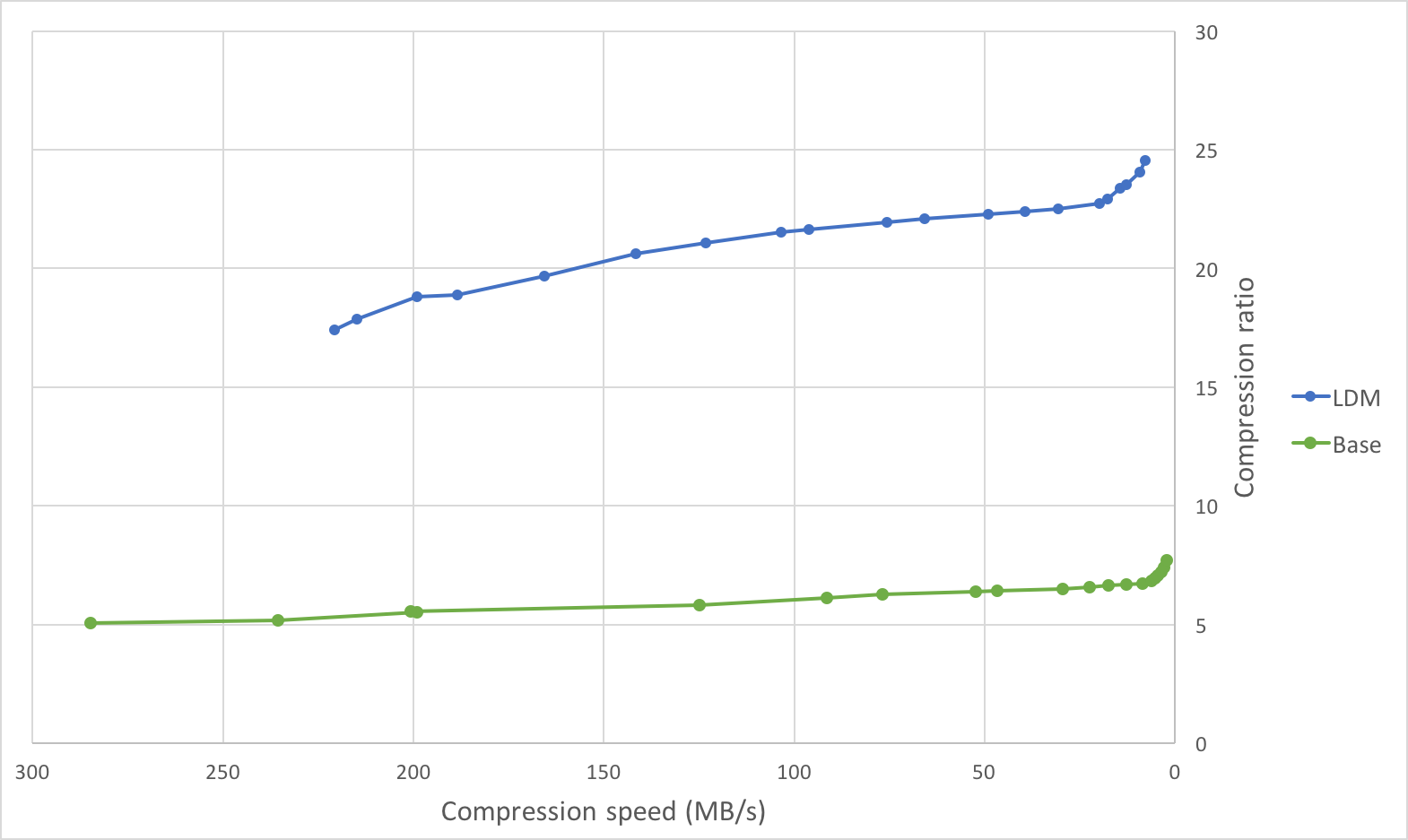 | 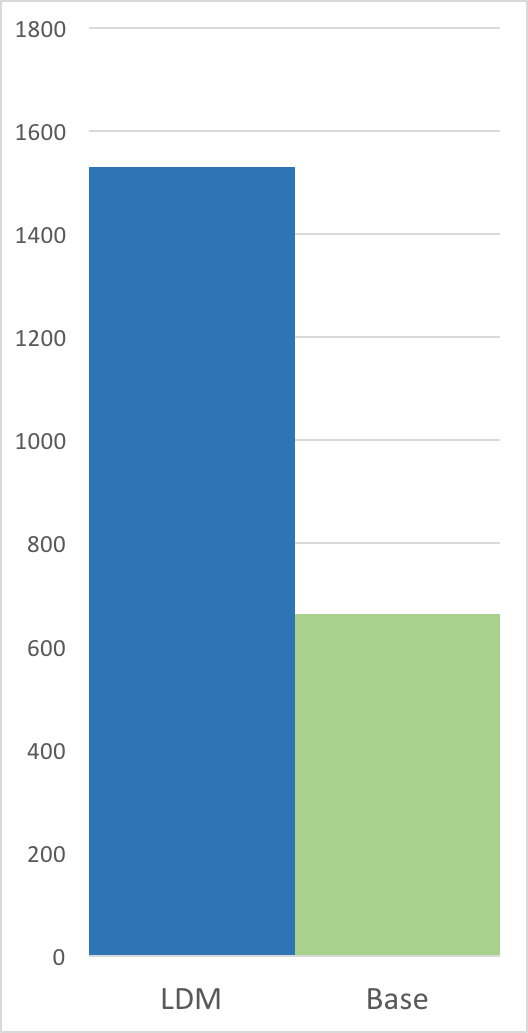
|
||||
 | 
|
||||
|
||||
| Method | Compression ratio | Compression speed | Decompression speed |
|
||||
|:-------|------------------:|-------------------------:|---------------------------:|
|
||||
@@ -216,24 +208,10 @@ The below table illustrates this on the [Silesia compression corpus].
|
||||
[Silesia compression corpus]: http://sun.aei.polsl.pl/~sdeor/index.php?page=silesia
|
||||
|
||||
| Method | Compression ratio | Compression speed | Decompression speed |
|
||||
|:-------|------------------:|------------------:|---------------------:|
|
||||
| `zstd -1` | `2.878` | `231.7 MB/s` | `594.4 MB/s` |
|
||||
| `zstd -1 --long` | `2.929` | `106.5 MB/s` | `517.9 MB/s` |
|
||||
| `zstd -5` | `3.274` | `77.1 MB/s` | `464.2 MB/s` |
|
||||
| `zstd -5 --long` | `3.319` | `51.7 MB/s` | `371.9 MB/s` |
|
||||
| `zstd -10` | `3.523` | `16.4 MB/s` | `489.2 MB/s` |
|
||||
| `zstd -10 --long`| `3.566` | `16.2 MB/s` | `415.7 MB/s` |
|
||||
|
||||
|
||||
#### zstdgrep
|
||||
|
||||
`zstdgrep` is a utility which makes it possible to `grep` directly a `.zst` compressed file.
|
||||
It's used the same way as normal `grep`, for example :
|
||||
`zstdgrep pattern file.zst`
|
||||
|
||||
`zstdgrep` is _not_ compatible with dictionary compression.
|
||||
|
||||
To search into a file compressed with a dictionary,
|
||||
it's necessary to decompress it using `zstd` or `zstdcat`,
|
||||
and then pipe the result to `grep`. For example :
|
||||
`zstdcat -D dictionary -qc -- file.zst | grep pattern`
|
||||
|:-------|------------------:|-------------------------:|---------------------------:|
|
||||
| `zstd -1` | `2.878` | `231.7 MB/s` | `594.4 MB/s` |
|
||||
| `zstd -1 --long` | `2.929` | `106.5 MB/s` | `517.9 MB/s` |
|
||||
| `zstd -5` | `3.274` | `77.1 MB/s` | `464.2 MB/s` |
|
||||
| `zstd -5 --long` | `3.319` | `51.7 MB/s` | `371.9 MB/s` |
|
||||
| `zstd -10` | `3.523` | `16.4 MB/s` | `489.2 MB/s` |
|
||||
| `zstd -10 --long`| `3.566` | `16.2 MB/s` | `415.7 MB/s` |
|
||||
|
||||
+463
-810
@@ -42,7 +42,6 @@
|
||||
#include "datagen.h" /* RDG_genBuffer */
|
||||
#include "xxhash.h"
|
||||
#include "bench.h"
|
||||
#include "zstd_errors.h"
|
||||
|
||||
|
||||
/* *************************************
|
||||
@@ -63,11 +62,9 @@
|
||||
#define MB *(1 <<20)
|
||||
#define GB *(1U<<30)
|
||||
|
||||
#define BMK_RUNTEST_DEFAULT_MS 1000
|
||||
static const size_t maxMemory = (sizeof(size_t)==4) ? (2 GB - 64 MB) : (size_t)(1ULL << ((sizeof(size_t)*8)-31));
|
||||
|
||||
static const size_t maxMemory = (sizeof(size_t)==4) ?
|
||||
/* 32-bit */ (2 GB - 64 MB) :
|
||||
/* 64-bit */ (size_t)(1ULL << ((sizeof(size_t)*8)-31));
|
||||
static U32 g_compressibilityDefault = 50;
|
||||
|
||||
|
||||
/* *************************************
|
||||
@@ -93,59 +90,88 @@ static UTIL_time_t g_displayClock = UTIL_TIME_INITIALIZER;
|
||||
# define DEBUG 0
|
||||
#endif
|
||||
#define DEBUGOUTPUT(...) { if (DEBUG) DISPLAY(__VA_ARGS__); }
|
||||
|
||||
#define EXM_THROW_INT(errorNum, ...) { \
|
||||
#define EXM_THROW(error, ...) { \
|
||||
DEBUGOUTPUT("%s: %i: \n", __FILE__, __LINE__); \
|
||||
DISPLAYLEVEL(1, "Error %i : ", errorNum); \
|
||||
DISPLAYLEVEL(1, "Error %i : ", error); \
|
||||
DISPLAYLEVEL(1, __VA_ARGS__); \
|
||||
DISPLAYLEVEL(1, " \n"); \
|
||||
return errorNum; \
|
||||
exit(error); \
|
||||
}
|
||||
|
||||
#define RETURN_ERROR(errorNum, retType, ...) { \
|
||||
retType r; \
|
||||
memset(&r, 0, sizeof(retType)); \
|
||||
DEBUGOUTPUT("%s: %i: \n", __FILE__, __LINE__); \
|
||||
DISPLAYLEVEL(1, "Error %i : ", errorNum); \
|
||||
DISPLAYLEVEL(1, __VA_ARGS__); \
|
||||
DISPLAYLEVEL(1, " \n"); \
|
||||
r.tag = errorNum; \
|
||||
return r; \
|
||||
}
|
||||
|
||||
/* error without displaying */
|
||||
#define RETURN_QUIET_ERROR(errorNum, retType, ...) { \
|
||||
retType r; \
|
||||
memset(&r, 0, sizeof(retType)); \
|
||||
DEBUGOUTPUT("%s: %i: \n", __FILE__, __LINE__); \
|
||||
DEBUGOUTPUT("Error %i : ", errorNum); \
|
||||
DEBUGOUTPUT(__VA_ARGS__); \
|
||||
DEBUGOUTPUT(" \n"); \
|
||||
r.tag = errorNum; \
|
||||
return r; \
|
||||
}
|
||||
|
||||
/* *************************************
|
||||
* Benchmark Parameters
|
||||
***************************************/
|
||||
static int g_additionalParam = 0;
|
||||
static U32 g_decodeOnly = 0;
|
||||
|
||||
BMK_advancedParams_t BMK_initAdvancedParams(void) {
|
||||
BMK_advancedParams_t const res = {
|
||||
BMK_both, /* mode */
|
||||
BMK_TIMETEST_DEFAULT_S, /* nbSeconds */
|
||||
0, /* blockSize */
|
||||
0, /* nbWorkers */
|
||||
0, /* realTime */
|
||||
0, /* additionalParam */
|
||||
0, /* ldmFlag */
|
||||
0, /* ldmMinMatch */
|
||||
0, /* ldmHashLog */
|
||||
0, /* ldmBuckSizeLog */
|
||||
0 /* ldmHashEveryLog */
|
||||
};
|
||||
return res;
|
||||
void BMK_setAdditionalParam(int additionalParam) { g_additionalParam=additionalParam; }
|
||||
|
||||
|
||||
//TODO : Deal with DISPLAYLEVEL for all these set functions
|
||||
|
||||
static U32 g_nbSeconds = BMK_TIMETEST_DEFAULT_S;
|
||||
|
||||
void BMK_setNbSeconds(unsigned nbSeconds)
|
||||
{
|
||||
g_nbSeconds = nbSeconds;
|
||||
DISPLAY("- test >= %u seconds per compression / decompression - \n", g_nbSeconds);
|
||||
}
|
||||
|
||||
static size_t g_blockSize = 0;
|
||||
|
||||
void BMK_setBlockSize(size_t blockSize)
|
||||
{
|
||||
g_blockSize = blockSize;
|
||||
if (g_blockSize) DISPLAY("using blocks of size %u KB \n", (U32)(blockSize>>10));
|
||||
}
|
||||
|
||||
void BMK_setDecodeOnlyMode(unsigned decodeFlag) { g_decodeOnly = (decodeFlag>0); }
|
||||
|
||||
static U32 g_nbWorkers = 0;
|
||||
|
||||
void BMK_setNbWorkers(unsigned nbWorkers) {
|
||||
#ifndef ZSTD_MULTITHREAD
|
||||
if (nbWorkers > 0) DISPLAY("Note : multi-threading is disabled \n");
|
||||
#endif
|
||||
g_nbWorkers = nbWorkers;
|
||||
}
|
||||
|
||||
static U32 g_realTime = 0;
|
||||
void BMK_setRealTime(unsigned priority) {
|
||||
g_realTime = (priority>0);
|
||||
}
|
||||
|
||||
static U32 g_separateFiles = 0;
|
||||
void BMK_setSeparateFiles(unsigned separate) {
|
||||
g_separateFiles = (separate>0);
|
||||
}
|
||||
|
||||
static U32 g_ldmFlag = 0;
|
||||
void BMK_setLdmFlag(unsigned ldmFlag) {
|
||||
g_ldmFlag = ldmFlag;
|
||||
}
|
||||
|
||||
static U32 g_ldmMinMatch = 0;
|
||||
void BMK_setLdmMinMatch(unsigned ldmMinMatch) {
|
||||
g_ldmMinMatch = ldmMinMatch;
|
||||
}
|
||||
|
||||
static U32 g_ldmHashLog = 0;
|
||||
void BMK_setLdmHashLog(unsigned ldmHashLog) {
|
||||
g_ldmHashLog = ldmHashLog;
|
||||
}
|
||||
|
||||
#define BMK_LDM_PARAM_NOTSET 9999
|
||||
static U32 g_ldmBucketSizeLog = BMK_LDM_PARAM_NOTSET;
|
||||
void BMK_setLdmBucketSizeLog(unsigned ldmBucketSizeLog) {
|
||||
g_ldmBucketSizeLog = ldmBucketSizeLog;
|
||||
}
|
||||
|
||||
static U32 g_ldmHashEveryLog = BMK_LDM_PARAM_NOTSET;
|
||||
void BMK_setLdmHashEveryLog(unsigned ldmHashEveryLog) {
|
||||
g_ldmHashEveryLog = ldmHashEveryLog;
|
||||
}
|
||||
|
||||
/* ********************************************************
|
||||
* Bench functions
|
||||
@@ -165,770 +191,341 @@ typedef struct {
|
||||
#define MIN(a,b) ((a) < (b) ? (a) : (b))
|
||||
#define MAX(a,b) ((a) > (b) ? (a) : (b))
|
||||
|
||||
static void BMK_initCCtx(ZSTD_CCtx* ctx,
|
||||
const void* dictBuffer, size_t dictBufferSize, int cLevel,
|
||||
const ZSTD_compressionParameters* comprParams, const BMK_advancedParams_t* adv) {
|
||||
ZSTD_CCtx_reset(ctx);
|
||||
ZSTD_CCtx_resetParameters(ctx);
|
||||
if (adv->nbWorkers==1) {
|
||||
ZSTD_CCtx_setParameter(ctx, ZSTD_p_nbWorkers, 0);
|
||||
} else {
|
||||
ZSTD_CCtx_setParameter(ctx, ZSTD_p_nbWorkers, adv->nbWorkers);
|
||||
}
|
||||
ZSTD_CCtx_setParameter(ctx, ZSTD_p_compressionLevel, cLevel);
|
||||
ZSTD_CCtx_setParameter(ctx, ZSTD_p_enableLongDistanceMatching, adv->ldmFlag);
|
||||
ZSTD_CCtx_setParameter(ctx, ZSTD_p_ldmMinMatch, adv->ldmMinMatch);
|
||||
ZSTD_CCtx_setParameter(ctx, ZSTD_p_ldmHashLog, adv->ldmHashLog);
|
||||
ZSTD_CCtx_setParameter(ctx, ZSTD_p_ldmBucketSizeLog, adv->ldmBucketSizeLog);
|
||||
ZSTD_CCtx_setParameter(ctx, ZSTD_p_ldmHashEveryLog, adv->ldmHashEveryLog);
|
||||
ZSTD_CCtx_setParameter(ctx, ZSTD_p_windowLog, comprParams->windowLog);
|
||||
ZSTD_CCtx_setParameter(ctx, ZSTD_p_hashLog, comprParams->hashLog);
|
||||
ZSTD_CCtx_setParameter(ctx, ZSTD_p_chainLog, comprParams->chainLog);
|
||||
ZSTD_CCtx_setParameter(ctx, ZSTD_p_searchLog, comprParams->searchLog);
|
||||
ZSTD_CCtx_setParameter(ctx, ZSTD_p_minMatch, comprParams->searchLength);
|
||||
ZSTD_CCtx_setParameter(ctx, ZSTD_p_targetLength, comprParams->targetLength);
|
||||
ZSTD_CCtx_setParameter(ctx, ZSTD_p_compressionStrategy, comprParams->strategy);
|
||||
ZSTD_CCtx_loadDictionary(ctx, dictBuffer, dictBufferSize);
|
||||
}
|
||||
BMK_return_t BMK_benchMem(const void* srcBuffer, size_t srcSize,
|
||||
const size_t* fileSizes, unsigned nbFiles,
|
||||
const int cLevel, const ZSTD_compressionParameters* comprParams,
|
||||
const void* dictBuffer, size_t dictBufferSize,
|
||||
ZSTD_CCtx* ctx, ZSTD_DCtx* dctx,
|
||||
int displayLevel, const char* displayName)
|
||||
|
||||
static void BMK_initDCtx(ZSTD_DCtx* dctx,
|
||||
const void* dictBuffer, size_t dictBufferSize) {
|
||||
ZSTD_DCtx_reset(dctx);
|
||||
ZSTD_DCtx_loadDictionary(dctx, dictBuffer, dictBufferSize);
|
||||
}
|
||||
|
||||
|
||||
typedef struct {
|
||||
ZSTD_CCtx* cctx;
|
||||
const void* dictBuffer;
|
||||
size_t dictBufferSize;
|
||||
int cLevel;
|
||||
const ZSTD_compressionParameters* comprParams;
|
||||
const BMK_advancedParams_t* adv;
|
||||
} BMK_initCCtxArgs;
|
||||
|
||||
static size_t local_initCCtx(void* payload) {
|
||||
BMK_initCCtxArgs* ag = (BMK_initCCtxArgs*)payload;
|
||||
BMK_initCCtx(ag->cctx, ag->dictBuffer, ag->dictBufferSize, ag->cLevel, ag->comprParams, ag->adv);
|
||||
return 0;
|
||||
}
|
||||
|
||||
typedef struct {
|
||||
ZSTD_DCtx* dctx;
|
||||
const void* dictBuffer;
|
||||
size_t dictBufferSize;
|
||||
} BMK_initDCtxArgs;
|
||||
|
||||
static size_t local_initDCtx(void* payload) {
|
||||
BMK_initDCtxArgs* ag = (BMK_initDCtxArgs*)payload;
|
||||
BMK_initDCtx(ag->dctx, ag->dictBuffer, ag->dictBufferSize);
|
||||
return 0;
|
||||
}
|
||||
|
||||
|
||||
/* `addArgs` is the context */
|
||||
static size_t local_defaultCompress(
|
||||
const void* srcBuffer, size_t srcSize,
|
||||
void* dstBuffer, size_t dstSize,
|
||||
void* addArgs)
|
||||
{
|
||||
size_t moreToFlush = 1;
|
||||
ZSTD_CCtx* const cctx = (ZSTD_CCtx*)addArgs;
|
||||
ZSTD_inBuffer in;
|
||||
ZSTD_outBuffer out;
|
||||
in.src = srcBuffer; in.size = srcSize; in.pos = 0;
|
||||
out.dst = dstBuffer; out.size = dstSize; out.pos = 0;
|
||||
while (moreToFlush) {
|
||||
if(out.pos == out.size) {
|
||||
return (size_t)-ZSTD_error_dstSize_tooSmall;
|
||||
}
|
||||
moreToFlush = ZSTD_compress_generic(cctx, &out, &in, ZSTD_e_end);
|
||||
if (ZSTD_isError(moreToFlush)) {
|
||||
return moreToFlush;
|
||||
}
|
||||
}
|
||||
return out.pos;
|
||||
}
|
||||
size_t const blockSize = ((g_blockSize>=32 && !g_decodeOnly) ? g_blockSize : srcSize) + (!srcSize) /* avoid div by 0 */ ;
|
||||
U32 const maxNbBlocks = (U32) ((srcSize + (blockSize-1)) / blockSize) + nbFiles;
|
||||
blockParam_t* const blockTable = (blockParam_t*) malloc(maxNbBlocks * sizeof(blockParam_t));
|
||||
size_t const maxCompressedSize = ZSTD_compressBound(srcSize) + (maxNbBlocks * 1024); /* add some room for safety */
|
||||
void* const compressedBuffer = malloc(maxCompressedSize);
|
||||
void* resultBuffer = malloc(srcSize);
|
||||
BMK_return_t results;
|
||||
|
||||
/* `addArgs` is the context */
|
||||
static size_t local_defaultDecompress(
|
||||
const void* srcBuffer, size_t srcSize,
|
||||
void* dstBuffer, size_t dstCapacity,
|
||||
void* addArgs)
|
||||
{
|
||||
size_t moreToFlush = 1;
|
||||
ZSTD_DCtx* const dctx = (ZSTD_DCtx*)addArgs;
|
||||
ZSTD_inBuffer in;
|
||||
ZSTD_outBuffer out;
|
||||
in.src = srcBuffer; in.size = srcSize; in.pos = 0;
|
||||
out.dst = dstBuffer; out.size = dstCapacity; out.pos = 0;
|
||||
while (moreToFlush) {
|
||||
if(out.pos == out.size) {
|
||||
return (size_t)-ZSTD_error_dstSize_tooSmall;
|
||||
}
|
||||
moreToFlush = ZSTD_decompress_generic(dctx, &out, &in);
|
||||
if (ZSTD_isError(moreToFlush)) {
|
||||
return moreToFlush;
|
||||
}
|
||||
}
|
||||
return out.pos;
|
||||
|
||||
}
|
||||
|
||||
|
||||
/*=== Benchmarking an arbitrary function ===*/
|
||||
|
||||
int BMK_isSuccessful_runOutcome(BMK_runOutcome_t outcome)
|
||||
{
|
||||
return outcome.tag == 0;
|
||||
}
|
||||
|
||||
/* warning : this function will stop program execution if outcome is invalid !
|
||||
* check outcome validity first, using BMK_isValid_runResult() */
|
||||
BMK_runTime_t BMK_extract_runTime(BMK_runOutcome_t outcome)
|
||||
{
|
||||
assert(outcome.tag == 0);
|
||||
return outcome.internal_never_use_directly;
|
||||
}
|
||||
|
||||
static BMK_runOutcome_t BMK_runOutcome_error(void)
|
||||
{
|
||||
BMK_runOutcome_t b;
|
||||
memset(&b, 0, sizeof(b));
|
||||
b.tag = 1;
|
||||
return b;
|
||||
}
|
||||
|
||||
static BMK_runOutcome_t BMK_setValid_runTime(BMK_runTime_t runTime)
|
||||
{
|
||||
BMK_runOutcome_t outcome;
|
||||
outcome.tag = 0;
|
||||
outcome.internal_never_use_directly = runTime;
|
||||
return outcome;
|
||||
}
|
||||
|
||||
|
||||
/* initFn will be measured once, benchFn will be measured `nbLoops` times */
|
||||
/* initFn is optional, provide NULL if none */
|
||||
/* benchFn must return size_t field compliant with ZSTD_isError for error valuee */
|
||||
/* takes # of blocks and list of size & stuff for each. */
|
||||
/* can report result of benchFn for each block into blockResult. */
|
||||
/* blockResult is optional, provide NULL if this information is not required */
|
||||
/* note : time per loop could be zero if run time < timer resolution */
|
||||
BMK_runOutcome_t BMK_benchFunction(
|
||||
BMK_benchFn_t benchFn, void* benchPayload,
|
||||
BMK_initFn_t initFn, void* initPayload,
|
||||
size_t blockCount,
|
||||
const void* const * srcBlockBuffers, const size_t* srcBlockSizes,
|
||||
void* const * dstBlockBuffers, const size_t* dstBlockCapacities,
|
||||
size_t* blockResults,
|
||||
unsigned nbLoops)
|
||||
{
|
||||
size_t dstSize = 0;
|
||||
|
||||
if(!nbLoops) {
|
||||
RETURN_QUIET_ERROR(2, BMK_runOutcome_t, "nbLoops must be nonzero ");
|
||||
}
|
||||
|
||||
/* init */
|
||||
{ size_t i;
|
||||
for(i = 0; i < blockCount; i++) {
|
||||
memset(dstBlockBuffers[i], 0xE5, dstBlockCapacities[i]); /* warm up and erase result buffer */
|
||||
}
|
||||
#if 0
|
||||
/* based on testing these seem to lower accuracy of multiple calls of 1 nbLoops vs 1 call of multiple nbLoops
|
||||
* (Makes former slower)
|
||||
*/
|
||||
UTIL_sleepMilli(5); /* give processor time to other processes */
|
||||
UTIL_waitForNextTick();
|
||||
#endif
|
||||
}
|
||||
|
||||
/* benchmark */
|
||||
{ UTIL_time_t const clockStart = UTIL_getTime();
|
||||
unsigned loopNb, blockNb;
|
||||
if (initFn != NULL) initFn(initPayload);
|
||||
for (loopNb = 0; loopNb < nbLoops; loopNb++) {
|
||||
for (blockNb = 0; blockNb < blockCount; blockNb++) {
|
||||
size_t const res = benchFn(srcBlockBuffers[blockNb], srcBlockSizes[blockNb],
|
||||
dstBlockBuffers[blockNb], dstBlockCapacities[blockNb],
|
||||
benchPayload);
|
||||
if(ZSTD_isError(res)) {
|
||||
RETURN_QUIET_ERROR(2, BMK_runOutcome_t,
|
||||
"Function benchmark failed on block %u of size %u : %s",
|
||||
blockNb, (U32)dstBlockCapacities[blockNb], ZSTD_getErrorName(res));
|
||||
} else if (loopNb == 0) {
|
||||
dstSize += res;
|
||||
if (blockResults != NULL) blockResults[blockNb] = res;
|
||||
} }
|
||||
} /* for (loopNb = 0; loopNb < nbLoops; loopNb++) */
|
||||
|
||||
{ U64 const totalTime = UTIL_clockSpanNano(clockStart);
|
||||
BMK_runTime_t rt;
|
||||
rt.nanoSecPerRun = totalTime / nbLoops;
|
||||
rt.sumOfReturn = dstSize;
|
||||
return BMK_setValid_runTime(rt);
|
||||
} }
|
||||
}
|
||||
|
||||
|
||||
/* ==== Benchmarking any function, providing intermediate results ==== */
|
||||
|
||||
struct BMK_timedFnState_s {
|
||||
U64 timeSpent_ns;
|
||||
U64 timeBudget_ns;
|
||||
U64 runBudget_ns;
|
||||
BMK_runTime_t fastestRun;
|
||||
unsigned nbLoops;
|
||||
UTIL_time_t coolTime;
|
||||
}; /* typedef'd to BMK_timedFnState_t within bench.h */
|
||||
|
||||
BMK_timedFnState_t* BMK_createTimedFnState(unsigned total_ms, unsigned run_ms)
|
||||
{
|
||||
BMK_timedFnState_t* const r = (BMK_timedFnState_t*)malloc(sizeof(*r));
|
||||
if (r == NULL) return NULL; /* malloc() error */
|
||||
BMK_resetTimedFnState(r, total_ms, run_ms);
|
||||
return r;
|
||||
}
|
||||
|
||||
void BMK_freeTimedFnState(BMK_timedFnState_t* state) {
|
||||
free(state);
|
||||
}
|
||||
|
||||
void BMK_resetTimedFnState(BMK_timedFnState_t* timedFnState, unsigned total_ms, unsigned run_ms)
|
||||
{
|
||||
if (!total_ms) total_ms = 1 ;
|
||||
if (!run_ms) run_ms = 1;
|
||||
if (run_ms > total_ms) run_ms = total_ms;
|
||||
timedFnState->timeSpent_ns = 0;
|
||||
timedFnState->timeBudget_ns = (U64)total_ms * TIMELOOP_NANOSEC / 1000;
|
||||
timedFnState->runBudget_ns = (U64)run_ms * TIMELOOP_NANOSEC / 1000;
|
||||
timedFnState->fastestRun.nanoSecPerRun = (U64)(-1LL);
|
||||
timedFnState->fastestRun.sumOfReturn = (size_t)(-1LL);
|
||||
timedFnState->nbLoops = 1;
|
||||
timedFnState->coolTime = UTIL_getTime();
|
||||
}
|
||||
|
||||
/* Tells if nb of seconds set in timedFnState for all runs is spent.
|
||||
* note : this function will return 1 if BMK_benchFunctionTimed() has actually errored. */
|
||||
int BMK_isCompleted_TimedFn(const BMK_timedFnState_t* timedFnState)
|
||||
{
|
||||
return (timedFnState->timeSpent_ns >= timedFnState->timeBudget_ns);
|
||||
}
|
||||
|
||||
|
||||
#define MINUSABLETIME (TIMELOOP_NANOSEC / 2) /* 0.5 seconds */
|
||||
|
||||
BMK_runOutcome_t BMK_benchTimedFn(
|
||||
BMK_timedFnState_t* cont,
|
||||
BMK_benchFn_t benchFn, void* benchPayload,
|
||||
BMK_initFn_t initFn, void* initPayload,
|
||||
size_t blockCount,
|
||||
const void* const* srcBlockBuffers, const size_t* srcBlockSizes,
|
||||
void * const * dstBlockBuffers, const size_t * dstBlockCapacities,
|
||||
size_t* blockResults)
|
||||
{
|
||||
U64 const runBudget_ns = cont->runBudget_ns;
|
||||
U64 const runTimeMin_ns = runBudget_ns / 2;
|
||||
int completed = 0;
|
||||
BMK_runTime_t bestRunTime = cont->fastestRun;
|
||||
|
||||
while (!completed) {
|
||||
BMK_runOutcome_t runResult;
|
||||
|
||||
/* Overheat protection */
|
||||
if (UTIL_clockSpanMicro(cont->coolTime) > ACTIVEPERIOD_MICROSEC) {
|
||||
DEBUGOUTPUT("\rcooling down ... \r");
|
||||
UTIL_sleep(COOLPERIOD_SEC);
|
||||
cont->coolTime = UTIL_getTime();
|
||||
}
|
||||
|
||||
/* reinitialize capacity */
|
||||
runResult = BMK_benchFunction(benchFn, benchPayload,
|
||||
initFn, initPayload,
|
||||
blockCount,
|
||||
srcBlockBuffers, srcBlockSizes,
|
||||
dstBlockBuffers, dstBlockCapacities,
|
||||
blockResults,
|
||||
cont->nbLoops);
|
||||
|
||||
if(!BMK_isSuccessful_runOutcome(runResult)) { /* error : move out */
|
||||
return BMK_runOutcome_error();
|
||||
}
|
||||
|
||||
{ BMK_runTime_t const newRunTime = BMK_extract_runTime(runResult);
|
||||
U64 const loopDuration_ns = newRunTime.nanoSecPerRun * cont->nbLoops;
|
||||
|
||||
cont->timeSpent_ns += loopDuration_ns;
|
||||
|
||||
/* estimate nbLoops for next run to last approximately 1 second */
|
||||
if (loopDuration_ns > (runBudget_ns / 50)) {
|
||||
U64 const fastestRun_ns = MIN(bestRunTime.nanoSecPerRun, newRunTime.nanoSecPerRun);
|
||||
cont->nbLoops = (U32)(runBudget_ns / fastestRun_ns) + 1;
|
||||
} else {
|
||||
/* previous run was too short : blindly increase workload by x multiplier */
|
||||
const unsigned multiplier = 10;
|
||||
assert(cont->nbLoops < ((unsigned)-1) / multiplier); /* avoid overflow */
|
||||
cont->nbLoops *= multiplier;
|
||||
}
|
||||
|
||||
if(loopDuration_ns < runTimeMin_ns) {
|
||||
/* don't report results for which benchmark run time was too small : increased risks of rounding errors */
|
||||
assert(completed == 0);
|
||||
continue;
|
||||
} else {
|
||||
if(newRunTime.nanoSecPerRun < bestRunTime.nanoSecPerRun) {
|
||||
bestRunTime = newRunTime;
|
||||
}
|
||||
completed = 1;
|
||||
}
|
||||
}
|
||||
} /* while (!completed) */
|
||||
|
||||
return BMK_setValid_runTime(bestRunTime);
|
||||
}
|
||||
|
||||
|
||||
/* ================================================================= */
|
||||
/* Benchmark Zstandard, mem-to-mem scenarios */
|
||||
/* ================================================================= */
|
||||
|
||||
int BMK_isSuccessful_benchOutcome(BMK_benchOutcome_t outcome)
|
||||
{
|
||||
return outcome.tag == 0;
|
||||
}
|
||||
|
||||
BMK_benchResult_t BMK_extract_benchResult(BMK_benchOutcome_t outcome)
|
||||
{
|
||||
assert(outcome.tag == 0);
|
||||
return outcome.internal_never_use_directly;
|
||||
}
|
||||
|
||||
static BMK_benchOutcome_t BMK_benchOutcome_error(void)
|
||||
{
|
||||
BMK_benchOutcome_t b;
|
||||
memset(&b, 0, sizeof(b));
|
||||
b.tag = 1;
|
||||
return b;
|
||||
}
|
||||
|
||||
static BMK_benchOutcome_t BMK_benchOutcome_setValidResult(BMK_benchResult_t result)
|
||||
{
|
||||
BMK_benchOutcome_t b;
|
||||
b.tag = 0;
|
||||
b.internal_never_use_directly = result;
|
||||
return b;
|
||||
}
|
||||
|
||||
|
||||
/* benchMem with no allocation */
|
||||
static BMK_benchOutcome_t BMK_benchMemAdvancedNoAlloc(
|
||||
const void** srcPtrs, size_t* srcSizes,
|
||||
void** cPtrs, size_t* cCapacities, size_t* cSizes,
|
||||
void** resPtrs, size_t* resSizes,
|
||||
void** resultBufferPtr, void* compressedBuffer,
|
||||
size_t maxCompressedSize,
|
||||
BMK_timedFnState_t* timeStateCompress,
|
||||
BMK_timedFnState_t* timeStateDecompress,
|
||||
|
||||
const void* srcBuffer, size_t srcSize,
|
||||
const size_t* fileSizes, unsigned nbFiles,
|
||||
const int cLevel, const ZSTD_compressionParameters* comprParams,
|
||||
const void* dictBuffer, size_t dictBufferSize,
|
||||
ZSTD_CCtx* cctx, ZSTD_DCtx* dctx,
|
||||
int displayLevel, const char* displayName,
|
||||
const BMK_advancedParams_t* adv)
|
||||
{
|
||||
size_t const blockSize = ((adv->blockSize>=32 && (adv->mode != BMK_decodeOnly)) ? adv->blockSize : srcSize) + (!srcSize); /* avoid div by 0 */
|
||||
BMK_benchResult_t benchResult;
|
||||
size_t const loadedCompressedSize = srcSize;
|
||||
size_t cSize = 0;
|
||||
double ratio = 0.;
|
||||
U32 nbBlocks;
|
||||
|
||||
assert(cctx != NULL); assert(dctx != NULL);
|
||||
/* checks */
|
||||
if (!compressedBuffer || !resultBuffer || !blockTable)
|
||||
EXM_THROW(31, "allocation error : not enough memory");
|
||||
|
||||
if(!ctx || !dctx)
|
||||
EXM_THROW(31, "error: passed in null context");
|
||||
|
||||
/* init */
|
||||
memset(&benchResult, 0, sizeof(benchResult));
|
||||
if (strlen(displayName)>17) displayName += strlen(displayName) - 17; /* display last 17 characters */
|
||||
if (adv->mode == BMK_decodeOnly) { /* benchmark only decompression : source must be already compressed */
|
||||
if (strlen(displayName)>17) displayName += strlen(displayName)-17; /* display last 17 characters */
|
||||
if (g_nbWorkers==1) g_nbWorkers=0; /* prefer synchronous mode */
|
||||
|
||||
if (g_decodeOnly) { /* benchmark only decompression : source must be already compressed */
|
||||
const char* srcPtr = (const char*)srcBuffer;
|
||||
U64 totalDSize64 = 0;
|
||||
U32 fileNb;
|
||||
for (fileNb=0; fileNb<nbFiles; fileNb++) {
|
||||
U64 const fSize64 = ZSTD_findDecompressedSize(srcPtr, fileSizes[fileNb]);
|
||||
if (fSize64==0) RETURN_ERROR(32, BMK_benchOutcome_t, "Impossible to determine original size ");
|
||||
if (fSize64==0) EXM_THROW(32, "Impossible to determine original size ");
|
||||
totalDSize64 += fSize64;
|
||||
srcPtr += fileSizes[fileNb];
|
||||
}
|
||||
{ size_t const decodedSize = (size_t)totalDSize64;
|
||||
assert((U64)decodedSize == totalDSize64); /* check overflow */
|
||||
free(*resultBufferPtr);
|
||||
*resultBufferPtr = malloc(decodedSize);
|
||||
if (!(*resultBufferPtr)) {
|
||||
RETURN_ERROR(33, BMK_benchOutcome_t, "not enough memory");
|
||||
}
|
||||
if (totalDSize64 > decodedSize) { /* size_t overflow */
|
||||
free(*resultBufferPtr);
|
||||
RETURN_ERROR(32, BMK_benchOutcome_t, "original size is too large");
|
||||
}
|
||||
if (totalDSize64 > decodedSize) EXM_THROW(32, "original size is too large"); /* size_t overflow */
|
||||
free(resultBuffer);
|
||||
resultBuffer = malloc(decodedSize);
|
||||
if (!resultBuffer) EXM_THROW(33, "not enough memory");
|
||||
cSize = srcSize;
|
||||
srcSize = decodedSize;
|
||||
ratio = (double)srcSize / (double)cSize;
|
||||
}
|
||||
}
|
||||
} }
|
||||
|
||||
/* Init data blocks */
|
||||
/* Init blockTable data */
|
||||
{ const char* srcPtr = (const char*)srcBuffer;
|
||||
char* cPtr = (char*)compressedBuffer;
|
||||
char* resPtr = (char*)(*resultBufferPtr);
|
||||
char* resPtr = (char*)resultBuffer;
|
||||
U32 fileNb;
|
||||
for (nbBlocks=0, fileNb=0; fileNb<nbFiles; fileNb++) {
|
||||
size_t remaining = fileSizes[fileNb];
|
||||
U32 const nbBlocksforThisFile = (adv->mode == BMK_decodeOnly) ? 1 : (U32)((remaining + (blockSize-1)) / blockSize);
|
||||
U32 const nbBlocksforThisFile = g_decodeOnly ? 1 : (U32)((remaining + (blockSize-1)) / blockSize);
|
||||
U32 const blockEnd = nbBlocks + nbBlocksforThisFile;
|
||||
for ( ; nbBlocks<blockEnd; nbBlocks++) {
|
||||
size_t const thisBlockSize = MIN(remaining, blockSize);
|
||||
srcPtrs[nbBlocks] = srcPtr;
|
||||
srcSizes[nbBlocks] = thisBlockSize;
|
||||
cPtrs[nbBlocks] = cPtr;
|
||||
cCapacities[nbBlocks] = (adv->mode == BMK_decodeOnly) ? thisBlockSize : ZSTD_compressBound(thisBlockSize);
|
||||
resPtrs[nbBlocks] = resPtr;
|
||||
resSizes[nbBlocks] = (adv->mode == BMK_decodeOnly) ? (size_t) ZSTD_findDecompressedSize(srcPtr, thisBlockSize) : thisBlockSize;
|
||||
blockTable[nbBlocks].srcPtr = (const void*)srcPtr;
|
||||
blockTable[nbBlocks].srcSize = thisBlockSize;
|
||||
blockTable[nbBlocks].cPtr = (void*)cPtr;
|
||||
blockTable[nbBlocks].cRoom = g_decodeOnly ? thisBlockSize : ZSTD_compressBound(thisBlockSize);
|
||||
blockTable[nbBlocks].cSize = blockTable[nbBlocks].cRoom;
|
||||
blockTable[nbBlocks].resPtr = (void*)resPtr;
|
||||
blockTable[nbBlocks].resSize = g_decodeOnly ? (size_t) ZSTD_findDecompressedSize(srcPtr, thisBlockSize) : thisBlockSize;
|
||||
srcPtr += thisBlockSize;
|
||||
cPtr += cCapacities[nbBlocks];
|
||||
cPtr += blockTable[nbBlocks].cRoom;
|
||||
resPtr += thisBlockSize;
|
||||
remaining -= thisBlockSize;
|
||||
}
|
||||
}
|
||||
}
|
||||
} } }
|
||||
|
||||
/* warmimg up `compressedBuffer` */
|
||||
if (adv->mode == BMK_decodeOnly) {
|
||||
/* warmimg up memory */
|
||||
if (g_decodeOnly) {
|
||||
memcpy(compressedBuffer, srcBuffer, loadedCompressedSize);
|
||||
} else {
|
||||
RDG_genBuffer(compressedBuffer, maxCompressedSize, 0.10, 0.50, 1);
|
||||
}
|
||||
|
||||
/* Bench */
|
||||
{ U64 const crcOrig = (adv->mode == BMK_decodeOnly) ? 0 : XXH64(srcBuffer, srcSize, 0);
|
||||
{ U64 fastestC = (U64)(-1LL), fastestD = (U64)(-1LL);
|
||||
U64 const crcOrig = g_decodeOnly ? 0 : XXH64(srcBuffer, srcSize, 0);
|
||||
UTIL_time_t coolTime;
|
||||
U64 const maxTime = (g_nbSeconds * TIMELOOP_NANOSEC) + 1;
|
||||
U32 nbDecodeLoops = (U32)((100 MB) / (srcSize+1)) + 1; /* initial conservative speed estimate */
|
||||
U32 nbCompressionLoops = (U32)((2 MB) / (srcSize+1)) + 1; /* initial conservative speed estimate */
|
||||
U64 totalCTime=0, totalDTime=0;
|
||||
U32 cCompleted=g_decodeOnly, dCompleted=0;
|
||||
# define NB_MARKS 4
|
||||
const char* marks[NB_MARKS] = { " |", " /", " =", " \\" };
|
||||
const char* const marks[NB_MARKS] = { " |", " /", " =", "\\" };
|
||||
U32 markNb = 0;
|
||||
int compressionCompleted = (adv->mode == BMK_decodeOnly);
|
||||
int decompressionCompleted = (adv->mode == BMK_compressOnly);
|
||||
BMK_initCCtxArgs cctxprep;
|
||||
BMK_initDCtxArgs dctxprep;
|
||||
cctxprep.cctx = cctx;
|
||||
cctxprep.dictBuffer = dictBuffer;
|
||||
cctxprep.dictBufferSize = dictBufferSize;
|
||||
cctxprep.cLevel = cLevel;
|
||||
cctxprep.comprParams = comprParams;
|
||||
cctxprep.adv = adv;
|
||||
dctxprep.dctx = dctx;
|
||||
dctxprep.dictBuffer = dictBuffer;
|
||||
dctxprep.dictBufferSize = dictBufferSize;
|
||||
|
||||
DISPLAYLEVEL(2, "\r%70s\r", ""); /* blank line */
|
||||
DISPLAYLEVEL(2, "%2s-%-17.17s :%10u ->\r", marks[markNb], displayName, (U32)srcSize);
|
||||
coolTime = UTIL_getTime();
|
||||
DISPLAYLEVEL(2, "\r%79s\r", "");
|
||||
while (!cCompleted || !dCompleted) {
|
||||
|
||||
while (!(compressionCompleted && decompressionCompleted)) {
|
||||
/* overheat protection */
|
||||
if (UTIL_clockSpanMicro(coolTime) > ACTIVEPERIOD_MICROSEC) {
|
||||
DISPLAYLEVEL(2, "\rcooling down ... \r");
|
||||
UTIL_sleep(COOLPERIOD_SEC);
|
||||
coolTime = UTIL_getTime();
|
||||
}
|
||||
|
||||
if (!compressionCompleted) {
|
||||
BMK_runOutcome_t const cOutcome =
|
||||
BMK_benchTimedFn( timeStateCompress,
|
||||
&local_defaultCompress, cctx,
|
||||
&local_initCCtx, &cctxprep,
|
||||
nbBlocks,
|
||||
srcPtrs, srcSizes,
|
||||
cPtrs, cCapacities,
|
||||
cSizes);
|
||||
if (!g_decodeOnly) {
|
||||
/* Compression */
|
||||
DISPLAYLEVEL(2, "%2s-%-17.17s :%10u ->\r", marks[markNb], displayName, (U32)srcSize);
|
||||
if (!cCompleted) memset(compressedBuffer, 0xE5, maxCompressedSize); /* warm up and erase result buffer */
|
||||
|
||||
if (!BMK_isSuccessful_runOutcome(cOutcome)) {
|
||||
return BMK_benchOutcome_error();
|
||||
}
|
||||
UTIL_sleepMilli(5); /* give processor time to other processes */
|
||||
UTIL_waitForNextTick();
|
||||
|
||||
{ BMK_runTime_t const cResult = BMK_extract_runTime(cOutcome);
|
||||
cSize = cResult.sumOfReturn;
|
||||
ratio = (double)srcSize / cSize;
|
||||
{ BMK_benchResult_t newResult;
|
||||
newResult.cSpeed = ((U64)srcSize * TIMELOOP_NANOSEC / cResult.nanoSecPerRun);
|
||||
benchResult.cSize = cSize;
|
||||
if (newResult.cSpeed > benchResult.cSpeed)
|
||||
benchResult.cSpeed = newResult.cSpeed;
|
||||
if (!cCompleted) { /* still some time to do compression tests */
|
||||
U32 nbLoops = 0;
|
||||
UTIL_time_t const clockStart = UTIL_getTime();
|
||||
ZSTD_CCtx_setParameter(ctx, ZSTD_p_nbWorkers, g_nbWorkers);
|
||||
ZSTD_CCtx_setParameter(ctx, ZSTD_p_compressionLevel, cLevel);
|
||||
ZSTD_CCtx_setParameter(ctx, ZSTD_p_enableLongDistanceMatching, g_ldmFlag);
|
||||
ZSTD_CCtx_setParameter(ctx, ZSTD_p_ldmMinMatch, g_ldmMinMatch);
|
||||
ZSTD_CCtx_setParameter(ctx, ZSTD_p_ldmHashLog, g_ldmHashLog);
|
||||
if (g_ldmBucketSizeLog != BMK_LDM_PARAM_NOTSET) {
|
||||
ZSTD_CCtx_setParameter(ctx, ZSTD_p_ldmBucketSizeLog, g_ldmBucketSizeLog);
|
||||
}
|
||||
if (g_ldmHashEveryLog != BMK_LDM_PARAM_NOTSET) {
|
||||
ZSTD_CCtx_setParameter(ctx, ZSTD_p_ldmHashEveryLog, g_ldmHashEveryLog);
|
||||
}
|
||||
ZSTD_CCtx_setParameter(ctx, ZSTD_p_windowLog, comprParams->windowLog);
|
||||
ZSTD_CCtx_setParameter(ctx, ZSTD_p_hashLog, comprParams->hashLog);
|
||||
ZSTD_CCtx_setParameter(ctx, ZSTD_p_chainLog, comprParams->chainLog);
|
||||
ZSTD_CCtx_setParameter(ctx, ZSTD_p_searchLog, comprParams->searchLog);
|
||||
ZSTD_CCtx_setParameter(ctx, ZSTD_p_minMatch, comprParams->searchLength);
|
||||
ZSTD_CCtx_setParameter(ctx, ZSTD_p_targetLength, comprParams->targetLength);
|
||||
ZSTD_CCtx_setParameter(ctx, ZSTD_p_compressionStrategy, comprParams->strategy);
|
||||
ZSTD_CCtx_loadDictionary(ctx, dictBuffer, dictBufferSize);
|
||||
|
||||
if (!g_nbSeconds) nbCompressionLoops=1;
|
||||
for (nbLoops=0; nbLoops<nbCompressionLoops; nbLoops++) {
|
||||
U32 blockNb;
|
||||
for (blockNb=0; blockNb<nbBlocks; blockNb++) {
|
||||
#if 0 /* direct compression function, for occasional comparison */
|
||||
ZSTD_parameters const params = ZSTD_getParams(cLevel, blockTable[blockNb].srcSize, dictBufferSize);
|
||||
blockTable[blockNb].cSize = ZSTD_compress_advanced(ctx,
|
||||
blockTable[blockNb].cPtr, blockTable[blockNb].cRoom,
|
||||
blockTable[blockNb].srcPtr, blockTable[blockNb].srcSize,
|
||||
dictBuffer, dictBufferSize,
|
||||
params);
|
||||
#else
|
||||
size_t moreToFlush = 1;
|
||||
ZSTD_outBuffer out;
|
||||
ZSTD_inBuffer in;
|
||||
in.src = blockTable[blockNb].srcPtr;
|
||||
in.size = blockTable[blockNb].srcSize;
|
||||
in.pos = 0;
|
||||
out.dst = blockTable[blockNb].cPtr;
|
||||
out.size = blockTable[blockNb].cRoom;
|
||||
out.pos = 0;
|
||||
while (moreToFlush) {
|
||||
moreToFlush = ZSTD_compress_generic(ctx,
|
||||
&out, &in, ZSTD_e_end);
|
||||
if (ZSTD_isError(moreToFlush))
|
||||
EXM_THROW(1, "ZSTD_compress_generic() error : %s",
|
||||
ZSTD_getErrorName(moreToFlush));
|
||||
}
|
||||
blockTable[blockNb].cSize = out.pos;
|
||||
#endif
|
||||
} }
|
||||
{ U64 const loopDuration = UTIL_clockSpanNano(clockStart);
|
||||
if (loopDuration > 0) {
|
||||
if (loopDuration < fastestC * nbCompressionLoops)
|
||||
fastestC = loopDuration / nbCompressionLoops;
|
||||
nbCompressionLoops = (U32)(TIMELOOP_NANOSEC / fastestC) + 1;
|
||||
} else {
|
||||
assert(nbCompressionLoops < 40000000); /* avoid overflow */
|
||||
nbCompressionLoops *= 100;
|
||||
}
|
||||
totalCTime += loopDuration;
|
||||
cCompleted = (totalCTime >= maxTime); /* end compression tests */
|
||||
} }
|
||||
|
||||
cSize = 0;
|
||||
{ U32 blockNb; for (blockNb=0; blockNb<nbBlocks; blockNb++) cSize += blockTable[blockNb].cSize; }
|
||||
ratio = (double)srcSize / (double)cSize;
|
||||
results.result.cSize = cSize;
|
||||
markNb = (markNb+1) % NB_MARKS;
|
||||
{ int const ratioAccuracy = (ratio < 10.) ? 3 : 2;
|
||||
markNb = (markNb+1) % NB_MARKS;
|
||||
double const compressionSpeed = ((double)srcSize / fastestC) * 1000;
|
||||
int const cSpeedAccuracy = (compressionSpeed < 10.) ? 2 : 1;
|
||||
results.result.cSpeed = compressionSpeed * 1000000;
|
||||
DISPLAYLEVEL(2, "%2s-%-17.17s :%10u ->%10u (%5.*f),%6.*f MB/s\r",
|
||||
marks[markNb], displayName,
|
||||
(U32)srcSize, (U32)cSize,
|
||||
marks[markNb], displayName, (U32)srcSize, (U32)cSize,
|
||||
ratioAccuracy, ratio,
|
||||
benchResult.cSpeed < (10 MB) ? 2 : 1, (double)benchResult.cSpeed / MB_UNIT);
|
||||
cSpeedAccuracy, compressionSpeed );
|
||||
}
|
||||
compressionCompleted = BMK_isCompleted_TimedFn(timeStateCompress);
|
||||
}
|
||||
} /* if (!g_decodeOnly) */
|
||||
|
||||
if(!decompressionCompleted) {
|
||||
BMK_runOutcome_t const dOutcome =
|
||||
BMK_benchTimedFn(timeStateDecompress,
|
||||
&local_defaultDecompress, dctx,
|
||||
&local_initDCtx, &dctxprep,
|
||||
nbBlocks,
|
||||
(const void *const *)cPtrs, cSizes,
|
||||
resPtrs, resSizes,
|
||||
NULL);
|
||||
#if 0 /* disable decompression test */
|
||||
dCompleted=1;
|
||||
(void)totalDTime; (void)fastestD; (void)crcOrig; /* unused when decompression disabled */
|
||||
#else
|
||||
/* Decompression */
|
||||
if (!dCompleted) memset(resultBuffer, 0xD6, srcSize); /* warm result buffer */
|
||||
|
||||
if(!BMK_isSuccessful_runOutcome(dOutcome)) {
|
||||
return BMK_benchOutcome_error();
|
||||
}
|
||||
UTIL_sleepMilli(5); /* give processor time to other processes */
|
||||
UTIL_waitForNextTick();
|
||||
|
||||
{ BMK_runTime_t const dResult = BMK_extract_runTime(dOutcome);
|
||||
U64 const newDSpeed = (srcSize * TIMELOOP_NANOSEC / dResult.nanoSecPerRun);
|
||||
if (newDSpeed > benchResult.dSpeed)
|
||||
benchResult.dSpeed = newDSpeed;
|
||||
}
|
||||
|
||||
{ int const ratioAccuracy = (ratio < 10.) ? 3 : 2;
|
||||
markNb = (markNb+1) % NB_MARKS;
|
||||
DISPLAYLEVEL(2, "%2s-%-17.17s :%10u ->%10u (%5.*f),%6.*f MB/s ,%6.1f MB/s \r",
|
||||
marks[markNb], displayName,
|
||||
(U32)srcSize, (U32)benchResult.cSize,
|
||||
ratioAccuracy, ratio,
|
||||
benchResult.cSpeed < (10 MB) ? 2 : 1, (double)benchResult.cSpeed / MB_UNIT,
|
||||
(double)benchResult.dSpeed / MB_UNIT);
|
||||
}
|
||||
decompressionCompleted = BMK_isCompleted_TimedFn(timeStateDecompress);
|
||||
}
|
||||
} /* while (!(compressionCompleted && decompressionCompleted)) */
|
||||
|
||||
/* CRC Checking */
|
||||
{ const BYTE* resultBuffer = (const BYTE*)(*resultBufferPtr);
|
||||
U64 const crcCheck = XXH64(resultBuffer, srcSize, 0);
|
||||
if ((adv->mode == BMK_both) && (crcOrig!=crcCheck)) {
|
||||
size_t u;
|
||||
DISPLAY("!!! WARNING !!! %14s : Invalid Checksum : %x != %x \n", displayName, (unsigned)crcOrig, (unsigned)crcCheck);
|
||||
for (u=0; u<srcSize; u++) {
|
||||
if (((const BYTE*)srcBuffer)[u] != resultBuffer[u]) {
|
||||
U32 segNb, bNb, pos;
|
||||
size_t bacc = 0;
|
||||
DISPLAY("Decoding error at pos %u ", (U32)u);
|
||||
for (segNb = 0; segNb < nbBlocks; segNb++) {
|
||||
if (bacc + srcSizes[segNb] > u) break;
|
||||
bacc += srcSizes[segNb];
|
||||
if (!dCompleted) {
|
||||
U32 nbLoops = 0;
|
||||
ZSTD_DDict* const ddict = ZSTD_createDDict(dictBuffer, dictBufferSize);
|
||||
UTIL_time_t const clockStart = UTIL_getTime();
|
||||
if (!ddict) EXM_THROW(2, "ZSTD_createDDict() allocation failure");
|
||||
if (!g_nbSeconds) nbDecodeLoops = 1;
|
||||
for (nbLoops=0; nbLoops < nbDecodeLoops; nbLoops++) {
|
||||
U32 blockNb;
|
||||
for (blockNb=0; blockNb<nbBlocks; blockNb++) {
|
||||
size_t const regenSize = ZSTD_decompress_usingDDict(dctx,
|
||||
blockTable[blockNb].resPtr, blockTable[blockNb].resSize,
|
||||
blockTable[blockNb].cPtr, blockTable[blockNb].cSize,
|
||||
ddict);
|
||||
if (ZSTD_isError(regenSize)) {
|
||||
EXM_THROW(2, "ZSTD_decompress_usingDDict() failed on block %u of size %u : %s \n",
|
||||
blockNb, (U32)blockTable[blockNb].cSize, ZSTD_getErrorName(regenSize));
|
||||
}
|
||||
pos = (U32)(u - bacc);
|
||||
bNb = pos / (128 KB);
|
||||
DISPLAY("(sample %u, block %u, pos %u) \n", segNb, bNb, pos);
|
||||
if (u>5) {
|
||||
int n;
|
||||
DISPLAY("origin: ");
|
||||
for (n=-5; n<0; n++) DISPLAY("%02X ", ((const BYTE*)srcBuffer)[u+n]);
|
||||
DISPLAY(" :%02X: ", ((const BYTE*)srcBuffer)[u]);
|
||||
for (n=1; n<3; n++) DISPLAY("%02X ", ((const BYTE*)srcBuffer)[u+n]);
|
||||
DISPLAY(" \n");
|
||||
DISPLAY("decode: ");
|
||||
for (n=-5; n<0; n++) DISPLAY("%02X ", resultBuffer[u+n]);
|
||||
DISPLAY(" :%02X: ", resultBuffer[u]);
|
||||
for (n=1; n<3; n++) DISPLAY("%02X ", resultBuffer[u+n]);
|
||||
DISPLAY(" \n");
|
||||
}
|
||||
break;
|
||||
blockTable[blockNb].resSize = regenSize;
|
||||
} }
|
||||
ZSTD_freeDDict(ddict);
|
||||
{ U64 const loopDuration = UTIL_clockSpanNano(clockStart);
|
||||
if (loopDuration > 0) {
|
||||
if (loopDuration < fastestD * nbDecodeLoops)
|
||||
fastestD = loopDuration / nbDecodeLoops;
|
||||
nbDecodeLoops = (U32)(TIMELOOP_NANOSEC / fastestD) + 1;
|
||||
} else {
|
||||
assert(nbDecodeLoops < 40000000); /* avoid overflow */
|
||||
nbDecodeLoops *= 100;
|
||||
}
|
||||
if (u==srcSize-1) { /* should never happen */
|
||||
DISPLAY("no difference detected\n");
|
||||
}
|
||||
}
|
||||
totalDTime += loopDuration;
|
||||
dCompleted = (totalDTime >= maxTime);
|
||||
} }
|
||||
|
||||
markNb = (markNb+1) % NB_MARKS;
|
||||
{ int const ratioAccuracy = (ratio < 10.) ? 3 : 2;
|
||||
double const compressionSpeed = ((double)srcSize / fastestC) * 1000;
|
||||
int const cSpeedAccuracy = (compressionSpeed < 10.) ? 2 : 1;
|
||||
double const decompressionSpeed = ((double)srcSize / fastestD) * 1000;
|
||||
results.result.cSpeed = compressionSpeed * 1000000;
|
||||
results.result.dSpeed = decompressionSpeed * 1000000;
|
||||
DISPLAYLEVEL(2, "%2s-%-17.17s :%10u ->%10u (%5.*f),%6.*f MB/s ,%6.1f MB/s \r",
|
||||
marks[markNb], displayName, (U32)srcSize, (U32)cSize,
|
||||
ratioAccuracy, ratio,
|
||||
cSpeedAccuracy, compressionSpeed,
|
||||
decompressionSpeed);
|
||||
}
|
||||
} /* CRC Checking */
|
||||
|
||||
/* CRC Checking */
|
||||
{ U64 const crcCheck = XXH64(resultBuffer, srcSize, 0);
|
||||
if (!g_decodeOnly && (crcOrig!=crcCheck)) {
|
||||
size_t u;
|
||||
DISPLAY("!!! WARNING !!! %14s : Invalid Checksum : %x != %x \n", displayName, (unsigned)crcOrig, (unsigned)crcCheck);
|
||||
for (u=0; u<srcSize; u++) {
|
||||
if (((const BYTE*)srcBuffer)[u] != ((const BYTE*)resultBuffer)[u]) {
|
||||
U32 segNb, bNb, pos;
|
||||
size_t bacc = 0;
|
||||
DISPLAY("Decoding error at pos %u ", (U32)u);
|
||||
for (segNb = 0; segNb < nbBlocks; segNb++) {
|
||||
if (bacc + blockTable[segNb].srcSize > u) break;
|
||||
bacc += blockTable[segNb].srcSize;
|
||||
}
|
||||
pos = (U32)(u - bacc);
|
||||
bNb = pos / (128 KB);
|
||||
DISPLAY("(sample %u, block %u, pos %u) \n", segNb, bNb, pos);
|
||||
if (u>5) {
|
||||
int n;
|
||||
DISPLAY("origin: ");
|
||||
for (n=-5; n<0; n++) DISPLAY("%02X ", ((const BYTE*)srcBuffer)[u+n]);
|
||||
DISPLAY(" :%02X: ", ((const BYTE*)srcBuffer)[u]);
|
||||
for (n=1; n<3; n++) DISPLAY("%02X ", ((const BYTE*)srcBuffer)[u+n]);
|
||||
DISPLAY(" \n");
|
||||
DISPLAY("decode: ");
|
||||
for (n=-5; n<0; n++) DISPLAY("%02X ", ((const BYTE*)resultBuffer)[u+n]);
|
||||
DISPLAY(" :%02X: ", ((const BYTE*)resultBuffer)[u]);
|
||||
for (n=1; n<3; n++) DISPLAY("%02X ", ((const BYTE*)resultBuffer)[u+n]);
|
||||
DISPLAY(" \n");
|
||||
}
|
||||
break;
|
||||
}
|
||||
if (u==srcSize-1) { /* should never happen */
|
||||
DISPLAY("no difference detected\n");
|
||||
} }
|
||||
break;
|
||||
} } /* CRC Checking */
|
||||
#endif
|
||||
} /* for (testNb = 1; testNb <= (g_nbSeconds + !g_nbSeconds); testNb++) */
|
||||
|
||||
if (displayLevel == 1) { /* hidden display mode -q, used by python speed benchmark */
|
||||
double const cSpeed = (double)benchResult.cSpeed / MB_UNIT;
|
||||
double const dSpeed = (double)benchResult.dSpeed / MB_UNIT;
|
||||
if (adv->additionalParam) {
|
||||
DISPLAY("-%-3i%11i (%5.3f) %6.2f MB/s %6.1f MB/s %s (param=%d)\n", cLevel, (int)cSize, ratio, cSpeed, dSpeed, displayName, adv->additionalParam);
|
||||
} else {
|
||||
double const cSpeed = ((double)srcSize / fastestC) * 1000;
|
||||
double const dSpeed = ((double)srcSize / fastestD) * 1000;
|
||||
if (g_additionalParam)
|
||||
DISPLAY("-%-3i%11i (%5.3f) %6.2f MB/s %6.1f MB/s %s (param=%d)\n", cLevel, (int)cSize, ratio, cSpeed, dSpeed, displayName, g_additionalParam);
|
||||
else
|
||||
DISPLAY("-%-3i%11i (%5.3f) %6.2f MB/s %6.1f MB/s %s\n", cLevel, (int)cSize, ratio, cSpeed, dSpeed, displayName);
|
||||
}
|
||||
}
|
||||
|
||||
DISPLAYLEVEL(2, "%2i#\n", cLevel);
|
||||
} /* Bench */
|
||||
|
||||
benchResult.cMem = (1ULL << (comprParams->windowLog)) + ZSTD_sizeof_CCtx(cctx);
|
||||
return BMK_benchOutcome_setValidResult(benchResult);
|
||||
}
|
||||
|
||||
BMK_benchOutcome_t BMK_benchMemAdvanced(const void* srcBuffer, size_t srcSize,
|
||||
void* dstBuffer, size_t dstCapacity,
|
||||
const size_t* fileSizes, unsigned nbFiles,
|
||||
int cLevel, const ZSTD_compressionParameters* comprParams,
|
||||
const void* dictBuffer, size_t dictBufferSize,
|
||||
int displayLevel, const char* displayName, const BMK_advancedParams_t* adv)
|
||||
|
||||
{
|
||||
int const dstParamsError = !dstBuffer ^ !dstCapacity; /* must be both NULL or none */
|
||||
|
||||
size_t const blockSize = ((adv->blockSize>=32 && (adv->mode != BMK_decodeOnly)) ? adv->blockSize : srcSize) + (!srcSize) /* avoid div by 0 */ ;
|
||||
U32 const maxNbBlocks = (U32) ((srcSize + (blockSize-1)) / blockSize) + nbFiles;
|
||||
|
||||
/* these are the blockTable parameters, just split up */
|
||||
const void ** const srcPtrs = (const void**)malloc(maxNbBlocks * sizeof(void*));
|
||||
size_t* const srcSizes = (size_t*)malloc(maxNbBlocks * sizeof(size_t));
|
||||
|
||||
|
||||
void ** const cPtrs = (void**)malloc(maxNbBlocks * sizeof(void*));
|
||||
size_t* const cSizes = (size_t*)malloc(maxNbBlocks * sizeof(size_t));
|
||||
size_t* const cCapacities = (size_t*)malloc(maxNbBlocks * sizeof(size_t));
|
||||
|
||||
void ** const resPtrs = (void**)malloc(maxNbBlocks * sizeof(void*));
|
||||
size_t* const resSizes = (size_t*)malloc(maxNbBlocks * sizeof(size_t));
|
||||
|
||||
BMK_timedFnState_t* timeStateCompress = BMK_createTimedFnState(adv->nbSeconds * 1000, BMK_RUNTEST_DEFAULT_MS);
|
||||
BMK_timedFnState_t* timeStateDecompress = BMK_createTimedFnState(adv->nbSeconds * 1000, BMK_RUNTEST_DEFAULT_MS);
|
||||
|
||||
ZSTD_CCtx* const cctx = ZSTD_createCCtx();
|
||||
ZSTD_DCtx* const dctx = ZSTD_createDCtx();
|
||||
|
||||
const size_t maxCompressedSize = dstCapacity ? dstCapacity : ZSTD_compressBound(srcSize) + (maxNbBlocks * 1024);
|
||||
|
||||
void* const internalDstBuffer = dstBuffer ? NULL : malloc(maxCompressedSize);
|
||||
void* const compressedBuffer = dstBuffer ? dstBuffer : internalDstBuffer;
|
||||
|
||||
BMK_benchOutcome_t outcome = BMK_benchOutcome_error(); /* error by default */
|
||||
|
||||
void* resultBuffer = srcSize ? malloc(srcSize) : NULL;
|
||||
|
||||
int allocationincomplete = !srcPtrs || !srcSizes || !cPtrs ||
|
||||
!cSizes || !cCapacities || !resPtrs || !resSizes ||
|
||||
!timeStateCompress || !timeStateDecompress ||
|
||||
!cctx || !dctx ||
|
||||
!compressedBuffer || !resultBuffer;
|
||||
|
||||
|
||||
if (!allocationincomplete && !dstParamsError) {
|
||||
outcome = BMK_benchMemAdvancedNoAlloc(srcPtrs, srcSizes,
|
||||
cPtrs, cCapacities, cSizes,
|
||||
resPtrs, resSizes,
|
||||
&resultBuffer,
|
||||
compressedBuffer, maxCompressedSize,
|
||||
timeStateCompress, timeStateDecompress,
|
||||
srcBuffer, srcSize,
|
||||
fileSizes, nbFiles,
|
||||
cLevel, comprParams,
|
||||
dictBuffer, dictBufferSize,
|
||||
cctx, dctx,
|
||||
displayLevel, displayName, adv);
|
||||
}
|
||||
|
||||
/* clean up */
|
||||
BMK_freeTimedFnState(timeStateCompress);
|
||||
BMK_freeTimedFnState(timeStateDecompress);
|
||||
|
||||
ZSTD_freeCCtx(cctx);
|
||||
ZSTD_freeDCtx(dctx);
|
||||
|
||||
free(internalDstBuffer);
|
||||
free(blockTable);
|
||||
free(compressedBuffer);
|
||||
free(resultBuffer);
|
||||
|
||||
free((void*)srcPtrs);
|
||||
free(srcSizes);
|
||||
free(cPtrs);
|
||||
free(cSizes);
|
||||
free(cCapacities);
|
||||
free(resPtrs);
|
||||
free(resSizes);
|
||||
|
||||
if(allocationincomplete) {
|
||||
RETURN_ERROR(31, BMK_benchOutcome_t, "allocation error : not enough memory");
|
||||
}
|
||||
|
||||
if(dstParamsError) {
|
||||
RETURN_ERROR(32, BMK_benchOutcome_t, "Dst parameters not coherent");
|
||||
}
|
||||
return outcome;
|
||||
results.errorCode = 0;
|
||||
return results;
|
||||
}
|
||||
|
||||
BMK_benchOutcome_t BMK_benchMem(const void* srcBuffer, size_t srcSize,
|
||||
const size_t* fileSizes, unsigned nbFiles,
|
||||
int cLevel, const ZSTD_compressionParameters* comprParams,
|
||||
static void BMK_benchMemCtxless(const void* srcBuffer, size_t srcSize,
|
||||
const size_t* fileSizes, unsigned nbFiles,
|
||||
int cLevel, const ZSTD_compressionParameters* const comprParams,
|
||||
const void* dictBuffer, size_t dictBufferSize,
|
||||
int displayLevel, const char* displayName) {
|
||||
|
||||
BMK_advancedParams_t const adv = BMK_initAdvancedParams();
|
||||
return BMK_benchMemAdvanced(srcBuffer, srcSize,
|
||||
NULL, 0,
|
||||
fileSizes, nbFiles,
|
||||
cLevel, comprParams,
|
||||
dictBuffer, dictBufferSize,
|
||||
displayLevel, displayName, &adv);
|
||||
}
|
||||
|
||||
static BMK_benchOutcome_t BMK_benchCLevel(const void* srcBuffer, size_t benchedSize,
|
||||
const size_t* fileSizes, unsigned nbFiles,
|
||||
int cLevel, const ZSTD_compressionParameters* comprParams,
|
||||
const void* dictBuffer, size_t dictBufferSize,
|
||||
int displayLevel, const char* displayName,
|
||||
BMK_advancedParams_t const * const adv)
|
||||
int displayLevel, const char* displayName)
|
||||
{
|
||||
const char* pch = strrchr(displayName, '\\'); /* Windows */
|
||||
if (!pch) pch = strrchr(displayName, '/'); /* Linux */
|
||||
if (pch) displayName = pch+1;
|
||||
|
||||
if (adv->realTime) {
|
||||
DISPLAYLEVEL(2, "Note : switching to real-time priority \n");
|
||||
SET_REALTIME_PRIORITY;
|
||||
ZSTD_CCtx* ctx = ZSTD_createCCtx();
|
||||
ZSTD_DCtx* dctx = ZSTD_createDCtx();
|
||||
if(ctx == NULL || dctx == NULL) {
|
||||
EXM_THROW(12, "not enough memory for contexts");
|
||||
}
|
||||
|
||||
if (displayLevel == 1 && !adv->additionalParam) /* --quiet mode */
|
||||
DISPLAY("bench %s %s: input %u bytes, %u seconds, %u KB blocks\n",
|
||||
ZSTD_VERSION_STRING, ZSTD_GIT_COMMIT_STRING,
|
||||
(U32)benchedSize, adv->nbSeconds, (U32)(adv->blockSize>>10));
|
||||
|
||||
return BMK_benchMemAdvanced(srcBuffer, benchedSize,
|
||||
NULL, 0,
|
||||
fileSizes, nbFiles,
|
||||
cLevel, comprParams,
|
||||
dictBuffer, dictBufferSize,
|
||||
displayLevel, displayName, adv);
|
||||
BMK_benchMem(srcBuffer, srcSize,
|
||||
fileSizes, nbFiles,
|
||||
cLevel, comprParams,
|
||||
dictBuffer, dictBufferSize,
|
||||
ctx, dctx,
|
||||
displayLevel, displayName);
|
||||
ZSTD_freeCCtx(ctx);
|
||||
ZSTD_freeDCtx(dctx);
|
||||
}
|
||||
|
||||
BMK_benchOutcome_t BMK_syntheticTest(int cLevel, double compressibility,
|
||||
const ZSTD_compressionParameters* compressionParams,
|
||||
int displayLevel, const BMK_advancedParams_t* adv)
|
||||
{
|
||||
char name[20] = {0};
|
||||
size_t const benchedSize = 10000000;
|
||||
void* srcBuffer;
|
||||
BMK_benchOutcome_t res;
|
||||
|
||||
if (cLevel > ZSTD_maxCLevel()) {
|
||||
RETURN_ERROR(15, BMK_benchOutcome_t, "Invalid Compression Level");
|
||||
}
|
||||
|
||||
/* Memory allocation */
|
||||
srcBuffer = malloc(benchedSize);
|
||||
if (!srcBuffer) RETURN_ERROR(21, BMK_benchOutcome_t, "not enough memory");
|
||||
|
||||
/* Fill input buffer */
|
||||
RDG_genBuffer(srcBuffer, benchedSize, compressibility, 0.0, 0);
|
||||
|
||||
/* Bench */
|
||||
snprintf (name, sizeof(name), "Synthetic %2u%%", (unsigned)(compressibility*100));
|
||||
res = BMK_benchCLevel(srcBuffer, benchedSize,
|
||||
&benchedSize /* ? */, 1 /* ? */,
|
||||
cLevel, compressionParams,
|
||||
NULL, 0, /* dictionary */
|
||||
displayLevel, name, adv);
|
||||
|
||||
/* clean up */
|
||||
free(srcBuffer);
|
||||
|
||||
return res;
|
||||
}
|
||||
|
||||
|
||||
|
||||
static size_t BMK_findMaxMem(U64 requiredMem)
|
||||
{
|
||||
size_t const step = 64 MB;
|
||||
@@ -941,19 +538,52 @@ static size_t BMK_findMaxMem(U64 requiredMem)
|
||||
do {
|
||||
testmem = (BYTE*)malloc((size_t)requiredMem);
|
||||
requiredMem -= step;
|
||||
} while (!testmem && requiredMem > 0);
|
||||
} while (!testmem);
|
||||
|
||||
free(testmem);
|
||||
return (size_t)(requiredMem);
|
||||
}
|
||||
|
||||
/* returns average stats over all range [cLevel, cLevelLast] */
|
||||
static void BMK_benchCLevel(const void* srcBuffer, size_t benchedSize,
|
||||
const size_t* fileSizes, unsigned nbFiles,
|
||||
const int cLevel, const int cLevelLast, const ZSTD_compressionParameters* comprParams,
|
||||
const void* dictBuffer, size_t dictBufferSize,
|
||||
int displayLevel, const char* displayName)
|
||||
{
|
||||
int l;
|
||||
|
||||
const char* pch = strrchr(displayName, '\\'); /* Windows */
|
||||
if (!pch) pch = strrchr(displayName, '/'); /* Linux */
|
||||
if (pch) displayName = pch+1;
|
||||
|
||||
if (g_realTime) {
|
||||
DISPLAYLEVEL(2, "Note : switching to real-time priority \n");
|
||||
SET_REALTIME_PRIORITY;
|
||||
}
|
||||
|
||||
if (displayLevel == 1 && !g_additionalParam)
|
||||
DISPLAY("bench %s %s: input %u bytes, %u seconds, %u KB blocks\n", ZSTD_VERSION_STRING, ZSTD_GIT_COMMIT_STRING, (U32)benchedSize, g_nbSeconds, (U32)(g_blockSize>>10));
|
||||
|
||||
for (l=cLevel; l <= cLevelLast; l++) {
|
||||
if (l==0) continue; /* skip level 0 */
|
||||
BMK_benchMemCtxless(srcBuffer, benchedSize,
|
||||
fileSizes, nbFiles,
|
||||
l, comprParams,
|
||||
dictBuffer, dictBufferSize,
|
||||
displayLevel, displayName);
|
||||
}
|
||||
|
||||
return;
|
||||
}
|
||||
|
||||
|
||||
/*! BMK_loadFiles() :
|
||||
* Loads `buffer` with content of files listed within `fileNamesTable`.
|
||||
* At most, fills `buffer` entirely. */
|
||||
static int BMK_loadFiles(void* buffer, size_t bufferSize,
|
||||
size_t* fileSizes,
|
||||
const char* const * fileNamesTable, unsigned nbFiles,
|
||||
int displayLevel)
|
||||
static void BMK_loadFiles(void* buffer, size_t bufferSize,
|
||||
size_t* fileSizes, const char* const * const fileNamesTable,
|
||||
unsigned nbFiles, int displayLevel)
|
||||
{
|
||||
size_t pos = 0, totalSize = 0;
|
||||
unsigned n;
|
||||
@@ -971,69 +601,44 @@ static int BMK_loadFiles(void* buffer, size_t bufferSize,
|
||||
continue;
|
||||
}
|
||||
f = fopen(fileNamesTable[n], "rb");
|
||||
if (f==NULL) EXM_THROW_INT(10, "impossible to open file %s", fileNamesTable[n]);
|
||||
if (f==NULL) EXM_THROW(10, "impossible to open file %s", fileNamesTable[n]);
|
||||
DISPLAYUPDATE(2, "Loading %s... \r", fileNamesTable[n]);
|
||||
if (fileSize > bufferSize-pos) fileSize = bufferSize-pos, nbFiles=n; /* buffer too small - stop after this file */
|
||||
{ size_t const readSize = fread(((char*)buffer)+pos, 1, (size_t)fileSize, f);
|
||||
if (readSize != (size_t)fileSize) EXM_THROW_INT(11, "could not read %s", fileNamesTable[n]);
|
||||
pos += readSize;
|
||||
}
|
||||
{ size_t const readSize = fread(((char*)buffer)+pos, 1, (size_t)fileSize, f);
|
||||
if (readSize != (size_t)fileSize) EXM_THROW(11, "could not read %s", fileNamesTable[n]);
|
||||
pos += readSize; }
|
||||
fileSizes[n] = (size_t)fileSize;
|
||||
totalSize += (size_t)fileSize;
|
||||
fclose(f);
|
||||
}
|
||||
|
||||
if (totalSize == 0) EXM_THROW_INT(12, "no data to bench");
|
||||
return 0;
|
||||
if (totalSize == 0) EXM_THROW(12, "no data to bench");
|
||||
}
|
||||
|
||||
BMK_benchOutcome_t BMK_benchFilesAdvanced(
|
||||
const char* const * fileNamesTable, unsigned nbFiles,
|
||||
const char* dictFileName, int cLevel,
|
||||
const ZSTD_compressionParameters* compressionParams,
|
||||
int displayLevel, const BMK_advancedParams_t* adv)
|
||||
static void BMK_benchFileTable(const char* const * const fileNamesTable, unsigned const nbFiles,
|
||||
const char* const dictFileName, int const cLevel, int const cLevelLast,
|
||||
const ZSTD_compressionParameters* const compressionParams, int displayLevel)
|
||||
{
|
||||
void* srcBuffer = NULL;
|
||||
void* srcBuffer;
|
||||
size_t benchedSize;
|
||||
void* dictBuffer = NULL;
|
||||
size_t dictBufferSize = 0;
|
||||
size_t* fileSizes = NULL;
|
||||
BMK_benchOutcome_t res;
|
||||
size_t* const fileSizes = (size_t*)malloc(nbFiles * sizeof(size_t));
|
||||
U64 const totalSizeToLoad = UTIL_getTotalFileSize(fileNamesTable, nbFiles);
|
||||
|
||||
if (!nbFiles) {
|
||||
RETURN_ERROR(14, BMK_benchOutcome_t, "No Files to Benchmark");
|
||||
}
|
||||
|
||||
if (cLevel > ZSTD_maxCLevel()) {
|
||||
RETURN_ERROR(15, BMK_benchOutcome_t, "Invalid Compression Level");
|
||||
}
|
||||
|
||||
fileSizes = (size_t*)calloc(nbFiles, sizeof(size_t));
|
||||
if (!fileSizes) RETURN_ERROR(12, BMK_benchOutcome_t, "not enough memory for fileSizes");
|
||||
if (!fileSizes) EXM_THROW(12, "not enough memory for fileSizes");
|
||||
|
||||
/* Load dictionary */
|
||||
if (dictFileName != NULL) {
|
||||
U64 const dictFileSize = UTIL_getFileSize(dictFileName);
|
||||
if (dictFileSize > 64 MB) {
|
||||
free(fileSizes);
|
||||
RETURN_ERROR(10, BMK_benchOutcome_t, "dictionary file %s too large", dictFileName);
|
||||
}
|
||||
if (dictFileSize > 64 MB)
|
||||
EXM_THROW(10, "dictionary file %s too large", dictFileName);
|
||||
dictBufferSize = (size_t)dictFileSize;
|
||||
dictBuffer = malloc(dictBufferSize);
|
||||
if (dictBuffer==NULL) {
|
||||
free(fileSizes);
|
||||
RETURN_ERROR(11, BMK_benchOutcome_t, "not enough memory for dictionary (%u bytes)",
|
||||
if (dictBuffer==NULL)
|
||||
EXM_THROW(11, "not enough memory for dictionary (%u bytes)",
|
||||
(U32)dictBufferSize);
|
||||
}
|
||||
|
||||
{ int const errorCode = BMK_loadFiles(dictBuffer, dictBufferSize,
|
||||
fileSizes, &dictFileName /*?*/,
|
||||
1 /*?*/, displayLevel);
|
||||
if (errorCode) {
|
||||
res = BMK_benchOutcome_error();
|
||||
goto _cleanUp;
|
||||
} }
|
||||
BMK_loadFiles(dictBuffer, dictBufferSize, fileSizes, &dictFileName, 1, displayLevel);
|
||||
}
|
||||
|
||||
/* Memory allocation & restrictions */
|
||||
@@ -1041,49 +646,97 @@ BMK_benchOutcome_t BMK_benchFilesAdvanced(
|
||||
if ((U64)benchedSize > totalSizeToLoad) benchedSize = (size_t)totalSizeToLoad;
|
||||
if (benchedSize < totalSizeToLoad)
|
||||
DISPLAY("Not enough memory; testing %u MB only...\n", (U32)(benchedSize >> 20));
|
||||
|
||||
srcBuffer = benchedSize ? malloc(benchedSize) : NULL;
|
||||
if (!srcBuffer) {
|
||||
free(dictBuffer);
|
||||
free(fileSizes);
|
||||
RETURN_ERROR(12, BMK_benchOutcome_t, "not enough memory");
|
||||
}
|
||||
srcBuffer = malloc(benchedSize);
|
||||
if (!srcBuffer) EXM_THROW(12, "not enough memory");
|
||||
|
||||
/* Load input buffer */
|
||||
{ int const errorCode = BMK_loadFiles(srcBuffer, benchedSize,
|
||||
fileSizes, fileNamesTable, nbFiles,
|
||||
displayLevel);
|
||||
if (errorCode) {
|
||||
res = BMK_benchOutcome_error();
|
||||
goto _cleanUp;
|
||||
} }
|
||||
BMK_loadFiles(srcBuffer, benchedSize, fileSizes, fileNamesTable, nbFiles, displayLevel);
|
||||
|
||||
/* Bench */
|
||||
{ char mfName[20] = {0};
|
||||
if (g_separateFiles) {
|
||||
const BYTE* srcPtr = (const BYTE*)srcBuffer;
|
||||
U32 fileNb;
|
||||
BMK_result_t* resultarray = (BMK_result_t*)malloc(sizeof(BMK_result_t) * nbFiles);
|
||||
if(resultarray == NULL) EXM_THROW(12, "not enough memory");
|
||||
for (fileNb=0; fileNb<nbFiles; fileNb++) {
|
||||
size_t const fileSize = fileSizes[fileNb];
|
||||
BMK_benchCLevel(srcPtr, fileSize,
|
||||
fileSizes+fileNb, 1,
|
||||
cLevel, cLevelLast, compressionParams,
|
||||
dictBuffer, dictBufferSize,
|
||||
displayLevel, fileNamesTable[fileNb]);
|
||||
srcPtr += fileSize;
|
||||
}
|
||||
|
||||
} else {
|
||||
char mfName[20] = {0};
|
||||
snprintf (mfName, sizeof(mfName), " %u files", nbFiles);
|
||||
{ const char* const displayName = (nbFiles > 1) ? mfName : fileNamesTable[0];
|
||||
res = BMK_benchCLevel(srcBuffer, benchedSize,
|
||||
fileSizes, nbFiles,
|
||||
cLevel, compressionParams,
|
||||
dictBuffer, dictBufferSize,
|
||||
displayLevel, displayName,
|
||||
adv);
|
||||
BMK_benchCLevel(srcBuffer, benchedSize,
|
||||
fileSizes, nbFiles,
|
||||
cLevel, cLevelLast, compressionParams,
|
||||
dictBuffer, dictBufferSize,
|
||||
displayLevel, displayName);
|
||||
} }
|
||||
|
||||
_cleanUp:
|
||||
/* clean up */
|
||||
free(srcBuffer);
|
||||
free(dictBuffer);
|
||||
free(fileSizes);
|
||||
return res;
|
||||
}
|
||||
|
||||
|
||||
BMK_benchOutcome_t BMK_benchFiles(
|
||||
const char* const * fileNamesTable, unsigned nbFiles,
|
||||
const char* dictFileName,
|
||||
int cLevel, const ZSTD_compressionParameters* compressionParams,
|
||||
int displayLevel)
|
||||
static void BMK_syntheticTest(int cLevel, int cLevelLast, double compressibility,
|
||||
const ZSTD_compressionParameters* compressionParams,
|
||||
int displayLevel)
|
||||
{
|
||||
BMK_advancedParams_t const adv = BMK_initAdvancedParams();
|
||||
return BMK_benchFilesAdvanced(fileNamesTable, nbFiles, dictFileName, cLevel, compressionParams, displayLevel, &adv);
|
||||
char name[20] = {0};
|
||||
size_t benchedSize = 10000000;
|
||||
void* const srcBuffer = malloc(benchedSize);
|
||||
|
||||
/* Memory allocation */
|
||||
if (!srcBuffer) EXM_THROW(21, "not enough memory");
|
||||
|
||||
/* Fill input buffer */
|
||||
RDG_genBuffer(srcBuffer, benchedSize, compressibility, 0.0, 0);
|
||||
|
||||
/* Bench */
|
||||
snprintf (name, sizeof(name), "Synthetic %2u%%", (unsigned)(compressibility*100));
|
||||
BMK_benchCLevel(srcBuffer, benchedSize,
|
||||
&benchedSize, 1,
|
||||
cLevel, cLevelLast, compressionParams,
|
||||
NULL, 0,
|
||||
displayLevel, name);
|
||||
|
||||
/* clean up */
|
||||
free(srcBuffer);
|
||||
}
|
||||
|
||||
|
||||
static void BMK_benchFilesFull(const char** fileNamesTable, unsigned nbFiles,
|
||||
const char* dictFileName,
|
||||
int cLevel, int cLevelLast,
|
||||
const ZSTD_compressionParameters* compressionParams, int displayLevel)
|
||||
{
|
||||
double const compressibility = (double)g_compressibilityDefault / 100;
|
||||
|
||||
if (cLevel > ZSTD_maxCLevel()) cLevel = ZSTD_maxCLevel();
|
||||
if (cLevelLast > ZSTD_maxCLevel()) cLevelLast = ZSTD_maxCLevel();
|
||||
if (cLevelLast < cLevel) cLevelLast = cLevel;
|
||||
if (cLevelLast > cLevel)
|
||||
DISPLAYLEVEL(2, "Benchmarking levels from %d to %d\n", cLevel, cLevelLast);
|
||||
|
||||
if (nbFiles == 0)
|
||||
BMK_syntheticTest(cLevel, cLevelLast, compressibility, compressionParams, displayLevel);
|
||||
else
|
||||
BMK_benchFileTable(fileNamesTable, nbFiles, dictFileName, cLevel, cLevelLast, compressionParams, displayLevel);
|
||||
}
|
||||
|
||||
int BMK_benchFiles(const char** fileNamesTable, unsigned nbFiles,
|
||||
const char* dictFileName,
|
||||
int cLevel, int cLevelLast,
|
||||
const ZSTD_compressionParameters* compressionParams,
|
||||
int displayLevel) {
|
||||
BMK_benchFilesFull(fileNamesTable, nbFiles, dictFileName, cLevel, cLevelLast, compressionParams, displayLevel);
|
||||
return 0;
|
||||
}
|
||||
|
||||
+30
-266
@@ -15,286 +15,50 @@ extern "C" {
|
||||
#ifndef BENCH_H_121279284357
|
||||
#define BENCH_H_121279284357
|
||||
|
||||
/* === Dependencies === */
|
||||
#include <stddef.h> /* size_t */
|
||||
#define ZSTD_STATIC_LINKING_ONLY /* ZSTD_compressionParameters */
|
||||
#include "zstd.h" /* ZSTD_compressionParameters */
|
||||
|
||||
|
||||
/* === Constants === */
|
||||
|
||||
#define MB_UNIT 1000000
|
||||
|
||||
|
||||
/* === Benchmark functions === */
|
||||
|
||||
/* Creates a variant `typeName`, able to express "error or valid result".
|
||||
* Functions with return type `typeName`
|
||||
* must first check if result is valid, using BMK_isSuccessful_*(),
|
||||
* and only then can extract `baseType`.
|
||||
*/
|
||||
#define VARIANT_ERROR_RESULT(baseType, variantName) \
|
||||
\
|
||||
typedef struct { \
|
||||
baseType internal_never_use_directly; \
|
||||
int tag; \
|
||||
} variantName
|
||||
|
||||
|
||||
typedef struct {
|
||||
size_t cSize;
|
||||
unsigned long long cSpeed; /* bytes / sec */
|
||||
unsigned long long dSpeed;
|
||||
size_t cMem; /* ? what is reported ? */
|
||||
} BMK_benchResult_t;
|
||||
double cSpeed; /* bytes / sec */
|
||||
double dSpeed;
|
||||
} BMK_result_t;
|
||||
|
||||
VARIANT_ERROR_RESULT(BMK_benchResult_t, BMK_benchOutcome_t);
|
||||
/* 0 = no Error */
|
||||
typedef struct {
|
||||
int errorCode;
|
||||
BMK_result_t result;
|
||||
} BMK_return_t;
|
||||
|
||||
/* check first if the return structure represents an error or a valid result */
|
||||
int BMK_isSuccessful_benchOutcome(BMK_benchOutcome_t outcome);
|
||||
|
||||
/* extract result from variant type.
|
||||
* note : this function will abort() program execution if result is not valid
|
||||
* check result validity first, by using BMK_isSuccessful_benchOutcome()
|
||||
*/
|
||||
BMK_benchResult_t BMK_extract_benchResult(BMK_benchOutcome_t outcome);
|
||||
|
||||
|
||||
/*! BMK_benchFiles() -- called by zstdcli */
|
||||
/* Loads files from fileNamesTable into memory,
|
||||
* and an optional dictionary from dictFileName (can be NULL),
|
||||
* then uses benchMem().
|
||||
* fileNamesTable - name of files to benchmark.
|
||||
* nbFiles - number of files (size of fileNamesTable), must be > 0.
|
||||
* dictFileName - name of dictionary file to load.
|
||||
* cLevel - compression level to benchmark, errors if invalid.
|
||||
* compressionParams - advanced compression Parameters.
|
||||
* displayLevel - what gets printed:
|
||||
* 0 : no display;
|
||||
* 1 : errors;
|
||||
* 2 : + result + interaction + warnings;
|
||||
* 3 : + information;
|
||||
* 4 : + debug
|
||||
* @return:
|
||||
* a variant, which expresses either an error, or a valid result.
|
||||
* Use BMK_isSuccessful_benchOutcome() to check if function was successful.
|
||||
* If yes, extract the valid result with BMK_extract_benchResult(),
|
||||
* it will contain :
|
||||
* .cSpeed: compression speed in bytes per second,
|
||||
* .dSpeed: decompression speed in bytes per second,
|
||||
* .cSize : compressed size, in bytes
|
||||
* .cMem : memory budget required for the compression context
|
||||
*/
|
||||
BMK_benchOutcome_t BMK_benchFiles(
|
||||
const char* const * fileNamesTable, unsigned nbFiles,
|
||||
const char* dictFileName,
|
||||
int cLevel, const ZSTD_compressionParameters* compressionParams,
|
||||
/* called in cli */
|
||||
int BMK_benchFiles(const char** fileNamesTable, unsigned nbFiles, const char* dictFileName,
|
||||
int cLevel, int cLevelLast, const ZSTD_compressionParameters* compressionParams,
|
||||
int displayLevel);
|
||||
|
||||
|
||||
typedef enum {
|
||||
BMK_both = 0,
|
||||
BMK_decodeOnly = 1,
|
||||
BMK_compressOnly = 2
|
||||
} BMK_mode_t;
|
||||
|
||||
typedef struct {
|
||||
BMK_mode_t mode; /* 0: all, 1: compress only 2: decode only */
|
||||
unsigned nbSeconds; /* default timing is in nbSeconds */
|
||||
size_t blockSize; /* Maximum size of each block*/
|
||||
unsigned nbWorkers; /* multithreading */
|
||||
unsigned realTime; /* real time priority */
|
||||
int additionalParam; /* used by python speed benchmark */
|
||||
unsigned ldmFlag; /* enables long distance matching */
|
||||
unsigned ldmMinMatch; /* below: parameters for long distance matching, see zstd.1.md */
|
||||
unsigned ldmHashLog;
|
||||
unsigned ldmBucketSizeLog;
|
||||
unsigned ldmHashEveryLog;
|
||||
} BMK_advancedParams_t;
|
||||
|
||||
/* returns default parameters used by nonAdvanced functions */
|
||||
BMK_advancedParams_t BMK_initAdvancedParams(void);
|
||||
|
||||
/*! BMK_benchFilesAdvanced():
|
||||
* Same as BMK_benchFiles(),
|
||||
* with more controls, provided through advancedParams_t structure */
|
||||
BMK_benchOutcome_t BMK_benchFilesAdvanced(
|
||||
const char* const * fileNamesTable, unsigned nbFiles,
|
||||
const char* dictFileName,
|
||||
int cLevel, const ZSTD_compressionParameters* compressionParams,
|
||||
int displayLevel, const BMK_advancedParams_t* adv);
|
||||
|
||||
/*! BMK_syntheticTest() -- called from zstdcli */
|
||||
/* Generates a sample with datagen, using compressibility argument */
|
||||
/* cLevel - compression level to benchmark, errors if invalid
|
||||
* compressibility - determines compressibility of sample
|
||||
* compressionParams - basic compression Parameters
|
||||
* displayLevel - see benchFiles
|
||||
* adv - see advanced_Params_t
|
||||
* @return:
|
||||
* a variant, which expresses either an error, or a valid result.
|
||||
* Use BMK_isSuccessful_benchOutcome() to check if function was successful.
|
||||
* If yes, extract the valid result with BMK_extract_benchResult(),
|
||||
* it will contain :
|
||||
* .cSpeed: compression speed in bytes per second,
|
||||
* .dSpeed: decompression speed in bytes per second,
|
||||
* .cSize : compressed size, in bytes
|
||||
* .cMem : memory budget required for the compression context
|
||||
*/
|
||||
BMK_benchOutcome_t BMK_syntheticTest(
|
||||
int cLevel, double compressibility,
|
||||
const ZSTD_compressionParameters* compressionParams,
|
||||
int displayLevel, const BMK_advancedParams_t* adv);
|
||||
|
||||
|
||||
|
||||
/* === Benchmark Zstandard in a memory-to-memory scenario === */
|
||||
|
||||
/** BMK_benchMem() -- core benchmarking function, called in paramgrill
|
||||
* applies ZSTD_compress_generic() and ZSTD_decompress_generic() on data in srcBuffer
|
||||
* with specific compression parameters provided by other arguments using benchFunction
|
||||
* (cLevel, comprParams + adv in advanced Mode) */
|
||||
/* srcBuffer - data source, expected to be valid compressed data if in Decode Only Mode
|
||||
* srcSize - size of data in srcBuffer
|
||||
* fileSizes - srcBuffer is considered cut into 1+ segments, to compress separately.
|
||||
* note : sum(fileSizes) must be == srcSize. (<== ensure it's properly checked)
|
||||
* nbFiles - nb of segments
|
||||
* cLevel - compression level
|
||||
* comprParams - basic compression parameters
|
||||
* dictBuffer - a dictionary if used, null otherwise
|
||||
* dictBufferSize - size of dictBuffer, 0 otherwise
|
||||
* diplayLevel - see BMK_benchFiles
|
||||
* displayName - name used by display
|
||||
* @return:
|
||||
* a variant, which expresses either an error, or a valid result.
|
||||
* Use BMK_isSuccessful_benchOutcome() to check if function was successful.
|
||||
* If yes, extract the valid result with BMK_extract_benchResult(),
|
||||
* it will contain :
|
||||
* .cSpeed: compression speed in bytes per second,
|
||||
* .dSpeed: decompression speed in bytes per second,
|
||||
* .cSize : compressed size, in bytes
|
||||
* .cMem : memory budget required for the compression context
|
||||
*/
|
||||
BMK_benchOutcome_t BMK_benchMem(const void* srcBuffer, size_t srcSize,
|
||||
/* basic benchmarking function, called in paramgrill
|
||||
* ctx, dctx must be valid */
|
||||
BMK_return_t BMK_benchMem(const void* srcBuffer, size_t srcSize,
|
||||
const size_t* fileSizes, unsigned nbFiles,
|
||||
int cLevel, const ZSTD_compressionParameters* comprParams,
|
||||
const int cLevel, const ZSTD_compressionParameters* comprParams,
|
||||
const void* dictBuffer, size_t dictBufferSize,
|
||||
ZSTD_CCtx* ctx, ZSTD_DCtx* dctx,
|
||||
int displayLevel, const char* displayName);
|
||||
|
||||
/* BMK_benchMemAdvanced() : same as BMK_benchMem()
|
||||
* with following additional options :
|
||||
* dstBuffer - destination buffer to write compressed output in, NULL if none provided.
|
||||
* dstCapacity - capacity of destination buffer, give 0 if dstBuffer = NULL
|
||||
* adv = see advancedParams_t
|
||||
*/
|
||||
BMK_benchOutcome_t BMK_benchMemAdvanced(const void* srcBuffer, size_t srcSize,
|
||||
void* dstBuffer, size_t dstCapacity,
|
||||
const size_t* fileSizes, unsigned nbFiles,
|
||||
int cLevel, const ZSTD_compressionParameters* comprParams,
|
||||
const void* dictBuffer, size_t dictBufferSize,
|
||||
int displayLevel, const char* displayName,
|
||||
const BMK_advancedParams_t* adv);
|
||||
|
||||
|
||||
|
||||
/* ==== Benchmarking any function, iterated on a set of blocks ==== */
|
||||
|
||||
typedef struct {
|
||||
unsigned long long nanoSecPerRun; /* time per iteration */
|
||||
size_t sumOfReturn; /* sum of return values */
|
||||
} BMK_runTime_t;
|
||||
|
||||
VARIANT_ERROR_RESULT(BMK_runTime_t, BMK_runOutcome_t);
|
||||
|
||||
/* check first if the return structure represents an error or a valid result */
|
||||
int BMK_isSuccessful_runOutcome(BMK_runOutcome_t outcome);
|
||||
|
||||
/* extract result from variant type.
|
||||
* note : this function will abort() program execution if result is not valid
|
||||
* check result validity first, by using BMK_isSuccessful_runOutcome()
|
||||
*/
|
||||
BMK_runTime_t BMK_extract_runTime(BMK_runOutcome_t outcome);
|
||||
|
||||
|
||||
|
||||
typedef size_t (*BMK_benchFn_t)(const void* src, size_t srcSize, void* dst, size_t dstCapacity, void* customPayload);
|
||||
typedef size_t (*BMK_initFn_t)(void* initPayload);
|
||||
|
||||
|
||||
/* BMK_benchFunction() :
|
||||
* This function times the execution of 2 argument functions, benchFn and initFn */
|
||||
|
||||
/* benchFn - (*benchFn)(srcBuffers[i], srcSizes[i], dstBuffers[i], dstCapacities[i], benchPayload)
|
||||
* is run nbLoops times
|
||||
* initFn - (*initFn)(initPayload) is run once per benchmark, at the beginning.
|
||||
* This argument can be NULL, in which case nothing is run.
|
||||
* blockCount - number of blocks. Size of all array parameters : srcBuffers, srcSizes, dstBuffers, dstCapacities, blockResults
|
||||
* srcBuffers - an array of buffers to be operated on by benchFn
|
||||
* srcSizes - an array of the sizes of above buffers
|
||||
* dstBuffers - an array of buffers to be written into by benchFn
|
||||
* dstCapacities - an array of the capacities of above buffers
|
||||
* blockResults - Optional: store the return value of benchFn for each block. Use NULL if this result is not requested.
|
||||
* nbLoops - defines number of times benchFn is run.
|
||||
* @return: a variant, which express either an error, or can generate a valid BMK_runTime_t result.
|
||||
* Use BMK_isSuccessful_runOutcome() to check if function was successful.
|
||||
* If yes, extract the result with BMK_extract_runTime(),
|
||||
* it will contain :
|
||||
* .sumOfReturn : the sum of all return values of benchFn through all of blocks
|
||||
* .nanoSecPerRun : time per run of benchFn + (time for initFn / nbLoops)
|
||||
* .sumOfReturn is generally intended for functions which return a # of bytes written into dstBuffer,
|
||||
* in which case, this value will be the total amount of bytes written into dstBuffer.
|
||||
*/
|
||||
BMK_runOutcome_t BMK_benchFunction(
|
||||
BMK_benchFn_t benchFn, void* benchPayload,
|
||||
BMK_initFn_t initFn, void* initPayload,
|
||||
size_t blockCount,
|
||||
const void *const * srcBuffers, const size_t* srcSizes,
|
||||
void *const * dstBuffers, const size_t* dstCapacities,
|
||||
size_t* blockResults,
|
||||
unsigned nbLoops);
|
||||
|
||||
|
||||
|
||||
/* ==== Benchmark any function, providing intermediate results ==== */
|
||||
|
||||
/* state information tracking benchmark session */
|
||||
typedef struct BMK_timedFnState_s BMK_timedFnState_t;
|
||||
|
||||
/* BMK_createTimedFnState() and BMK_resetTimedFnState() :
|
||||
* Create/Set BMK_timedFnState_t for next benchmark session,
|
||||
* which shall last a minimum of total_ms milliseconds,
|
||||
* producing intermediate results, paced at interval of (approximately) run_ms.
|
||||
*/
|
||||
BMK_timedFnState_t* BMK_createTimedFnState(unsigned total_ms, unsigned run_ms);
|
||||
void BMK_resetTimedFnState(BMK_timedFnState_t* timedFnState, unsigned total_ms, unsigned run_ms);
|
||||
void BMK_freeTimedFnState(BMK_timedFnState_t* state);
|
||||
|
||||
|
||||
/* Tells if duration of all benchmark runs has exceeded total_ms
|
||||
*/
|
||||
int BMK_isCompleted_TimedFn(const BMK_timedFnState_t* timedFnState);
|
||||
|
||||
|
||||
/* BMK_benchTimedFn() :
|
||||
* Similar to BMK_benchFunction(), most arguments being identical.
|
||||
* Automatically determines `nbLoops` so that each result is regularly produced at interval of about run_ms.
|
||||
* Note : minimum `nbLoops` is 1, therefore a run may last more than run_ms, and possibly even more than total_ms.
|
||||
* Usage - initialize timedFnState, select benchmark duration (total_ms) and each measurement duration (run_ms)
|
||||
* call BMK_benchTimedFn() repetitively, each measurement is supposed to last about run_ms
|
||||
* Check if total time budget is spent or exceeded, using BMK_isCompleted_TimedFn()
|
||||
*/
|
||||
BMK_runOutcome_t BMK_benchTimedFn(
|
||||
BMK_timedFnState_t* timedFnState,
|
||||
BMK_benchFn_t benchFn, void* benchPayload,
|
||||
BMK_initFn_t initFn, void* initPayload,
|
||||
size_t blockCount,
|
||||
const void *const * srcBlockBuffers, const size_t* srcBlockSizes,
|
||||
void *const * dstBlockBuffers, const size_t* dstBlockCapacities,
|
||||
size_t* blockResults);
|
||||
|
||||
|
||||
|
||||
|
||||
/* Set Parameters */
|
||||
void BMK_setNbSeconds(unsigned nbLoops);
|
||||
void BMK_setBlockSize(size_t blockSize);
|
||||
void BMK_setNbWorkers(unsigned nbWorkers);
|
||||
void BMK_setRealTime(unsigned priority);
|
||||
void BMK_setNotificationLevel(unsigned level);
|
||||
void BMK_setSeparateFiles(unsigned separate);
|
||||
void BMK_setAdditionalParam(int additionalParam);
|
||||
void BMK_setDecodeOnlyMode(unsigned decodeFlag);
|
||||
void BMK_setLdmFlag(unsigned ldmFlag);
|
||||
void BMK_setLdmMinMatch(unsigned ldmMinMatch);
|
||||
void BMK_setLdmHashLog(unsigned ldmHashLog);
|
||||
void BMK_setLdmBucketSizeLog(unsigned ldmBucketSizeLog);
|
||||
void BMK_setLdmHashEveryLog(unsigned ldmHashEveryLog);
|
||||
|
||||
#endif /* BENCH_H_121279284357 */
|
||||
|
||||
|
||||
+12
-39
@@ -27,7 +27,6 @@
|
||||
#include <string.h> /* memset */
|
||||
#include <stdio.h> /* fprintf, fopen, ftello64 */
|
||||
#include <errno.h> /* errno */
|
||||
#include <assert.h>
|
||||
|
||||
#include "mem.h" /* read */
|
||||
#include "error_private.h"
|
||||
@@ -44,7 +43,6 @@
|
||||
#define SAMPLESIZE_MAX (128 KB)
|
||||
#define MEMMULT 11 /* rough estimation : memory cost to analyze 1 byte of sample */
|
||||
#define COVER_MEMMULT 9 /* rough estimation : memory cost to analyze 1 byte of sample */
|
||||
#define FASTCOVER_MEMMULT 1 /* rough estimation : memory cost to analyze 1 byte of sample */
|
||||
static const size_t g_maxMemory = (sizeof(size_t) == 4) ? (2 GB - 64 MB) : ((size_t)(512 MB) << sizeof(size_t));
|
||||
|
||||
#define NOISELENGTH 32
|
||||
@@ -167,7 +165,6 @@ static U32 DiB_rand(U32* src)
|
||||
static void DiB_shuffle(const char** fileNamesTable, unsigned nbFiles) {
|
||||
U32 seed = 0xFD2FB528;
|
||||
unsigned i;
|
||||
assert(nbFiles >= 1);
|
||||
for (i = nbFiles - 1; i > 0; --i) {
|
||||
unsigned const j = DiB_rand(&seed) % (i + 1);
|
||||
const char* const tmp = fileNamesTable[j];
|
||||
@@ -272,19 +269,16 @@ size_t ZDICT_trainFromBuffer_unsafe_legacy(void* dictBuffer, size_t dictBufferCa
|
||||
|
||||
int DiB_trainFromFiles(const char* dictFileName, unsigned maxDictSize,
|
||||
const char** fileNamesTable, unsigned nbFiles, size_t chunkSize,
|
||||
ZDICT_legacy_params_t* params, ZDICT_cover_params_t* coverParams,
|
||||
ZDICT_fastCover_params_t* fastCoverParams, int optimize)
|
||||
ZDICT_legacy_params_t *params, ZDICT_cover_params_t *coverParams,
|
||||
int optimizeCover)
|
||||
{
|
||||
unsigned const displayLevel = params ? params->zParams.notificationLevel :
|
||||
coverParams ? coverParams->zParams.notificationLevel :
|
||||
fastCoverParams ? fastCoverParams->zParams.notificationLevel :
|
||||
0; /* should never happen */
|
||||
void* const dictBuffer = malloc(maxDictSize);
|
||||
fileStats const fs = DiB_fileStats(fileNamesTable, nbFiles, chunkSize, displayLevel);
|
||||
size_t* const sampleSizes = (size_t*)malloc(fs.nbSamples * sizeof(size_t));
|
||||
size_t const memMult = params ? MEMMULT :
|
||||
coverParams ? COVER_MEMMULT:
|
||||
FASTCOVER_MEMMULT;
|
||||
size_t const memMult = params ? MEMMULT : COVER_MEMMULT;
|
||||
size_t const maxMem = DiB_findMaxMem(fs.totalSizeToLoad * memMult) / memMult;
|
||||
size_t loadedSize = (size_t) MIN ((unsigned long long)maxMem, fs.totalSizeToLoad);
|
||||
void* const srcBuffer = malloc(loadedSize+NOISELENGTH);
|
||||
@@ -316,8 +310,7 @@ int DiB_trainFromFiles(const char* dictFileName, unsigned maxDictSize,
|
||||
/* Load input buffer */
|
||||
DISPLAYLEVEL(3, "Shuffling input files\n");
|
||||
DiB_shuffle(fileNamesTable, nbFiles);
|
||||
|
||||
DiB_loadFiles(srcBuffer, &loadedSize, sampleSizes, fs.nbSamples, fileNamesTable, nbFiles, chunkSize, displayLevel);
|
||||
nbFiles = DiB_loadFiles(srcBuffer, &loadedSize, sampleSizes, fs.nbSamples, fileNamesTable, nbFiles, chunkSize, displayLevel);
|
||||
|
||||
{ size_t dictSize;
|
||||
if (params) {
|
||||
@@ -325,36 +318,16 @@ int DiB_trainFromFiles(const char* dictFileName, unsigned maxDictSize,
|
||||
dictSize = ZDICT_trainFromBuffer_unsafe_legacy(dictBuffer, maxDictSize,
|
||||
srcBuffer, sampleSizes, fs.nbSamples,
|
||||
*params);
|
||||
} else if (coverParams) {
|
||||
if (optimize) {
|
||||
dictSize = ZDICT_optimizeTrainFromBuffer_cover(dictBuffer, maxDictSize,
|
||||
srcBuffer, sampleSizes, fs.nbSamples,
|
||||
coverParams);
|
||||
if (!ZDICT_isError(dictSize)) {
|
||||
unsigned splitPercentage = (unsigned)(coverParams->splitPoint * 100);
|
||||
DISPLAYLEVEL(2, "k=%u\nd=%u\nsteps=%u\nsplit=%u\n", coverParams->k, coverParams->d,
|
||||
coverParams->steps, splitPercentage);
|
||||
}
|
||||
} else {
|
||||
dictSize = ZDICT_trainFromBuffer_cover(dictBuffer, maxDictSize, srcBuffer,
|
||||
sampleSizes, fs.nbSamples, *coverParams);
|
||||
} else if (optimizeCover) {
|
||||
dictSize = ZDICT_optimizeTrainFromBuffer_cover(dictBuffer, maxDictSize,
|
||||
srcBuffer, sampleSizes, fs.nbSamples,
|
||||
coverParams);
|
||||
if (!ZDICT_isError(dictSize)) {
|
||||
DISPLAYLEVEL(2, "k=%u\nd=%u\nsteps=%u\n", coverParams->k, coverParams->d, coverParams->steps);
|
||||
}
|
||||
} else {
|
||||
assert(fastCoverParams != NULL);
|
||||
if (optimize) {
|
||||
dictSize = ZDICT_optimizeTrainFromBuffer_fastCover(dictBuffer, maxDictSize,
|
||||
srcBuffer, sampleSizes, fs.nbSamples,
|
||||
fastCoverParams);
|
||||
if (!ZDICT_isError(dictSize)) {
|
||||
unsigned splitPercentage = (unsigned)(fastCoverParams->splitPoint * 100);
|
||||
DISPLAYLEVEL(2, "k=%u\nd=%u\nf=%u\nsteps=%u\nsplit=%u\naccel=%u\n", fastCoverParams->k,
|
||||
fastCoverParams->d, fastCoverParams->f, fastCoverParams->steps, splitPercentage,
|
||||
fastCoverParams->accel);
|
||||
}
|
||||
} else {
|
||||
dictSize = ZDICT_trainFromBuffer_fastCover(dictBuffer, maxDictSize, srcBuffer,
|
||||
sampleSizes, fs.nbSamples, *fastCoverParams);
|
||||
}
|
||||
dictSize = ZDICT_trainFromBuffer_cover(dictBuffer, maxDictSize, srcBuffer,
|
||||
sampleSizes, fs.nbSamples, *coverParams);
|
||||
}
|
||||
if (ZDICT_isError(dictSize)) {
|
||||
DISPLAYLEVEL(1, "dictionary training failed : %s \n", ZDICT_getErrorName(dictSize)); /* should not happen */
|
||||
|
||||
+2
-2
@@ -33,7 +33,7 @@
|
||||
*/
|
||||
int DiB_trainFromFiles(const char* dictFileName, unsigned maxDictSize,
|
||||
const char** fileNamesTable, unsigned nbFiles, size_t chunkSize,
|
||||
ZDICT_legacy_params_t* params, ZDICT_cover_params_t* coverParams,
|
||||
ZDICT_fastCover_params_t* fastCoverParams, int optimize);
|
||||
ZDICT_legacy_params_t *params, ZDICT_cover_params_t *coverParams,
|
||||
int optimizeCover);
|
||||
|
||||
#endif
|
||||
|
||||
+18
-87
@@ -20,9 +20,6 @@
|
||||
# define _POSIX_SOURCE 1 /* disable %llu warnings with MinGW on Windows */
|
||||
#endif
|
||||
|
||||
#if defined(__linux__) || (defined(__APPLE__) && defined(__MACH__))
|
||||
# define BACKTRACES_ENABLE 1
|
||||
#endif
|
||||
|
||||
/*-*************************************
|
||||
* Includes
|
||||
@@ -33,10 +30,6 @@
|
||||
#include <stdlib.h> /* malloc, free */
|
||||
#include <string.h> /* strcmp, strlen */
|
||||
#include <errno.h> /* errno */
|
||||
#include <signal.h>
|
||||
#ifdef BACKTRACES_ENABLE
|
||||
# include <execinfo.h> /* backtrace, backtrace_symbols */
|
||||
#endif
|
||||
|
||||
#if defined (_MSC_VER)
|
||||
# include <sys/stat.h>
|
||||
@@ -131,6 +124,8 @@ static UTIL_time_t g_displayClock = UTIL_TIME_INITIALIZER;
|
||||
/*-************************************
|
||||
* Signal (Ctrl-C trapping)
|
||||
**************************************/
|
||||
#include <signal.h>
|
||||
|
||||
static const char* g_artefact = NULL;
|
||||
static void INThandler(int sig)
|
||||
{
|
||||
@@ -162,61 +157,7 @@ static void clearHandler(void)
|
||||
}
|
||||
|
||||
|
||||
/*-*********************************************************
|
||||
* Termination signal trapping (Print debug stack trace)
|
||||
***********************************************************/
|
||||
#ifdef BACKTRACES_ENABLE
|
||||
|
||||
#define MAX_STACK_FRAMES 50
|
||||
|
||||
static void ABRThandler(int sig) {
|
||||
const char* name;
|
||||
void* addrlist[MAX_STACK_FRAMES];
|
||||
char** symbollist;
|
||||
U32 addrlen, i;
|
||||
|
||||
switch (sig) {
|
||||
case SIGABRT: name = "SIGABRT"; break;
|
||||
case SIGFPE: name = "SIGFPE"; break;
|
||||
case SIGILL: name = "SIGILL"; break;
|
||||
case SIGINT: name = "SIGINT"; break;
|
||||
case SIGSEGV: name = "SIGSEGV"; break;
|
||||
default: name = "UNKNOWN";
|
||||
}
|
||||
|
||||
DISPLAY("Caught %s signal, printing stack:\n", name);
|
||||
/* Retrieve current stack addresses. */
|
||||
addrlen = backtrace(addrlist, MAX_STACK_FRAMES);
|
||||
if (addrlen == 0) {
|
||||
DISPLAY("\n");
|
||||
return;
|
||||
}
|
||||
/* Create readable strings to each frame. */
|
||||
symbollist = backtrace_symbols(addrlist, addrlen);
|
||||
/* Print the stack trace, excluding calls handling the signal. */
|
||||
for (i = ZSTD_START_SYMBOLLIST_FRAME; i < addrlen; i++) {
|
||||
DISPLAY("%s\n", symbollist[i]);
|
||||
}
|
||||
free(symbollist);
|
||||
/* Reset and raise the signal so default handler runs. */
|
||||
signal(sig, SIG_DFL);
|
||||
raise(sig);
|
||||
}
|
||||
#endif
|
||||
|
||||
void FIO_addAbortHandler()
|
||||
{
|
||||
#ifdef BACKTRACES_ENABLE
|
||||
signal(SIGABRT, ABRThandler);
|
||||
signal(SIGFPE, ABRThandler);
|
||||
signal(SIGILL, ABRThandler);
|
||||
signal(SIGSEGV, ABRThandler);
|
||||
signal(SIGBUS, ABRThandler);
|
||||
#endif
|
||||
}
|
||||
|
||||
|
||||
/*-************************************************************
|
||||
/* ************************************************************
|
||||
* Avoid fseek()'s 2GiB barrier with MSVC, macOS, *BSD, MinGW
|
||||
***************************************************************/
|
||||
#if defined(_MSC_VER) && _MSC_VER >= 1400
|
||||
@@ -786,6 +727,11 @@ static unsigned long long FIO_compressLz4Frame(cRess_t* ress,
|
||||
#endif
|
||||
|
||||
|
||||
/*! FIO_compressFilename_internal() :
|
||||
* same as FIO_compressFilename_extRess(), with `ress.desFile` already opened.
|
||||
* @return : 0 : compression completed correctly,
|
||||
* 1 : missing or pb opening srcFileName
|
||||
*/
|
||||
static unsigned long long
|
||||
FIO_compressZstdFrame(const cRess_t* ressPtr,
|
||||
const char* srcFileName, U64 fileSize,
|
||||
@@ -817,8 +763,7 @@ FIO_compressZstdFrame(const cRess_t* ressPtr,
|
||||
directive = ZSTD_e_end;
|
||||
|
||||
result = 1;
|
||||
while ((inBuff.pos != inBuff.size) /* input buffer must be entirely ingested */
|
||||
|| (directive == ZSTD_e_end && result != 0) ) {
|
||||
while (inBuff.pos != inBuff.size || (directive == ZSTD_e_end && result != 0)) {
|
||||
ZSTD_outBuffer outBuff = { ress.dstBuffer, ress.dstBufferSize, 0 };
|
||||
CHECK_V(result, ZSTD_compress_generic(ress.cctx, &outBuff, &inBuff, directive));
|
||||
|
||||
@@ -841,8 +786,7 @@ FIO_compressZstdFrame(const cRess_t* ressPtr,
|
||||
(U32)(zfp.consumed >> 20),
|
||||
(U32)(zfp.produced >> 20),
|
||||
cShare );
|
||||
} else {
|
||||
/* g_displayLevel <= 2; only display notifications if == 2; */
|
||||
} else { /* g_displayLevel == 2 */
|
||||
DISPLAYLEVEL(2, "\rRead : %u ", (U32)(zfp.consumed >> 20));
|
||||
if (fileSize != UTIL_FILESIZE_UNKNOWN)
|
||||
DISPLAYLEVEL(2, "/ %u ", (U32)(fileSize >> 20));
|
||||
@@ -853,14 +797,6 @@ FIO_compressZstdFrame(const cRess_t* ressPtr,
|
||||
}
|
||||
} while (directive != ZSTD_e_end);
|
||||
|
||||
if (ferror(srcFile)) {
|
||||
EXM_THROW(26, "Read error : I/O error");
|
||||
}
|
||||
if (fileSize != UTIL_FILESIZE_UNKNOWN && *readsize != fileSize) {
|
||||
EXM_THROW(27, "Read error : Incomplete read : %llu / %llu B",
|
||||
(unsigned long long)*readsize, (unsigned long long)fileSize);
|
||||
}
|
||||
|
||||
return compressedfilesize;
|
||||
}
|
||||
|
||||
@@ -1070,8 +1006,8 @@ int FIO_compressMultipleFilenames(const char** inFileNamesTable, unsigned nbFile
|
||||
if (!dstFileName) {
|
||||
EXM_THROW(30, "zstd: %s", strerror(errno));
|
||||
} }
|
||||
strncpy(dstFileName, inFileNamesTable[u], ifnSize+1 /* Include null */);
|
||||
strncat(dstFileName, suffix, suffixSize);
|
||||
strcpy(dstFileName, inFileNamesTable[u]);
|
||||
strcat(dstFileName, suffix);
|
||||
missed_files += FIO_compressFilename_dstFile(ress, dstFileName, inFileNamesTable[u], compressionLevel);
|
||||
} }
|
||||
|
||||
@@ -1673,7 +1609,6 @@ static int FIO_decompressSrcFile(dRess_t ress, const char* dstFileName, const ch
|
||||
|
||||
srcFile = FIO_openSrcFile(srcFileName);
|
||||
if (srcFile==NULL) return 1;
|
||||
ress.srcBufferLoaded = 0;
|
||||
|
||||
result = FIO_decompressFrames(ress, srcFile, dstFileName, srcFileName);
|
||||
|
||||
@@ -2082,25 +2017,21 @@ static int FIO_listFile(fileInfo_t* total, const char* inFileName, int displayLe
|
||||
}
|
||||
|
||||
int FIO_listMultipleFiles(unsigned numFiles, const char** filenameTable, int displayLevel){
|
||||
unsigned u;
|
||||
for (u=0; u<numFiles;u++) {
|
||||
if (!strcmp (filenameTable[u], stdinmark)) {
|
||||
DISPLAYOUT("zstd: --list does not support reading from standard input\n");
|
||||
return 1;
|
||||
}
|
||||
|
||||
if (!IS_CONSOLE(stdin)) {
|
||||
DISPLAYOUT("zstd: --list does not support reading from standard input\n");
|
||||
return 1;
|
||||
}
|
||||
|
||||
if (numFiles == 0) {
|
||||
if (!IS_CONSOLE(stdin)) {
|
||||
DISPLAYOUT("zstd: --list does not support reading from standard input\n");
|
||||
}
|
||||
DISPLAYOUT("No files given\n");
|
||||
return 1;
|
||||
return 0;
|
||||
}
|
||||
if (displayLevel <= 2) {
|
||||
DISPLAYOUT("Frames Skips Compressed Uncompressed Ratio Check Filename\n");
|
||||
}
|
||||
{ int error = 0;
|
||||
unsigned u;
|
||||
fileInfo_t total;
|
||||
memset(&total, 0, sizeof(total));
|
||||
total.usesCheck = 1;
|
||||
|
||||
@@ -95,9 +95,6 @@ int FIO_decompressMultipleFilenames(const char** srcNamesTable, unsigned nbFiles
|
||||
const char* dictFileName);
|
||||
|
||||
|
||||
/* custom crash signal handler */
|
||||
void FIO_addAbortHandler(void);
|
||||
|
||||
#if defined (__cplusplus)
|
||||
}
|
||||
#endif
|
||||
|
||||
@@ -148,17 +148,6 @@ static __inline int IS_CONSOLE(FILE* stdStream) {
|
||||
#endif
|
||||
|
||||
|
||||
#ifndef ZSTD_START_SYMBOLLIST_FRAME
|
||||
# ifdef __linux__
|
||||
# define ZSTD_START_SYMBOLLIST_FRAME 2
|
||||
# elif defined __APPLE__
|
||||
# define ZSTD_START_SYMBOLLIST_FRAME 4
|
||||
# else
|
||||
# define ZSTD_START_SYMBOLLIST_FRAME 0
|
||||
# endif
|
||||
#endif
|
||||
|
||||
|
||||
#if defined (__cplusplus)
|
||||
}
|
||||
#endif
|
||||
|
||||
+6
-16
@@ -170,11 +170,7 @@ static int g_utilDisplayLevel;
|
||||
return ((clockEnd - clockStart) * (U64)rate.numer) / ((U64)rate.denom);
|
||||
}
|
||||
|
||||
#elif (PLATFORM_POSIX_VERSION >= 200112L) \
|
||||
&& (defined(__UCLIBC__) \
|
||||
|| (defined(__GLIBC__) \
|
||||
&& ((__GLIBC__ == 2 && __GLIBC_MINOR__ >= 17) \
|
||||
|| (__GLIBC__ > 2))))
|
||||
#elif (PLATFORM_POSIX_VERSION >= 200112L) && (defined __UCLIBC__ || ((__GLIBC__ == 2 && __GLIBC_MINOR__ >= 17) || __GLIBC__ > 2))
|
||||
|
||||
#define UTIL_TIME_INITIALIZER { 0, 0 }
|
||||
typedef struct timespec UTIL_freq_t;
|
||||
@@ -323,18 +319,15 @@ UTIL_STATIC U32 UTIL_isDirectory(const char* infilename)
|
||||
|
||||
UTIL_STATIC U32 UTIL_isLink(const char* infilename)
|
||||
{
|
||||
/* macro guards, as defined in : https://linux.die.net/man/2/lstat */
|
||||
#if defined(_BSD_SOURCE) \
|
||||
|| (defined(_XOPEN_SOURCE) && (_XOPEN_SOURCE >= 500)) \
|
||||
|| (defined(_XOPEN_SOURCE) && defined(_XOPEN_SOURCE_EXTENDED)) \
|
||||
|| (defined(_POSIX_C_SOURCE) && (_POSIX_C_SOURCE >= 200112L)) \
|
||||
|| (defined(__APPLE__) && defined(__MACH__))
|
||||
#if defined(_WIN32)
|
||||
/* no symlinks on windows */
|
||||
(void)infilename;
|
||||
#else
|
||||
int r;
|
||||
stat_t statbuf;
|
||||
r = lstat(infilename, &statbuf);
|
||||
if (!r && S_ISLNK(statbuf.st_mode)) return 1;
|
||||
#endif
|
||||
(void)infilename;
|
||||
return 0;
|
||||
}
|
||||
|
||||
@@ -533,10 +526,7 @@ UTIL_STATIC int UTIL_prepareFileList(const char *dirName, char** bufStart, size_
|
||||
* After finishing usage of the list the structures should be freed with UTIL_freeFileList(params: return value, allocatedBuffer)
|
||||
* In case of error UTIL_createFileList returns NULL and UTIL_freeFileList should not be called.
|
||||
*/
|
||||
UTIL_STATIC const char**
|
||||
UTIL_createFileList(const char **inputNames, unsigned inputNamesNb,
|
||||
char** allocatedBuffer, unsigned* allocatedNamesNb,
|
||||
int followLinks)
|
||||
UTIL_STATIC const char** UTIL_createFileList(const char **inputNames, unsigned inputNamesNb, char** allocatedBuffer, unsigned* allocatedNamesNb, int followLinks)
|
||||
{
|
||||
size_t pos;
|
||||
unsigned i, nbFiles;
|
||||
|
||||
Binary file not shown.
Binary file not shown.
+3
-23
@@ -194,7 +194,7 @@ All arguments after \fB\-\-\fR are treated as files
|
||||
Use FILEs as training set to create a dictionary\. The training set should contain a lot of small files (> 100), and weight typically 100x the target dictionary size (for example, 10 MB for a 100 KB dictionary)\.
|
||||
.
|
||||
.IP
|
||||
Supports multithreading if \fBzstd\fR is compiled with threading support\. Additional parameters can be specified with \fB\-\-train\-fastcover\fR\. The legacy dictionary builder can be accessed with \fB\-\-train\-legacy\fR\. The cover dictionary builder can be accessed with \fB\-\-train\-cover\fR\. Equivalent to \fB\-\-train\-fastCover=d=8,steps=4\fR\.
|
||||
Supports multithreading if \fBzstd\fR is compiled with threading support\. Additional parameters can be specified with \fB\-\-train\-cover\fR\. The legacy dictionary builder can be accessed with \fB\-\-train\-legacy\fR\. Equivalent to \fB\-\-train\-cover=d=8,steps=4\fR\.
|
||||
.
|
||||
.TP
|
||||
\fB\-o file\fR
|
||||
@@ -217,9 +217,8 @@ Split input files in blocks of size # (default: no split)
|
||||
A dictionary ID is a locally unique ID that a decoder can use to verify it is using the right dictionary\. By default, zstd will create a 4\-bytes random number ID\. It\'s possible to give a precise number instead\. Short numbers have an advantage : an ID < 256 will only need 1 byte in the compressed frame header, and an ID < 65536 will only need 2 bytes\. This compares favorably to 4 bytes default\. However, it\'s up to the dictionary manager to not assign twice the same ID to 2 different dictionaries\.
|
||||
.
|
||||
.TP
|
||||
\fB\-\-train\-cover[=k#,d=#,steps=#,split=#]\fR
|
||||
Select parameters for the default dictionary builder algorithm named cover\. If \fId\fR is not specified, then it tries \fId\fR = 6 and \fId\fR = 8\. If \fIk\fR is not specified, then it tries \fIsteps\fR values in the range [50, 2000]\. If \fIsteps\fR is not specified, then the default value of 40 is used\. If \fIsplit\fR is not specified or \fIsplit\fR <= 0, then the default value of 100 is used\. If \fIsplit\fR is 100, all input samples are used for both training and testing
|
||||
to find optimal _d_ and _k_ to build dictionary.Requires that \fId\fR <= \fIk\fR\.
|
||||
\fB\-\-train\-cover[=k#,d=#,steps=#]\fR
|
||||
Select parameters for the default dictionary builder algorithm named cover\. If \fId\fR is not specified, then it tries \fId\fR = 6 and \fId\fR = 8\. If \fIk\fR is not specified, then it tries \fIsteps\fR values in the range [50, 2000]\. If \fIsteps\fR is not specified, then the default value of 40 is used\. Requires that \fId\fR <= \fIk\fR\.
|
||||
.
|
||||
.IP
|
||||
Selects segments of size \fIk\fR with highest score to put in the dictionary\. The score of a segment is computed by the sum of the frequencies of all the subsegments of size \fId\fR\. Generally \fId\fR should be in the range [6, 8], occasionally up to 16, but the algorithm will run faster with d <= \fI8\fR\. Good values for \fIk\fR vary widely based on the input data, but a safe range is [2 * \fId\fR, 2000]\. Supports multithreading if \fBzstd\fR is compiled with threading support\.
|
||||
@@ -240,25 +239,6 @@ Examples:
|
||||
\fBzstd \-\-train\-cover=k=50 FILEs\fR
|
||||
.
|
||||
.TP
|
||||
\fB\-\-train\-fastcover[=k#,d=#,f=#,steps=#,split=#,accel=#]\fR
|
||||
Same as cover but with extra parameters \fIf\fR and \fIaccel\fR and different default value of split
|
||||
.
|
||||
.IP
|
||||
If \fIsplit\fR is not specified, then it tries \fIsplit\fR = 75. If \fIf\fR is not specified, then it tries \fIf\fR = 20. Requires that 0 < \fIf\fR < 32. If \fIaccel\fR is not specified, then it tries \fIaccel\fR = 1. Requires that 0 < \fIaccel\fR <= 10. Requires that \fId\fR = 6 or \fId\fR = 8.
|
||||
.
|
||||
.IP
|
||||
\fIf\fR is log of size of array that keeps track of frequency of subsegments of size \fId\fR. The subsegment is hashed to an index in the range [0,2^\fIf\fR - 1]. It is possible that 2 different subsegments are hashed to the same index, and they are considered as the same subsegment when computing frequency. Using a higher \fIf\fR reduces collision but takes longer.
|
||||
.
|
||||
.IP
|
||||
Examples:
|
||||
.
|
||||
.IP
|
||||
\fBzstd \-\-train\-fastcover FILEs\fR
|
||||
.
|
||||
.IP
|
||||
\fBzstd \-\-train\-fastcover=d=8,f=15,accel=2 FILEs\fR
|
||||
.
|
||||
.TP
|
||||
\fB\-\-train\-legacy[=selectivity=#]\fR
|
||||
Use legacy dictionary builder algorithm with the given dictionary \fIselectivity\fR (default: 9)\. The smaller the \fIselectivity\fR value, the denser the dictionary, improving its efficiency but reducing its possible maximum size\. \fB\-\-train\-legacy=s=#\fR is also accepted\.
|
||||
.
|
||||
|
||||
+3
-29
@@ -200,10 +200,9 @@ Compression of small files similar to the sample set will be greatly improved.
|
||||
(for example, 10 MB for a 100 KB dictionary).
|
||||
|
||||
Supports multithreading if `zstd` is compiled with threading support.
|
||||
Additional parameters can be specified with `--train-fastcover`.
|
||||
Additional parameters can be specified with `--train-cover`.
|
||||
The legacy dictionary builder can be accessed with `--train-legacy`.
|
||||
The cover dictionary builder can be accessed with `--train-cover`.
|
||||
Equivalent to `--train-fastcover=d=8,steps=4`.
|
||||
Equivalent to `--train-cover=d=8,steps=4`.
|
||||
* `-o file`:
|
||||
Dictionary saved into `file` (default name: dictionary).
|
||||
* `--maxdict=#`:
|
||||
@@ -224,12 +223,11 @@ Compression of small files similar to the sample set will be greatly improved.
|
||||
This compares favorably to 4 bytes default.
|
||||
However, it's up to the dictionary manager to not assign twice the same ID to
|
||||
2 different dictionaries.
|
||||
* `--train-cover[=k#,d=#,steps=#,split=#]`:
|
||||
* `--train-cover[=k#,d=#,steps=#]`:
|
||||
Select parameters for the default dictionary builder algorithm named cover.
|
||||
If _d_ is not specified, then it tries _d_ = 6 and _d_ = 8.
|
||||
If _k_ is not specified, then it tries _steps_ values in the range [50, 2000].
|
||||
If _steps_ is not specified, then the default value of 40 is used.
|
||||
If _split_ is not specified or split <= 0, then the default value of 100 is used.
|
||||
Requires that _d_ <= _k_.
|
||||
|
||||
Selects segments of size _k_ with highest score to put in the dictionary.
|
||||
@@ -239,8 +237,6 @@ Compression of small files similar to the sample set will be greatly improved.
|
||||
algorithm will run faster with d <= _8_.
|
||||
Good values for _k_ vary widely based on the input data, but a safe range is
|
||||
[2 * _d_, 2000].
|
||||
If _split_ is 100, all input samples are used for both training and testing
|
||||
to find optimal _d_ and _k_ to build dictionary.
|
||||
Supports multithreading if `zstd` is compiled with threading support.
|
||||
|
||||
Examples:
|
||||
@@ -253,28 +249,6 @@ Compression of small files similar to the sample set will be greatly improved.
|
||||
|
||||
`zstd --train-cover=k=50 FILEs`
|
||||
|
||||
`zstd --train-cover=k=50,split=60 FILEs`
|
||||
|
||||
* `--train-fastcover[=k#,d=#,f=#,steps=#,split=#,accel=#]`:
|
||||
Same as cover but with extra parameters _f_ and _accel_ and different default value of split
|
||||
If _split_ is not specified, then it tries _split_ = 75.
|
||||
If _f_ is not specified, then it tries _f_ = 20.
|
||||
Requires that 0 < _f_ < 32.
|
||||
If _accel_ is not specified, then it tries _accel_ = 1.
|
||||
Requires that 0 < _accel_ <= 10.
|
||||
Requires that _d_ = 6 or _d_ = 8.
|
||||
|
||||
_f_ is log of size of array that keeps track of frequency of subsegments of size _d_.
|
||||
The subsegment is hashed to an index in the range [0,2^_f_ - 1].
|
||||
It is possible that 2 different subsegments are hashed to the same index, and they are considered as the same subsegment when computing frequency.
|
||||
Using a higher _f_ reduces collision but takes longer.
|
||||
|
||||
Examples:
|
||||
|
||||
`zstd --train-fastcover FILEs`
|
||||
|
||||
`zstd --train-fastcover=d=8,f=15,accel=2 FILEs`
|
||||
|
||||
* `--train-legacy[=selectivity=#]`:
|
||||
Use legacy dictionary builder algorithm with the given dictionary
|
||||
_selectivity_ (default: 9).
|
||||
|
||||
+33
-148
@@ -32,13 +32,13 @@
|
||||
#include <errno.h> /* errno */
|
||||
#include "fileio.h" /* stdinmark, stdoutmark, ZSTD_EXTENSION */
|
||||
#ifndef ZSTD_NOBENCH
|
||||
# include "bench.h" /* BMK_benchFiles */
|
||||
# include "bench.h" /* BMK_benchFiles, BMK_SetNbSeconds */
|
||||
#endif
|
||||
#ifndef ZSTD_NODICT
|
||||
# include "dibio.h" /* ZDICT_cover_params_t, DiB_trainFromFiles() */
|
||||
#endif
|
||||
#define ZSTD_STATIC_LINKING_ONLY /* ZSTD_minCLevel */
|
||||
#include "zstd.h" /* ZSTD_VERSION_STRING, ZSTD_maxCLevel */
|
||||
#define ZSTD_STATIC_LINKING_ONLY /* ZSTD_maxCLevel */
|
||||
#include "zstd.h" /* ZSTD_VERSION_STRING */
|
||||
|
||||
|
||||
/*-************************************
|
||||
@@ -85,10 +85,6 @@ static U32 g_ldmHashEveryLog = LDM_PARAM_DEFAULT;
|
||||
static U32 g_ldmBucketSizeLog = LDM_PARAM_DEFAULT;
|
||||
|
||||
|
||||
#define DEFAULT_ACCEL 1
|
||||
|
||||
typedef enum { cover, fastCover, legacy } dictType;
|
||||
|
||||
/*-************************************
|
||||
* Display Macros
|
||||
**************************************/
|
||||
@@ -174,8 +170,7 @@ static int usage_advanced(const char* programName)
|
||||
DISPLAY( "\n");
|
||||
DISPLAY( "Dictionary builder : \n");
|
||||
DISPLAY( "--train ## : create a dictionary from a training set of files \n");
|
||||
DISPLAY( "--train-cover[=k=#,d=#,steps=#,split=#] : use the cover algorithm with optional args\n");
|
||||
DISPLAY( "--train-fastcover[=k=#,d=#,f=#,steps=#,split=#,accel=#] : use the fast cover algorithm with optional args\n");
|
||||
DISPLAY( "--train-cover[=k=#,d=#,steps=#] : use the cover algorithm with optional args\n");
|
||||
DISPLAY( "--train-legacy[=s=#] : use the legacy algorithm with selectivity (default: %u)\n", g_defaultSelectivityLevel);
|
||||
DISPLAY( " -o file : `file` is dictionary name (default: %s) \n", g_defaultDictName);
|
||||
DISPLAY( "--maxdict=# : limit dictionary to specified size (default: %u) \n", g_defaultMaxDictSize);
|
||||
@@ -287,42 +282,10 @@ static unsigned parseCoverParameters(const char* stringPtr, ZDICT_cover_params_t
|
||||
if (longCommandWArg(&stringPtr, "k=")) { params->k = readU32FromChar(&stringPtr); if (stringPtr[0]==',') { stringPtr++; continue; } else break; }
|
||||
if (longCommandWArg(&stringPtr, "d=")) { params->d = readU32FromChar(&stringPtr); if (stringPtr[0]==',') { stringPtr++; continue; } else break; }
|
||||
if (longCommandWArg(&stringPtr, "steps=")) { params->steps = readU32FromChar(&stringPtr); if (stringPtr[0]==',') { stringPtr++; continue; } else break; }
|
||||
if (longCommandWArg(&stringPtr, "split=")) {
|
||||
unsigned splitPercentage = readU32FromChar(&stringPtr);
|
||||
params->splitPoint = (double)splitPercentage / 100.0;
|
||||
if (stringPtr[0]==',') { stringPtr++; continue; } else break;
|
||||
}
|
||||
return 0;
|
||||
}
|
||||
if (stringPtr[0] != 0) return 0;
|
||||
DISPLAYLEVEL(4, "cover: k=%u\nd=%u\nsteps=%u\nsplit=%u\n", params->k, params->d, params->steps, (unsigned)(params->splitPoint * 100));
|
||||
return 1;
|
||||
}
|
||||
|
||||
/**
|
||||
* parseFastCoverParameters() :
|
||||
* reads fastcover parameters from *stringPtr (e.g. "--train-fastcover=k=48,d=8,f=20,steps=32,accel=2") into *params
|
||||
* @return 1 means that fastcover parameters were correct
|
||||
* @return 0 in case of malformed parameters
|
||||
*/
|
||||
static unsigned parseFastCoverParameters(const char* stringPtr, ZDICT_fastCover_params_t* params)
|
||||
{
|
||||
memset(params, 0, sizeof(*params));
|
||||
for (; ;) {
|
||||
if (longCommandWArg(&stringPtr, "k=")) { params->k = readU32FromChar(&stringPtr); if (stringPtr[0]==',') { stringPtr++; continue; } else break; }
|
||||
if (longCommandWArg(&stringPtr, "d=")) { params->d = readU32FromChar(&stringPtr); if (stringPtr[0]==',') { stringPtr++; continue; } else break; }
|
||||
if (longCommandWArg(&stringPtr, "f=")) { params->f = readU32FromChar(&stringPtr); if (stringPtr[0]==',') { stringPtr++; continue; } else break; }
|
||||
if (longCommandWArg(&stringPtr, "steps=")) { params->steps = readU32FromChar(&stringPtr); if (stringPtr[0]==',') { stringPtr++; continue; } else break; }
|
||||
if (longCommandWArg(&stringPtr, "accel=")) { params->accel = readU32FromChar(&stringPtr); if (stringPtr[0]==',') { stringPtr++; continue; } else break; }
|
||||
if (longCommandWArg(&stringPtr, "split=")) {
|
||||
unsigned splitPercentage = readU32FromChar(&stringPtr);
|
||||
params->splitPoint = (double)splitPercentage / 100.0;
|
||||
if (stringPtr[0]==',') { stringPtr++; continue; } else break;
|
||||
}
|
||||
return 0;
|
||||
}
|
||||
if (stringPtr[0] != 0) return 0;
|
||||
DISPLAYLEVEL(4, "cover: k=%u\nd=%u\nf=%u\nsteps=%u\nsplit=%u\naccel=%u\n", params->k, params->d, params->f, params->steps, (unsigned)(params->splitPoint * 100), params->accel);
|
||||
DISPLAYLEVEL(4, "cover: k=%u\nd=%u\nsteps=%u\n", params->k, params->d, params->steps);
|
||||
return 1;
|
||||
}
|
||||
|
||||
@@ -347,19 +310,6 @@ static ZDICT_cover_params_t defaultCoverParams(void)
|
||||
memset(¶ms, 0, sizeof(params));
|
||||
params.d = 8;
|
||||
params.steps = 4;
|
||||
params.splitPoint = 1.0;
|
||||
return params;
|
||||
}
|
||||
|
||||
static ZDICT_fastCover_params_t defaultFastCoverParams(void)
|
||||
{
|
||||
ZDICT_fastCover_params_t params;
|
||||
memset(¶ms, 0, sizeof(params));
|
||||
params.d = 8;
|
||||
params.f = 20;
|
||||
params.steps = 4;
|
||||
params.splitPoint = 0.75; /* different from default splitPoint of cover */
|
||||
params.accel = DEFAULT_ACCEL;
|
||||
return params;
|
||||
}
|
||||
#endif
|
||||
@@ -448,7 +398,6 @@ int main(int argCount, const char* argv[])
|
||||
setRealTimePrio = 0,
|
||||
singleThread = 0,
|
||||
ultra=0;
|
||||
double compressibility = 0.5;
|
||||
unsigned bench_nbSeconds = 3; /* would be better if this value was synchronized from bench */
|
||||
size_t blockSize = 0;
|
||||
zstd_operation_mode operation = zom_compress;
|
||||
@@ -474,16 +423,14 @@ int main(int argCount, const char* argv[])
|
||||
#endif
|
||||
#ifndef ZSTD_NODICT
|
||||
ZDICT_cover_params_t coverParams = defaultCoverParams();
|
||||
ZDICT_fastCover_params_t fastCoverParams = defaultFastCoverParams();
|
||||
dictType dict = fastCover;
|
||||
#endif
|
||||
#ifndef ZSTD_NOBENCH
|
||||
BMK_advancedParams_t benchParams = BMK_initAdvancedParams();
|
||||
int cover = 1;
|
||||
#endif
|
||||
|
||||
|
||||
/* init */
|
||||
(void)recursive; (void)cLevelLast; /* not used when ZSTD_NOBENCH set */
|
||||
(void)dictCLevel; (void)dictSelect; (void)dictID; (void)maxDictSize; /* not used when ZSTD_NODICT set */
|
||||
(void)ultra; (void)cLevel; (void)ldmFlag; /* not used when ZSTD_NOCOMPRESS set */
|
||||
(void)memLimit; /* not used when ZSTD_NODECOMPRESS set */
|
||||
if (filenameTable==NULL) { DISPLAY("zstd: %s \n", strerror(errno)); exit(1); }
|
||||
filenameTable[0] = stdinmark;
|
||||
@@ -494,7 +441,7 @@ int main(int argCount, const char* argv[])
|
||||
#endif
|
||||
|
||||
/* preset behaviors */
|
||||
if (exeNameMatch(programName, ZSTD_ZSTDMT)) nbWorkers=0, singleThread=0;
|
||||
if (exeNameMatch(programName, ZSTD_ZSTDMT)) nbWorkers=0;
|
||||
if (exeNameMatch(programName, ZSTD_UNZSTD)) operation=zom_decompress;
|
||||
if (exeNameMatch(programName, ZSTD_CAT)) { operation=zom_decompress; forceStdout=1; FIO_overwriteMode(); outFileName=stdoutmark; g_displayLevel=1; } /* supports multiple formats */
|
||||
if (exeNameMatch(programName, ZSTD_ZCAT)) { operation=zom_decompress; forceStdout=1; FIO_overwriteMode(); outFileName=stdoutmark; g_displayLevel=1; } /* behave like zcat, also supports multiple formats */
|
||||
@@ -509,9 +456,6 @@ int main(int argCount, const char* argv[])
|
||||
if (exeNameMatch(programName, ZSTD_UNLZ4)) { operation=zom_decompress; FIO_setCompressionType(FIO_lz4Compression); } /* behave like unlz4, also supports multiple formats */
|
||||
memset(&compressionParams, 0, sizeof(compressionParams));
|
||||
|
||||
/* init crash handler */
|
||||
FIO_addAbortHandler();
|
||||
|
||||
/* command switches */
|
||||
for (argNb=1; argNb<argCount; argNb++) {
|
||||
const char* argument = argv[argNb];
|
||||
@@ -549,7 +493,7 @@ int main(int argCount, const char* argv[])
|
||||
if (!strcmp(argument, "--sparse")) { FIO_setSparseWrite(2); continue; }
|
||||
if (!strcmp(argument, "--no-sparse")) { FIO_setSparseWrite(0); continue; }
|
||||
if (!strcmp(argument, "--test")) { operation=zom_test; continue; }
|
||||
if (!strcmp(argument, "--train")) { operation=zom_train; if (outFileName==NULL) outFileName=g_defaultDictName; continue; }
|
||||
if (!strcmp(argument, "--train")) { operation=zom_train; outFileName=g_defaultDictName; continue; }
|
||||
if (!strcmp(argument, "--maxdict")) { nextArgumentIsMaxDict=1; lastCommand=1; continue; } /* kept available for compatibility with old syntax ; will be removed one day */
|
||||
if (!strcmp(argument, "--dictID")) { nextArgumentIsDictID=1; lastCommand=1; continue; } /* kept available for compatibility with old syntax ; will be removed one day */
|
||||
if (!strcmp(argument, "--no-dictID")) { FIO_setDictIDFlag(0); continue; }
|
||||
@@ -573,31 +517,18 @@ int main(int argCount, const char* argv[])
|
||||
#ifndef ZSTD_NODICT
|
||||
if (longCommandWArg(&argument, "--train-cover")) {
|
||||
operation = zom_train;
|
||||
if (outFileName == NULL)
|
||||
outFileName = g_defaultDictName;
|
||||
dict = cover;
|
||||
outFileName = g_defaultDictName;
|
||||
cover = 1;
|
||||
/* Allow optional arguments following an = */
|
||||
if (*argument == 0) { memset(&coverParams, 0, sizeof(coverParams)); }
|
||||
else if (*argument++ != '=') { CLEAN_RETURN(badusage(programName)); }
|
||||
else if (!parseCoverParameters(argument, &coverParams)) { CLEAN_RETURN(badusage(programName)); }
|
||||
continue;
|
||||
}
|
||||
if (longCommandWArg(&argument, "--train-fastcover")) {
|
||||
operation = zom_train;
|
||||
if (outFileName == NULL)
|
||||
outFileName = g_defaultDictName;
|
||||
dict = fastCover;
|
||||
/* Allow optional arguments following an = */
|
||||
if (*argument == 0) { memset(&fastCoverParams, 0, sizeof(fastCoverParams)); }
|
||||
else if (*argument++ != '=') { CLEAN_RETURN(badusage(programName)); }
|
||||
else if (!parseFastCoverParameters(argument, &fastCoverParams)) { CLEAN_RETURN(badusage(programName)); }
|
||||
continue;
|
||||
}
|
||||
if (longCommandWArg(&argument, "--train-legacy")) {
|
||||
operation = zom_train;
|
||||
if (outFileName == NULL)
|
||||
outFileName = g_defaultDictName;
|
||||
dict = legacy;
|
||||
outFileName = g_defaultDictName;
|
||||
cover = 0;
|
||||
/* Allow optional arguments following an = */
|
||||
if (*argument == 0) { continue; }
|
||||
else if (*argument++ != '=') { CLEAN_RETURN(badusage(programName)); }
|
||||
@@ -629,15 +560,12 @@ int main(int argCount, const char* argv[])
|
||||
compressionParams.windowLog = ldmWindowLog;
|
||||
continue;
|
||||
}
|
||||
#ifndef ZSTD_NOCOMPRESS /* linking ZSTD_minCLevel() requires compression support */
|
||||
if (longCommandWArg(&argument, "--fast")) {
|
||||
/* Parse optional acceleration factor */
|
||||
if (*argument == '=') {
|
||||
U32 const maxFast = (U32)-ZSTD_minCLevel();
|
||||
U32 fastLevel;
|
||||
++argument;
|
||||
fastLevel = readU32FromChar(&argument);
|
||||
if (fastLevel > maxFast) fastLevel = maxFast;
|
||||
if (fastLevel) {
|
||||
dictCLevel = cLevel = -(int)fastLevel;
|
||||
} else {
|
||||
@@ -651,7 +579,6 @@ int main(int argCount, const char* argv[])
|
||||
}
|
||||
continue;
|
||||
}
|
||||
#endif
|
||||
/* fall-through, will trigger bad_usage() later on */
|
||||
}
|
||||
|
||||
@@ -682,7 +609,7 @@ int main(int argCount, const char* argv[])
|
||||
/* Decoding */
|
||||
case 'd':
|
||||
#ifndef ZSTD_NOBENCH
|
||||
benchParams.mode = BMK_decodeOnly;
|
||||
BMK_setDecodeOnlyMode(1);
|
||||
if (operation==zom_bench) { argument++; break; } /* benchmark decode (hidden option) */
|
||||
#endif
|
||||
operation=zom_decompress; argument++; break;
|
||||
@@ -775,19 +702,11 @@ int main(int argCount, const char* argv[])
|
||||
case 'p': argument++;
|
||||
#ifndef ZSTD_NOBENCH
|
||||
if ((*argument>='0') && (*argument<='9')) {
|
||||
benchParams.additionalParam = (int)readU32FromChar(&argument);
|
||||
BMK_setAdditionalParam(readU32FromChar(&argument));
|
||||
} else
|
||||
#endif
|
||||
main_pause=1;
|
||||
break;
|
||||
|
||||
/* Select compressibility of synthetic sample */
|
||||
case 'P':
|
||||
{ argument++;
|
||||
compressibility = (double)readU32FromChar(&argument) / 100;
|
||||
}
|
||||
break;
|
||||
|
||||
/* unknown command */
|
||||
default : CLEAN_RETURN(badusage(programName));
|
||||
}
|
||||
@@ -845,7 +764,7 @@ int main(int argCount, const char* argv[])
|
||||
DISPLAYLEVEL(3, "Note: %d physical core(s) detected \n", nbWorkers);
|
||||
}
|
||||
#else
|
||||
(void)singleThread; (void)nbWorkers;
|
||||
(void)singleThread;
|
||||
#endif
|
||||
|
||||
#ifdef UTIL_HAS_CREATEFILELIST
|
||||
@@ -888,48 +807,23 @@ int main(int argCount, const char* argv[])
|
||||
/* Check if benchmark is selected */
|
||||
if (operation==zom_bench) {
|
||||
#ifndef ZSTD_NOBENCH
|
||||
benchParams.blockSize = blockSize;
|
||||
benchParams.nbWorkers = nbWorkers;
|
||||
benchParams.realTime = setRealTimePrio;
|
||||
benchParams.nbSeconds = bench_nbSeconds;
|
||||
benchParams.ldmFlag = ldmFlag;
|
||||
benchParams.ldmMinMatch = g_ldmMinMatch;
|
||||
benchParams.ldmHashLog = g_ldmHashLog;
|
||||
BMK_setSeparateFiles(separateFiles);
|
||||
BMK_setBlockSize(blockSize);
|
||||
BMK_setNbWorkers(nbWorkers);
|
||||
BMK_setRealTime(setRealTimePrio);
|
||||
BMK_setNbSeconds(bench_nbSeconds);
|
||||
BMK_setLdmFlag(ldmFlag);
|
||||
BMK_setLdmMinMatch(g_ldmMinMatch);
|
||||
BMK_setLdmHashLog(g_ldmHashLog);
|
||||
if (g_ldmBucketSizeLog != LDM_PARAM_DEFAULT) {
|
||||
benchParams.ldmBucketSizeLog = g_ldmBucketSizeLog;
|
||||
BMK_setLdmBucketSizeLog(g_ldmBucketSizeLog);
|
||||
}
|
||||
if (g_ldmHashEveryLog != LDM_PARAM_DEFAULT) {
|
||||
benchParams.ldmHashEveryLog = g_ldmHashEveryLog;
|
||||
BMK_setLdmHashEveryLog(g_ldmHashEveryLog);
|
||||
}
|
||||
|
||||
if (cLevel > ZSTD_maxCLevel()) cLevel = ZSTD_maxCLevel();
|
||||
if (cLevelLast > ZSTD_maxCLevel()) cLevelLast = ZSTD_maxCLevel();
|
||||
if (cLevelLast < cLevel) cLevelLast = cLevel;
|
||||
if (cLevelLast > cLevel)
|
||||
DISPLAYLEVEL(3, "Benchmarking levels from %d to %d\n", cLevel, cLevelLast);
|
||||
if(filenameIdx) {
|
||||
if(separateFiles) {
|
||||
unsigned i;
|
||||
for(i = 0; i < filenameIdx; i++) {
|
||||
int c;
|
||||
DISPLAYLEVEL(3, "Benchmarking %s \n", filenameTable[i]);
|
||||
for(c = cLevel; c <= cLevelLast; c++) {
|
||||
BMK_benchFilesAdvanced(&filenameTable[i], 1, dictFileName, c, &compressionParams, g_displayLevel, &benchParams);
|
||||
}
|
||||
}
|
||||
} else {
|
||||
for(; cLevel <= cLevelLast; cLevel++) {
|
||||
BMK_benchFilesAdvanced(filenameTable, filenameIdx, dictFileName, cLevel, &compressionParams, g_displayLevel, &benchParams);
|
||||
}
|
||||
}
|
||||
} else {
|
||||
for(; cLevel <= cLevelLast; cLevel++) {
|
||||
BMK_syntheticTest(cLevel, compressibility, &compressionParams, g_displayLevel, &benchParams);
|
||||
}
|
||||
}
|
||||
|
||||
BMK_benchFiles(filenameTable, filenameIdx, dictFileName, cLevel, cLevelLast, &compressionParams, g_displayLevel);
|
||||
#else
|
||||
(void)bench_nbSeconds; (void)blockSize; (void)setRealTimePrio; (void)separateFiles; (void)compressibility;
|
||||
(void)bench_nbSeconds; (void)blockSize; (void)setRealTimePrio; (void)separateFiles;
|
||||
#endif
|
||||
goto _end;
|
||||
}
|
||||
@@ -941,27 +835,18 @@ int main(int argCount, const char* argv[])
|
||||
zParams.compressionLevel = dictCLevel;
|
||||
zParams.notificationLevel = g_displayLevel;
|
||||
zParams.dictID = dictID;
|
||||
if (dict == cover) {
|
||||
if (cover) {
|
||||
int const optimize = !coverParams.k || !coverParams.d;
|
||||
coverParams.nbThreads = nbWorkers;
|
||||
coverParams.zParams = zParams;
|
||||
operationResult = DiB_trainFromFiles(outFileName, maxDictSize, filenameTable, filenameIdx, blockSize, NULL, &coverParams, NULL, optimize);
|
||||
} else if (dict == fastCover) {
|
||||
int const optimize = !fastCoverParams.k || !fastCoverParams.d;
|
||||
fastCoverParams.nbThreads = nbWorkers;
|
||||
fastCoverParams.zParams = zParams;
|
||||
operationResult = DiB_trainFromFiles(outFileName, maxDictSize, filenameTable, filenameIdx, blockSize, NULL, NULL, &fastCoverParams, optimize);
|
||||
operationResult = DiB_trainFromFiles(outFileName, maxDictSize, filenameTable, filenameIdx, blockSize, NULL, &coverParams, optimize);
|
||||
} else {
|
||||
ZDICT_legacy_params_t dictParams;
|
||||
memset(&dictParams, 0, sizeof(dictParams));
|
||||
dictParams.selectivityLevel = dictSelect;
|
||||
dictParams.zParams = zParams;
|
||||
operationResult = DiB_trainFromFiles(outFileName, maxDictSize, filenameTable, filenameIdx, blockSize, &dictParams, NULL, NULL, 0);
|
||||
operationResult = DiB_trainFromFiles(outFileName, maxDictSize, filenameTable, filenameIdx, blockSize, &dictParams, NULL, 0);
|
||||
}
|
||||
#else
|
||||
(void)dictCLevel; (void)dictSelect; (void)dictID; (void)maxDictSize; /* not used when ZSTD_NODICT set */
|
||||
DISPLAYLEVEL(1, "training mode not available \n");
|
||||
operationResult = 1;
|
||||
#endif
|
||||
goto _end;
|
||||
}
|
||||
@@ -1020,7 +905,7 @@ int main(int argCount, const char* argv[])
|
||||
else
|
||||
operationResult = FIO_compressMultipleFilenames(filenameTable, filenameIdx, outFileName, suffix, dictFileName, cLevel, &compressionParams);
|
||||
#else
|
||||
(void)suffix; (void)ultra; (void)cLevel; (void)ldmFlag; /* not used when ZSTD_NOCOMPRESS set */
|
||||
(void)suffix;
|
||||
DISPLAY("Compression not supported\n");
|
||||
#endif
|
||||
} else { /* decompression or test */
|
||||
|
||||
@@ -26,7 +26,6 @@ invalidDictionaries
|
||||
checkTag
|
||||
zcat
|
||||
zstdcat
|
||||
tm
|
||||
|
||||
# Tmp test directory
|
||||
zstdtest
|
||||
|
||||
+19
-20
@@ -27,9 +27,6 @@ DEBUGLEVEL ?= 1
|
||||
DEBUGFLAGS = -g -DDEBUGLEVEL=$(DEBUGLEVEL)
|
||||
CPPFLAGS += -I$(ZSTDDIR) -I$(ZSTDDIR)/common -I$(ZSTDDIR)/compress \
|
||||
-I$(ZSTDDIR)/dictBuilder -I$(ZSTDDIR)/deprecated -I$(PRGDIR)
|
||||
ifeq ($(OS),Windows_NT) # MinGW assumed
|
||||
CPPFLAGS += -D__USE_MINGW_ANSI_STDIO # compatibility with %zu formatting
|
||||
endif
|
||||
CFLAGS ?= -O3
|
||||
CFLAGS += -Wall -Wextra -Wcast-qual -Wcast-align -Wshadow \
|
||||
-Wstrict-aliasing=1 -Wswitch-enum -Wdeclaration-after-statement \
|
||||
@@ -91,8 +88,13 @@ allnothread: fullbench fuzzer paramgrill datagen decodecorpus
|
||||
|
||||
dll: fuzzer-dll zstreamtest-dll
|
||||
|
||||
PHONY: zstd zstd32 zstd-nolegacy # must be phony, only external makefile knows how to build them, or if they need an update
|
||||
zstd zstd32 zstd-nolegacy:
|
||||
zstd:
|
||||
$(MAKE) -C $(PRGDIR) $@ MOREFLAGS+="$(DEBUGFLAGS)"
|
||||
|
||||
zstd32:
|
||||
$(MAKE) -C $(PRGDIR) $@ MOREFLAGS+="$(DEBUGFLAGS)"
|
||||
|
||||
zstd-nolegacy:
|
||||
$(MAKE) -C $(PRGDIR) $@ MOREFLAGS+="$(DEBUGFLAGS)"
|
||||
|
||||
gzstd:
|
||||
@@ -129,9 +131,9 @@ zstdmt_d_%.o : $(ZSTDDIR)/decompress/%.c
|
||||
fullbench32: CPPFLAGS += -m32
|
||||
fullbench fullbench32 : CPPFLAGS += $(MULTITHREAD_CPP)
|
||||
fullbench fullbench32 : LDFLAGS += $(MULTITHREAD_LD)
|
||||
fullbench fullbench32 : DEBUGFLAGS = -DNDEBUG # turn off assert() for speed measurements
|
||||
fullbench fullbench32 : DEBUGFLAGS = # turn off assert() for speed measurements
|
||||
fullbench fullbench32 : $(ZSTD_FILES)
|
||||
fullbench fullbench32 : $(PRGDIR)/datagen.c $(PRGDIR)/bench.c fullbench.c
|
||||
fullbench fullbench32 : $(PRGDIR)/datagen.c fullbench.c
|
||||
$(CC) $(FLAGS) $^ -o $@$(EXT)
|
||||
|
||||
fullbench-lib : zstd-staticLib
|
||||
@@ -200,7 +202,7 @@ zstreamtest-dll : $(ZSTDDIR)/common/xxhash.c # xxh symbols not exposed from dll
|
||||
zstreamtest-dll : $(ZSTREAM_LOCAL_FILES)
|
||||
$(CC) $(CPPFLAGS) $(CFLAGS) $(filter %.c,$^) $(LDFLAGS) -o $@$(EXT)
|
||||
|
||||
paramgrill : DEBUGFLAGS = # turn off assert() by default for speed measurements
|
||||
paramgrill : DEBUGFLAGS = # turn off assert() for speed measurements
|
||||
paramgrill : $(ZSTD_FILES) $(PRGDIR)/bench.c $(PRGDIR)/datagen.c paramgrill.c
|
||||
$(CC) $(FLAGS) $^ -lm -o $@$(EXT)
|
||||
|
||||
@@ -243,14 +245,13 @@ checkTag: checkTag.c $(ZSTDDIR)/zstd.h
|
||||
|
||||
clean:
|
||||
$(MAKE) -C $(ZSTDDIR) clean
|
||||
$(MAKE) -C $(PRGDIR) clean
|
||||
@$(RM) -fR $(TESTARTEFACT)
|
||||
@$(RM) -f core *.o tmp* result* *.gcda dictionary *.zst \
|
||||
$(PRGDIR)/zstd$(EXT) $(PRGDIR)/zstd32$(EXT) \
|
||||
fullbench$(EXT) fullbench32$(EXT) \
|
||||
fullbench-lib$(EXT) fullbench-dll$(EXT) \
|
||||
fuzzer$(EXT) fuzzer32$(EXT) zbufftest$(EXT) zbufftest32$(EXT) \
|
||||
fuzzer-dll$(EXT) zstreamtest-dll$(EXT) zbufftest-dll$(EXT) \
|
||||
fuzzer-dll$(EXT) zstreamtest-dll$(EXT) zbufftest-dll$(EXT)\
|
||||
zstreamtest$(EXT) zstreamtest32$(EXT) \
|
||||
datagen$(EXT) paramgrill$(EXT) roundTripCrash$(EXT) longmatch$(EXT) \
|
||||
symbols$(EXT) invalidDictionaries$(EXT) legacy$(EXT) poolTests$(EXT) \
|
||||
@@ -300,6 +301,11 @@ endif
|
||||
list:
|
||||
@$(MAKE) -pRrq -f $(lastword $(MAKEFILE_LIST)) : 2>/dev/null | awk -v RS= -F: '/^# File/,/^# Finished Make data base/ {if ($$1 !~ "^[#.]") {print $$1}}' | sort | egrep -v -e '^[^[:alnum:]]' -e '^$@$$' | xargs
|
||||
|
||||
.PHONY: zstd-playTests
|
||||
zstd-playTests: datagen
|
||||
file $(ZSTD)
|
||||
ZSTD="$(QEMU_SYS) $(ZSTD)" ./playTests.sh $(ZSTDRTTEST)
|
||||
|
||||
.PHONY: shortest
|
||||
shortest: ZSTDRTTEST=
|
||||
shortest: test-zstd
|
||||
@@ -317,21 +323,14 @@ test32: test-zstd32 test-fullbench32 test-fuzzer32 test-zstream32
|
||||
|
||||
test-all: test test32 valgrindTest test-decodecorpus-cli
|
||||
|
||||
|
||||
.PHONY: test-zstd test-zstd32 test-zstd-nolegacy
|
||||
test-zstd: ZSTD = $(PRGDIR)/zstd
|
||||
test-zstd: zstd
|
||||
test-zstd: zstd zstd-playTests
|
||||
|
||||
test-zstd32: ZSTD = $(PRGDIR)/zstd32
|
||||
test-zstd32: zstd32
|
||||
test-zstd32: zstd32 zstd-playTests
|
||||
|
||||
test-zstd-nolegacy: ZSTD = $(PRGDIR)/zstd-nolegacy
|
||||
test-zstd-nolegacy: zstd-nolegacy
|
||||
|
||||
test-zstd test-zstd32 test-zstd-nolegacy: datagen
|
||||
file $(ZSTD)
|
||||
ZSTD="$(QEMU_SYS) $(ZSTD)" ./playTests.sh $(ZSTDRTTEST)
|
||||
|
||||
test-zstd-nolegacy: zstd-nolegacy zstd-playTests
|
||||
|
||||
test-gzstd: gzstd
|
||||
$(PRGDIR)/zstd -f README.md test-zstd-speed.py
|
||||
|
||||
@@ -88,56 +88,3 @@ as well as the 10,000 original files for more detailed comparison of decompressi
|
||||
will choose a random seed, and for 1 minute,
|
||||
generate random test frames and ensure that the
|
||||
zstd library correctly decompresses them in both simple and streaming modes.
|
||||
|
||||
#### `paramgrill` - tool for generating compression table parameters and optimizing parameters on file given constraints
|
||||
|
||||
Full list of arguments
|
||||
```
|
||||
-T# : set level 1 speed objective
|
||||
-B# : cut input into blocks of size # (default : single block)
|
||||
-S : benchmarks a single run (example command: -Sl3w10h12)
|
||||
w# - windowLog
|
||||
h# - hashLog
|
||||
c# - chainLog
|
||||
s# - searchLog
|
||||
l# - searchLength
|
||||
t# - targetLength
|
||||
S# - strategy
|
||||
L# - level
|
||||
--zstd= : Single run, parameter selection syntax same as zstdcli with more parameters
|
||||
(Added forceAttachDictionary / fadt)
|
||||
When invoked with --optimize, this represents the sample to exceed.
|
||||
--optimize= : find parameters to maximize compression ratio given parameters
|
||||
Can use all --zstd= commands to constrain the type of solution found in addition to the following constraints
|
||||
cSpeed= : Minimum compression speed
|
||||
dSpeed= : Minimum decompression speed
|
||||
cMem= : Maximum compression memory
|
||||
lvl= : Searches for solutions which are strictly better than that compression lvl in ratio and cSpeed,
|
||||
stc= : When invoked with lvl=, represents percentage slack in ratio/cSpeed allowed for a solution to be considered (Default 100%)
|
||||
: In normal operation, represents percentage slack in choosing viable starting strategy selection in choosing the default parameters
|
||||
(Lower value will begin with stronger strategies) (Default 90%)
|
||||
speedRatio= (accepts decimals)
|
||||
: determines value of gains in speed vs gains in ratio
|
||||
when determining overall winner (default 5 (1% ratio = 5% speed)).
|
||||
tries= : Maximum number of random restarts on a single strategy before switching (Default 5)
|
||||
Higher values will make optimizer run longer, more chances to find better solution.
|
||||
memLog : Limits the log of the size of each memotable (1 per strategy). Will use hash tables when state space is larger than max size.
|
||||
Setting memLog = 0 turns off memoization
|
||||
--display= : specifiy which parameters are included in the output
|
||||
can use all --zstd parameter names and 'cParams' as a shorthand for all parameters used in ZSTD_compressionParameters
|
||||
(Default: display all params available)
|
||||
-P# : generated sample compressibility (when no file is provided)
|
||||
-t# : Caps runtime of operation in seconds (default : 99999 seconds (about 27 hours ))
|
||||
-v : Prints Benchmarking output
|
||||
-D : Next argument dictionary file
|
||||
-s : Benchmark all files separately
|
||||
-q : Quiet, repeat for more quiet
|
||||
-q Prints parameters + results whenever a new best is found
|
||||
-qq Only prints parameters whenever a new best is found, prints final parameters + results
|
||||
-qqq Only print final parameters + results
|
||||
-qqqq Only prints final parameter set in the form --zstd=
|
||||
-v : Verbose, cancels quiet, repeat for more volume
|
||||
-v Prints all candidate parameters and results
|
||||
|
||||
```
|
||||
Any inputs afterwards are treated as files to benchmark.
|
||||
|
||||
@@ -620,8 +620,6 @@ static size_t writeLiteralsBlock(U32* seed, frame_t* frame, size_t contentSize)
|
||||
}
|
||||
|
||||
static inline void initSeqStore(seqStore_t *seqStore) {
|
||||
seqStore->maxNbSeq = MAX_NB_SEQ;
|
||||
seqStore->maxNbLit = ZSTD_BLOCKSIZE_MAX;
|
||||
seqStore->sequencesStart = SEQUENCE_BUFFER;
|
||||
seqStore->litStart = SEQUENCE_LITERAL_BUFFER;
|
||||
seqStore->llCode = SEQUENCE_LLCODE;
|
||||
|
||||
+156
-317
@@ -30,7 +30,6 @@
|
||||
#include "zstd.h" /* ZSTD_versionString */
|
||||
#include "util.h" /* time functions */
|
||||
#include "datagen.h"
|
||||
#include "bench.h" /* CustomBench*/
|
||||
|
||||
|
||||
/*_************************************
|
||||
@@ -46,13 +45,9 @@
|
||||
#define KNUTH 2654435761U
|
||||
#define MAX_MEM (1984 MB)
|
||||
|
||||
#define DEFAULT_CLEVEL 1
|
||||
|
||||
#define COMPRESSIBILITY_DEFAULT 0.50
|
||||
static const size_t g_sampleSize = 10000000;
|
||||
|
||||
#define TIMELOOP_NANOSEC (1*1000000000ULL) /* 1 second */
|
||||
|
||||
|
||||
/*_************************************
|
||||
* Macros
|
||||
@@ -98,26 +93,14 @@ static size_t BMK_findMaxMem(U64 requiredMem)
|
||||
/*_*******************************************************
|
||||
* Benchmark wrappers
|
||||
*********************************************************/
|
||||
|
||||
static ZSTD_CCtx* g_zcc = NULL;
|
||||
|
||||
static size_t
|
||||
local_ZSTD_compress(const void* src, size_t srcSize,
|
||||
void* dst, size_t dstSize,
|
||||
void* buff2)
|
||||
size_t local_ZSTD_compress(void* dst, size_t dstSize, void* buff2, const void* src, size_t srcSize)
|
||||
{
|
||||
ZSTD_parameters p;
|
||||
ZSTD_frameParameters f = { 1 /* contentSizeHeader*/, 0, 0 };
|
||||
p.fParams = f;
|
||||
p.cParams = *(ZSTD_compressionParameters*)buff2;
|
||||
return ZSTD_compress_advanced (g_zcc, dst, dstSize, src, srcSize, NULL ,0, p);
|
||||
//return ZSTD_compress(dst, dstSize, src, srcSize, cLevel);
|
||||
(void)buff2;
|
||||
return ZSTD_compress(dst, dstSize, src, srcSize, 1);
|
||||
}
|
||||
|
||||
static size_t g_cSize = 0;
|
||||
static size_t local_ZSTD_decompress(const void* src, size_t srcSize,
|
||||
void* dst, size_t dstSize,
|
||||
void* buff2)
|
||||
size_t local_ZSTD_decompress(void* dst, size_t dstSize, void* buff2, const void* src, size_t srcSize)
|
||||
{
|
||||
(void)src; (void)srcSize;
|
||||
return ZSTD_decompress(dst, dstSize, buff2, g_cSize);
|
||||
@@ -127,14 +110,14 @@ static ZSTD_DCtx* g_zdc = NULL;
|
||||
|
||||
#ifndef ZSTD_DLL_IMPORT
|
||||
extern size_t ZSTD_decodeLiteralsBlock(ZSTD_DCtx* ctx, const void* src, size_t srcSize);
|
||||
size_t local_ZSTD_decodeLiteralsBlock(const void* src, size_t srcSize, void* dst, size_t dstSize, void* buff2)
|
||||
size_t local_ZSTD_decodeLiteralsBlock(void* dst, size_t dstSize, void* buff2, const void* src, size_t srcSize)
|
||||
{
|
||||
(void)src; (void)srcSize; (void)dst; (void)dstSize;
|
||||
return ZSTD_decodeLiteralsBlock((ZSTD_DCtx*)g_zdc, buff2, g_cSize);
|
||||
}
|
||||
|
||||
extern size_t ZSTD_decodeSeqHeaders(ZSTD_DCtx* dctx, int* nbSeq, const void* src, size_t srcSize);
|
||||
size_t local_ZSTD_decodeSeqHeaders(const void* src, size_t srcSize, void* dst, size_t dstSize, void* buff2)
|
||||
size_t local_ZSTD_decodeSeqHeaders(void* dst, size_t dstSize, void* buff2, const void* src, size_t srcSize)
|
||||
{
|
||||
int nbSeq;
|
||||
(void)src; (void)srcSize; (void)dst; (void)dstSize;
|
||||
@@ -143,18 +126,12 @@ size_t local_ZSTD_decodeSeqHeaders(const void* src, size_t srcSize, void* dst, s
|
||||
#endif
|
||||
|
||||
static ZSTD_CStream* g_cstream= NULL;
|
||||
static size_t
|
||||
local_ZSTD_compressStream(const void* src, size_t srcSize,
|
||||
void* dst, size_t dstCapacity,
|
||||
void* buff2)
|
||||
size_t local_ZSTD_compressStream(void* dst, size_t dstCapacity, void* buff2, const void* src, size_t srcSize)
|
||||
{
|
||||
ZSTD_outBuffer buffOut;
|
||||
ZSTD_inBuffer buffIn;
|
||||
ZSTD_parameters p;
|
||||
ZSTD_frameParameters f = {1 /* contentSizeHeader*/, 0, 0};
|
||||
p.fParams = f;
|
||||
p.cParams = *(ZSTD_compressionParameters*)buff2;
|
||||
ZSTD_initCStream_advanced(g_cstream, NULL, 0, p, ZSTD_CONTENTSIZE_UNKNOWN);
|
||||
(void)buff2;
|
||||
ZSTD_initCStream(g_cstream, 1);
|
||||
buffOut.dst = dst;
|
||||
buffOut.size = dstCapacity;
|
||||
buffOut.pos = 0;
|
||||
@@ -166,14 +143,12 @@ local_ZSTD_compressStream(const void* src, size_t srcSize,
|
||||
return buffOut.pos;
|
||||
}
|
||||
|
||||
static size_t
|
||||
local_ZSTD_compress_generic_end(const void* src, size_t srcSize,
|
||||
void* dst, size_t dstCapacity,
|
||||
void* buff2)
|
||||
static size_t local_ZSTD_compress_generic_end(void* dst, size_t dstCapacity, void* buff2, const void* src, size_t srcSize)
|
||||
{
|
||||
ZSTD_outBuffer buffOut;
|
||||
ZSTD_inBuffer buffIn;
|
||||
(void)buff2;
|
||||
ZSTD_CCtx_setParameter(g_cstream, ZSTD_p_compressionLevel, 1);
|
||||
buffOut.dst = dst;
|
||||
buffOut.size = dstCapacity;
|
||||
buffOut.pos = 0;
|
||||
@@ -184,14 +159,12 @@ local_ZSTD_compress_generic_end(const void* src, size_t srcSize,
|
||||
return buffOut.pos;
|
||||
}
|
||||
|
||||
static size_t
|
||||
local_ZSTD_compress_generic_continue(const void* src, size_t srcSize,
|
||||
void* dst, size_t dstCapacity,
|
||||
void* buff2)
|
||||
static size_t local_ZSTD_compress_generic_continue(void* dst, size_t dstCapacity, void* buff2, const void* src, size_t srcSize)
|
||||
{
|
||||
ZSTD_outBuffer buffOut;
|
||||
ZSTD_inBuffer buffIn;
|
||||
(void)buff2;
|
||||
ZSTD_CCtx_setParameter(g_cstream, ZSTD_p_compressionLevel, 1);
|
||||
buffOut.dst = dst;
|
||||
buffOut.size = dstCapacity;
|
||||
buffOut.pos = 0;
|
||||
@@ -203,14 +176,12 @@ local_ZSTD_compress_generic_continue(const void* src, size_t srcSize,
|
||||
return buffOut.pos;
|
||||
}
|
||||
|
||||
static size_t
|
||||
local_ZSTD_compress_generic_T2_end(const void* src, size_t srcSize,
|
||||
void* dst, size_t dstCapacity,
|
||||
void* buff2)
|
||||
static size_t local_ZSTD_compress_generic_T2_end(void* dst, size_t dstCapacity, void* buff2, const void* src, size_t srcSize)
|
||||
{
|
||||
ZSTD_outBuffer buffOut;
|
||||
ZSTD_inBuffer buffIn;
|
||||
(void)buff2;
|
||||
ZSTD_CCtx_setParameter(g_cstream, ZSTD_p_compressionLevel, 1);
|
||||
ZSTD_CCtx_setParameter(g_cstream, ZSTD_p_nbWorkers, 2);
|
||||
buffOut.dst = dst;
|
||||
buffOut.size = dstCapacity;
|
||||
@@ -222,14 +193,12 @@ local_ZSTD_compress_generic_T2_end(const void* src, size_t srcSize,
|
||||
return buffOut.pos;
|
||||
}
|
||||
|
||||
static size_t
|
||||
local_ZSTD_compress_generic_T2_continue(const void* src, size_t srcSize,
|
||||
void* dst, size_t dstCapacity,
|
||||
void* buff2)
|
||||
static size_t local_ZSTD_compress_generic_T2_continue(void* dst, size_t dstCapacity, void* buff2, const void* src, size_t srcSize)
|
||||
{
|
||||
ZSTD_outBuffer buffOut;
|
||||
ZSTD_inBuffer buffIn;
|
||||
(void)buff2;
|
||||
ZSTD_CCtx_setParameter(g_cstream, ZSTD_p_compressionLevel, 1);
|
||||
ZSTD_CCtx_setParameter(g_cstream, ZSTD_p_nbWorkers, 2);
|
||||
buffOut.dst = dst;
|
||||
buffOut.size = dstCapacity;
|
||||
@@ -243,10 +212,7 @@ local_ZSTD_compress_generic_T2_continue(const void* src, size_t srcSize,
|
||||
}
|
||||
|
||||
static ZSTD_DStream* g_dstream= NULL;
|
||||
static size_t
|
||||
local_ZSTD_decompressStream(const void* src, size_t srcSize,
|
||||
void* dst, size_t dstCapacity,
|
||||
void* buff2)
|
||||
static size_t local_ZSTD_decompressStream(void* dst, size_t dstCapacity, void* buff2, const void* src, size_t srcSize)
|
||||
{
|
||||
ZSTD_outBuffer buffOut;
|
||||
ZSTD_inBuffer buffIn;
|
||||
@@ -262,52 +228,34 @@ local_ZSTD_decompressStream(const void* src, size_t srcSize,
|
||||
return buffOut.pos;
|
||||
}
|
||||
|
||||
static ZSTD_CCtx* g_zcc = NULL;
|
||||
|
||||
#ifndef ZSTD_DLL_IMPORT
|
||||
size_t local_ZSTD_compressContinue(const void* src, size_t srcSize,
|
||||
void* dst, size_t dstCapacity,
|
||||
void* buff2)
|
||||
size_t local_ZSTD_compressContinue(void* dst, size_t dstCapacity, void* buff2, const void* src, size_t srcSize)
|
||||
{
|
||||
ZSTD_parameters p;
|
||||
ZSTD_frameParameters f = { 1 /* contentSizeHeader*/, 0, 0 };
|
||||
p.fParams = f;
|
||||
p.cParams = *(ZSTD_compressionParameters*)buff2;
|
||||
ZSTD_compressBegin_advanced(g_zcc, NULL, 0, p, srcSize);
|
||||
(void)buff2;
|
||||
ZSTD_compressBegin(g_zcc, 1 /* compressionLevel */);
|
||||
return ZSTD_compressEnd(g_zcc, dst, dstCapacity, src, srcSize);
|
||||
}
|
||||
|
||||
#define FIRST_BLOCK_SIZE 8
|
||||
size_t local_ZSTD_compressContinue_extDict(const void* src, size_t srcSize,
|
||||
void* dst, size_t dstCapacity,
|
||||
void* buff2)
|
||||
size_t local_ZSTD_compressContinue_extDict(void* dst, size_t dstCapacity, void* buff2, const void* src, size_t srcSize)
|
||||
{
|
||||
BYTE firstBlockBuf[FIRST_BLOCK_SIZE];
|
||||
|
||||
ZSTD_parameters p;
|
||||
ZSTD_frameParameters f = { 1, 0, 0 };
|
||||
p.fParams = f;
|
||||
p.cParams = *(ZSTD_compressionParameters*)buff2;
|
||||
ZSTD_compressBegin_advanced(g_zcc, NULL, 0, p, srcSize);
|
||||
(void)buff2;
|
||||
memcpy(firstBlockBuf, src, FIRST_BLOCK_SIZE);
|
||||
ZSTD_compressBegin(g_zcc, 1);
|
||||
|
||||
{ size_t const compressResult = ZSTD_compressContinue(g_zcc,
|
||||
dst, dstCapacity,
|
||||
firstBlockBuf, FIRST_BLOCK_SIZE);
|
||||
if (ZSTD_isError(compressResult)) {
|
||||
DISPLAY("local_ZSTD_compressContinue_extDict error : %s\n",
|
||||
ZSTD_getErrorName(compressResult));
|
||||
return compressResult;
|
||||
}
|
||||
{ size_t const compressResult = ZSTD_compressContinue(g_zcc, dst, dstCapacity, firstBlockBuf, FIRST_BLOCK_SIZE);
|
||||
if (ZSTD_isError(compressResult)) { DISPLAY("local_ZSTD_compressContinue_extDict error : %s\n", ZSTD_getErrorName(compressResult)); return compressResult; }
|
||||
dst = (BYTE*)dst + compressResult;
|
||||
dstCapacity -= compressResult;
|
||||
}
|
||||
return ZSTD_compressEnd(g_zcc, dst, dstCapacity,
|
||||
(const BYTE*)src + FIRST_BLOCK_SIZE,
|
||||
srcSize - FIRST_BLOCK_SIZE);
|
||||
return ZSTD_compressEnd(g_zcc, dst, dstCapacity, (const BYTE*)src + FIRST_BLOCK_SIZE, srcSize - FIRST_BLOCK_SIZE);
|
||||
}
|
||||
|
||||
size_t local_ZSTD_decompressContinue(const void* src, size_t srcSize,
|
||||
void* dst, size_t dstCapacity,
|
||||
void* buff2)
|
||||
size_t local_ZSTD_decompressContinue(void* dst, size_t dstCapacity, void* buff2, const void* src, size_t srcSize)
|
||||
{
|
||||
size_t regeneratedSize = 0;
|
||||
const BYTE* ip = (const BYTE*)buff2;
|
||||
@@ -315,7 +263,7 @@ size_t local_ZSTD_decompressContinue(const void* src, size_t srcSize,
|
||||
BYTE* op = (BYTE*)dst;
|
||||
size_t remainingCapacity = dstCapacity;
|
||||
|
||||
(void)src; (void)srcSize; /* unused */
|
||||
(void)src; (void)srcSize;
|
||||
ZSTD_decompressBegin(g_zdc);
|
||||
while (ip < iend) {
|
||||
size_t const iSize = ZSTD_nextSrcSizeToDecompress(g_zdc);
|
||||
@@ -334,30 +282,27 @@ size_t local_ZSTD_decompressContinue(const void* src, size_t srcSize,
|
||||
/*_*******************************************************
|
||||
* Bench functions
|
||||
*********************************************************/
|
||||
static size_t benchMem(U32 benchNb,
|
||||
const void* src, size_t srcSize,
|
||||
int cLevel, ZSTD_compressionParameters cparams)
|
||||
static size_t benchMem(const void* src, size_t srcSize, U32 benchNb)
|
||||
{
|
||||
size_t dstBuffSize = ZSTD_compressBound(srcSize);
|
||||
BYTE* dstBuff;
|
||||
void* dstBuff2;
|
||||
size_t const dstBuffSize = ZSTD_compressBound(srcSize);
|
||||
void* buff2;
|
||||
const char* benchName;
|
||||
BMK_benchFn_t benchFunction;
|
||||
int errorcode = 0;
|
||||
size_t (*benchFunction)(void* dst, size_t dstSize, void* verifBuff, const void* src, size_t srcSize);
|
||||
double bestTime = 100000000.;
|
||||
|
||||
/* Selection */
|
||||
switch(benchNb)
|
||||
{
|
||||
case 1:
|
||||
benchFunction = local_ZSTD_compress; benchName = "compress";
|
||||
benchFunction = local_ZSTD_compress; benchName = "compress(1)";
|
||||
break;
|
||||
case 2:
|
||||
benchFunction = local_ZSTD_decompress; benchName = "decompress";
|
||||
break;
|
||||
#ifndef ZSTD_DLL_IMPORT
|
||||
case 11:
|
||||
benchFunction = local_ZSTD_compressContinue; benchName = "compressContinue";
|
||||
benchFunction = local_ZSTD_compressContinue; benchName = "compressContinue(1)";
|
||||
break;
|
||||
case 12:
|
||||
benchFunction = local_ZSTD_compressContinue_extDict; benchName = "compressContinue_extDict";
|
||||
@@ -373,7 +318,7 @@ static size_t benchMem(U32 benchNb,
|
||||
break;
|
||||
#endif
|
||||
case 41:
|
||||
benchFunction = local_ZSTD_compressStream; benchName = "compressStream";
|
||||
benchFunction = local_ZSTD_compressStream; benchName = "compressStream(1)";
|
||||
break;
|
||||
case 42:
|
||||
benchFunction = local_ZSTD_decompressStream; benchName = "decompressStream";
|
||||
@@ -396,65 +341,32 @@ static size_t benchMem(U32 benchNb,
|
||||
|
||||
/* Allocation */
|
||||
dstBuff = (BYTE*)malloc(dstBuffSize);
|
||||
dstBuff2 = malloc(dstBuffSize);
|
||||
if ((!dstBuff) || (!dstBuff2)) {
|
||||
buff2 = malloc(dstBuffSize);
|
||||
if ((!dstBuff) || (!buff2)) {
|
||||
DISPLAY("\nError: not enough memory!\n");
|
||||
free(dstBuff); free(dstBuff2);
|
||||
free(dstBuff); free(buff2);
|
||||
return 12;
|
||||
}
|
||||
buff2 = dstBuff2;
|
||||
if (g_zcc==NULL) g_zcc = ZSTD_createCCtx();
|
||||
if (g_zdc==NULL) g_zdc = ZSTD_createDCtx();
|
||||
if (g_cstream==NULL) g_cstream = ZSTD_createCStream();
|
||||
if (g_dstream==NULL) g_dstream = ZSTD_createDStream();
|
||||
|
||||
/* DISPLAY("params: cLevel %d, wlog %d hlog %d clog %d slog %d slen %d tlen %d strat %d \n",
|
||||
cLevel, cparams->windowLog, cparams->hashLog, cparams->chainLog, cparams->searchLog,
|
||||
cparams->searchLength, cparams->targetLength, cparams->strategy); */
|
||||
|
||||
ZSTD_CCtx_setParameter(g_zcc, ZSTD_p_compressionLevel, cLevel);
|
||||
ZSTD_CCtx_setParameter(g_zcc, ZSTD_p_windowLog, cparams.windowLog);
|
||||
ZSTD_CCtx_setParameter(g_zcc, ZSTD_p_hashLog, cparams.hashLog);
|
||||
ZSTD_CCtx_setParameter(g_zcc, ZSTD_p_chainLog, cparams.chainLog);
|
||||
ZSTD_CCtx_setParameter(g_zcc, ZSTD_p_searchLog, cparams.searchLog);
|
||||
ZSTD_CCtx_setParameter(g_zcc, ZSTD_p_minMatch, cparams.searchLength);
|
||||
ZSTD_CCtx_setParameter(g_zcc, ZSTD_p_targetLength, cparams.targetLength);
|
||||
ZSTD_CCtx_setParameter(g_zcc, ZSTD_p_compressionStrategy, cparams.strategy);
|
||||
|
||||
|
||||
ZSTD_CCtx_setParameter(g_cstream, ZSTD_p_compressionLevel, cLevel);
|
||||
ZSTD_CCtx_setParameter(g_cstream, ZSTD_p_windowLog, cparams.windowLog);
|
||||
ZSTD_CCtx_setParameter(g_cstream, ZSTD_p_hashLog, cparams.hashLog);
|
||||
ZSTD_CCtx_setParameter(g_cstream, ZSTD_p_chainLog, cparams.chainLog);
|
||||
ZSTD_CCtx_setParameter(g_cstream, ZSTD_p_searchLog, cparams.searchLog);
|
||||
ZSTD_CCtx_setParameter(g_cstream, ZSTD_p_minMatch, cparams.searchLength);
|
||||
ZSTD_CCtx_setParameter(g_cstream, ZSTD_p_targetLength, cparams.targetLength);
|
||||
ZSTD_CCtx_setParameter(g_cstream, ZSTD_p_compressionStrategy, cparams.strategy);
|
||||
|
||||
/* Preparation */
|
||||
switch(benchNb)
|
||||
{
|
||||
case 1:
|
||||
buff2 = &cparams;
|
||||
break;
|
||||
case 2:
|
||||
g_cSize = ZSTD_compress(buff2, dstBuffSize, src, srcSize, cLevel);
|
||||
g_cSize = ZSTD_compress(buff2, dstBuffSize, src, srcSize, 1);
|
||||
break;
|
||||
#ifndef ZSTD_DLL_IMPORT
|
||||
case 11:
|
||||
buff2 = &cparams;
|
||||
break;
|
||||
case 12:
|
||||
buff2 = &cparams;
|
||||
break;
|
||||
case 13 :
|
||||
g_cSize = ZSTD_compress(buff2, dstBuffSize, src, srcSize, cLevel);
|
||||
g_cSize = ZSTD_compress(buff2, dstBuffSize, src, srcSize, 1);
|
||||
break;
|
||||
case 31: /* ZSTD_decodeLiteralsBlock */
|
||||
{ blockProperties_t bp;
|
||||
ZSTD_frameHeader zfp;
|
||||
size_t frameHeaderSize, skippedSize;
|
||||
g_cSize = ZSTD_compress(dstBuff, dstBuffSize, src, srcSize, cLevel);
|
||||
g_cSize = ZSTD_compress(dstBuff, dstBuffSize, src, srcSize, 1);
|
||||
frameHeaderSize = ZSTD_getFrameHeader(&zfp, dstBuff, ZSTD_frameHeaderSize_min);
|
||||
if (frameHeaderSize==0) frameHeaderSize = ZSTD_frameHeaderSize_min;
|
||||
ZSTD_getcBlockSize(dstBuff+frameHeaderSize, dstBuffSize, &bp); /* Get 1st block type */
|
||||
@@ -474,8 +386,8 @@ static size_t benchMem(U32 benchNb,
|
||||
const BYTE* ip = dstBuff;
|
||||
const BYTE* iend;
|
||||
size_t frameHeaderSize, cBlockSize;
|
||||
ZSTD_compress(dstBuff, dstBuffSize, src, srcSize, cLevel); /* it would be better to use direct block compression here */
|
||||
g_cSize = ZSTD_compress(dstBuff, dstBuffSize, src, srcSize, cLevel);
|
||||
ZSTD_compress(dstBuff, dstBuffSize, src, srcSize, 1); /* it would be better to use direct block compression here */
|
||||
g_cSize = ZSTD_compress(dstBuff, dstBuffSize, src, srcSize, 1);
|
||||
frameHeaderSize = ZSTD_getFrameHeader(&zfp, dstBuff, ZSTD_frameHeaderSize_min);
|
||||
if (frameHeaderSize==0) frameHeaderSize = ZSTD_frameHeaderSize_min;
|
||||
ip += frameHeaderSize; /* Skip frame Header */
|
||||
@@ -497,11 +409,8 @@ static size_t benchMem(U32 benchNb,
|
||||
case 31:
|
||||
goto _cleanOut;
|
||||
#endif
|
||||
case 41 :
|
||||
buff2 = &cparams;
|
||||
break;
|
||||
case 42 :
|
||||
g_cSize = ZSTD_compress(buff2, dstBuffSize, src, srcSize, cLevel);
|
||||
g_cSize = ZSTD_compress(buff2, dstBuffSize, src, srcSize, 1);
|
||||
break;
|
||||
|
||||
/* test functions */
|
||||
@@ -510,190 +419,138 @@ static size_t benchMem(U32 benchNb,
|
||||
default : ;
|
||||
}
|
||||
|
||||
/* warming up dstBuff */
|
||||
/* warming up memory */
|
||||
{ size_t i; for (i=0; i<dstBuffSize; i++) dstBuff[i]=(BYTE)i; }
|
||||
|
||||
/* benchmark loop */
|
||||
{ BMK_timedFnState_t* const tfs = BMK_createTimedFnState(g_nbIterations * 1000, 1000);
|
||||
BMK_runTime_t bestResult;
|
||||
bestResult.sumOfReturn = 0;
|
||||
bestResult.nanoSecPerRun = (unsigned long long)(-1LL);
|
||||
assert(tfs != NULL);
|
||||
for (;;) {
|
||||
void* const dstBuffv = dstBuff;
|
||||
BMK_runOutcome_t const bOutcome =
|
||||
BMK_benchTimedFn( tfs,
|
||||
benchFunction, buff2,
|
||||
NULL, NULL, /* initFn */
|
||||
1, /* blockCount */
|
||||
&src, &srcSize,
|
||||
&dstBuffv, &dstBuffSize,
|
||||
NULL);
|
||||
{ U32 loopNb;
|
||||
U32 nbRounds = (U32)((50 MB) / (srcSize+1)) + 1; /* initial conservative speed estimate */
|
||||
# define TIME_SEC_MICROSEC (1*1000000ULL) /* 1 second */
|
||||
# define TIME_SEC_NANOSEC (1*1000000000ULL) /* 1 second */
|
||||
DISPLAY("%2i- %-30.30s : \r", benchNb, benchName);
|
||||
for (loopNb = 1; loopNb <= g_nbIterations; loopNb++) {
|
||||
UTIL_time_t clockStart;
|
||||
size_t benchResult=0;
|
||||
U32 roundNb;
|
||||
|
||||
if (!BMK_isSuccessful_runOutcome(bOutcome)) {
|
||||
DISPLAY("ERROR benchmarking function ! ! \n");
|
||||
errorcode = 1;
|
||||
goto _cleanOut;
|
||||
}
|
||||
|
||||
{ BMK_runTime_t const newResult = BMK_extract_runTime(bOutcome);
|
||||
if (newResult.nanoSecPerRun < bestResult.nanoSecPerRun )
|
||||
bestResult.nanoSecPerRun = newResult.nanoSecPerRun;
|
||||
DISPLAY("\r%2u#%-29.29s:%8.1f MB/s (%8u) ",
|
||||
benchNb, benchName,
|
||||
(double)srcSize * TIMELOOP_NANOSEC / bestResult.nanoSecPerRun / MB_UNIT,
|
||||
(unsigned)newResult.sumOfReturn );
|
||||
}
|
||||
|
||||
if ( BMK_isCompleted_TimedFn(tfs) ) break;
|
||||
}
|
||||
BMK_freeTimedFnState(tfs);
|
||||
}
|
||||
DISPLAY("\n");
|
||||
UTIL_sleepMilli(5); /* give processor time to other processes */
|
||||
UTIL_waitForNextTick();
|
||||
clockStart = UTIL_getTime();
|
||||
for (roundNb=0; roundNb < nbRounds; roundNb++) {
|
||||
benchResult = benchFunction(dstBuff, dstBuffSize, buff2, src, srcSize);
|
||||
if (ZSTD_isError(benchResult)) {
|
||||
DISPLAY("ERROR ! %s() => %s !! \n", benchName, ZSTD_getErrorName(benchResult));
|
||||
exit(1);
|
||||
} }
|
||||
{ U64 const clockSpanNano = UTIL_clockSpanNano(clockStart);
|
||||
double const averageTime = (double)clockSpanNano / TIME_SEC_NANOSEC / nbRounds;
|
||||
if (clockSpanNano > 0) {
|
||||
if (averageTime < bestTime) bestTime = averageTime;
|
||||
assert(bestTime > (1./2000000000));
|
||||
nbRounds = (U32)(1. / bestTime); /* aim for 1 sec */
|
||||
DISPLAY("%2i- %-30.30s : %7.1f MB/s (%9u)\r",
|
||||
loopNb, benchName,
|
||||
(double)srcSize / (1 MB) / bestTime,
|
||||
(U32)benchResult);
|
||||
} else {
|
||||
assert(nbRounds < 40000000); /* avoid overflow */
|
||||
nbRounds *= 100;
|
||||
}
|
||||
} } }
|
||||
DISPLAY("%2u\n", benchNb);
|
||||
|
||||
_cleanOut:
|
||||
free(dstBuff);
|
||||
free(dstBuff2);
|
||||
free(buff2);
|
||||
ZSTD_freeCCtx(g_zcc); g_zcc=NULL;
|
||||
ZSTD_freeDCtx(g_zdc); g_zdc=NULL;
|
||||
ZSTD_freeCStream(g_cstream); g_cstream=NULL;
|
||||
ZSTD_freeDStream(g_dstream); g_dstream=NULL;
|
||||
return errorcode;
|
||||
return 0;
|
||||
}
|
||||
|
||||
|
||||
static int benchSample(U32 benchNb,
|
||||
int cLevel, ZSTD_compressionParameters cparams)
|
||||
static int benchSample(U32 benchNb)
|
||||
{
|
||||
size_t const benchedSize = g_sampleSize;
|
||||
const char* const name = "Sample 10MiB";
|
||||
const char* name = "Sample 10MiB";
|
||||
|
||||
/* Allocation */
|
||||
void* const origBuff = malloc(benchedSize);
|
||||
void* origBuff = malloc(benchedSize);
|
||||
if (!origBuff) { DISPLAY("\nError: not enough memory!\n"); return 12; }
|
||||
|
||||
/* Fill buffer */
|
||||
RDG_genBuffer(origBuff, benchedSize, g_compressibility, 0.0, 0);
|
||||
|
||||
/* bench */
|
||||
DISPLAY("\r%70s\r", "");
|
||||
DISPLAY("\r%79s\r", "");
|
||||
DISPLAY(" %s : \n", name);
|
||||
if (benchNb) {
|
||||
benchMem(benchNb, origBuff, benchedSize, cLevel, cparams);
|
||||
} else { /* 0 == run all tests */
|
||||
for (benchNb=0; benchNb<100; benchNb++) {
|
||||
benchMem(benchNb, origBuff, benchedSize, cLevel, cparams);
|
||||
} }
|
||||
if (benchNb)
|
||||
benchMem(origBuff, benchedSize, benchNb);
|
||||
else
|
||||
for (benchNb=0; benchNb<100; benchNb++) benchMem(origBuff, benchedSize, benchNb);
|
||||
|
||||
free(origBuff);
|
||||
return 0;
|
||||
}
|
||||
|
||||
|
||||
static int benchFiles(U32 benchNb,
|
||||
const char** fileNamesTable, const int nbFiles,
|
||||
int cLevel, ZSTD_compressionParameters cparams)
|
||||
static int benchFiles(const char** fileNamesTable, const int nbFiles, U32 benchNb)
|
||||
{
|
||||
/* Loop for each file */
|
||||
int fileIdx;
|
||||
for (fileIdx=0; fileIdx<nbFiles; fileIdx++) {
|
||||
const char* const inFileName = fileNamesTable[fileIdx];
|
||||
FILE* const inFile = fopen( inFileName, "rb" );
|
||||
U64 inFileSize;
|
||||
size_t benchedSize;
|
||||
void* origBuff;
|
||||
|
||||
/* Check file existence */
|
||||
if (inFile==NULL) { DISPLAY( "Pb opening %s\n", inFileName); return 11; }
|
||||
|
||||
/* Memory allocation & restrictions */
|
||||
{ U64 const inFileSize = UTIL_getFileSize(inFileName);
|
||||
if (inFileSize == UTIL_FILESIZE_UNKNOWN) {
|
||||
DISPLAY( "Cannot measure size of %s\n", inFileName);
|
||||
fclose(inFile);
|
||||
return 11;
|
||||
}
|
||||
benchedSize = BMK_findMaxMem(inFileSize*3) / 3;
|
||||
if ((U64)benchedSize > inFileSize)
|
||||
benchedSize = (size_t)inFileSize;
|
||||
if ((U64)benchedSize < inFileSize) {
|
||||
DISPLAY("Not enough memory for '%s' full size; testing %u MB only... \n",
|
||||
inFileName, (U32)(benchedSize>>20));
|
||||
} }
|
||||
inFileSize = UTIL_getFileSize(inFileName);
|
||||
if (inFileSize == UTIL_FILESIZE_UNKNOWN) {
|
||||
DISPLAY( "Cannot measure size of %s\n", inFileName);
|
||||
fclose(inFile);
|
||||
return 11;
|
||||
}
|
||||
benchedSize = BMK_findMaxMem(inFileSize*3) / 3;
|
||||
if ((U64)benchedSize > inFileSize) benchedSize = (size_t)inFileSize;
|
||||
if (benchedSize < inFileSize)
|
||||
DISPLAY("Not enough memory for '%s' full size; testing %u MB only...\n", inFileName, (U32)(benchedSize>>20));
|
||||
|
||||
/* Alloc */
|
||||
{ void* const origBuff = malloc(benchedSize);
|
||||
if (!origBuff) { DISPLAY("\nError: not enough memory!\n"); fclose(inFile); return 12; }
|
||||
origBuff = malloc(benchedSize);
|
||||
if (!origBuff) { DISPLAY("\nError: not enough memory!\n"); fclose(inFile); return 12; }
|
||||
|
||||
/* Fill input buffer */
|
||||
DISPLAY("Loading %s... \r", inFileName);
|
||||
{ size_t const readSize = fread(origBuff, 1, benchedSize, inFile);
|
||||
fclose(inFile);
|
||||
if (readSize != benchedSize) {
|
||||
DISPLAY("\nError: problem reading file '%s' !! \n", inFileName);
|
||||
free(origBuff);
|
||||
return 13;
|
||||
} }
|
||||
/* Fill input buffer */
|
||||
DISPLAY("Loading %s... \r", inFileName);
|
||||
{
|
||||
size_t readSize = fread(origBuff, 1, benchedSize, inFile);
|
||||
fclose(inFile);
|
||||
if (readSize != benchedSize) {
|
||||
DISPLAY("\nError: problem reading file '%s' !! \n", inFileName);
|
||||
free(origBuff);
|
||||
return 13;
|
||||
} }
|
||||
|
||||
/* bench */
|
||||
DISPLAY("\r%70s\r", ""); /* blank line */
|
||||
DISPLAY(" %s : \n", inFileName);
|
||||
if (benchNb) {
|
||||
benchMem(benchNb, origBuff, benchedSize, cLevel, cparams);
|
||||
} else {
|
||||
for (benchNb=0; benchNb<100; benchNb++) {
|
||||
benchMem(benchNb, origBuff, benchedSize, cLevel, cparams);
|
||||
} }
|
||||
/* bench */
|
||||
DISPLAY("\r%79s\r", "");
|
||||
DISPLAY(" %s : \n", inFileName);
|
||||
if (benchNb)
|
||||
benchMem(origBuff, benchedSize, benchNb);
|
||||
else
|
||||
for (benchNb=0; benchNb<100; benchNb++) benchMem(origBuff, benchedSize, benchNb);
|
||||
|
||||
free(origBuff);
|
||||
} }
|
||||
free(origBuff);
|
||||
}
|
||||
|
||||
return 0;
|
||||
}
|
||||
|
||||
|
||||
|
||||
/*_*******************************************************
|
||||
* Argument Parsing
|
||||
*********************************************************/
|
||||
|
||||
#define ERROR_OUT(msg) { DISPLAY("%s \n", msg); exit(1); }
|
||||
|
||||
static unsigned readU32FromChar(const char** stringPtr)
|
||||
{
|
||||
const char errorMsg[] = "error: numeric value too large";
|
||||
unsigned result = 0;
|
||||
while ((**stringPtr >='0') && (**stringPtr <='9')) {
|
||||
unsigned const max = (((unsigned)(-1)) / 10) - 1;
|
||||
if (result > max) ERROR_OUT(errorMsg);
|
||||
result *= 10, result += **stringPtr - '0', (*stringPtr)++ ;
|
||||
}
|
||||
if ((**stringPtr=='K') || (**stringPtr=='M')) {
|
||||
unsigned const maxK = ((unsigned)(-1)) >> 10;
|
||||
if (result > maxK) ERROR_OUT(errorMsg);
|
||||
result <<= 10;
|
||||
if (**stringPtr=='M') {
|
||||
if (result > maxK) ERROR_OUT(errorMsg);
|
||||
result <<= 10;
|
||||
}
|
||||
(*stringPtr)++; /* skip `K` or `M` */
|
||||
if (**stringPtr=='i') (*stringPtr)++;
|
||||
if (**stringPtr=='B') (*stringPtr)++;
|
||||
}
|
||||
return result;
|
||||
}
|
||||
|
||||
static unsigned longCommandWArg(const char** stringPtr, const char* longCommand)
|
||||
{
|
||||
size_t const comSize = strlen(longCommand);
|
||||
int const result = !strncmp(*stringPtr, longCommand, comSize);
|
||||
if (result) *stringPtr += comSize;
|
||||
return result;
|
||||
}
|
||||
|
||||
|
||||
/*_*******************************************************
|
||||
* Command line
|
||||
*********************************************************/
|
||||
|
||||
static int usage(const char* exename)
|
||||
{
|
||||
DISPLAY( "Usage :\n");
|
||||
@@ -710,8 +567,6 @@ static int usage_advanced(const char* exename)
|
||||
DISPLAY( " -b# : test only function # \n");
|
||||
DISPLAY( " -i# : iteration loops [1-9](default : %i)\n", NBLOOPS);
|
||||
DISPLAY( " -P# : sample compressibility (default : %.1f%%)\n", COMPRESSIBILITY_DEFAULT * 100);
|
||||
DISPLAY( " -l# : benchmark functions at that compression level (default : %i)\n", DEFAULT_CLEVEL);
|
||||
DISPLAY( " --zstd : custom parameter selection. Format same as zstdcli \n");
|
||||
return 0;
|
||||
}
|
||||
|
||||
@@ -724,45 +579,23 @@ static int badusage(const char* exename)
|
||||
|
||||
int main(int argc, const char** argv)
|
||||
{
|
||||
int argNb, filenamesStart=0, result;
|
||||
const char* const exename = argv[0];
|
||||
int i, filenamesStart=0, result;
|
||||
const char* exename = argv[0];
|
||||
const char* input_filename = NULL;
|
||||
U32 benchNb = 0, main_pause = 0;
|
||||
int cLevel = DEFAULT_CLEVEL;
|
||||
ZSTD_compressionParameters cparams = ZSTD_getCParams(cLevel, 0, 0);
|
||||
|
||||
DISPLAY(WELCOME_MESSAGE);
|
||||
if (argc<1) return badusage(exename);
|
||||
|
||||
for (argNb=1; argNb<argc; argNb++) {
|
||||
const char* argument = argv[argNb];
|
||||
for(i=1; i<argc; i++) {
|
||||
const char* argument = argv[i];
|
||||
assert(argument != NULL);
|
||||
|
||||
if (longCommandWArg(&argument, "--zstd=")) {
|
||||
for ( ; ;) {
|
||||
if (longCommandWArg(&argument, "windowLog=") || longCommandWArg(&argument, "wlog=")) { cparams.windowLog = readU32FromChar(&argument); if (argument[0]==',') { argument++; continue; } else break; }
|
||||
if (longCommandWArg(&argument, "chainLog=") || longCommandWArg(&argument, "clog=")) { cparams.chainLog = readU32FromChar(&argument); if (argument[0]==',') { argument++; continue; } else break; }
|
||||
if (longCommandWArg(&argument, "hashLog=") || longCommandWArg(&argument, "hlog=")) { cparams.hashLog = readU32FromChar(&argument); if (argument[0]==',') { argument++; continue; } else break; }
|
||||
if (longCommandWArg(&argument, "searchLog=") || longCommandWArg(&argument, "slog=")) { cparams.searchLog = readU32FromChar(&argument); if (argument[0]==',') { argument++; continue; } else break; }
|
||||
if (longCommandWArg(&argument, "searchLength=") || longCommandWArg(&argument, "slen=")) { cparams.searchLength = readU32FromChar(&argument); if (argument[0]==',') { argument++; continue; } else break; }
|
||||
if (longCommandWArg(&argument, "targetLength=") || longCommandWArg(&argument, "tlen=")) { cparams.targetLength = readU32FromChar(&argument); if (argument[0]==',') { argument++; continue; } else break; }
|
||||
if (longCommandWArg(&argument, "strategy=") || longCommandWArg(&argument, "strat=")) { cparams.strategy = (ZSTD_strategy)(readU32FromChar(&argument)); if (argument[0]==',') { argument++; continue; } else break; }
|
||||
if (longCommandWArg(&argument, "level=") || longCommandWArg(&argument, "lvl=")) { cLevel = (int)readU32FromChar(&argument); cparams = ZSTD_getCParams(cLevel, 0, 0); if (argument[0]==',') { argument++; continue; } else break; }
|
||||
DISPLAY("invalid compression parameter \n");
|
||||
return 1;
|
||||
}
|
||||
/* Commands (note : aggregated commands are allowed) */
|
||||
if (argument[0]=='-') {
|
||||
|
||||
/* check end of string */
|
||||
if (argument[0] != 0) {
|
||||
DISPLAY("invalid --zstd= format \n");
|
||||
return 1;
|
||||
} else {
|
||||
continue;
|
||||
}
|
||||
|
||||
} else if (argument[0]=='-') { /* Commands (note : aggregated commands are allowed) */
|
||||
argument++;
|
||||
while (argument[0]!=0) {
|
||||
while (argument[1]!=0) {
|
||||
argument++;
|
||||
|
||||
switch(argument[0])
|
||||
{
|
||||
@@ -775,25 +608,33 @@ int main(int argc, const char** argv)
|
||||
|
||||
/* Select specific algorithm to bench */
|
||||
case 'b':
|
||||
argument++;
|
||||
benchNb = readU32FromChar(&argument);
|
||||
benchNb = 0;
|
||||
while ((argument[1]>= '0') && (argument[1]<= '9')) {
|
||||
benchNb *= 10;
|
||||
benchNb += argument[1] - '0';
|
||||
argument++;
|
||||
}
|
||||
break;
|
||||
|
||||
/* Modify Nb Iterations */
|
||||
case 'i':
|
||||
argument++;
|
||||
BMK_SetNbIterations((int)readU32FromChar(&argument));
|
||||
if ((argument[1] >='0') && (argument[1] <='9')) {
|
||||
int iters = argument[1] - '0';
|
||||
BMK_SetNbIterations(iters);
|
||||
argument++;
|
||||
}
|
||||
break;
|
||||
|
||||
/* Select compressibility of synthetic sample */
|
||||
case 'P':
|
||||
argument++;
|
||||
g_compressibility = (double)readU32FromChar(&argument) / 100.;
|
||||
break;
|
||||
case 'l':
|
||||
argument++;
|
||||
cLevel = readU32FromChar(&argument);
|
||||
cparams = ZSTD_getCParams(cLevel, 0, 0);
|
||||
{ U32 proba32 = 0;
|
||||
while ((argument[1]>= '0') && (argument[1]<= '9')) {
|
||||
proba32 *= 10;
|
||||
proba32 += argument[1] - '0';
|
||||
argument++;
|
||||
}
|
||||
g_compressibility = (double)proba32 / 100.;
|
||||
}
|
||||
break;
|
||||
|
||||
/* Unknown command */
|
||||
@@ -804,15 +645,13 @@ int main(int argc, const char** argv)
|
||||
}
|
||||
|
||||
/* first provided filename is input */
|
||||
if (!input_filename) { input_filename=argument; filenamesStart=argNb; continue; }
|
||||
if (!input_filename) { input_filename=argument; filenamesStart=i; continue; }
|
||||
}
|
||||
|
||||
|
||||
|
||||
if (filenamesStart==0) /* no input file */
|
||||
result = benchSample(benchNb, cLevel, cparams);
|
||||
result = benchSample(benchNb);
|
||||
else
|
||||
result = benchFiles(benchNb, argv+filenamesStart, argc-filenamesStart, cLevel, cparams);
|
||||
result = benchFiles(argv+filenamesStart, argc-filenamesStart, benchNb);
|
||||
|
||||
if (main_pause) { int unused; printf("press enter...\n"); unused = getchar(); (void)unused; }
|
||||
|
||||
|
||||
+5
-6
@@ -13,7 +13,6 @@ import argparse
|
||||
import contextlib
|
||||
import os
|
||||
import re
|
||||
import shlex
|
||||
import shutil
|
||||
import subprocess
|
||||
import sys
|
||||
@@ -350,11 +349,11 @@ def build(args):
|
||||
targets = args.TARGET
|
||||
cc = args.cc
|
||||
cxx = args.cxx
|
||||
cppflags = shlex.split(args.cppflags)
|
||||
cflags = shlex.split(args.cflags)
|
||||
ldflags = shlex.split(args.ldflags)
|
||||
cxxflags = shlex.split(args.cxxflags)
|
||||
mflags = shlex.split(args.mflags)
|
||||
cppflags = [args.cppflags]
|
||||
cflags = [args.cflags]
|
||||
ldflags = [args.ldflags]
|
||||
cxxflags = [args.cxxflags]
|
||||
mflags = [args.mflags] if args.mflags else []
|
||||
# Flags to be added to both cflags and cxxflags
|
||||
common_flags = []
|
||||
|
||||
|
||||
+16
-111
@@ -27,7 +27,6 @@
|
||||
#include <string.h> /* strcmp */
|
||||
#include <assert.h>
|
||||
#define ZSTD_STATIC_LINKING_ONLY /* ZSTD_compressContinue, ZSTD_compressBlock */
|
||||
#include "fse.h"
|
||||
#include "zstd.h" /* ZSTD_VERSION_STRING */
|
||||
#include "zstd_errors.h" /* ZSTD_getErrorCode */
|
||||
#include "zstdmt_compress.h"
|
||||
@@ -179,9 +178,13 @@ static void FUZ_displayMallocStats(mallocCounter_t count)
|
||||
(U32)(count.totalMalloc >> 10));
|
||||
}
|
||||
|
||||
static int FUZ_mallocTests_internal(unsigned seed, double compressibility, unsigned part,
|
||||
void* inBuffer, size_t inSize, void* outBuffer, size_t outSize)
|
||||
static int FUZ_mallocTests(unsigned seed, double compressibility, unsigned part)
|
||||
{
|
||||
size_t const inSize = 64 MB + 16 MB + 4 MB + 1 MB + 256 KB + 64 KB; /* 85.3 MB */
|
||||
size_t const outSize = ZSTD_compressBound(inSize);
|
||||
void* const inBuffer = malloc(inSize);
|
||||
void* const outBuffer = malloc(outSize);
|
||||
|
||||
/* test only played in verbose mode, as they are long */
|
||||
if (g_displayLevel<3) return 0;
|
||||
|
||||
@@ -266,28 +269,6 @@ static int FUZ_mallocTests_internal(unsigned seed, double compressibility, unsig
|
||||
return 0;
|
||||
}
|
||||
|
||||
static int FUZ_mallocTests(unsigned seed, double compressibility, unsigned part)
|
||||
{
|
||||
size_t const inSize = 64 MB + 16 MB + 4 MB + 1 MB + 256 KB + 64 KB; /* 85.3 MB */
|
||||
size_t const outSize = ZSTD_compressBound(inSize);
|
||||
void* const inBuffer = malloc(inSize);
|
||||
void* const outBuffer = malloc(outSize);
|
||||
int result;
|
||||
|
||||
/* Create compressible noise */
|
||||
if (!inBuffer || !outBuffer) {
|
||||
DISPLAY("Not enough memory, aborting \n");
|
||||
exit(1);
|
||||
}
|
||||
|
||||
result = FUZ_mallocTests_internal(seed, compressibility, part,
|
||||
inBuffer, inSize, outBuffer, outSize);
|
||||
|
||||
free(inBuffer);
|
||||
free(outBuffer);
|
||||
return result;
|
||||
}
|
||||
|
||||
#else
|
||||
|
||||
static int FUZ_mallocTests(unsigned seed, double compressibility, unsigned part)
|
||||
@@ -333,13 +314,9 @@ static int basicUnitTests(U32 seed, double compressibility)
|
||||
DISPLAYLEVEL(3, "OK : %s \n", errorString);
|
||||
}
|
||||
|
||||
DISPLAYLEVEL(3, "test%3i : min compression level : ", testNb++);
|
||||
{ int const mcl = ZSTD_minCLevel();
|
||||
DISPLAYLEVEL(3, "%i (OK) \n", mcl);
|
||||
}
|
||||
|
||||
DISPLAYLEVEL(3, "test%3i : compress %u bytes : ", testNb++, (U32)CNBuffSize);
|
||||
{ ZSTD_CCtx* const cctx = ZSTD_createCCtx();
|
||||
{ ZSTD_CCtx* cctx = ZSTD_createCCtx();
|
||||
if (cctx==NULL) goto _output_error;
|
||||
CHECKPLUS(r, ZSTD_compressCCtx(cctx,
|
||||
compressedBuffer, compressedBufferSize,
|
||||
@@ -434,26 +411,6 @@ static int basicUnitTests(U32 seed, double compressibility)
|
||||
}
|
||||
DISPLAYLEVEL(3, "OK \n");
|
||||
|
||||
DISPLAYLEVEL(3, "test%3d : re-using a CCtx should compress the same : ", testNb++);
|
||||
{ int i;
|
||||
for (i=0; i<20; i++)
|
||||
((char*)CNBuffer)[i] = (char)i; /* ensure no match during initial section */
|
||||
memcpy((char*)CNBuffer + 20, CNBuffer, 10); /* create one match, starting from beginning of sample, which is the difficult case (see #1241) */
|
||||
for (i=1; i<=19; i++) {
|
||||
ZSTD_CCtx* const cctx = ZSTD_createCCtx();
|
||||
size_t size1, size2;
|
||||
DISPLAYLEVEL(5, "l%i ", i);
|
||||
size1 = ZSTD_compressCCtx(cctx, compressedBuffer, compressedBufferSize, CNBuffer, 30, i);
|
||||
CHECK_Z(size1);
|
||||
size2 = ZSTD_compressCCtx(cctx, compressedBuffer, compressedBufferSize, CNBuffer, 30, i);
|
||||
CHECK_Z(size2);
|
||||
CHECK_EQ(size1, size2);
|
||||
|
||||
ZSTD_freeCCtx(cctx);
|
||||
}
|
||||
}
|
||||
DISPLAYLEVEL(3, "OK \n");
|
||||
|
||||
DISPLAYLEVEL(3, "test%3d : ZSTD_CCtx_getParameter() : ", testNb++);
|
||||
{ ZSTD_CCtx* const cctx = ZSTD_createCCtx();
|
||||
ZSTD_outBuffer out = {NULL, 0, 0};
|
||||
@@ -1379,24 +1336,6 @@ static int basicUnitTests(U32 seed, double compressibility)
|
||||
((BYTE*)CNBuffer)[i+1] = _3BytesSeqs[id][1];
|
||||
((BYTE*)CNBuffer)[i+2] = _3BytesSeqs[id][2];
|
||||
} } }
|
||||
DISPLAYLEVEL(3, "test%3i : growing nbSeq : ", testNb++);
|
||||
{ ZSTD_CCtx* const cctx = ZSTD_createCCtx();
|
||||
size_t const maxNbSeq = _3BYTESTESTLENGTH / 3;
|
||||
size_t const bound = ZSTD_compressBound(_3BYTESTESTLENGTH);
|
||||
size_t nbSeq = 1;
|
||||
while (nbSeq <= maxNbSeq) {
|
||||
CHECK(ZSTD_compressCCtx(cctx, compressedBuffer, bound, CNBuffer, nbSeq * 3, 19));
|
||||
/* Check every sequence for the first 100, then skip more rapidly. */
|
||||
if (nbSeq < 100) {
|
||||
++nbSeq;
|
||||
} else {
|
||||
nbSeq += (nbSeq >> 2);
|
||||
}
|
||||
}
|
||||
ZSTD_freeCCtx(cctx);
|
||||
}
|
||||
DISPLAYLEVEL(3, "OK \n");
|
||||
|
||||
DISPLAYLEVEL(3, "test%3i : compress lots 3-bytes sequences : ", testNb++);
|
||||
{ CHECK_V(r, ZSTD_compress(compressedBuffer, ZSTD_compressBound(_3BYTESTESTLENGTH),
|
||||
CNBuffer, _3BYTESTESTLENGTH, 19) );
|
||||
@@ -1408,26 +1347,8 @@ static int basicUnitTests(U32 seed, double compressibility)
|
||||
if (r != _3BYTESTESTLENGTH) goto _output_error; }
|
||||
DISPLAYLEVEL(3, "OK \n");
|
||||
|
||||
|
||||
DISPLAYLEVEL(3, "test%3i : growing literals buffer : ", testNb++);
|
||||
RDG_genBuffer(CNBuffer, CNBuffSize, 0.0, 0.1, seed);
|
||||
{ ZSTD_CCtx* const cctx = ZSTD_createCCtx();
|
||||
size_t const bound = ZSTD_compressBound(CNBuffSize);
|
||||
size_t size = 1;
|
||||
while (size <= CNBuffSize) {
|
||||
CHECK(ZSTD_compressCCtx(cctx, compressedBuffer, bound, CNBuffer, size, 3));
|
||||
/* Check every size for the first 100, then skip more rapidly. */
|
||||
if (size < 100) {
|
||||
++size;
|
||||
} else {
|
||||
size += (size >> 2);
|
||||
}
|
||||
}
|
||||
ZSTD_freeCCtx(cctx);
|
||||
}
|
||||
DISPLAYLEVEL(3, "OK \n");
|
||||
|
||||
DISPLAYLEVEL(3, "test%3i : incompressible data and ill suited dictionary : ", testNb++);
|
||||
RDG_genBuffer(CNBuffer, CNBuffSize, 0.0, 0.1, seed);
|
||||
{ /* Train a dictionary on low characters */
|
||||
size_t dictSize = 16 KB;
|
||||
void* const dictBuffer = malloc(dictSize);
|
||||
@@ -1502,24 +1423,6 @@ static int basicUnitTests(U32 seed, double compressibility)
|
||||
}
|
||||
DISPLAYLEVEL(3, "OK \n");
|
||||
|
||||
DISPLAYLEVEL(3, "test%3i : testing FSE_normalizeCount() PR#1255: ", testNb++);
|
||||
{
|
||||
short norm[32];
|
||||
unsigned count[32];
|
||||
unsigned const tableLog = 5;
|
||||
size_t const nbSeq = 32;
|
||||
unsigned const maxSymbolValue = 31;
|
||||
size_t i;
|
||||
|
||||
for (i = 0; i < 32; ++i)
|
||||
count[i] = 1;
|
||||
/* Calling FSE_normalizeCount() on a uniform distribution should not
|
||||
* cause a division by zero.
|
||||
*/
|
||||
FSE_normalizeCount(norm, tableLog, count, nbSeq, maxSymbolValue);
|
||||
}
|
||||
DISPLAYLEVEL(3, "OK \n");
|
||||
|
||||
_end:
|
||||
free(CNBuffer);
|
||||
free(compressedBuffer);
|
||||
@@ -1593,6 +1496,7 @@ static int fuzzerTests(U32 seed, U32 nbTests, unsigned startTest, U32 const maxD
|
||||
size_t const dstBufferSize = (size_t)1<<maxSampleLog;
|
||||
size_t const cBufferSize = ZSTD_compressBound(dstBufferSize);
|
||||
BYTE* cNoiseBuffer[5];
|
||||
BYTE* srcBuffer; /* jumping pointer */
|
||||
BYTE* const cBuffer = (BYTE*) malloc (cBufferSize);
|
||||
BYTE* const dstBuffer = (BYTE*) malloc (dstBufferSize);
|
||||
BYTE* const mirrorBuffer = (BYTE*) malloc (dstBufferSize);
|
||||
@@ -1601,7 +1505,7 @@ static int fuzzerTests(U32 seed, U32 nbTests, unsigned startTest, U32 const maxD
|
||||
ZSTD_DCtx* const dctx = ZSTD_createDCtx();
|
||||
U32 result = 0;
|
||||
U32 testNb = 0;
|
||||
U32 coreSeed = seed;
|
||||
U32 coreSeed = seed, lseed = 0;
|
||||
UTIL_time_t const startClock = UTIL_getTime();
|
||||
U64 const maxClockSpan = maxDurationS * SEC_TO_MICRO;
|
||||
int const cLevelLimiter = bigTests ? 3 : 2;
|
||||
@@ -1622,14 +1526,13 @@ static int fuzzerTests(U32 seed, U32 nbTests, unsigned startTest, U32 const maxD
|
||||
RDG_genBuffer(cNoiseBuffer[2], srcBufferSize, compressibility, 0., coreSeed);
|
||||
RDG_genBuffer(cNoiseBuffer[3], srcBufferSize, 0.95, 0., coreSeed); /* highly compressible */
|
||||
RDG_genBuffer(cNoiseBuffer[4], srcBufferSize, 1.00, 0., coreSeed); /* sparse content */
|
||||
srcBuffer = cNoiseBuffer[2];
|
||||
|
||||
/* catch up testNb */
|
||||
for (testNb=1; testNb < startTest; testNb++) FUZ_rand(&coreSeed);
|
||||
|
||||
/* main test loop */
|
||||
for ( ; (testNb <= nbTests) || (UTIL_clockSpanMicro(startClock) < maxClockSpan); testNb++ ) {
|
||||
BYTE* srcBuffer; /* jumping pointer */
|
||||
U32 lseed;
|
||||
size_t sampleSize, maxTestSize, totalTestSize;
|
||||
size_t cSize, totalCSize, totalGenSize;
|
||||
U64 crcOrig;
|
||||
@@ -1860,9 +1763,11 @@ static int fuzzerTests(U32 seed, U32 nbTests, unsigned startTest, U32 const maxD
|
||||
CHECK (totalGenSize != totalTestSize, "streaming decompressed data : wrong size")
|
||||
CHECK (totalCSize != cSize, "compressed data should be fully read")
|
||||
{ U64 const crcDest = XXH64(dstBuffer, totalTestSize, 0);
|
||||
CHECK(crcOrig != crcDest, "streaming decompressed data corrupted (pos %u / %u)",
|
||||
(U32)findDiff(mirrorBuffer, dstBuffer, totalTestSize), (U32)totalTestSize);
|
||||
}
|
||||
if (crcDest!=crcOrig) {
|
||||
size_t const errorPos = findDiff(mirrorBuffer, dstBuffer, totalTestSize);
|
||||
CHECK (1, "streaming decompressed data corrupted : byte %u / %u (%02X!=%02X)",
|
||||
(U32)errorPos, (U32)totalTestSize, dstBuffer[errorPos], mirrorBuffer[errorPos]);
|
||||
} }
|
||||
} /* for ( ; (testNb <= nbTests) */
|
||||
DISPLAY("\r%u fuzzer tests completed \n", testNb-1);
|
||||
|
||||
|
||||
+466
-2230
@@ -17,6 +17,7 @@
|
||||
#include <stdio.h> /* fprintf, fopen, ftello64 */
|
||||
#include <string.h> /* strcmp */
|
||||
#include <math.h> /* log */
|
||||
#include <time.h>
|
||||
#include <assert.h>
|
||||
|
||||
#include "mem.h"
|
||||
@@ -26,8 +27,6 @@
|
||||
#include "xxhash.h"
|
||||
#include "util.h"
|
||||
#include "bench.h"
|
||||
#include "zstd_errors.h"
|
||||
#include "zstd_internal.h" /* should not be needed */
|
||||
|
||||
|
||||
/*-************************************
|
||||
@@ -37,7 +36,13 @@
|
||||
#define AUTHOR "Yann Collet"
|
||||
#define WELCOME_MESSAGE "*** %s %s %i-bits, by %s ***\n", PROGRAM_DESCRIPTION, ZSTD_VERSION_STRING, (int)(sizeof(void*)*8), AUTHOR
|
||||
|
||||
#define TIMELOOP_NANOSEC (1*1000000000ULL) /* 1 second */
|
||||
|
||||
#define KB *(1<<10)
|
||||
#define MB *(1<<20)
|
||||
#define GB *(1ULL<<30)
|
||||
|
||||
#define NBLOOPS 2
|
||||
#define TIMELOOP (2 * SEC_TO_MICRO)
|
||||
#define NB_LEVELS_TRACKED 22 /* ensured being >= ZSTD_maxCLevel() in BMK_init_level_constraints() */
|
||||
|
||||
static const size_t maxMemory = (sizeof(size_t)==4) ? (2 GB - 64 MB) : (size_t)(1ULL << ((sizeof(size_t)*8)-31));
|
||||
@@ -47,306 +52,43 @@ static const size_t maxMemory = (sizeof(size_t)==4) ? (2 GB - 64 MB) : (size_t
|
||||
static const U64 g_maxVariationTime = 60 * SEC_TO_MICRO;
|
||||
static const int g_maxNbVariations = 64;
|
||||
|
||||
|
||||
/*-************************************
|
||||
* Macros
|
||||
**************************************/
|
||||
#define DISPLAY(...) fprintf(stderr, __VA_ARGS__)
|
||||
#define DISPLAYLEVEL(n, ...) if(g_displayLevel >= n) { fprintf(stderr, __VA_ARGS__); }
|
||||
#define DEBUGOUTPUT(...) { if (DEBUG) DISPLAY(__VA_ARGS__); }
|
||||
|
||||
#define TIMED 0
|
||||
#ifndef DEBUG
|
||||
# define DEBUG 0
|
||||
#endif
|
||||
|
||||
#undef MIN
|
||||
#undef MAX
|
||||
#define MIN(a,b) ( (a) < (b) ? (a) : (b) )
|
||||
#define MAX(a,b) ( (a) > (b) ? (a) : (b) )
|
||||
#define CUSTOM_LEVEL 99
|
||||
#define BASE_CLEVEL 1
|
||||
|
||||
#define FADT_MIN 0
|
||||
#define FADT_MAX ((U32)-1)
|
||||
|
||||
#define WLOG_RANGE (ZSTD_WINDOWLOG_MAX - ZSTD_WINDOWLOG_MIN + 1)
|
||||
#define CLOG_RANGE (ZSTD_CHAINLOG_MAX - ZSTD_CHAINLOG_MIN + 1)
|
||||
#define HLOG_RANGE (ZSTD_HASHLOG_MAX - ZSTD_HASHLOG_MIN + 1)
|
||||
#define SLOG_RANGE (ZSTD_SEARCHLOG_MAX - ZSTD_SEARCHLOG_MIN + 1)
|
||||
#define SLEN_RANGE (ZSTD_SEARCHLENGTH_MAX - ZSTD_SEARCHLENGTH_MIN + 1)
|
||||
#define TLEN_RANGE 17
|
||||
#define STRT_RANGE (ZSTD_btultra - ZSTD_fast + 1)
|
||||
#define FADT_RANGE 3
|
||||
|
||||
#define CHECKTIME(r) { if(BMK_timeSpan(g_time) > g_timeLimit_s) { DEBUGOUTPUT("Time Limit Reached\n"); return r; } }
|
||||
#define CHECKTIMEGT(ret, val, _gototag) {if(BMK_timeSpan(g_time) > g_timeLimit_s) { DEBUGOUTPUT("Time Limit Reached\n"); ret = val; goto _gototag; } }
|
||||
|
||||
#define PARAM_UNSET ((U32)-2) /* can't be -1 b/c fadt uses -1 */
|
||||
|
||||
static const char* g_stratName[ZSTD_btultra+1] = {
|
||||
"(none) ", "ZSTD_fast ", "ZSTD_dfast ",
|
||||
"ZSTD_greedy ", "ZSTD_lazy ", "ZSTD_lazy2 ",
|
||||
"ZSTD_btlazy2 ", "ZSTD_btopt ", "ZSTD_btultra "};
|
||||
|
||||
static const U32 tlen_table[TLEN_RANGE] = { 0, 1, 2, 4, 6, 8, 12, 16, 24, 32, 48, 64, 96, 128, 256, 512, 999 };
|
||||
|
||||
|
||||
/*-************************************
|
||||
* Setup for Adding new params
|
||||
* Benchmark Parameters
|
||||
**************************************/
|
||||
|
||||
/* indices for each of the variables */
|
||||
typedef enum {
|
||||
wlog_ind = 0,
|
||||
clog_ind = 1,
|
||||
hlog_ind = 2,
|
||||
slog_ind = 3,
|
||||
slen_ind = 4,
|
||||
tlen_ind = 5,
|
||||
strt_ind = 6,
|
||||
fadt_ind = 7, /* forceAttachDict */
|
||||
NUM_PARAMS = 8
|
||||
} varInds_t;
|
||||
|
||||
typedef struct {
|
||||
U32 vals[NUM_PARAMS];
|
||||
} paramValues_t;
|
||||
|
||||
/* maximum value of parameters */
|
||||
static const U32 mintable[NUM_PARAMS] =
|
||||
{ ZSTD_WINDOWLOG_MIN, ZSTD_CHAINLOG_MIN, ZSTD_HASHLOG_MIN, ZSTD_SEARCHLOG_MIN, ZSTD_SEARCHLENGTH_MIN, ZSTD_TARGETLENGTH_MIN, ZSTD_fast, FADT_MIN };
|
||||
|
||||
/* minimum value of parameters */
|
||||
static const U32 maxtable[NUM_PARAMS] =
|
||||
{ ZSTD_WINDOWLOG_MAX, ZSTD_CHAINLOG_MAX, ZSTD_HASHLOG_MAX, ZSTD_SEARCHLOG_MAX, ZSTD_SEARCHLENGTH_MAX, ZSTD_TARGETLENGTH_MAX, ZSTD_btultra, FADT_MAX };
|
||||
|
||||
/* # of values parameters can take on */
|
||||
static const U32 rangetable[NUM_PARAMS] =
|
||||
{ WLOG_RANGE, CLOG_RANGE, HLOG_RANGE, SLOG_RANGE, SLEN_RANGE, TLEN_RANGE, STRT_RANGE, FADT_RANGE };
|
||||
|
||||
/* ZSTD_cctxSetParameter() index to set */
|
||||
static const ZSTD_cParameter cctxSetParamTable[NUM_PARAMS] =
|
||||
{ ZSTD_p_windowLog, ZSTD_p_chainLog, ZSTD_p_hashLog, ZSTD_p_searchLog, ZSTD_p_minMatch, ZSTD_p_targetLength, ZSTD_p_compressionStrategy, ZSTD_p_forceAttachDict };
|
||||
|
||||
/* names of parameters */
|
||||
static const char* g_paramNames[NUM_PARAMS] =
|
||||
{ "windowLog", "chainLog", "hashLog","searchLog", "searchLength", "targetLength", "strategy", "forceAttachDict" };
|
||||
|
||||
/* shortened names of parameters */
|
||||
static const char* g_shortParamNames[NUM_PARAMS] =
|
||||
{ "wlog", "clog", "hlog","slog", "slen", "tlen", "strt", "fadt" };
|
||||
|
||||
/* maps value from { 0 to rangetable[param] - 1 } to valid paramvalues */
|
||||
static U32 rangeMap(varInds_t param, int ind) {
|
||||
ind = MAX(MIN(ind, (int)rangetable[param] - 1), 0);
|
||||
switch(param) {
|
||||
case tlen_ind:
|
||||
return tlen_table[ind];
|
||||
case fadt_ind: /* 0, 1, 2 -> -1, 0, 1 */
|
||||
return ind - 1;
|
||||
case wlog_ind: /* using default: triggers -Wswitch-enum */
|
||||
case clog_ind:
|
||||
case hlog_ind:
|
||||
case slog_ind:
|
||||
case slen_ind:
|
||||
case strt_ind:
|
||||
return mintable[param] + ind;
|
||||
case NUM_PARAMS:
|
||||
DISPLAY("Error, not a valid param\n ");
|
||||
return (U32)-1;
|
||||
}
|
||||
return 0; /* should never happen, stop compiler warnings */
|
||||
}
|
||||
|
||||
/* inverse of rangeMap */
|
||||
static int invRangeMap(varInds_t param, U32 value) {
|
||||
value = MIN(MAX(mintable[param], value), maxtable[param]);
|
||||
switch(param) {
|
||||
case tlen_ind: /* bin search */
|
||||
{
|
||||
int lo = 0;
|
||||
int hi = TLEN_RANGE;
|
||||
while(lo < hi) {
|
||||
int mid = (lo + hi) / 2;
|
||||
if(tlen_table[mid] < value) {
|
||||
lo = mid + 1;
|
||||
} if(tlen_table[mid] == value) {
|
||||
return mid;
|
||||
} else {
|
||||
hi = mid;
|
||||
}
|
||||
}
|
||||
return lo;
|
||||
}
|
||||
case fadt_ind:
|
||||
return (int)value + 1;
|
||||
case wlog_ind:
|
||||
case clog_ind:
|
||||
case hlog_ind:
|
||||
case slog_ind:
|
||||
case slen_ind:
|
||||
case strt_ind:
|
||||
return value - mintable[param];
|
||||
case NUM_PARAMS:
|
||||
DISPLAY("Error, not a valid param\n ");
|
||||
return -2;
|
||||
}
|
||||
return 0; /* should never happen, stop compiler warnings */
|
||||
}
|
||||
|
||||
/* display of params */
|
||||
static void displayParamVal(FILE* f, varInds_t param, U32 value, int width) {
|
||||
switch(param) {
|
||||
case fadt_ind: if(width) { fprintf(f, "%*d", width, (int)value); } else { fprintf(f, "%d", (int)value); } break;
|
||||
case strt_ind: if(width) { fprintf(f, "%*s", width, g_stratName[value]); } else { fprintf(f, "%s", g_stratName[value]); } break;
|
||||
case wlog_ind:
|
||||
case clog_ind:
|
||||
case hlog_ind:
|
||||
case slog_ind:
|
||||
case slen_ind:
|
||||
case tlen_ind: if(width) { fprintf(f, "%*u", width, value); } else { fprintf(f, "%u", value); } break;
|
||||
case NUM_PARAMS:
|
||||
DISPLAY("Error, not a valid param\n "); break;
|
||||
}
|
||||
}
|
||||
|
||||
|
||||
/*-************************************
|
||||
* Benchmark Parameters/Global Variables
|
||||
**************************************/
|
||||
|
||||
typedef BYTE U8;
|
||||
|
||||
/* General Utility */
|
||||
static U32 g_timeLimit_s = 99999; /* about 27 hours */
|
||||
static UTIL_time_t g_time; /* to be used to compare solution finding speeds to compare to original */
|
||||
static double g_grillDuration_s = 99999; /* about 27 hours */
|
||||
static U32 g_nbIterations = NBLOOPS;
|
||||
static double g_compressibility = COMPRESSIBILITY_DEFAULT;
|
||||
static U32 g_blockSize = 0;
|
||||
static U32 g_rand = 1;
|
||||
|
||||
/* Display */
|
||||
static int g_displayLevel = 3;
|
||||
static BYTE g_silenceParams[NUM_PARAMS];
|
||||
|
||||
/* Mode Selection */
|
||||
static U32 g_singleRun = 0;
|
||||
static U32 g_optimizer = 0;
|
||||
static int g_optmode = 0;
|
||||
|
||||
/* For cLevel Table generation */
|
||||
static U32 g_target = 0;
|
||||
static U32 g_noSeed = 0;
|
||||
static ZSTD_compressionParameters g_params = { 0, 0, 0, 0, 0, 0, ZSTD_greedy };
|
||||
|
||||
/* For optimizer */
|
||||
static paramValues_t g_params; /* Initialized at the beginning of main w/ emptyParams() function */
|
||||
static double g_ratioMultiplier = 5.;
|
||||
static U32 g_strictness = PARAM_UNSET; /* range 1 - 100, measure of how strict */
|
||||
static BMK_benchResult_t g_lvltarget;
|
||||
|
||||
typedef enum {
|
||||
directMap,
|
||||
xxhashMap,
|
||||
noMemo
|
||||
} memoTableType_t;
|
||||
|
||||
typedef struct {
|
||||
memoTableType_t tableType;
|
||||
BYTE* table;
|
||||
size_t tableLen;
|
||||
varInds_t varArray[NUM_PARAMS];
|
||||
size_t varLen;
|
||||
} memoTable_t;
|
||||
|
||||
typedef struct {
|
||||
BMK_benchResult_t result;
|
||||
paramValues_t params;
|
||||
} winnerInfo_t;
|
||||
|
||||
typedef struct {
|
||||
U32 cSpeed; /* bytes / sec */
|
||||
U32 dSpeed;
|
||||
U32 cMem; /* bytes */
|
||||
} constraint_t;
|
||||
|
||||
typedef struct winner_ll_node winner_ll_node;
|
||||
struct winner_ll_node {
|
||||
winnerInfo_t res;
|
||||
winner_ll_node* next;
|
||||
};
|
||||
|
||||
static winner_ll_node* g_winners; /* linked list sorted ascending by cSize & cSpeed */
|
||||
|
||||
/*
|
||||
* Additional Global Variables (Defined Above Use)
|
||||
* g_level_constraint
|
||||
* g_alreadyTested
|
||||
* g_maxTries
|
||||
* g_clockGranularity
|
||||
*/
|
||||
|
||||
void BMK_SetNbIterations(int nbLoops)
|
||||
{
|
||||
g_nbIterations = nbLoops;
|
||||
DISPLAY("- %u iterations -\n", g_nbIterations);
|
||||
}
|
||||
|
||||
/*-*******************************************************
|
||||
* General Util Functions
|
||||
* Private functions
|
||||
*********************************************************/
|
||||
|
||||
/* nullified useless params, to ensure count stats */
|
||||
/* cleans up params for memoizing / display */
|
||||
static paramValues_t sanitizeParams(paramValues_t params)
|
||||
{
|
||||
if (params.vals[strt_ind] == ZSTD_fast)
|
||||
params.vals[clog_ind] = 0, params.vals[slog_ind] = 0;
|
||||
if (params.vals[strt_ind] == ZSTD_dfast)
|
||||
params.vals[slog_ind] = 0;
|
||||
if (params.vals[strt_ind] != ZSTD_btopt && params.vals[strt_ind] != ZSTD_btultra && params.vals[strt_ind] != ZSTD_fast)
|
||||
params.vals[tlen_ind] = 0;
|
||||
|
||||
return params;
|
||||
}
|
||||
|
||||
static ZSTD_compressionParameters pvalsToCParams(paramValues_t p) {
|
||||
ZSTD_compressionParameters c;
|
||||
memset(&c, 0, sizeof(ZSTD_compressionParameters));
|
||||
c.windowLog = p.vals[wlog_ind];
|
||||
c.chainLog = p.vals[clog_ind];
|
||||
c.hashLog = p.vals[hlog_ind];
|
||||
c.searchLog = p.vals[slog_ind];
|
||||
c.searchLength = p.vals[slen_ind];
|
||||
c.targetLength = p.vals[tlen_ind];
|
||||
c.strategy = p.vals[strt_ind];
|
||||
/* no forceAttachDict */
|
||||
return c;
|
||||
}
|
||||
|
||||
static paramValues_t cParamsToPVals(ZSTD_compressionParameters c) {
|
||||
paramValues_t p;
|
||||
varInds_t i;
|
||||
p.vals[wlog_ind] = c.windowLog;
|
||||
p.vals[clog_ind] = c.chainLog;
|
||||
p.vals[hlog_ind] = c.hashLog;
|
||||
p.vals[slog_ind] = c.searchLog;
|
||||
p.vals[slen_ind] = c.searchLength;
|
||||
p.vals[tlen_ind] = c.targetLength;
|
||||
p.vals[strt_ind] = c.strategy;
|
||||
|
||||
/* set all other params to their minimum value */
|
||||
for(i = strt_ind + 1; i < NUM_PARAMS; i++) {
|
||||
p.vals[i] = mintable[i];
|
||||
}
|
||||
return p;
|
||||
}
|
||||
|
||||
/* equivalent of ZSTD_adjustCParams for paramValues_t */
|
||||
static paramValues_t adjustParams(paramValues_t p, const size_t maxBlockSize, const size_t dictSize) {
|
||||
paramValues_t ot = p;
|
||||
varInds_t i;
|
||||
p = cParamsToPVals(ZSTD_adjustCParams(pvalsToCParams(p), maxBlockSize, dictSize));
|
||||
if(!dictSize) { p.vals[fadt_ind] = 0; }
|
||||
/* retain value of all other parameters */
|
||||
for(i = strt_ind + 1; i < NUM_PARAMS; i++) {
|
||||
p.vals[i] = ot.vals[i];
|
||||
}
|
||||
return p;
|
||||
}
|
||||
/* accuracy in seconds only, span can be multiple years */
|
||||
static double BMK_timeSpan(time_t tStart) { return difftime(time(NULL), tStart); }
|
||||
|
||||
static size_t BMK_findMaxMem(U64 requiredMem)
|
||||
{
|
||||
@@ -356,18 +98,16 @@ static size_t BMK_findMaxMem(U64 requiredMem)
|
||||
requiredMem = (((requiredMem >> 26) + 1) << 26);
|
||||
if (requiredMem > maxMemory) requiredMem = maxMemory;
|
||||
|
||||
requiredMem += 2 * step;
|
||||
while (!testmem && requiredMem > 0) {
|
||||
testmem = malloc ((size_t)requiredMem);
|
||||
requiredMem += 2*step;
|
||||
while (!testmem) {
|
||||
requiredMem -= step;
|
||||
testmem = malloc ((size_t)requiredMem);
|
||||
}
|
||||
|
||||
free (testmem);
|
||||
return (size_t) requiredMem;
|
||||
return (size_t) (requiredMem - step);
|
||||
}
|
||||
|
||||
/* accuracy in seconds only, span can be multiple years */
|
||||
static U32 BMK_timeSpan(const UTIL_time_t tStart) { return (U32)(UTIL_clockSpanMicro(tStart) / 1000000ULL); }
|
||||
|
||||
static U32 FUZ_rotl32(U32 x, U32 r)
|
||||
{
|
||||
@@ -386,477 +126,78 @@ U32 FUZ_rand(U32* src)
|
||||
return rand32 >> 5;
|
||||
}
|
||||
|
||||
/* allows zeros */
|
||||
#define CLAMPCHECK(val,min,max) { \
|
||||
if (((val)<(min)) | ((val)>(max))) { \
|
||||
DISPLAY("INVALID PARAMETER CONSTRAINTS\n"); \
|
||||
return 0; \
|
||||
} }
|
||||
|
||||
static int paramValid(const paramValues_t paramTarget) {
|
||||
U32 i;
|
||||
for(i = 0; i < NUM_PARAMS; i++) {
|
||||
CLAMPCHECK(paramTarget.vals[i], mintable[i], maxtable[i]);
|
||||
}
|
||||
return 1;
|
||||
}
|
||||
|
||||
static paramValues_t cParamUnsetMin(paramValues_t paramTarget) {
|
||||
varInds_t i;
|
||||
for(i = 0; i < NUM_PARAMS; i++) {
|
||||
if(paramTarget.vals[i] == PARAM_UNSET) {
|
||||
paramTarget.vals[i] = mintable[i];
|
||||
}
|
||||
}
|
||||
return paramTarget;
|
||||
}
|
||||
|
||||
static paramValues_t emptyParams(void) {
|
||||
U32 i;
|
||||
paramValues_t p;
|
||||
for(i = 0; i < NUM_PARAMS; i++) {
|
||||
p.vals[i] = PARAM_UNSET;
|
||||
}
|
||||
return p;
|
||||
}
|
||||
|
||||
static winnerInfo_t initWinnerInfo(const paramValues_t p) {
|
||||
winnerInfo_t w1;
|
||||
w1.result.cSpeed = 0.;
|
||||
w1.result.dSpeed = 0.;
|
||||
w1.result.cMem = (size_t)-1;
|
||||
w1.result.cSize = (size_t)-1;
|
||||
w1.params = p;
|
||||
return w1;
|
||||
}
|
||||
|
||||
static paramValues_t overwriteParams(paramValues_t base, const paramValues_t mask) {
|
||||
U32 i;
|
||||
for(i = 0; i < NUM_PARAMS; i++) {
|
||||
if(mask.vals[i] != PARAM_UNSET) {
|
||||
base.vals[i] = mask.vals[i];
|
||||
}
|
||||
}
|
||||
return base;
|
||||
}
|
||||
|
||||
static void paramVaryOnce(const varInds_t paramIndex, const int amt, paramValues_t* ptr) {
|
||||
ptr->vals[paramIndex] = rangeMap(paramIndex, invRangeMap(paramIndex, ptr->vals[paramIndex]) + amt);
|
||||
}
|
||||
|
||||
/* varies ptr by nbChanges respecting varyParams*/
|
||||
static void paramVariation(paramValues_t* ptr, memoTable_t* mtAll, const U32 nbChanges)
|
||||
{
|
||||
paramValues_t p;
|
||||
U32 validated = 0;
|
||||
while (!validated) {
|
||||
U32 i;
|
||||
p = *ptr;
|
||||
for (i = 0 ; i < nbChanges ; i++) {
|
||||
const U32 changeID = (U32)FUZ_rand(&g_rand) % (mtAll[p.vals[strt_ind]].varLen << 1);
|
||||
paramVaryOnce(mtAll[p.vals[strt_ind]].varArray[changeID >> 1], ((changeID & 1) << 1) - 1, &p);
|
||||
}
|
||||
validated = paramValid(p);
|
||||
}
|
||||
*ptr = p;
|
||||
}
|
||||
|
||||
/* Completely random parameter selection */
|
||||
static paramValues_t randomParams(void)
|
||||
{
|
||||
varInds_t v; paramValues_t p;
|
||||
for(v = 0; v < NUM_PARAMS; v++) {
|
||||
p.vals[v] = rangeMap(v, FUZ_rand(&g_rand) % rangetable[v]);
|
||||
}
|
||||
return p;
|
||||
}
|
||||
|
||||
static U64 g_clockGranularity = 100000000ULL;
|
||||
|
||||
static void findClockGranularity(void) {
|
||||
UTIL_time_t clockStart = UTIL_getTime();
|
||||
U64 el1 = 0, el2 = 0;
|
||||
int i = 0;
|
||||
do {
|
||||
el1 = el2;
|
||||
el2 = UTIL_clockSpanNano(clockStart);
|
||||
if(el1 < el2) {
|
||||
U64 iv = el2 - el1;
|
||||
if(g_clockGranularity > iv) {
|
||||
g_clockGranularity = iv;
|
||||
i = 0;
|
||||
} else {
|
||||
i++;
|
||||
}
|
||||
}
|
||||
} while(i < 10);
|
||||
DEBUGOUTPUT("Granularity: %llu\n", (unsigned long long)g_clockGranularity);
|
||||
}
|
||||
|
||||
/*-************************************
|
||||
* Optimizer Util Functions
|
||||
**************************************/
|
||||
|
||||
/* checks results are feasible */
|
||||
static int feasible(const BMK_benchResult_t results, const constraint_t target) {
|
||||
return (results.cSpeed >= target.cSpeed)
|
||||
&& (results.dSpeed >= target.dSpeed)
|
||||
&& (results.cMem <= target.cMem)
|
||||
&& (!g_optmode || results.cSize <= g_lvltarget.cSize);
|
||||
}
|
||||
|
||||
/* hill climbing value for part 1 */
|
||||
/* Scoring here is a linear reward for all set constraints normalized between 0 to 1
|
||||
* (with 0 at 0 and 1 being fully fulfilling the constraint), summed with a logarithmic
|
||||
* bonus to exceeding the constraint value. We also give linear ratio for compression ratio.
|
||||
* The constant factors are experimental.
|
||||
/** longCommandWArg() :
|
||||
* check if *stringPtr is the same as longCommand.
|
||||
* If yes, @return 1 and advances *stringPtr to the position which immediately follows longCommand.
|
||||
* @return 0 and doesn't modify *stringPtr otherwise.
|
||||
* from zstdcli.c
|
||||
*/
|
||||
static double resultScore(const BMK_benchResult_t res, const size_t srcSize, const constraint_t target) {
|
||||
double cs = 0., ds = 0., rt, cm = 0.;
|
||||
const double r1 = 1, r2 = 0.1, rtr = 0.5;
|
||||
double ret;
|
||||
if(target.cSpeed) { cs = res.cSpeed / (double)target.cSpeed; }
|
||||
if(target.dSpeed) { ds = res.dSpeed / (double)target.dSpeed; }
|
||||
if(target.cMem != (U32)-1) { cm = (double)target.cMem / res.cMem; }
|
||||
rt = ((double)srcSize / res.cSize);
|
||||
|
||||
ret = (MIN(1, cs) + MIN(1, ds) + MIN(1, cm))*r1 + rt * rtr +
|
||||
(MAX(0, log(cs))+ MAX(0, log(ds))+ MAX(0, log(cm))) * r2;
|
||||
|
||||
return ret;
|
||||
}
|
||||
|
||||
/* calculates normalized squared euclidean distance of result1 if it is in the first quadrant relative to lvlRes */
|
||||
static double resultDistLvl(const BMK_benchResult_t result1, const BMK_benchResult_t lvlRes) {
|
||||
double normalizedCSpeedGain1 = (result1.cSpeed / lvlRes.cSpeed) - 1;
|
||||
double normalizedRatioGain1 = ((double)lvlRes.cSize / result1.cSize) - 1;
|
||||
if(normalizedRatioGain1 < 0 || normalizedCSpeedGain1 < 0) {
|
||||
return 0.0;
|
||||
}
|
||||
return normalizedRatioGain1 * g_ratioMultiplier + normalizedCSpeedGain1;
|
||||
}
|
||||
|
||||
/* return true if r2 strictly better than r1 */
|
||||
static int compareResultLT(const BMK_benchResult_t result1, const BMK_benchResult_t result2, const constraint_t target, size_t srcSize) {
|
||||
if(feasible(result1, target) && feasible(result2, target)) {
|
||||
if(g_optmode) {
|
||||
return resultDistLvl(result1, g_lvltarget) < resultDistLvl(result2, g_lvltarget);
|
||||
} else {
|
||||
return (result1.cSize > result2.cSize) || (result1.cSize == result2.cSize && result2.cSpeed > result1.cSpeed)
|
||||
|| (result1.cSize == result2.cSize && result2.cSpeed == result1.cSpeed && result2.dSpeed > result1.dSpeed);
|
||||
}
|
||||
}
|
||||
return feasible(result2, target) || (!feasible(result1, target) && (resultScore(result1, srcSize, target) < resultScore(result2, srcSize, target)));
|
||||
}
|
||||
|
||||
static constraint_t relaxTarget(constraint_t target) {
|
||||
target.cMem = (U32)-1;
|
||||
target.cSpeed *= ((double)g_strictness) / 100;
|
||||
target.dSpeed *= ((double)g_strictness) / 100;
|
||||
return target;
|
||||
}
|
||||
|
||||
static void optimizerAdjustInput(paramValues_t* pc, const size_t maxBlockSize) {
|
||||
varInds_t v;
|
||||
for(v = 0; v < NUM_PARAMS; v++) {
|
||||
if(pc->vals[v] != PARAM_UNSET) {
|
||||
U32 newval = MIN(MAX(pc->vals[v], mintable[v]), maxtable[v]);
|
||||
if(newval != pc->vals[v]) {
|
||||
pc->vals[v] = newval;
|
||||
DISPLAY("Warning: parameter %s not in valid range, adjusting to ", g_paramNames[v]); displayParamVal(stderr, v, newval, 0); DISPLAY("\n");
|
||||
}
|
||||
}
|
||||
}
|
||||
|
||||
if(pc->vals[wlog_ind] != PARAM_UNSET) {
|
||||
|
||||
U32 sshb = maxBlockSize > 1 ? ZSTD_highbit32((U32)(maxBlockSize-1)) + 1 : 1;
|
||||
/* edge case of highBit not working for 0 */
|
||||
|
||||
if(maxBlockSize < (1ULL << 31) && sshb + 1 < pc->vals[wlog_ind]) {
|
||||
U32 adjust = MAX(mintable[wlog_ind], sshb);
|
||||
if(adjust != pc->vals[wlog_ind]) {
|
||||
pc->vals[wlog_ind] = adjust;
|
||||
DISPLAY("Warning: windowLog larger than src/block size, adjusted to %u\n", pc->vals[wlog_ind]);
|
||||
}
|
||||
}
|
||||
}
|
||||
|
||||
if(pc->vals[wlog_ind] != PARAM_UNSET && pc->vals[clog_ind] != PARAM_UNSET) {
|
||||
U32 maxclog;
|
||||
if(pc->vals[strt_ind] == PARAM_UNSET || pc->vals[strt_ind] >= (U32)ZSTD_btlazy2) {
|
||||
maxclog = pc->vals[wlog_ind] + 1;
|
||||
} else {
|
||||
maxclog = pc->vals[wlog_ind];
|
||||
}
|
||||
|
||||
if(pc->vals[clog_ind] > maxclog) {
|
||||
pc->vals[clog_ind] = maxclog;
|
||||
DISPLAY("Warning: chainlog too much larger than windowLog size, adjusted to %u\n", pc->vals[clog_ind]);
|
||||
}
|
||||
}
|
||||
|
||||
if(pc->vals[wlog_ind] != PARAM_UNSET && pc->vals[hlog_ind] != PARAM_UNSET) {
|
||||
if(pc->vals[wlog_ind] + 1 < pc->vals[hlog_ind]) {
|
||||
pc->vals[hlog_ind] = pc->vals[wlog_ind] + 1;
|
||||
DISPLAY("Warning: hashlog too much larger than windowLog size, adjusted to %u\n", pc->vals[hlog_ind]);
|
||||
}
|
||||
}
|
||||
|
||||
if(pc->vals[slog_ind] != PARAM_UNSET && pc->vals[clog_ind] != PARAM_UNSET) {
|
||||
if(pc->vals[slog_ind] > pc->vals[clog_ind]) {
|
||||
pc->vals[clog_ind] = pc->vals[slog_ind];
|
||||
DISPLAY("Warning: searchLog larger than chainLog, adjusted to %u\n", pc->vals[slog_ind]);
|
||||
}
|
||||
}
|
||||
}
|
||||
|
||||
static int redundantParams(const paramValues_t paramValues, const constraint_t target, const size_t maxBlockSize) {
|
||||
return
|
||||
(ZSTD_estimateCStreamSize_usingCParams(pvalsToCParams(paramValues)) > (size_t)target.cMem) /* Uses too much memory */
|
||||
|| ((1ULL << (paramValues.vals[wlog_ind] - 1)) >= maxBlockSize && paramValues.vals[wlog_ind] != mintable[wlog_ind]) /* wlog too much bigger than src size */
|
||||
|| (paramValues.vals[clog_ind] > (paramValues.vals[wlog_ind] + (paramValues.vals[strt_ind] > ZSTD_btlazy2))) /* chainLog larger than windowLog*/
|
||||
|| (paramValues.vals[slog_ind] > paramValues.vals[clog_ind]) /* searchLog larger than chainLog */
|
||||
|| (paramValues.vals[hlog_ind] > paramValues.vals[wlog_ind] + 1); /* hashLog larger than windowLog + 1 */
|
||||
|
||||
}
|
||||
|
||||
/*-************************************
|
||||
* Display Functions
|
||||
**************************************/
|
||||
|
||||
static void BMK_translateAdvancedParams(FILE* f, const paramValues_t params) {
|
||||
varInds_t v;
|
||||
int first = 1;
|
||||
fprintf(f,"--zstd=");
|
||||
for (v = 0; v < NUM_PARAMS; v++) {
|
||||
if (g_silenceParams[v]) { continue; }
|
||||
if (!first) { fprintf(f, ","); }
|
||||
fprintf(f,"%s=", g_paramNames[v]);
|
||||
|
||||
if (v == strt_ind) { fprintf(f,"%u", params.vals[v]); }
|
||||
else { displayParamVal(f, v, params.vals[v], 0); }
|
||||
first = 0;
|
||||
}
|
||||
fprintf(f, "\n");
|
||||
}
|
||||
|
||||
static void BMK_displayOneResult(FILE* f, winnerInfo_t res, const size_t srcSize)
|
||||
static unsigned longCommandWArg(const char** stringPtr, const char* longCommand)
|
||||
{
|
||||
varInds_t v;
|
||||
int first = 1;
|
||||
res.params = cParamUnsetMin(res.params);
|
||||
fprintf(f, " {");
|
||||
for (v = 0; v < NUM_PARAMS; v++) {
|
||||
if (g_silenceParams[v]) { continue; }
|
||||
if (!first) { fprintf(f, ","); }
|
||||
displayParamVal(f, v, res.params.vals[v], 3);
|
||||
first = 0;
|
||||
}
|
||||
|
||||
{ double const ratio = res.result.cSize ?
|
||||
(double)srcSize / res.result.cSize : 0;
|
||||
double const cSpeedMBps = (double)res.result.cSpeed / MB_UNIT;
|
||||
double const dSpeedMBps = (double)res.result.dSpeed / MB_UNIT;
|
||||
|
||||
fprintf(f, " }, /* R:%5.3f at %5.1f MB/s - %5.1f MB/s */\n",
|
||||
ratio, cSpeedMBps, dSpeedMBps);
|
||||
}
|
||||
size_t const comSize = strlen(longCommand);
|
||||
int const result = !strncmp(*stringPtr, longCommand, comSize);
|
||||
if (result) *stringPtr += comSize;
|
||||
return result;
|
||||
}
|
||||
|
||||
/* Writes to f the results of a parameter benchmark */
|
||||
/* when used with --optimize, will only print results better than previously discovered */
|
||||
static void BMK_printWinner(FILE* f, const int cLevel, const BMK_benchResult_t result, const paramValues_t params, const size_t srcSize)
|
||||
/*-*******************************************************
|
||||
* Bench functions
|
||||
*********************************************************/
|
||||
|
||||
typedef struct
|
||||
{
|
||||
const char* srcPtr;
|
||||
size_t srcSize;
|
||||
char* cPtr;
|
||||
size_t cRoom;
|
||||
size_t cSize;
|
||||
char* resPtr;
|
||||
size_t resSize;
|
||||
} blockParam_t;
|
||||
|
||||
|
||||
const char* g_stratName[ZSTD_btultra+1] = {
|
||||
"(none) ", "ZSTD_fast ", "ZSTD_dfast ",
|
||||
"ZSTD_greedy ", "ZSTD_lazy ", "ZSTD_lazy2 ",
|
||||
"ZSTD_btlazy2 ", "ZSTD_btopt ", "ZSTD_btultra "};
|
||||
|
||||
/* TODO: support additional parameters (more files, fileSizes) */
|
||||
|
||||
//TODO: benchMem dctx can't = NULL in new system
|
||||
static size_t
|
||||
BMK_benchParam(BMK_result_t* resultPtr,
|
||||
const void* srcBuffer, size_t srcSize,
|
||||
ZSTD_CCtx* ctx, ZSTD_DCtx* dctx,
|
||||
const ZSTD_compressionParameters cParams) {
|
||||
|
||||
|
||||
BMK_return_t res = BMK_benchMem(srcBuffer,srcSize, &srcSize, 1, 0, &cParams, NULL, 0, ctx, dctx, 0, "File");
|
||||
*resultPtr = res.result;
|
||||
return res.errorCode;
|
||||
}
|
||||
|
||||
static void BMK_printWinner(FILE* f, U32 cLevel, BMK_result_t result, ZSTD_compressionParameters params, size_t srcSize)
|
||||
{
|
||||
char lvlstr[15] = "Custom Level";
|
||||
winnerInfo_t w;
|
||||
w.params = params;
|
||||
w.result = result;
|
||||
|
||||
fprintf(f, "\r%79s\r", "");
|
||||
|
||||
DISPLAY("\r%79s\r", "");
|
||||
fprintf(f," {%3u,%3u,%3u,%3u,%3u,%3u, %s }, ",
|
||||
params.windowLog, params.chainLog, params.hashLog, params.searchLog, params.searchLength,
|
||||
params.targetLength, g_stratName[(U32)(params.strategy)]);
|
||||
if(cLevel != CUSTOM_LEVEL) {
|
||||
snprintf(lvlstr, 15, " Level %2d ", cLevel);
|
||||
snprintf(lvlstr, 15, " Level %2u ", cLevel);
|
||||
}
|
||||
|
||||
if(TIMED) {
|
||||
const U64 time = UTIL_clockSpanNano(g_time);
|
||||
const U64 minutes = time / (60ULL * TIMELOOP_NANOSEC);
|
||||
fprintf(f, "%1lu:%2lu:%05.2f - ", (unsigned long) minutes / 60,(unsigned long) minutes % 60, (double)(time - minutes * TIMELOOP_NANOSEC * 60ULL)/TIMELOOP_NANOSEC);
|
||||
}
|
||||
|
||||
fprintf(f, "/* %s */ ", lvlstr);
|
||||
BMK_displayOneResult(f, w, srcSize);
|
||||
fprintf(f,
|
||||
"/* %s */ /* R:%5.3f at %5.1f MB/s - %5.1f MB/s */\n",
|
||||
lvlstr, (double)srcSize / result.cSize, result.cSpeed / 1000000., result.dSpeed / 1000000.);
|
||||
}
|
||||
|
||||
/* comparison function: */
|
||||
/* strictly better, strictly worse, equal, speed-side adv, size-side adv */
|
||||
#define WORSE_RESULT 0
|
||||
#define BETTER_RESULT 1
|
||||
#define ERROR_RESULT 2
|
||||
|
||||
#define SPEED_RESULT 4
|
||||
#define SIZE_RESULT 5
|
||||
/* maybe have epsilon-eq to limit table size? */
|
||||
static int speedSizeCompare(const BMK_benchResult_t r1, const BMK_benchResult_t r2) {
|
||||
if(r1.cSpeed < r2.cSpeed) {
|
||||
if(r1.cSize >= r2.cSize) {
|
||||
return BETTER_RESULT;
|
||||
}
|
||||
return SPEED_RESULT; /* r2 is smaller but not faster. */
|
||||
} else {
|
||||
if(r1.cSize <= r2.cSize) {
|
||||
return WORSE_RESULT;
|
||||
}
|
||||
return SIZE_RESULT; /* r2 is faster but not smaller */
|
||||
}
|
||||
}
|
||||
typedef struct {
|
||||
BMK_result_t result;
|
||||
ZSTD_compressionParameters params;
|
||||
} winnerInfo_t;
|
||||
|
||||
/* 0 for insertion, 1 for no insert */
|
||||
/* maintain invariant speedSizeCompare(n, n->next) = SPEED_RESULT */
|
||||
static int insertWinner(const winnerInfo_t w, const constraint_t targetConstraints) {
|
||||
BMK_benchResult_t r = w.result;
|
||||
winner_ll_node* cur_node = g_winners;
|
||||
/* first node to insert */
|
||||
if(!feasible(r, targetConstraints)) {
|
||||
return 1;
|
||||
}
|
||||
|
||||
if(g_winners == NULL) {
|
||||
winner_ll_node* first_node = malloc(sizeof(winner_ll_node));
|
||||
if(first_node == NULL) {
|
||||
return 1;
|
||||
}
|
||||
first_node->next = NULL;
|
||||
first_node->res = w;
|
||||
g_winners = first_node;
|
||||
return 0;
|
||||
}
|
||||
|
||||
while(cur_node->next != NULL) {
|
||||
switch(speedSizeCompare(cur_node->res.result, r)) {
|
||||
case WORSE_RESULT:
|
||||
{
|
||||
return 1; /* never insert if better */
|
||||
}
|
||||
case BETTER_RESULT:
|
||||
{
|
||||
winner_ll_node* tmp;
|
||||
cur_node->res = cur_node->next->res;
|
||||
tmp = cur_node->next;
|
||||
cur_node->next = cur_node->next->next;
|
||||
free(tmp);
|
||||
break;
|
||||
}
|
||||
case SIZE_RESULT:
|
||||
{
|
||||
cur_node = cur_node->next;
|
||||
break;
|
||||
}
|
||||
case SPEED_RESULT: /* insert after first size result, then return */
|
||||
{
|
||||
winner_ll_node* newnode = malloc(sizeof(winner_ll_node));
|
||||
if(newnode == NULL) {
|
||||
return 1;
|
||||
}
|
||||
newnode->res = cur_node->res;
|
||||
cur_node->res = w;
|
||||
newnode->next = cur_node->next;
|
||||
cur_node->next = newnode;
|
||||
return 0;
|
||||
}
|
||||
}
|
||||
|
||||
}
|
||||
|
||||
assert(cur_node->next == NULL);
|
||||
switch(speedSizeCompare(cur_node->res.result, r)) {
|
||||
case WORSE_RESULT:
|
||||
{
|
||||
return 1; /* never insert if better */
|
||||
}
|
||||
case BETTER_RESULT:
|
||||
{
|
||||
cur_node->res = w;
|
||||
return 0;
|
||||
}
|
||||
case SIZE_RESULT:
|
||||
{
|
||||
winner_ll_node* newnode = malloc(sizeof(winner_ll_node));
|
||||
if(newnode == NULL) {
|
||||
return 1;
|
||||
}
|
||||
newnode->res = w;
|
||||
newnode->next = NULL;
|
||||
cur_node->next = newnode;
|
||||
return 0;
|
||||
}
|
||||
case SPEED_RESULT: /* insert before first size result, then return */
|
||||
{
|
||||
winner_ll_node* newnode = malloc(sizeof(winner_ll_node));
|
||||
if(newnode == NULL) {
|
||||
return 1;
|
||||
}
|
||||
newnode->res = cur_node->res;
|
||||
cur_node->res = w;
|
||||
newnode->next = cur_node->next;
|
||||
cur_node->next = newnode;
|
||||
return 0;
|
||||
}
|
||||
default:
|
||||
return 1;
|
||||
}
|
||||
}
|
||||
|
||||
static void BMK_printWinnerOpt(FILE* f, const U32 cLevel, const BMK_benchResult_t result, const paramValues_t params, const constraint_t targetConstraints, const size_t srcSize)
|
||||
{
|
||||
/* global winner used for constraints */
|
||||
/* cSize, cSpeed, dSpeed, cMem */
|
||||
static winnerInfo_t g_winner = { { (size_t)-1LL, 0, 0, (size_t)-1LL }, { { PARAM_UNSET, PARAM_UNSET, PARAM_UNSET, PARAM_UNSET, PARAM_UNSET, PARAM_UNSET, PARAM_UNSET, PARAM_UNSET } } };
|
||||
if(DEBUG || compareResultLT(g_winner.result, result, targetConstraints, srcSize) || g_displayLevel >= 4) {
|
||||
if(DEBUG && compareResultLT(g_winner.result, result, targetConstraints, srcSize)) {
|
||||
DISPLAY("New Winner: \n");
|
||||
}
|
||||
|
||||
if(g_displayLevel >= 2) { BMK_printWinner(f, cLevel, result, params, srcSize); }
|
||||
|
||||
if(compareResultLT(g_winner.result, result, targetConstraints, srcSize)) {
|
||||
if(g_displayLevel >= 1) { BMK_translateAdvancedParams(f, params); }
|
||||
g_winner.result = result;
|
||||
g_winner.params = params;
|
||||
}
|
||||
}
|
||||
|
||||
if(g_optmode && g_optimizer && (DEBUG || g_displayLevel == 3)) {
|
||||
winnerInfo_t w;
|
||||
winner_ll_node* n;
|
||||
w.result = result;
|
||||
w.params = params;
|
||||
insertWinner(w, targetConstraints);
|
||||
|
||||
if(!DEBUG) { fprintf(f, "\033c"); }
|
||||
fprintf(f, "\n");
|
||||
|
||||
/* the table */
|
||||
fprintf(f, "================================\n");
|
||||
for(n = g_winners; n != NULL; n = n->next) {
|
||||
BMK_displayOneResult(f, n->res, srcSize);
|
||||
}
|
||||
fprintf(f, "================================\n");
|
||||
fprintf(f, "Level Bounds: R: > %.3f AND C: < %.1f MB/s \n\n",
|
||||
(double)srcSize / g_lvltarget.cSize, (double)g_lvltarget.cSpeed / MB_UNIT);
|
||||
|
||||
|
||||
fprintf(f, "Overall Winner: \n");
|
||||
BMK_displayOneResult(f, g_winner, srcSize);
|
||||
BMK_translateAdvancedParams(f, g_winner.params);
|
||||
|
||||
fprintf(f, "Latest BMK: \n");\
|
||||
BMK_displayOneResult(f, w, srcSize);
|
||||
}
|
||||
}
|
||||
|
||||
static void BMK_printWinners2(FILE* f, const winnerInfo_t* winners, const size_t srcSize)
|
||||
static void BMK_printWinners2(FILE* f, const winnerInfo_t* winners, size_t srcSize)
|
||||
{
|
||||
int cLevel;
|
||||
|
||||
@@ -868,7 +209,7 @@ static void BMK_printWinners2(FILE* f, const winnerInfo_t* winners, const size_t
|
||||
}
|
||||
|
||||
|
||||
static void BMK_printWinners(FILE* f, const winnerInfo_t* winners, const size_t srcSize)
|
||||
static void BMK_printWinners(FILE* f, const winnerInfo_t* winners, size_t srcSize)
|
||||
{
|
||||
fseek(f, 0, SEEK_SET);
|
||||
BMK_printWinners2(f, winners, srcSize);
|
||||
@@ -877,772 +218,9 @@ static void BMK_printWinners(FILE* f, const winnerInfo_t* winners, const size_t
|
||||
}
|
||||
|
||||
|
||||
/*-*******************************************************
|
||||
* Functions to Benchmark
|
||||
*********************************************************/
|
||||
|
||||
typedef struct {
|
||||
ZSTD_CCtx* cctx;
|
||||
const void* dictBuffer;
|
||||
size_t dictBufferSize;
|
||||
int cLevel;
|
||||
const paramValues_t* comprParams;
|
||||
} BMK_initCCtxArgs;
|
||||
|
||||
static size_t local_initCCtx(void* payload) {
|
||||
const BMK_initCCtxArgs* ag = (const BMK_initCCtxArgs*)payload;
|
||||
varInds_t i;
|
||||
ZSTD_CCtx_reset(ag->cctx);
|
||||
ZSTD_CCtx_resetParameters(ag->cctx);
|
||||
ZSTD_CCtx_setParameter(ag->cctx, ZSTD_p_compressionLevel, ag->cLevel);
|
||||
|
||||
for(i = 0; i < NUM_PARAMS; i++) {
|
||||
if(ag->comprParams->vals[i] != PARAM_UNSET)
|
||||
ZSTD_CCtx_setParameter(ag->cctx, cctxSetParamTable[i], ag->comprParams->vals[i]);
|
||||
}
|
||||
ZSTD_CCtx_loadDictionary(ag->cctx, ag->dictBuffer, ag->dictBufferSize);
|
||||
|
||||
return 0;
|
||||
}
|
||||
|
||||
typedef struct {
|
||||
ZSTD_DCtx* dctx;
|
||||
const void* dictBuffer;
|
||||
size_t dictBufferSize;
|
||||
} BMK_initDCtxArgs;
|
||||
|
||||
static size_t local_initDCtx(void* payload) {
|
||||
const BMK_initDCtxArgs* ag = (const BMK_initDCtxArgs*)payload;
|
||||
ZSTD_DCtx_reset(ag->dctx);
|
||||
ZSTD_DCtx_loadDictionary(ag->dctx, ag->dictBuffer, ag->dictBufferSize);
|
||||
return 0;
|
||||
}
|
||||
|
||||
/* additional argument is just the context */
|
||||
static size_t local_defaultCompress(
|
||||
const void* srcBuffer, size_t srcSize,
|
||||
void* dstBuffer, size_t dstSize,
|
||||
void* addArgs) {
|
||||
size_t moreToFlush = 1;
|
||||
ZSTD_CCtx* ctx = (ZSTD_CCtx*)addArgs;
|
||||
ZSTD_inBuffer in;
|
||||
ZSTD_outBuffer out;
|
||||
in.src = srcBuffer;
|
||||
in.size = srcSize;
|
||||
in.pos = 0;
|
||||
out.dst = dstBuffer;
|
||||
out.size = dstSize;
|
||||
out.pos = 0;
|
||||
assert(dstSize == ZSTD_compressBound(srcSize)); /* specific to this version, which is only used in paramgrill */
|
||||
while (moreToFlush) {
|
||||
if(out.pos == out.size) {
|
||||
return (size_t)-ZSTD_error_dstSize_tooSmall;
|
||||
}
|
||||
moreToFlush = ZSTD_compress_generic(ctx, &out, &in, ZSTD_e_end);
|
||||
if (ZSTD_isError(moreToFlush)) {
|
||||
return moreToFlush;
|
||||
}
|
||||
}
|
||||
return out.pos;
|
||||
}
|
||||
|
||||
/* additional argument is just the context */
|
||||
static size_t local_defaultDecompress(
|
||||
const void* srcBuffer, size_t srcSize,
|
||||
void* dstBuffer, size_t dstSize,
|
||||
void* addArgs) {
|
||||
size_t moreToFlush = 1;
|
||||
ZSTD_DCtx* dctx = (ZSTD_DCtx*)addArgs;
|
||||
ZSTD_inBuffer in;
|
||||
ZSTD_outBuffer out;
|
||||
in.src = srcBuffer;
|
||||
in.size = srcSize;
|
||||
in.pos = 0;
|
||||
out.dst = dstBuffer;
|
||||
out.size = dstSize;
|
||||
out.pos = 0;
|
||||
while (moreToFlush) {
|
||||
if(out.pos == out.size) {
|
||||
return (size_t)-ZSTD_error_dstSize_tooSmall;
|
||||
}
|
||||
moreToFlush = ZSTD_decompress_generic(dctx,
|
||||
&out, &in);
|
||||
if (ZSTD_isError(moreToFlush)) {
|
||||
return moreToFlush;
|
||||
}
|
||||
}
|
||||
return out.pos;
|
||||
|
||||
}
|
||||
|
||||
/*-************************************
|
||||
* Data Initialization Functions
|
||||
**************************************/
|
||||
|
||||
typedef struct {
|
||||
void* srcBuffer;
|
||||
size_t srcSize;
|
||||
const void** srcPtrs;
|
||||
size_t* srcSizes;
|
||||
void** dstPtrs;
|
||||
size_t* dstCapacities;
|
||||
size_t* dstSizes;
|
||||
void** resPtrs;
|
||||
size_t* resSizes;
|
||||
size_t nbBlocks;
|
||||
size_t maxBlockSize;
|
||||
} buffers_t;
|
||||
|
||||
typedef struct {
|
||||
size_t dictSize;
|
||||
void* dictBuffer;
|
||||
ZSTD_CCtx* cctx;
|
||||
ZSTD_DCtx* dctx;
|
||||
} contexts_t;
|
||||
|
||||
static void freeNonSrcBuffers(const buffers_t b) {
|
||||
free(b.srcPtrs);
|
||||
free(b.srcSizes);
|
||||
|
||||
if(b.dstPtrs != NULL) {
|
||||
free(b.dstPtrs[0]);
|
||||
}
|
||||
free(b.dstPtrs);
|
||||
free(b.dstCapacities);
|
||||
free(b.dstSizes);
|
||||
|
||||
if(b.resPtrs != NULL) {
|
||||
free(b.resPtrs[0]);
|
||||
}
|
||||
free(b.resPtrs);
|
||||
free(b.resSizes);
|
||||
}
|
||||
|
||||
static void freeBuffers(const buffers_t b) {
|
||||
if(b.srcPtrs != NULL) {
|
||||
free(b.srcBuffer);
|
||||
}
|
||||
freeNonSrcBuffers(b);
|
||||
}
|
||||
|
||||
/* srcBuffer will be freed by freeBuffers now */
|
||||
static int createBuffersFromMemory(buffers_t* buff, void * srcBuffer, const size_t nbFiles,
|
||||
const size_t* fileSizes)
|
||||
{
|
||||
size_t pos = 0, n, blockSize;
|
||||
U32 maxNbBlocks, blockNb = 0;
|
||||
buff->srcSize = 0;
|
||||
for(n = 0; n < nbFiles; n++) {
|
||||
buff->srcSize += fileSizes[n];
|
||||
}
|
||||
|
||||
if(buff->srcSize == 0) {
|
||||
DISPLAY("No data to bench\n");
|
||||
return 1;
|
||||
}
|
||||
|
||||
blockSize = g_blockSize ? g_blockSize : buff->srcSize;
|
||||
maxNbBlocks = (U32) ((buff->srcSize + (blockSize-1)) / blockSize) + (U32)nbFiles;
|
||||
|
||||
buff->srcPtrs = (const void**)calloc(maxNbBlocks, sizeof(void*));
|
||||
buff->srcSizes = (size_t*)malloc(maxNbBlocks * sizeof(size_t));
|
||||
|
||||
buff->dstPtrs = (void**)calloc(maxNbBlocks, sizeof(void*));
|
||||
buff->dstCapacities = (size_t*)malloc(maxNbBlocks * sizeof(size_t));
|
||||
buff->dstSizes = (size_t*)malloc(maxNbBlocks * sizeof(size_t));
|
||||
|
||||
buff->resPtrs = (void**)calloc(maxNbBlocks, sizeof(void*));
|
||||
buff->resSizes = (size_t*)malloc(maxNbBlocks * sizeof(size_t));
|
||||
|
||||
if(!buff->srcPtrs || !buff->srcSizes || !buff->dstPtrs || !buff->dstCapacities || !buff->dstSizes || !buff->resPtrs || !buff->resSizes) {
|
||||
DISPLAY("alloc error\n");
|
||||
freeNonSrcBuffers(*buff);
|
||||
return 1;
|
||||
}
|
||||
|
||||
buff->srcBuffer = srcBuffer;
|
||||
buff->srcPtrs[0] = (const void*)buff->srcBuffer;
|
||||
buff->dstPtrs[0] = malloc(ZSTD_compressBound(buff->srcSize) + (maxNbBlocks * 1024));
|
||||
buff->resPtrs[0] = malloc(buff->srcSize);
|
||||
|
||||
if(!buff->dstPtrs[0] || !buff->resPtrs[0]) {
|
||||
DISPLAY("alloc error\n");
|
||||
freeNonSrcBuffers(*buff);
|
||||
return 1;
|
||||
}
|
||||
|
||||
for(n = 0; n < nbFiles; n++) {
|
||||
size_t pos_end = pos + fileSizes[n];
|
||||
for(; pos < pos_end; blockNb++) {
|
||||
buff->srcPtrs[blockNb] = (const void*)((char*)srcBuffer + pos);
|
||||
buff->srcSizes[blockNb] = blockSize;
|
||||
pos += blockSize;
|
||||
}
|
||||
|
||||
if(fileSizes[n] > 0) { buff->srcSizes[blockNb - 1] = ((fileSizes[n] - 1) % blockSize) + 1; }
|
||||
pos = pos_end;
|
||||
}
|
||||
|
||||
buff->dstCapacities[0] = ZSTD_compressBound(buff->srcSizes[0]);
|
||||
buff->dstSizes[0] = buff->dstCapacities[0];
|
||||
buff->resSizes[0] = buff->srcSizes[0];
|
||||
buff->maxBlockSize = buff->srcSizes[0];
|
||||
|
||||
for(n = 1; n < blockNb; n++) {
|
||||
buff->dstPtrs[n] = ((char*)buff->dstPtrs[n-1]) + buff->dstCapacities[n-1];
|
||||
buff->resPtrs[n] = ((char*)buff->resPtrs[n-1]) + buff->resSizes[n-1];
|
||||
buff->dstCapacities[n] = ZSTD_compressBound(buff->srcSizes[n]);
|
||||
buff->dstSizes[n] = buff->dstCapacities[n];
|
||||
buff->resSizes[n] = buff->srcSizes[n];
|
||||
|
||||
buff->maxBlockSize = MAX(buff->maxBlockSize, buff->srcSizes[n]);
|
||||
}
|
||||
|
||||
buff->nbBlocks = blockNb;
|
||||
|
||||
return 0;
|
||||
}
|
||||
|
||||
/* allocates buffer's arguments. returns success / failuere */
|
||||
static int createBuffers(buffers_t* buff, const char* const * const fileNamesTable,
|
||||
size_t nbFiles) {
|
||||
size_t pos = 0;
|
||||
size_t n;
|
||||
size_t totalSizeToLoad = UTIL_getTotalFileSize(fileNamesTable, (U32)nbFiles);
|
||||
size_t benchedSize = MIN(BMK_findMaxMem(totalSizeToLoad * 3) / 3, totalSizeToLoad);
|
||||
size_t* fileSizes = calloc(sizeof(size_t), nbFiles);
|
||||
void* srcBuffer = NULL;
|
||||
int ret = 0;
|
||||
|
||||
if(!totalSizeToLoad || !benchedSize) {
|
||||
ret = 1;
|
||||
DISPLAY("Nothing to Bench\n");
|
||||
goto _cleanUp;
|
||||
}
|
||||
|
||||
srcBuffer = malloc(benchedSize);
|
||||
|
||||
if(!fileSizes || !srcBuffer) {
|
||||
ret = 1;
|
||||
goto _cleanUp;
|
||||
}
|
||||
|
||||
for(n = 0; n < nbFiles; n++) {
|
||||
FILE* f;
|
||||
U64 fileSize = UTIL_getFileSize(fileNamesTable[n]);
|
||||
if (UTIL_isDirectory(fileNamesTable[n])) {
|
||||
DISPLAY("Ignoring %s directory... \n", fileNamesTable[n]);
|
||||
continue;
|
||||
}
|
||||
if (fileSize == UTIL_FILESIZE_UNKNOWN) {
|
||||
DISPLAY("Cannot evaluate size of %s, ignoring ... \n", fileNamesTable[n]);
|
||||
continue;
|
||||
}
|
||||
f = fopen(fileNamesTable[n], "rb");
|
||||
if (f==NULL) {
|
||||
DISPLAY("impossible to open file %s\n", fileNamesTable[n]);
|
||||
fclose(f);
|
||||
ret = 10;
|
||||
goto _cleanUp;
|
||||
}
|
||||
|
||||
DISPLAYLEVEL(2, "Loading %s... \r", fileNamesTable[n]);
|
||||
|
||||
if (fileSize + pos > benchedSize) fileSize = benchedSize - pos, nbFiles=n; /* buffer too small - stop after this file */
|
||||
{
|
||||
char* buffer = (char*)(srcBuffer);
|
||||
size_t const readSize = fread((buffer)+pos, 1, (size_t)fileSize, f);
|
||||
fclose(f);
|
||||
if (readSize != (size_t)fileSize) {
|
||||
DISPLAY("could not read %s", fileNamesTable[n]);
|
||||
ret = 1;
|
||||
goto _cleanUp;
|
||||
}
|
||||
|
||||
fileSizes[n] = readSize;
|
||||
pos += readSize;
|
||||
}
|
||||
}
|
||||
|
||||
ret = createBuffersFromMemory(buff, srcBuffer, nbFiles, fileSizes);
|
||||
|
||||
_cleanUp:
|
||||
if(ret) { free(srcBuffer); }
|
||||
free(fileSizes);
|
||||
return ret;
|
||||
}
|
||||
|
||||
static void freeContexts(const contexts_t ctx) {
|
||||
free(ctx.dictBuffer);
|
||||
ZSTD_freeCCtx(ctx.cctx);
|
||||
ZSTD_freeDCtx(ctx.dctx);
|
||||
}
|
||||
|
||||
static int createContexts(contexts_t* ctx, const char* dictFileName) {
|
||||
FILE* f;
|
||||
size_t readSize;
|
||||
ctx->cctx = ZSTD_createCCtx();
|
||||
ctx->dctx = ZSTD_createDCtx();
|
||||
assert(ctx->cctx != NULL);
|
||||
assert(ctx->dctx != NULL);
|
||||
|
||||
if(dictFileName == NULL) {
|
||||
ctx->dictSize = 0;
|
||||
ctx->dictBuffer = NULL;
|
||||
return 0;
|
||||
}
|
||||
{ U64 const dictFileSize = UTIL_getFileSize(dictFileName);
|
||||
assert(dictFileSize != UTIL_FILESIZE_UNKNOWN);
|
||||
ctx->dictSize = dictFileSize;
|
||||
assert((U64)ctx->dictSize == dictFileSize); /* check overflow */
|
||||
}
|
||||
ctx->dictBuffer = malloc(ctx->dictSize);
|
||||
|
||||
f = fopen(dictFileName, "rb");
|
||||
|
||||
if (f==NULL) {
|
||||
DISPLAY("unable to open file\n");
|
||||
freeContexts(*ctx);
|
||||
return 1;
|
||||
}
|
||||
|
||||
if (ctx->dictSize > 64 MB || !(ctx->dictBuffer)) {
|
||||
DISPLAY("dictionary too large\n");
|
||||
fclose(f);
|
||||
freeContexts(*ctx);
|
||||
return 1;
|
||||
}
|
||||
readSize = fread(ctx->dictBuffer, 1, ctx->dictSize, f);
|
||||
fclose(f);
|
||||
if (readSize != ctx->dictSize) {
|
||||
DISPLAY("unable to read file\n");
|
||||
freeContexts(*ctx);
|
||||
return 1;
|
||||
}
|
||||
return 0;
|
||||
}
|
||||
|
||||
/*-************************************
|
||||
* Optimizer Memoization Functions
|
||||
**************************************/
|
||||
|
||||
/* return: new length */
|
||||
/* keep old array, will need if iter over strategy. */
|
||||
/* prunes useless params */
|
||||
static size_t sanitizeVarArray(varInds_t* varNew, const size_t varLength, const varInds_t* varArray, const ZSTD_strategy strat) {
|
||||
size_t i, j = 0;
|
||||
for(i = 0; i < varLength; i++) {
|
||||
if( !((varArray[i] == clog_ind && strat == ZSTD_fast)
|
||||
|| (varArray[i] == slog_ind && strat == ZSTD_fast)
|
||||
|| (varArray[i] == slog_ind && strat == ZSTD_dfast)
|
||||
|| (varArray[i] == tlen_ind && strat != ZSTD_btopt && strat != ZSTD_btultra && strat != ZSTD_fast))) {
|
||||
varNew[j] = varArray[i];
|
||||
j++;
|
||||
}
|
||||
}
|
||||
return j;
|
||||
}
|
||||
|
||||
/* res should be NUM_PARAMS size */
|
||||
/* constructs varArray from paramValues_t style parameter */
|
||||
/* pass in using dict. */
|
||||
static size_t variableParams(const paramValues_t paramConstraints, varInds_t* res, const int usingDictionary) {
|
||||
varInds_t i;
|
||||
size_t j = 0;
|
||||
for(i = 0; i < NUM_PARAMS; i++) {
|
||||
if(paramConstraints.vals[i] == PARAM_UNSET) {
|
||||
if(i == fadt_ind && !usingDictionary) continue; /* don't use fadt if no dictionary */
|
||||
res[j] = i; j++;
|
||||
}
|
||||
}
|
||||
return j;
|
||||
}
|
||||
|
||||
/* length of memo table given free variables */
|
||||
static size_t memoTableLen(const varInds_t* varyParams, const size_t varyLen) {
|
||||
size_t arrayLen = 1;
|
||||
size_t i;
|
||||
for(i = 0; i < varyLen; i++) {
|
||||
if(varyParams[i] == strt_ind) continue; /* strategy separated by table */
|
||||
arrayLen *= rangetable[varyParams[i]];
|
||||
}
|
||||
return arrayLen;
|
||||
}
|
||||
|
||||
/* returns unique index in memotable of compression parameters */
|
||||
static unsigned memoTableIndDirect(const paramValues_t* ptr, const varInds_t* varyParams, const size_t varyLen) {
|
||||
size_t i;
|
||||
unsigned ind = 0;
|
||||
for(i = 0; i < varyLen; i++) {
|
||||
varInds_t v = varyParams[i];
|
||||
if(v == strt_ind) continue; /* exclude strategy from memotable */
|
||||
ind *= rangetable[v]; ind += (unsigned)invRangeMap(v, ptr->vals[v]);
|
||||
}
|
||||
return ind;
|
||||
}
|
||||
|
||||
static size_t memoTableGet(const memoTable_t* memoTableArray, const paramValues_t p) {
|
||||
const memoTable_t mt = memoTableArray[p.vals[strt_ind]];
|
||||
switch(mt.tableType) {
|
||||
case directMap:
|
||||
return mt.table[memoTableIndDirect(&p, mt.varArray, mt.varLen)];
|
||||
case xxhashMap:
|
||||
return mt.table[(XXH64(&p.vals, sizeof(U32) * NUM_PARAMS, 0) >> 3) % mt.tableLen];
|
||||
case noMemo:
|
||||
return 0;
|
||||
}
|
||||
return 0; /* should never happen, stop compiler warnings */
|
||||
}
|
||||
|
||||
static void memoTableSet(const memoTable_t* memoTableArray, const paramValues_t p, const BYTE value) {
|
||||
const memoTable_t mt = memoTableArray[p.vals[strt_ind]];
|
||||
switch(mt.tableType) {
|
||||
case directMap:
|
||||
mt.table[memoTableIndDirect(&p, mt.varArray, mt.varLen)] = value; break;
|
||||
case xxhashMap:
|
||||
mt.table[(XXH64(&p.vals, sizeof(U32) * NUM_PARAMS, 0) >> 3) % mt.tableLen] = value; break;
|
||||
case noMemo:
|
||||
break;
|
||||
}
|
||||
}
|
||||
|
||||
/* frees all allocated memotables */
|
||||
static void freeMemoTableArray(memoTable_t* const mtAll) {
|
||||
int i;
|
||||
if(mtAll == NULL) { return; }
|
||||
for(i = 1; i <= (int)ZSTD_btultra; i++) {
|
||||
free(mtAll[i].table);
|
||||
}
|
||||
free(mtAll);
|
||||
}
|
||||
|
||||
/* inits memotables for all (including mallocs), all strategies */
|
||||
/* takes unsanitized varyParams */
|
||||
static memoTable_t* createMemoTableArray(const paramValues_t p, const varInds_t* const varyParams, const size_t varyLen, const U32 memoTableLog) {
|
||||
memoTable_t* mtAll = (memoTable_t*)calloc(sizeof(memoTable_t),(ZSTD_btultra + 1));
|
||||
ZSTD_strategy i, stratMin = ZSTD_fast, stratMax = ZSTD_btultra;
|
||||
|
||||
if(mtAll == NULL) {
|
||||
return NULL;
|
||||
}
|
||||
|
||||
for(i = 1; i <= (int)ZSTD_btultra; i++) {
|
||||
mtAll[i].varLen = sanitizeVarArray(mtAll[i].varArray, varyLen, varyParams, i);
|
||||
}
|
||||
|
||||
/* no memoization */
|
||||
if(memoTableLog == 0) {
|
||||
for(i = 1; i <= (int)ZSTD_btultra; i++) {
|
||||
mtAll[i].tableType = noMemo;
|
||||
mtAll[i].table = NULL;
|
||||
mtAll[i].tableLen = 0;
|
||||
}
|
||||
return mtAll;
|
||||
}
|
||||
|
||||
|
||||
if(p.vals[strt_ind] != PARAM_UNSET) {
|
||||
stratMin = p.vals[strt_ind];
|
||||
stratMax = p.vals[strt_ind];
|
||||
}
|
||||
|
||||
|
||||
for(i = stratMin; i <= stratMax; i++) {
|
||||
size_t mtl = memoTableLen(mtAll[i].varArray, mtAll[i].varLen);
|
||||
mtAll[i].tableType = directMap;
|
||||
|
||||
if(memoTableLog != PARAM_UNSET && mtl > (1ULL << memoTableLog)) { /* use hash table */ /* provide some option to only use hash tables? */
|
||||
mtAll[i].tableType = xxhashMap;
|
||||
mtl = (1ULL << memoTableLog);
|
||||
}
|
||||
|
||||
mtAll[i].table = (BYTE*)calloc(sizeof(BYTE), mtl);
|
||||
mtAll[i].tableLen = mtl;
|
||||
|
||||
if(mtAll[i].table == NULL) {
|
||||
freeMemoTableArray(mtAll);
|
||||
return NULL;
|
||||
}
|
||||
}
|
||||
|
||||
return mtAll;
|
||||
}
|
||||
|
||||
/* Sets pc to random unmeasured set of parameters */
|
||||
/* specifiy strategy */
|
||||
static void randomConstrainedParams(paramValues_t* pc, const memoTable_t* memoTableArray, const ZSTD_strategy st)
|
||||
{
|
||||
size_t j;
|
||||
const memoTable_t mt = memoTableArray[st];
|
||||
pc->vals[strt_ind] = st;
|
||||
for(j = 0; j < mt.tableLen; j++) {
|
||||
int i;
|
||||
for(i = 0; i < NUM_PARAMS; i++) {
|
||||
varInds_t v = mt.varArray[i];
|
||||
if(v == strt_ind) continue;
|
||||
pc->vals[v] = rangeMap(v, FUZ_rand(&g_rand) % rangetable[v]);
|
||||
}
|
||||
|
||||
if(!(memoTableGet(memoTableArray, *pc))) break; /* only pick unpicked params. */
|
||||
}
|
||||
}
|
||||
|
||||
/*-************************************
|
||||
* Benchmarking Functions
|
||||
**************************************/
|
||||
|
||||
/* Replicate functionality of benchMemAdvanced, but with pre-split src / dst buffers */
|
||||
/* The purpose is so that sufficient information is returned so that a decompression call to benchMemInvertible is possible */
|
||||
/* BMK_benchMemAdvanced(srcBuffer,srcSize, dstBuffer, dstSize, fileSizes, nbFiles, 0, &cParams, dictBuffer, dictSize, ctx, dctx, 0, "File", &adv); */
|
||||
/* nbSeconds used in same way as in BMK_advancedParams_t */
|
||||
/* if in decodeOnly, then srcPtr's will be compressed blocks, and uncompressedBlocks will be written to dstPtrs */
|
||||
/* dictionary nullable, nothing else though. */
|
||||
/* note : it would be better if this function was in bench.c, sharing code with benchMemAdvanced(), since it's technically a part of it */
|
||||
static BMK_benchOutcome_t
|
||||
BMK_benchMemInvertible( buffers_t buf, contexts_t ctx,
|
||||
int cLevel, const paramValues_t* comprParams,
|
||||
BMK_mode_t mode, unsigned nbSeconds)
|
||||
{
|
||||
U32 i;
|
||||
BMK_benchResult_t bResult;
|
||||
const void *const *const srcPtrs = (const void *const *const)buf.srcPtrs;
|
||||
size_t const *const srcSizes = buf.srcSizes;
|
||||
void** const dstPtrs = buf.dstPtrs;
|
||||
size_t const *const dstCapacities = buf.dstCapacities;
|
||||
size_t* const dstSizes = buf.dstSizes;
|
||||
void** const resPtrs = buf.resPtrs;
|
||||
size_t const *const resSizes = buf.resSizes;
|
||||
const void* dictBuffer = ctx.dictBuffer;
|
||||
const size_t dictBufferSize = ctx.dictSize;
|
||||
const size_t nbBlocks = buf.nbBlocks;
|
||||
const size_t srcSize = buf.srcSize;
|
||||
ZSTD_CCtx* cctx = ctx.cctx;
|
||||
ZSTD_DCtx* dctx = ctx.dctx;
|
||||
|
||||
/* init */
|
||||
memset(&bResult, 0, sizeof(bResult));
|
||||
|
||||
/* warmimg up memory */
|
||||
for (i = 0; i < buf.nbBlocks; i++) {
|
||||
if (mode != BMK_decodeOnly) {
|
||||
RDG_genBuffer(dstPtrs[i], dstCapacities[i], 0.10, 0.50, 1);
|
||||
} else {
|
||||
RDG_genBuffer(resPtrs[i], resSizes[i], 0.10, 0.50, 1);
|
||||
}
|
||||
}
|
||||
|
||||
/* Bench */
|
||||
{
|
||||
/* init args */
|
||||
int compressionCompleted = (mode == BMK_decodeOnly);
|
||||
int decompressionCompleted = (mode == BMK_compressOnly);
|
||||
BMK_timedFnState_t* timeStateCompress = BMK_createTimedFnState(nbSeconds * 1000, 1000);
|
||||
BMK_timedFnState_t* timeStateDecompress = BMK_createTimedFnState(nbSeconds * 1000, 1000);
|
||||
BMK_initCCtxArgs cctxprep;
|
||||
BMK_initDCtxArgs dctxprep;
|
||||
cctxprep.cctx = cctx;
|
||||
cctxprep.dictBuffer = dictBuffer;
|
||||
cctxprep.dictBufferSize = dictBufferSize;
|
||||
cctxprep.cLevel = cLevel;
|
||||
cctxprep.comprParams = comprParams;
|
||||
dctxprep.dctx = dctx;
|
||||
dctxprep.dictBuffer = dictBuffer;
|
||||
dctxprep.dictBufferSize = dictBufferSize;
|
||||
|
||||
assert(timeStateCompress != NULL);
|
||||
assert(timeStateDecompress != NULL);
|
||||
while(!compressionCompleted) {
|
||||
BMK_runOutcome_t const cOutcome = BMK_benchTimedFn(timeStateCompress,
|
||||
&local_defaultCompress, cctx,
|
||||
&local_initCCtx, &cctxprep,
|
||||
nbBlocks,
|
||||
srcPtrs, srcSizes,
|
||||
dstPtrs, dstCapacities,
|
||||
dstSizes);
|
||||
|
||||
if (!BMK_isSuccessful_runOutcome(cOutcome)) {
|
||||
BMK_benchOutcome_t bOut;
|
||||
memset(&bOut, 0, sizeof(bOut));
|
||||
bOut.tag = 1; /* should rather be a function or a constant */
|
||||
BMK_freeTimedFnState(timeStateCompress);
|
||||
BMK_freeTimedFnState(timeStateDecompress);
|
||||
return bOut;
|
||||
}
|
||||
{ BMK_runTime_t const rResult = BMK_extract_runTime(cOutcome);
|
||||
bResult.cSpeed = (srcSize * TIMELOOP_NANOSEC) / rResult.nanoSecPerRun;
|
||||
bResult.cSize = rResult.sumOfReturn;
|
||||
}
|
||||
compressionCompleted = BMK_isCompleted_TimedFn(timeStateCompress);
|
||||
}
|
||||
|
||||
while (!decompressionCompleted) {
|
||||
BMK_runOutcome_t const dOutcome = BMK_benchTimedFn(timeStateDecompress,
|
||||
&local_defaultDecompress, dctx,
|
||||
&local_initDCtx, &dctxprep,
|
||||
nbBlocks,
|
||||
(const void* const*)dstPtrs, dstSizes,
|
||||
resPtrs, resSizes,
|
||||
NULL);
|
||||
|
||||
if (!BMK_isSuccessful_runOutcome(dOutcome)) {
|
||||
BMK_benchOutcome_t bOut;
|
||||
memset(&bOut, 0, sizeof(bOut));
|
||||
bOut.tag = 1; /* should rather be a function or a constant */
|
||||
BMK_freeTimedFnState(timeStateCompress);
|
||||
BMK_freeTimedFnState(timeStateDecompress);
|
||||
return bOut;
|
||||
}
|
||||
{ BMK_runTime_t const rResult = BMK_extract_runTime(dOutcome);
|
||||
bResult.dSpeed = (srcSize * TIMELOOP_NANOSEC) / rResult.nanoSecPerRun;
|
||||
}
|
||||
decompressionCompleted = BMK_isCompleted_TimedFn(timeStateDecompress);
|
||||
}
|
||||
|
||||
BMK_freeTimedFnState(timeStateCompress);
|
||||
BMK_freeTimedFnState(timeStateDecompress);
|
||||
}
|
||||
|
||||
/* Bench */
|
||||
bResult.cMem = (1 << (comprParams->vals[wlog_ind])) + ZSTD_sizeof_CCtx(cctx);
|
||||
|
||||
{ BMK_benchOutcome_t bOut;
|
||||
bOut.tag = 0;
|
||||
bOut.internal_never_use_directly = bResult; /* should be a function */
|
||||
return bOut;
|
||||
}
|
||||
}
|
||||
|
||||
static int BMK_benchParam ( BMK_benchResult_t* resultPtr,
|
||||
buffers_t buf, contexts_t ctx,
|
||||
paramValues_t cParams)
|
||||
{
|
||||
BMK_benchOutcome_t const outcome = BMK_benchMemInvertible(buf, ctx,
|
||||
BASE_CLEVEL, &cParams,
|
||||
BMK_both, 3);
|
||||
int const success = BMK_isSuccessful_benchOutcome(outcome);
|
||||
if (!success) return 1;
|
||||
*resultPtr = BMK_extract_benchResult(outcome);
|
||||
return 0;
|
||||
}
|
||||
|
||||
|
||||
#define CBENCHMARK(conditional, resultvar, tmpret, mode, sec) { \
|
||||
if(conditional) { \
|
||||
BMK_benchOutcome_t const outcome = BMK_benchMemInvertible(buf, ctx, BASE_CLEVEL, &cParams, mode, sec); \
|
||||
if (!BMK_isSuccessful_benchOutcome(outcome)) { \
|
||||
DEBUGOUTPUT("Benchmarking failed\n"); \
|
||||
return ERROR_RESULT; \
|
||||
} \
|
||||
{ BMK_benchResult_t const tmpResult = BMK_extract_benchResult(outcome); \
|
||||
if (mode != BMK_decodeOnly) { \
|
||||
resultvar.cSpeed = tmpResult.cSpeed; \
|
||||
resultvar.cSize = tmpResult.cSize; \
|
||||
resultvar.cMem = tmpResult.cMem; \
|
||||
} \
|
||||
if (mode != BMK_compressOnly) { resultvar.dSpeed = tmpResult.dSpeed; } \
|
||||
} } \
|
||||
}
|
||||
|
||||
/* Benchmarking which stops when we are sufficiently sure the solution is infeasible / worse than the winner */
|
||||
#define VARIANCE 1.2
|
||||
static int allBench(BMK_benchResult_t* resultPtr,
|
||||
const buffers_t buf, const contexts_t ctx,
|
||||
const paramValues_t cParams,
|
||||
const constraint_t target,
|
||||
BMK_benchResult_t* winnerResult, int feas)
|
||||
{
|
||||
BMK_benchResult_t benchres;
|
||||
U64 loopDurationC = 0, loopDurationD = 0;
|
||||
double uncertaintyConstantC = 3., uncertaintyConstantD = 3.;
|
||||
double winnerRS;
|
||||
|
||||
/* initial benchmarking, gives exact ratio and memory, warms up future runs */
|
||||
CBENCHMARK(1, benchres, tmp, BMK_both, 2);
|
||||
|
||||
winnerRS = resultScore(*winnerResult, buf.srcSize, target);
|
||||
DEBUGOUTPUT("WinnerScore: %f\n ", winnerRS);
|
||||
|
||||
*resultPtr = benchres;
|
||||
|
||||
/* calculate uncertainty in compression / decompression runs */
|
||||
if(benchres.cSpeed) {
|
||||
loopDurationC = (((U64)buf.srcSize * TIMELOOP_NANOSEC) / benchres.cSpeed);
|
||||
uncertaintyConstantC = ((loopDurationC + (double)(2 * g_clockGranularity))/loopDurationC);
|
||||
}
|
||||
|
||||
if(benchres.dSpeed) {
|
||||
loopDurationD = (((U64)buf.srcSize * TIMELOOP_NANOSEC) / benchres.dSpeed);
|
||||
uncertaintyConstantD = ((loopDurationD + (double)(2 * g_clockGranularity))/loopDurationD);
|
||||
}
|
||||
|
||||
/* anything with worse ratio in feas is definitely worse, discard */
|
||||
if(feas && benchres.cSize < winnerResult->cSize && !g_optmode) {
|
||||
return WORSE_RESULT;
|
||||
}
|
||||
|
||||
/* ensure all measurements last a minimum time, to reduce measurement errors */
|
||||
assert(loopDurationC >= TIMELOOP_NANOSEC / 10);
|
||||
assert(loopDurationD >= TIMELOOP_NANOSEC / 10);
|
||||
|
||||
*resultPtr = benchres;
|
||||
|
||||
/* optimistic assumption of benchres */
|
||||
{ BMK_benchResult_t resultMax = benchres;
|
||||
resultMax.cSpeed *= uncertaintyConstantC * VARIANCE;
|
||||
resultMax.dSpeed *= uncertaintyConstantD * VARIANCE;
|
||||
|
||||
/* disregard infeasible results in feas mode */
|
||||
/* disregard if resultMax < winner in infeas mode */
|
||||
if((feas && !feasible(resultMax, target)) ||
|
||||
(!feas && (winnerRS > resultScore(resultMax, buf.srcSize, target)))) {
|
||||
return WORSE_RESULT;
|
||||
}
|
||||
}
|
||||
|
||||
*resultPtr = benchres;
|
||||
|
||||
/* compare by resultScore when in infeas */
|
||||
/* compare by compareResultLT when in feas */
|
||||
if((!feas && (resultScore(benchres, buf.srcSize, target) > resultScore(*winnerResult, buf.srcSize, target))) ||
|
||||
(feas && (compareResultLT(*winnerResult, benchres, target, buf.srcSize))) ) {
|
||||
return BETTER_RESULT;
|
||||
} else {
|
||||
return WORSE_RESULT;
|
||||
}
|
||||
}
|
||||
|
||||
|
||||
#define INFEASIBLE_THRESHOLD 200
|
||||
/* Memoized benchmarking, won't benchmark anything which has already been benchmarked before. */
|
||||
static int benchMemo(BMK_benchResult_t* resultPtr,
|
||||
const buffers_t buf, const contexts_t ctx,
|
||||
const paramValues_t cParams,
|
||||
const constraint_t target,
|
||||
BMK_benchResult_t* winnerResult, memoTable_t* const memoTableArray,
|
||||
const int feas) {
|
||||
static int bmcount = 0;
|
||||
int res;
|
||||
|
||||
if(memoTableGet(memoTableArray, cParams) >= INFEASIBLE_THRESHOLD || redundantParams(cParams, target, buf.maxBlockSize)) { return WORSE_RESULT; }
|
||||
|
||||
res = allBench(resultPtr, buf, ctx, cParams, target, winnerResult, feas);
|
||||
|
||||
if(DEBUG && !(bmcount % 250)) {
|
||||
DISPLAY("Count: %d\n", bmcount);
|
||||
bmcount++;
|
||||
}
|
||||
BMK_printWinnerOpt(stdout, CUSTOM_LEVEL, *resultPtr, cParams, target, buf.srcSize);
|
||||
|
||||
if(res == BETTER_RESULT || feas) {
|
||||
memoTableSet(memoTableArray, cParams, 255); /* what happens if collisions are frequent */
|
||||
}
|
||||
return res;
|
||||
}
|
||||
|
||||
|
||||
typedef struct {
|
||||
U64 cSpeed_min;
|
||||
U64 dSpeed_min;
|
||||
double cSpeed_min;
|
||||
double dSpeed_min;
|
||||
U32 windowLog_max;
|
||||
ZSTD_strategy strategy_max;
|
||||
} level_constraints_t;
|
||||
@@ -1668,14 +246,15 @@ static void BMK_init_level_constraints(int bytePerSec_level1)
|
||||
} }
|
||||
}
|
||||
|
||||
static int BMK_seed(winnerInfo_t* winners, const paramValues_t params,
|
||||
const buffers_t buf, const contexts_t ctx)
|
||||
static int BMK_seed(winnerInfo_t* winners, const ZSTD_compressionParameters params,
|
||||
const void* srcBuffer, size_t srcSize,
|
||||
ZSTD_CCtx* ctx, ZSTD_DCtx* dctx)
|
||||
{
|
||||
BMK_benchResult_t testResult;
|
||||
BMK_result_t testResult;
|
||||
int better = 0;
|
||||
int cLevel;
|
||||
|
||||
BMK_benchParam(&testResult, buf, ctx, params);
|
||||
BMK_benchParam(&testResult, srcBuffer, srcSize, ctx, dctx, params);
|
||||
|
||||
|
||||
for (cLevel = 1; cLevel <= NB_LEVELS_TRACKED; cLevel++) {
|
||||
@@ -1683,32 +262,32 @@ static int BMK_seed(winnerInfo_t* winners, const paramValues_t params,
|
||||
continue; /* not fast enough for this level */
|
||||
if (testResult.dSpeed < g_level_constraint[cLevel].dSpeed_min)
|
||||
continue; /* not fast enough for this level */
|
||||
if (params.vals[wlog_ind] > g_level_constraint[cLevel].windowLog_max)
|
||||
if (params.windowLog > g_level_constraint[cLevel].windowLog_max)
|
||||
continue; /* too much memory for this level */
|
||||
if (params.vals[strt_ind] > g_level_constraint[cLevel].strategy_max)
|
||||
if (params.strategy > g_level_constraint[cLevel].strategy_max)
|
||||
continue; /* forbidden strategy for this level */
|
||||
if (winners[cLevel].result.cSize==0) {
|
||||
/* first solution for this cLevel */
|
||||
winners[cLevel].result = testResult;
|
||||
winners[cLevel].params = params;
|
||||
BMK_printWinner(stdout, cLevel, testResult, params, buf.srcSize);
|
||||
BMK_printWinner(stdout, cLevel, testResult, params, srcSize);
|
||||
better = 1;
|
||||
continue;
|
||||
}
|
||||
|
||||
if ((double)testResult.cSize <= ((double)winners[cLevel].result.cSize * (1. + (0.02 / cLevel))) ) {
|
||||
/* Validate solution is "good enough" */
|
||||
double W_ratio = (double)buf.srcSize / testResult.cSize;
|
||||
double O_ratio = (double)buf.srcSize / winners[cLevel].result.cSize;
|
||||
double W_ratio = (double)srcSize / testResult.cSize;
|
||||
double O_ratio = (double)srcSize / winners[cLevel].result.cSize;
|
||||
double W_ratioNote = log (W_ratio);
|
||||
double O_ratioNote = log (O_ratio);
|
||||
size_t W_DMemUsed = (1 << params.vals[wlog_ind]) + (16 KB);
|
||||
size_t O_DMemUsed = (1 << winners[cLevel].params.vals[wlog_ind]) + (16 KB);
|
||||
size_t W_DMemUsed = (1 << params.windowLog) + (16 KB);
|
||||
size_t O_DMemUsed = (1 << winners[cLevel].params.windowLog) + (16 KB);
|
||||
double W_DMemUsed_note = W_ratioNote * ( 40 + 9*cLevel) - log((double)W_DMemUsed);
|
||||
double O_DMemUsed_note = O_ratioNote * ( 40 + 9*cLevel) - log((double)O_DMemUsed);
|
||||
|
||||
size_t W_CMemUsed = (1 << params.vals[wlog_ind]) + ZSTD_estimateCCtxSize_usingCParams(pvalsToCParams(params));
|
||||
size_t O_CMemUsed = (1 << winners[cLevel].params.vals[wlog_ind]) + ZSTD_estimateCCtxSize_usingCParams(pvalsToCParams(winners[cLevel].params));
|
||||
size_t W_CMemUsed = (1 << params.windowLog) + ZSTD_estimateCCtxSize_usingCParams(params);
|
||||
size_t O_CMemUsed = (1 << winners[cLevel].params.windowLog) + ZSTD_estimateCCtxSize_usingCParams(winners[cLevel].params);
|
||||
double W_CMemUsed_note = W_ratioNote * ( 50 + 13*cLevel) - log((double)W_CMemUsed);
|
||||
double O_CMemUsed_note = O_ratioNote * ( 50 + 13*cLevel) - log((double)O_CMemUsed);
|
||||
|
||||
@@ -1738,16 +317,16 @@ static int BMK_seed(winnerInfo_t* winners, const paramValues_t params,
|
||||
/* too large compression speed difference for the compression benefit */
|
||||
if (W_ratio > O_ratio)
|
||||
DISPLAY ("Compression Speed : %5.3f @ %4.1f MB/s vs %5.3f @ %4.1f MB/s : not enough for level %i\n",
|
||||
W_ratio, (double)testResult.cSpeed / MB_UNIT,
|
||||
O_ratio, (double)winners[cLevel].result.cSpeed / MB_UNIT, cLevel);
|
||||
W_ratio, testResult.cSpeed / 1000000,
|
||||
O_ratio, winners[cLevel].result.cSpeed / 1000000., cLevel);
|
||||
continue;
|
||||
}
|
||||
if (W_DSpeed_note < O_DSpeed_note ) {
|
||||
/* too large decompression speed difference for the compression benefit */
|
||||
if (W_ratio > O_ratio)
|
||||
DISPLAY ("Decompression Speed : %5.3f @ %4.1f MB/s vs %5.3f @ %4.1f MB/s : not enough for level %i\n",
|
||||
W_ratio, (double)testResult.dSpeed / MB_UNIT,
|
||||
O_ratio, (double)winners[cLevel].result.dSpeed / MB_UNIT, cLevel);
|
||||
W_ratio, testResult.dSpeed / 1000000.,
|
||||
O_ratio, winners[cLevel].result.dSpeed / 1000000., cLevel);
|
||||
continue;
|
||||
}
|
||||
|
||||
@@ -1756,7 +335,7 @@ static int BMK_seed(winnerInfo_t* winners, const paramValues_t params,
|
||||
|
||||
winners[cLevel].result = testResult;
|
||||
winners[cLevel].params = params;
|
||||
BMK_printWinner(stdout, cLevel, testResult, params, buf.srcSize);
|
||||
BMK_printWinner(stdout, cLevel, testResult, params, srcSize);
|
||||
|
||||
better = 1;
|
||||
} }
|
||||
@@ -1764,72 +343,158 @@ static int BMK_seed(winnerInfo_t* winners, const paramValues_t params,
|
||||
return better;
|
||||
}
|
||||
|
||||
/*-************************************
|
||||
* Compression Level Table Generation Functions
|
||||
**************************************/
|
||||
|
||||
/* nullified useless params, to ensure count stats */
|
||||
static ZSTD_compressionParameters* sanitizeParams(ZSTD_compressionParameters params)
|
||||
{
|
||||
g_params = params;
|
||||
if (params.strategy == ZSTD_fast)
|
||||
g_params.chainLog = 0, g_params.searchLog = 0;
|
||||
if (params.strategy == ZSTD_dfast)
|
||||
g_params.searchLog = 0;
|
||||
if (params.strategy != ZSTD_btopt && params.strategy != ZSTD_btultra)
|
||||
g_params.targetLength = 0;
|
||||
return &g_params;
|
||||
}
|
||||
|
||||
|
||||
static void paramVariation(ZSTD_compressionParameters* ptr)
|
||||
{
|
||||
ZSTD_compressionParameters p;
|
||||
U32 validated = 0;
|
||||
while (!validated) {
|
||||
U32 nbChanges = (FUZ_rand(&g_rand) & 3) + 1;
|
||||
p = *ptr;
|
||||
for ( ; nbChanges ; nbChanges--) {
|
||||
const U32 changeID = FUZ_rand(&g_rand) % 14;
|
||||
switch(changeID)
|
||||
{
|
||||
case 0:
|
||||
p.chainLog++; break;
|
||||
case 1:
|
||||
p.chainLog--; break;
|
||||
case 2:
|
||||
p.hashLog++; break;
|
||||
case 3:
|
||||
p.hashLog--; break;
|
||||
case 4:
|
||||
p.searchLog++; break;
|
||||
case 5:
|
||||
p.searchLog--; break;
|
||||
case 6:
|
||||
p.windowLog++; break;
|
||||
case 7:
|
||||
p.windowLog--; break;
|
||||
case 8:
|
||||
p.searchLength++; break;
|
||||
case 9:
|
||||
p.searchLength--; break;
|
||||
case 10:
|
||||
p.strategy = (ZSTD_strategy)(((U32)p.strategy)+1); break;
|
||||
case 11:
|
||||
p.strategy = (ZSTD_strategy)(((U32)p.strategy)-1); break;
|
||||
case 12:
|
||||
p.targetLength *= 1 + ((double)(FUZ_rand(&g_rand)&255)) / 256.; break;
|
||||
case 13:
|
||||
p.targetLength /= 1 + ((double)(FUZ_rand(&g_rand)&255)) / 256.; break;
|
||||
}
|
||||
}
|
||||
validated = !ZSTD_isError(ZSTD_checkCParams(p));
|
||||
}
|
||||
*ptr = p;
|
||||
}
|
||||
|
||||
|
||||
#define PARAMTABLELOG 25
|
||||
#define PARAMTABLESIZE (1<<PARAMTABLELOG)
|
||||
#define PARAMTABLEMASK (PARAMTABLESIZE-1)
|
||||
static BYTE g_alreadyTested[PARAMTABLESIZE] = {0}; /* init to zero */
|
||||
|
||||
static BYTE* NB_TESTS_PLAYED(paramValues_t p) {
|
||||
ZSTD_compressionParameters p2 = pvalsToCParams(sanitizeParams(p));
|
||||
return &g_alreadyTested[(XXH64((void*)&p2, sizeof(p2), 0) >> 3) & PARAMTABLEMASK];
|
||||
}
|
||||
#define NB_TESTS_PLAYED(p) \
|
||||
g_alreadyTested[(XXH64(sanitizeParams(p), sizeof(p), 0) >> 3) & PARAMTABLEMASK]
|
||||
|
||||
|
||||
static void playAround(FILE* f, winnerInfo_t* winners,
|
||||
paramValues_t p,
|
||||
const buffers_t buf, const contexts_t ctx)
|
||||
ZSTD_compressionParameters params,
|
||||
const void* srcBuffer, size_t srcSize,
|
||||
ZSTD_CCtx* ctx, ZSTD_DCtx* dctx)
|
||||
{
|
||||
int nbVariations = 0, i;
|
||||
int nbVariations = 0;
|
||||
UTIL_time_t const clockStart = UTIL_getTime();
|
||||
|
||||
while (UTIL_clockSpanMicro(clockStart) < g_maxVariationTime) {
|
||||
BYTE* b;
|
||||
ZSTD_compressionParameters p = params;
|
||||
|
||||
if (nbVariations++ > g_maxNbVariations) break;
|
||||
|
||||
do { for(i = 0; i < 4; i++) { paramVaryOnce(FUZ_rand(&g_rand) % (strt_ind + 1), ((FUZ_rand(&g_rand) & 1) << 1) - 1, &p); } }
|
||||
while(!paramValid(p));
|
||||
paramVariation(&p);
|
||||
|
||||
/* exclude faster if already played params */
|
||||
if (FUZ_rand(&g_rand) & ((1 << *NB_TESTS_PLAYED(p))-1))
|
||||
if (FUZ_rand(&g_rand) & ((1 << NB_TESTS_PLAYED(p))-1))
|
||||
continue;
|
||||
|
||||
/* test */
|
||||
b = NB_TESTS_PLAYED(p);
|
||||
(*b)++;
|
||||
if (!BMK_seed(winners, p, buf, ctx)) continue;
|
||||
NB_TESTS_PLAYED(p)++;
|
||||
if (!BMK_seed(winners, p, srcBuffer, srcSize, ctx, dctx)) continue;
|
||||
|
||||
/* improvement found => search more */
|
||||
BMK_printWinners(f, winners, buf.srcSize);
|
||||
playAround(f, winners, p, buf, ctx);
|
||||
BMK_printWinners(f, winners, srcSize);
|
||||
playAround(f, winners, p, srcBuffer, srcSize, ctx, dctx);
|
||||
}
|
||||
|
||||
}
|
||||
|
||||
|
||||
static ZSTD_compressionParameters randomParams(void)
|
||||
{
|
||||
ZSTD_compressionParameters p;
|
||||
U32 validated = 0;
|
||||
while (!validated) {
|
||||
/* totally random entry */
|
||||
p.chainLog = (FUZ_rand(&g_rand) % (ZSTD_CHAINLOG_MAX+1 - ZSTD_CHAINLOG_MIN)) + ZSTD_CHAINLOG_MIN;
|
||||
p.hashLog = (FUZ_rand(&g_rand) % (ZSTD_HASHLOG_MAX+1 - ZSTD_HASHLOG_MIN)) + ZSTD_HASHLOG_MIN;
|
||||
p.searchLog = (FUZ_rand(&g_rand) % (ZSTD_SEARCHLOG_MAX+1 - ZSTD_SEARCHLOG_MIN)) + ZSTD_SEARCHLOG_MIN;
|
||||
p.windowLog = (FUZ_rand(&g_rand) % (ZSTD_WINDOWLOG_MAX+1 - ZSTD_WINDOWLOG_MIN)) + ZSTD_WINDOWLOG_MIN;
|
||||
p.searchLength=(FUZ_rand(&g_rand) % (ZSTD_SEARCHLENGTH_MAX+1 - ZSTD_SEARCHLENGTH_MIN)) + ZSTD_SEARCHLENGTH_MIN;
|
||||
p.targetLength=(FUZ_rand(&g_rand) % (512));
|
||||
p.strategy = (ZSTD_strategy) (FUZ_rand(&g_rand) % (ZSTD_btultra +1));
|
||||
validated = !ZSTD_isError(ZSTD_checkCParams(p));
|
||||
}
|
||||
return p;
|
||||
}
|
||||
|
||||
static void BMK_selectRandomStart(
|
||||
FILE* f, winnerInfo_t* winners,
|
||||
const buffers_t buf, const contexts_t ctx)
|
||||
const void* srcBuffer, size_t srcSize,
|
||||
ZSTD_CCtx* ctx, ZSTD_DCtx* dctx)
|
||||
{
|
||||
U32 const id = FUZ_rand(&g_rand) % (NB_LEVELS_TRACKED+1);
|
||||
if ((id==0) || (winners[id].params.vals[wlog_ind]==0)) {
|
||||
if ((id==0) || (winners[id].params.windowLog==0)) {
|
||||
/* use some random entry */
|
||||
paramValues_t const p = adjustParams(cParamsToPVals(pvalsToCParams(randomParams())), /* defaults nonCompression parameters */
|
||||
buf.srcSize, 0);
|
||||
playAround(f, winners, p, buf, ctx);
|
||||
ZSTD_compressionParameters const p = ZSTD_adjustCParams(randomParams(), srcSize, 0);
|
||||
playAround(f, winners, p, srcBuffer, srcSize, ctx, dctx);
|
||||
} else {
|
||||
playAround(f, winners, winners[id].params, buf, ctx);
|
||||
playAround(f, winners, winners[id].params, srcBuffer, srcSize, ctx, dctx);
|
||||
}
|
||||
}
|
||||
|
||||
static void BMK_benchFullTable(const buffers_t buf, const contexts_t ctx)
|
||||
|
||||
static void BMK_benchOnce(ZSTD_CCtx* cctx, ZSTD_DCtx* dctx, const void* srcBuffer, size_t srcSize)
|
||||
{
|
||||
paramValues_t params;
|
||||
BMK_result_t testResult;
|
||||
g_params = ZSTD_adjustCParams(g_params, srcSize, 0);
|
||||
BMK_benchParam(&testResult, srcBuffer, srcSize, cctx, dctx, g_params);
|
||||
DISPLAY("Compression Ratio: %.3f Compress Speed: %.1f MB/s Decompress Speed: %.1f MB/s\n", (double)srcSize / testResult.cSize,
|
||||
testResult.cSpeed / 1000000, testResult.dSpeed / 1000000);
|
||||
return;
|
||||
}
|
||||
|
||||
static void BMK_benchFullTable(ZSTD_CCtx* cctx, ZSTD_DCtx* dctx, const void* srcBuffer, size_t srcSize)
|
||||
{
|
||||
ZSTD_compressionParameters params;
|
||||
winnerInfo_t winners[NB_LEVELS_TRACKED+1];
|
||||
const char* const rfName = "grillResults.txt";
|
||||
FILE* const f = fopen(rfName, "w");
|
||||
const size_t blockSize = g_blockSize ? g_blockSize : srcSize; /* cut by block or not ? */
|
||||
|
||||
/* init */
|
||||
assert(g_singleRun==0);
|
||||
@@ -1837,12 +502,12 @@ static void BMK_benchFullTable(const buffers_t buf, const contexts_t ctx)
|
||||
if (f==NULL) { DISPLAY("error opening %s \n", rfName); exit(1); }
|
||||
|
||||
if (g_target) {
|
||||
BMK_init_level_constraints(g_target * MB_UNIT);
|
||||
BMK_init_level_constraints(g_target*1000000);
|
||||
} else {
|
||||
/* baseline config for level 1 */
|
||||
paramValues_t const l1params = cParamsToPVals(ZSTD_getCParams(1, buf.maxBlockSize, ctx.dictSize));
|
||||
BMK_benchResult_t testResult;
|
||||
BMK_benchParam(&testResult, buf, ctx, l1params);
|
||||
ZSTD_compressionParameters const l1params = ZSTD_getCParams(1, blockSize, 0);
|
||||
BMK_result_t testResult;
|
||||
BMK_benchParam(&testResult, srcBuffer, srcSize, cctx, dctx, l1params);
|
||||
BMK_init_level_constraints((int)((testResult.cSpeed * 31) / 32));
|
||||
}
|
||||
|
||||
@@ -1850,544 +515,251 @@ static void BMK_benchFullTable(const buffers_t buf, const contexts_t ctx)
|
||||
{ const int maxSeeds = g_noSeed ? 1 : ZSTD_maxCLevel();
|
||||
int i;
|
||||
for (i=0; i<=maxSeeds; i++) {
|
||||
params = cParamsToPVals(ZSTD_getCParams(i, buf.maxBlockSize, 0));
|
||||
BMK_seed(winners, params, buf, ctx);
|
||||
params = ZSTD_getCParams(i, blockSize, 0);
|
||||
BMK_seed(winners, params, srcBuffer, srcSize, cctx, dctx);
|
||||
} }
|
||||
BMK_printWinners(f, winners, buf.srcSize);
|
||||
BMK_printWinners(f, winners, srcSize);
|
||||
|
||||
/* start tests */
|
||||
{ const UTIL_time_t grillStart = UTIL_getTime();
|
||||
{ const time_t grillStart = time(NULL);
|
||||
do {
|
||||
BMK_selectRandomStart(f, winners, buf, ctx);
|
||||
} while (BMK_timeSpan(grillStart) < g_timeLimit_s);
|
||||
BMK_selectRandomStart(f, winners, srcBuffer, srcSize, cctx, dctx);
|
||||
} while (BMK_timeSpan(grillStart) < g_grillDuration_s);
|
||||
}
|
||||
|
||||
/* end summary */
|
||||
BMK_printWinners(f, winners, buf.srcSize);
|
||||
BMK_printWinners(f, winners, srcSize);
|
||||
DISPLAY("grillParams operations completed \n");
|
||||
|
||||
/* clean up*/
|
||||
fclose(f);
|
||||
}
|
||||
|
||||
|
||||
/*-************************************
|
||||
* Single Benchmark Functions
|
||||
**************************************/
|
||||
|
||||
static int benchOnce(const buffers_t buf, const contexts_t ctx, const int cLevel) {
|
||||
BMK_benchResult_t testResult;
|
||||
g_params = adjustParams(overwriteParams(cParamsToPVals(ZSTD_getCParams(cLevel, buf.maxBlockSize, ctx.dictSize)), g_params), buf.maxBlockSize, ctx.dictSize);
|
||||
|
||||
if (BMK_benchParam(&testResult, buf, ctx, g_params)) {
|
||||
DISPLAY("Error during benchmarking\n");
|
||||
return 1;
|
||||
}
|
||||
|
||||
BMK_printWinner(stdout, CUSTOM_LEVEL, testResult, g_params, buf.srcSize);
|
||||
|
||||
return 0;
|
||||
static void BMK_benchMem_usingCCtx(ZSTD_CCtx* const cctx, ZSTD_DCtx* const dctx, const void* srcBuffer, size_t srcSize)
|
||||
{
|
||||
if (g_singleRun)
|
||||
return BMK_benchOnce(cctx, dctx, srcBuffer, srcSize);
|
||||
else
|
||||
return BMK_benchFullTable(cctx, dctx, srcBuffer, srcSize);
|
||||
}
|
||||
|
||||
static int benchSample(double compressibility, int cLevel)
|
||||
static void BMK_benchMemCCtxInit(const void* srcBuffer, size_t srcSize)
|
||||
{
|
||||
ZSTD_CCtx* const cctx = ZSTD_createCCtx();
|
||||
ZSTD_DCtx* const dctx = ZSTD_createDCtx();
|
||||
if (cctx==NULL || dctx==NULL) { DISPLAY("Context Creation failed \n"); exit(1); }
|
||||
BMK_benchMem_usingCCtx(cctx, dctx, srcBuffer, srcSize);
|
||||
ZSTD_freeCCtx(cctx);
|
||||
}
|
||||
|
||||
|
||||
static int benchSample(void)
|
||||
{
|
||||
const char* const name = "Sample 10MB";
|
||||
size_t const benchedSize = 10 MB;
|
||||
void* const srcBuffer = malloc(benchedSize);
|
||||
int ret = 0;
|
||||
size_t const benchedSize = 10000000;
|
||||
|
||||
buffers_t buf;
|
||||
contexts_t ctx;
|
||||
void* origBuff = malloc(benchedSize);
|
||||
if (!origBuff) { perror("not enough memory"); return 12; }
|
||||
|
||||
if(srcBuffer == NULL) {
|
||||
DISPLAY("Out of Memory\n");
|
||||
return 2;
|
||||
}
|
||||
|
||||
RDG_genBuffer(srcBuffer, benchedSize, compressibility, 0.0, 0);
|
||||
|
||||
if(createBuffersFromMemory(&buf, srcBuffer, 1, &benchedSize)) {
|
||||
DISPLAY("Buffer Creation Error\n");
|
||||
free(srcBuffer);
|
||||
return 3;
|
||||
}
|
||||
|
||||
if(createContexts(&ctx, NULL)) {
|
||||
DISPLAY("Context Creation Error\n");
|
||||
freeBuffers(buf);
|
||||
return 1;
|
||||
}
|
||||
/* Fill buffer */
|
||||
RDG_genBuffer(origBuff, benchedSize, g_compressibility, 0.0, 0);
|
||||
|
||||
/* bench */
|
||||
DISPLAY("\r%79s\r", "");
|
||||
DISPLAY("using %s %i%%: \n", name, (int)(compressibility*100));
|
||||
DISPLAY("using %s %i%%: \n", name, (int)(g_compressibility*100));
|
||||
BMK_benchMemCCtxInit(origBuff, benchedSize);
|
||||
|
||||
if(g_singleRun) {
|
||||
ret = benchOnce(buf, ctx, cLevel);
|
||||
} else {
|
||||
BMK_benchFullTable(buf, ctx);
|
||||
}
|
||||
|
||||
freeBuffers(buf);
|
||||
freeContexts(ctx);
|
||||
|
||||
return ret;
|
||||
free(origBuff);
|
||||
return 0;
|
||||
}
|
||||
|
||||
|
||||
/* benchFiles() :
|
||||
* note: while this function takes a table of filenames,
|
||||
* in practice, only the first filename will be used */
|
||||
int benchFiles(const char** fileNamesTable, int nbFiles,
|
||||
const char* dictFileName, int cLevel)
|
||||
int benchFiles(const char** fileNamesTable, int nbFiles)
|
||||
{
|
||||
buffers_t buf;
|
||||
contexts_t ctx;
|
||||
int ret = 0;
|
||||
int fileIdx=0;
|
||||
|
||||
if (createBuffers(&buf, fileNamesTable, nbFiles)) {
|
||||
DISPLAY("unable to load files\n");
|
||||
return 1;
|
||||
/* Loop for each file */
|
||||
while (fileIdx<nbFiles) {
|
||||
const char* const inFileName = fileNamesTable[fileIdx++];
|
||||
FILE* const inFile = fopen( inFileName, "rb" );
|
||||
U64 const inFileSize = UTIL_getFileSize(inFileName);
|
||||
size_t benchedSize;
|
||||
void* origBuff;
|
||||
|
||||
/* Check file existence */
|
||||
if (inFile==NULL) {
|
||||
DISPLAY( "Pb opening %s\n", inFileName);
|
||||
return 11;
|
||||
}
|
||||
if (inFileSize == UTIL_FILESIZE_UNKNOWN) {
|
||||
DISPLAY("Pb evaluating size of %s \n", inFileName);
|
||||
fclose(inFile);
|
||||
return 11;
|
||||
}
|
||||
|
||||
/* Memory allocation */
|
||||
benchedSize = BMK_findMaxMem(inFileSize*3) / 3;
|
||||
if ((U64)benchedSize > inFileSize) benchedSize = (size_t)inFileSize;
|
||||
if (benchedSize < inFileSize)
|
||||
DISPLAY("Not enough memory for '%s' full size; testing %i MB only...\n", inFileName, (int)(benchedSize>>20));
|
||||
origBuff = malloc(benchedSize);
|
||||
if (origBuff==NULL) {
|
||||
DISPLAY("\nError: not enough memory!\n");
|
||||
fclose(inFile);
|
||||
return 12;
|
||||
}
|
||||
|
||||
/* Fill input buffer */
|
||||
DISPLAY("Loading %s... \r", inFileName);
|
||||
{ size_t const readSize = fread(origBuff, 1, benchedSize, inFile);
|
||||
fclose(inFile);
|
||||
if(readSize != benchedSize) {
|
||||
DISPLAY("\nError: problem reading file '%s' !! \n", inFileName);
|
||||
free(origBuff);
|
||||
return 13;
|
||||
} }
|
||||
|
||||
/* bench */
|
||||
DISPLAY("\r%79s\r", "");
|
||||
DISPLAY("using %s : \n", inFileName);
|
||||
BMK_benchMemCCtxInit(origBuff, benchedSize);
|
||||
|
||||
/* clean */
|
||||
free(origBuff);
|
||||
}
|
||||
|
||||
if (createContexts(&ctx, dictFileName)) {
|
||||
DISPLAY("unable to load dictionary\n");
|
||||
freeBuffers(buf);
|
||||
return 2;
|
||||
}
|
||||
|
||||
DISPLAY("\r%79s\r", "");
|
||||
if (nbFiles == 1) {
|
||||
DISPLAY("using %s : \n", fileNamesTable[0]);
|
||||
} else {
|
||||
DISPLAY("using %d Files : \n", nbFiles);
|
||||
}
|
||||
|
||||
if (g_singleRun) {
|
||||
ret = benchOnce(buf, ctx, cLevel);
|
||||
} else {
|
||||
BMK_benchFullTable(buf, ctx);
|
||||
}
|
||||
|
||||
freeBuffers(buf);
|
||||
freeContexts(ctx);
|
||||
return ret;
|
||||
return 0;
|
||||
}
|
||||
|
||||
|
||||
/*-************************************
|
||||
* Local Optimization Functions
|
||||
**************************************/
|
||||
|
||||
/* One iteration of hill climbing. Specifically, it first tries all
|
||||
* valid parameter configurations w/ manhattan distance 1 and picks the best one
|
||||
* failing that, it progressively tries candidates further and further away (up to #dim + 2)
|
||||
* if it finds a candidate exceeding winnerInfo, it will repeat. Otherwise, it will stop the
|
||||
* current stage of hill climbing.
|
||||
* Each iteration of hill climbing proceeds in 2 'phases'. Phase 1 climbs according to
|
||||
* the resultScore function, which is effectively a linear increase in reward until it reaches
|
||||
* the constraint-satisfying value, it which point any excess results in only logarithmic reward.
|
||||
* This aims to find some constraint-satisfying point.
|
||||
* Phase 2 optimizes in accordance with what the original function sets out to maximize, with
|
||||
* all feasible solutions valued over all infeasible solutions.
|
||||
*/
|
||||
|
||||
/* sanitize all params here.
|
||||
* all generation after random should be sanitized. (maybe sanitize random)
|
||||
*/
|
||||
static winnerInfo_t climbOnce(const constraint_t target,
|
||||
memoTable_t* mtAll,
|
||||
const buffers_t buf, const contexts_t ctx,
|
||||
const paramValues_t init)
|
||||
static void BMK_translateAdvancedParams(ZSTD_compressionParameters params)
|
||||
{
|
||||
/*
|
||||
* cparam - currently considered 'center'
|
||||
* candidate - params to benchmark/results
|
||||
* winner - best option found so far.
|
||||
*/
|
||||
paramValues_t cparam = init;
|
||||
winnerInfo_t candidateInfo, winnerInfo;
|
||||
int better = 1;
|
||||
int feas = 0;
|
||||
|
||||
winnerInfo = initWinnerInfo(init);
|
||||
candidateInfo = winnerInfo;
|
||||
|
||||
{ winnerInfo_t bestFeasible1 = initWinnerInfo(cparam);
|
||||
DEBUGOUTPUT("Climb Part 1\n");
|
||||
while(better) {
|
||||
int offset;
|
||||
size_t i, dist;
|
||||
const size_t varLen = mtAll[cparam.vals[strt_ind]].varLen;
|
||||
better = 0;
|
||||
DEBUGOUTPUT("Start\n");
|
||||
cparam = winnerInfo.params;
|
||||
candidateInfo.params = cparam;
|
||||
/* all dist-1 candidates */
|
||||
for (i = 0; i < varLen; i++) {
|
||||
for (offset = -1; offset <= 1; offset += 2) {
|
||||
CHECKTIME(winnerInfo);
|
||||
candidateInfo.params = cparam;
|
||||
paramVaryOnce(mtAll[cparam.vals[strt_ind]].varArray[i], offset, &candidateInfo.params);
|
||||
|
||||
if(paramValid(candidateInfo.params)) {
|
||||
int res;
|
||||
res = benchMemo(&candidateInfo.result, buf, ctx,
|
||||
sanitizeParams(candidateInfo.params), target, &winnerInfo.result, mtAll, feas);
|
||||
DEBUGOUTPUT("Res: %d\n", res);
|
||||
if(res == BETTER_RESULT) { /* synonymous with better when called w/ infeasibleBM */
|
||||
winnerInfo = candidateInfo;
|
||||
better = 1;
|
||||
if(compareResultLT(bestFeasible1.result, winnerInfo.result, target, buf.srcSize)) {
|
||||
bestFeasible1 = winnerInfo;
|
||||
}
|
||||
}
|
||||
}
|
||||
}
|
||||
} /* for (i = 0; i < varLen; i++) */
|
||||
|
||||
if(better) {
|
||||
continue;
|
||||
}
|
||||
|
||||
for(dist = 2; dist < varLen + 2; dist++) { /* varLen is # dimensions */
|
||||
for(i = 0; i < (1 << varLen) / varLen + 2; i++) {
|
||||
int res;
|
||||
CHECKTIME(winnerInfo);
|
||||
candidateInfo.params = cparam;
|
||||
/* param error checking already done here */
|
||||
paramVariation(&candidateInfo.params, mtAll, (U32)dist);
|
||||
|
||||
res = benchMemo(&candidateInfo.result,
|
||||
buf, ctx,
|
||||
sanitizeParams(candidateInfo.params), target,
|
||||
&winnerInfo.result, mtAll, feas);
|
||||
DEBUGOUTPUT("Res: %d\n", res);
|
||||
if (res == BETTER_RESULT) { /* synonymous with better in this case*/
|
||||
winnerInfo = candidateInfo;
|
||||
better = 1;
|
||||
if (compareResultLT(bestFeasible1.result, winnerInfo.result, target, buf.srcSize)) {
|
||||
bestFeasible1 = winnerInfo;
|
||||
}
|
||||
break;
|
||||
}
|
||||
}
|
||||
|
||||
if (better) {
|
||||
break;
|
||||
}
|
||||
} /* for(dist = 2; dist < varLen + 2; dist++) */
|
||||
|
||||
if (!better) { /* infeas -> feas -> stop */
|
||||
if (feas) return winnerInfo;
|
||||
feas = 1;
|
||||
better = 1;
|
||||
winnerInfo = bestFeasible1; /* note with change, bestFeasible may not necessarily be feasible, but if one has been benchmarked, it will be. */
|
||||
DEBUGOUTPUT("Climb Part 2\n");
|
||||
}
|
||||
}
|
||||
winnerInfo = bestFeasible1;
|
||||
}
|
||||
|
||||
return winnerInfo;
|
||||
DISPLAY("--zstd=windowLog=%u,chainLog=%u,hashLog=%u,searchLog=%u,searchLength=%u,targetLength=%u,strategy=%u \n",
|
||||
params.windowLog, params.chainLog, params.hashLog, params.searchLog, params.searchLength, params.targetLength, (U32)(params.strategy));
|
||||
}
|
||||
|
||||
/* Optimizes for a fixed strategy */
|
||||
|
||||
/* flexible parameters: iterations of failed climbing (or if we do non-random, maybe this is when everything is close to visitied)
|
||||
weight more on visit for bad results, less on good results/more on later results / ones with more failures.
|
||||
allocate memoTable here.
|
||||
*/
|
||||
static winnerInfo_t optimizeFixedStrategy(
|
||||
const buffers_t buf, const contexts_t ctx,
|
||||
const constraint_t target, paramValues_t paramTarget,
|
||||
const ZSTD_strategy strat,
|
||||
memoTable_t* memoTableArray, const int tries) {
|
||||
int i = 0;
|
||||
|
||||
paramValues_t init;
|
||||
winnerInfo_t winnerInfo, candidateInfo;
|
||||
winnerInfo = initWinnerInfo(emptyParams());
|
||||
/* so climb is given the right fixed strategy */
|
||||
paramTarget.vals[strt_ind] = strat;
|
||||
/* to pass ZSTD_checkCParams */
|
||||
paramTarget = cParamUnsetMin(paramTarget);
|
||||
|
||||
init = paramTarget;
|
||||
|
||||
for(i = 0; i < tries; i++) {
|
||||
DEBUGOUTPUT("Restart\n");
|
||||
do { randomConstrainedParams(&init, memoTableArray, strat); } while(redundantParams(init, target, buf.maxBlockSize));
|
||||
candidateInfo = climbOnce(target, memoTableArray, buf, ctx, init);
|
||||
if(compareResultLT(winnerInfo.result, candidateInfo.result, target, buf.srcSize)) {
|
||||
winnerInfo = candidateInfo;
|
||||
BMK_printWinnerOpt(stdout, CUSTOM_LEVEL, winnerInfo.result, winnerInfo.params, target, buf.srcSize);
|
||||
i = 0;
|
||||
continue;
|
||||
}
|
||||
CHECKTIME(winnerInfo);
|
||||
i++;
|
||||
}
|
||||
return winnerInfo;
|
||||
}
|
||||
|
||||
/* goes best, best-1, best+1, best-2, ... */
|
||||
/* return 0 if nothing remaining */
|
||||
static int nextStrategy(const int currentStrategy, const int bestStrategy) {
|
||||
if(bestStrategy <= currentStrategy) {
|
||||
int candidate = 2 * bestStrategy - currentStrategy - 1;
|
||||
if(candidate < 1) {
|
||||
candidate = currentStrategy + 1;
|
||||
if(candidate > (int)ZSTD_btultra) {
|
||||
return 0;
|
||||
} else {
|
||||
return candidate;
|
||||
}
|
||||
} else {
|
||||
return candidate;
|
||||
}
|
||||
} else { /* bestStrategy >= currentStrategy */
|
||||
int candidate = 2 * bestStrategy - currentStrategy;
|
||||
if(candidate > (int)ZSTD_btultra) {
|
||||
candidate = currentStrategy - 1;
|
||||
if(candidate < 1) {
|
||||
return 0;
|
||||
} else {
|
||||
return candidate;
|
||||
}
|
||||
} else {
|
||||
return candidate;
|
||||
}
|
||||
}
|
||||
}
|
||||
|
||||
/* experiment with playing with this and decay value */
|
||||
|
||||
/* main fn called when using --optimize */
|
||||
/* Does strategy selection by benchmarking default compression levels
|
||||
* then optimizes by strategy, starting with the best one and moving
|
||||
* progressively moving further away by number
|
||||
* args:
|
||||
* fileNamesTable - list of files to benchmark
|
||||
* nbFiles - length of fileNamesTable
|
||||
* dictFileName - name of dictionary file if one, else NULL
|
||||
* target - performance constraints (cSpeed, dSpeed, cMem)
|
||||
* paramTarget - parameter constraints (i.e. restriction search space to where strategy = ZSTD_fast)
|
||||
* cLevel - compression level to exceed (all solutions must be > lvl in cSpeed + ratio)
|
||||
*/
|
||||
|
||||
static int g_maxTries = 5;
|
||||
#define TRY_DECAY 1
|
||||
|
||||
static int optimizeForSize(const char* const * const fileNamesTable, const size_t nbFiles, const char* dictFileName, constraint_t target, paramValues_t paramTarget,
|
||||
const int cLevelOpt, const int cLevelRun, const U32 memoTableLog)
|
||||
/* optimizeForSize():
|
||||
* targetSpeed : expressed in MB/s */
|
||||
int optimizeForSize(const char* inFileName, U32 targetSpeed)
|
||||
{
|
||||
varInds_t varArray [NUM_PARAMS];
|
||||
int ret = 0;
|
||||
const size_t varLen = variableParams(paramTarget, varArray, dictFileName != NULL);
|
||||
winnerInfo_t winner = initWinnerInfo(emptyParams());
|
||||
memoTable_t* allMT = NULL;
|
||||
paramValues_t paramBase;
|
||||
contexts_t ctx;
|
||||
buffers_t buf;
|
||||
g_time = UTIL_getTime();
|
||||
|
||||
if(createBuffers(&buf, fileNamesTable, nbFiles)) {
|
||||
DISPLAY("unable to load files\n");
|
||||
return 1;
|
||||
FILE* const inFile = fopen( inFileName, "rb" );
|
||||
U64 const inFileSize = UTIL_getFileSize(inFileName);
|
||||
size_t benchedSize = BMK_findMaxMem(inFileSize*3) / 3;
|
||||
void* origBuff;
|
||||
/* Init */
|
||||
if (inFile==NULL) { DISPLAY( "Pb opening %s\n", inFileName); return 11; }
|
||||
if (inFileSize == UTIL_FILESIZE_UNKNOWN) {
|
||||
DISPLAY("Pb evaluatin size of %s \n", inFileName);
|
||||
fclose(inFile);
|
||||
return 11;
|
||||
}
|
||||
|
||||
if(createContexts(&ctx, dictFileName)) {
|
||||
DISPLAY("unable to load dictionary\n");
|
||||
freeBuffers(buf);
|
||||
return 2;
|
||||
/* Memory allocation & restrictions */
|
||||
if ((U64)benchedSize > inFileSize) benchedSize = (size_t)inFileSize;
|
||||
if (benchedSize < inFileSize) {
|
||||
DISPLAY("Not enough memory for '%s' \n", inFileName);
|
||||
fclose(inFile);
|
||||
return 11;
|
||||
}
|
||||
|
||||
if(nbFiles == 1) {
|
||||
DISPLAYLEVEL(2, "Loading %s... \r", fileNamesTable[0]);
|
||||
} else {
|
||||
DISPLAYLEVEL(2, "Loading %lu Files... \r", (unsigned long)nbFiles);
|
||||
/* Alloc */
|
||||
origBuff = malloc(benchedSize);
|
||||
if(!origBuff) {
|
||||
DISPLAY("\nError: not enough memory!\n");
|
||||
fclose(inFile);
|
||||
return 12;
|
||||
}
|
||||
|
||||
/* sanitize paramTarget */
|
||||
optimizerAdjustInput(¶mTarget, buf.maxBlockSize);
|
||||
paramBase = cParamUnsetMin(paramTarget);
|
||||
|
||||
allMT = createMemoTableArray(paramTarget, varArray, varLen, memoTableLog);
|
||||
|
||||
if (!allMT) {
|
||||
DISPLAY("MemoTable Init Error\n");
|
||||
ret = 2;
|
||||
goto _cleanUp;
|
||||
}
|
||||
|
||||
/* default strictnesses */
|
||||
if (g_strictness == PARAM_UNSET) {
|
||||
if(g_optmode) {
|
||||
g_strictness = 100;
|
||||
} else {
|
||||
g_strictness = 90;
|
||||
}
|
||||
} else {
|
||||
if(0 >= g_strictness || g_strictness > 100) {
|
||||
DISPLAY("Strictness Outside of Bounds\n");
|
||||
ret = 4;
|
||||
goto _cleanUp;
|
||||
}
|
||||
}
|
||||
|
||||
/* use level'ing mode instead of normal target mode */
|
||||
if (g_optmode) {
|
||||
winner.params = cParamsToPVals(ZSTD_getCParams(cLevelOpt, buf.maxBlockSize, ctx.dictSize));
|
||||
if(BMK_benchParam(&winner.result, buf, ctx, winner.params)) {
|
||||
ret = 3;
|
||||
goto _cleanUp;
|
||||
}
|
||||
|
||||
g_lvltarget = winner.result;
|
||||
g_lvltarget.cSpeed *= ((double)g_strictness) / 100;
|
||||
g_lvltarget.dSpeed *= ((double)g_strictness) / 100;
|
||||
g_lvltarget.cSize /= ((double)g_strictness) / 100;
|
||||
|
||||
target.cSpeed = (U32)g_lvltarget.cSpeed;
|
||||
target.dSpeed = (U32)g_lvltarget.dSpeed;
|
||||
|
||||
BMK_printWinnerOpt(stdout, cLevelOpt, winner.result, winner.params, target, buf.srcSize);
|
||||
}
|
||||
|
||||
/* Don't want it to return anything worse than the best known result */
|
||||
if (g_singleRun) {
|
||||
BMK_benchResult_t res;
|
||||
g_params = adjustParams(overwriteParams(cParamsToPVals(ZSTD_getCParams(cLevelRun, buf.maxBlockSize, ctx.dictSize)), g_params), buf.maxBlockSize, ctx.dictSize);
|
||||
if (BMK_benchParam(&res, buf, ctx, g_params)) {
|
||||
ret = 45;
|
||||
goto _cleanUp;
|
||||
}
|
||||
if(compareResultLT(winner.result, res, relaxTarget(target), buf.srcSize)) {
|
||||
winner.result = res;
|
||||
winner.params = g_params;
|
||||
}
|
||||
}
|
||||
/* Fill input buffer */
|
||||
DISPLAY("Loading %s... \r", inFileName);
|
||||
{ size_t const readSize = fread(origBuff, 1, benchedSize, inFile);
|
||||
fclose(inFile);
|
||||
if(readSize != benchedSize) {
|
||||
DISPLAY("\nError: problem reading file '%s' !! \n", inFileName);
|
||||
free(origBuff);
|
||||
return 13;
|
||||
} }
|
||||
|
||||
/* bench */
|
||||
DISPLAYLEVEL(2, "\r%79s\r", "");
|
||||
if(nbFiles == 1) {
|
||||
DISPLAYLEVEL(2, "optimizing for %s", fileNamesTable[0]);
|
||||
} else {
|
||||
DISPLAYLEVEL(2, "optimizing for %lu Files", (unsigned long)nbFiles);
|
||||
}
|
||||
DISPLAY("\r%79s\r", "");
|
||||
DISPLAY("optimizing for %s - limit speed %u MB/s \n", inFileName, targetSpeed);
|
||||
targetSpeed *= 1000000;
|
||||
{ ZSTD_CCtx* const ctx = ZSTD_createCCtx();
|
||||
ZSTD_DCtx* const dctx = ZSTD_createDCtx();
|
||||
winnerInfo_t winner;
|
||||
BMK_result_t candidate;
|
||||
const size_t blockSize = g_blockSize ? g_blockSize : benchedSize;
|
||||
|
||||
if(target.cSpeed != 0) { DISPLAYLEVEL(2," - limit compression speed %u MB/s", target.cSpeed >> 20); }
|
||||
if(target.dSpeed != 0) { DISPLAYLEVEL(2, " - limit decompression speed %u MB/s", target.dSpeed >> 20); }
|
||||
if(target.cMem != (U32)-1) { DISPLAYLEVEL(2, " - limit memory %u MB", target.cMem >> 20); }
|
||||
|
||||
DISPLAYLEVEL(2, "\n");
|
||||
findClockGranularity();
|
||||
|
||||
{ paramValues_t CParams;
|
||||
/* init */
|
||||
if (ctx==NULL) { DISPLAY("\n ZSTD_createCCtx error \n"); free(origBuff); return 14;}
|
||||
memset(&winner, 0, sizeof(winner));
|
||||
winner.result.cSize = (size_t)(-1);
|
||||
|
||||
/* find best solution from default params */
|
||||
{
|
||||
/* strategy selection */
|
||||
const int maxSeeds = g_noSeed ? 1 : ZSTD_maxCLevel();
|
||||
DEBUGOUTPUT("Strategy Selection\n");
|
||||
if(paramTarget.vals[strt_ind] == PARAM_UNSET) {
|
||||
BMK_benchResult_t candidate;
|
||||
int i;
|
||||
for (i=1; i<=maxSeeds; i++) {
|
||||
int ec;
|
||||
CParams = overwriteParams(cParamsToPVals(ZSTD_getCParams(i, buf.maxBlockSize, ctx.dictSize)), paramTarget);
|
||||
ec = BMK_benchParam(&candidate, buf, ctx, CParams);
|
||||
BMK_printWinnerOpt(stdout, i, candidate, CParams, target, buf.srcSize);
|
||||
|
||||
if(!ec && compareResultLT(winner.result, candidate, relaxTarget(target), buf.srcSize)) {
|
||||
winner.result = candidate;
|
||||
winner.params = CParams;
|
||||
}
|
||||
|
||||
CHECKTIMEGT(ret, 0, _displayCleanUp); /* if pass time limit, stop */
|
||||
/* if the current params are too slow, just stop. */
|
||||
if(target.cSpeed > candidate.cSpeed * 3 / 2) { break; }
|
||||
{ const int maxSeeds = g_noSeed ? 1 : ZSTD_maxCLevel();
|
||||
int i;
|
||||
for (i=1; i<=maxSeeds; i++) {
|
||||
ZSTD_compressionParameters const CParams = ZSTD_getCParams(i, blockSize, 0);
|
||||
BMK_benchParam(&candidate, origBuff, benchedSize, ctx, dctx, CParams);
|
||||
if (candidate.cSpeed < (double)targetSpeed) {
|
||||
break;
|
||||
}
|
||||
|
||||
BMK_printWinnerOpt(stdout, CUSTOM_LEVEL, winner.result, winner.params, target, buf.srcSize);
|
||||
}
|
||||
}
|
||||
|
||||
DEBUGOUTPUT("Real Opt\n");
|
||||
/* start 'real' optimization */
|
||||
{
|
||||
int bestStrategy = (int)winner.params.vals[strt_ind];
|
||||
if(paramTarget.vals[strt_ind] == PARAM_UNSET) {
|
||||
int st = bestStrategy;
|
||||
int tries = g_maxTries;
|
||||
|
||||
if ( (candidate.cSize < winner.result.cSize)
|
||||
| ((candidate.cSize == winner.result.cSize) & (candidate.cSpeed > winner.result.cSpeed)) )
|
||||
{
|
||||
/* one iterations of hill climbing with the level-defined parameters. */
|
||||
winnerInfo_t w1 = climbOnce(target, allMT, buf, ctx, winner.params);
|
||||
if(compareResultLT(winner.result, w1.result, target, buf.srcSize)) {
|
||||
winner = w1;
|
||||
}
|
||||
CHECKTIMEGT(ret, 0, _displayCleanUp);
|
||||
}
|
||||
|
||||
while(st && tries > 0) {
|
||||
winnerInfo_t wc;
|
||||
DEBUGOUTPUT("StrategySwitch: %s\n", g_stratName[st]);
|
||||
|
||||
wc = optimizeFixedStrategy(buf, ctx, target, paramBase, st, allMT, tries);
|
||||
|
||||
if(compareResultLT(winner.result, wc.result, target, buf.srcSize)) {
|
||||
winner = wc;
|
||||
tries = g_maxTries;
|
||||
bestStrategy = st;
|
||||
} else {
|
||||
st = nextStrategy(st, bestStrategy);
|
||||
tries -= TRY_DECAY;
|
||||
}
|
||||
CHECKTIMEGT(ret, 0, _displayCleanUp);
|
||||
}
|
||||
} else {
|
||||
winner = optimizeFixedStrategy(buf, ctx, target, paramBase, paramTarget.vals[strt_ind], allMT, g_maxTries);
|
||||
}
|
||||
|
||||
winner.params = CParams;
|
||||
winner.result = candidate;
|
||||
BMK_printWinner(stdout, i, winner.result, winner.params, benchedSize);
|
||||
} }
|
||||
}
|
||||
|
||||
/* no solution found */
|
||||
if(winner.result.cSize == (size_t)-1) {
|
||||
ret = 1;
|
||||
DISPLAY("No feasible solution found\n");
|
||||
goto _cleanUp;
|
||||
BMK_printWinner(stdout, CUSTOM_LEVEL, winner.result, winner.params, benchedSize);
|
||||
|
||||
BMK_translateAdvancedParams(winner.params);
|
||||
|
||||
/* start tests */
|
||||
{ time_t const grillStart = time(NULL);
|
||||
do {
|
||||
ZSTD_compressionParameters params = winner.params;
|
||||
paramVariation(¶ms);
|
||||
if ((FUZ_rand(&g_rand) & 31) == 3) params = randomParams(); /* totally random config to improve search space */
|
||||
params = ZSTD_adjustCParams(params, blockSize, 0);
|
||||
|
||||
/* exclude faster if already played set of params */
|
||||
if (FUZ_rand(&g_rand) & ((1 << NB_TESTS_PLAYED(params))-1)) continue;
|
||||
|
||||
/* test */
|
||||
NB_TESTS_PLAYED(params)++;
|
||||
BMK_benchParam(&candidate, origBuff, benchedSize, ctx, dctx, params);
|
||||
|
||||
/* improvement found => new winner */
|
||||
if ( (candidate.cSpeed > targetSpeed)
|
||||
& ( (candidate.cSize < winner.result.cSize)
|
||||
| ((candidate.cSize == winner.result.cSize) & (candidate.cSpeed > winner.result.cSpeed)) ) )
|
||||
{
|
||||
winner.params = params;
|
||||
winner.result = candidate;
|
||||
BMK_printWinner(stdout, CUSTOM_LEVEL, winner.result, winner.params, benchedSize);
|
||||
BMK_translateAdvancedParams(winner.params);
|
||||
}
|
||||
} while (BMK_timeSpan(grillStart) < g_grillDuration_s);
|
||||
}
|
||||
/* end summary */
|
||||
_displayCleanUp:
|
||||
if(g_displayLevel >= 0) { BMK_displayOneResult(stdout, winner, buf.srcSize); }
|
||||
BMK_translateAdvancedParams(stdout, winner.params);
|
||||
DISPLAYLEVEL(1, "grillParams size - optimizer completed \n");
|
||||
|
||||
BMK_printWinner(stdout, CUSTOM_LEVEL, winner.result, winner.params, benchedSize);
|
||||
BMK_translateAdvancedParams(winner.params);
|
||||
DISPLAY("grillParams size - optimizer completed \n");
|
||||
|
||||
/* clean up*/
|
||||
ZSTD_freeCCtx(ctx);
|
||||
ZSTD_freeDCtx(dctx);
|
||||
}
|
||||
_cleanUp:
|
||||
freeContexts(ctx);
|
||||
freeBuffers(buf);
|
||||
freeMemoTableArray(allMT);
|
||||
return ret;
|
||||
}
|
||||
|
||||
/*-************************************
|
||||
* CLI parsing functions
|
||||
**************************************/
|
||||
|
||||
/** longCommandWArg() :
|
||||
* check if *stringPtr is the same as longCommand.
|
||||
* If yes, @return 1 and advances *stringPtr to the position which immediately follows longCommand.
|
||||
* @return 0 and doesn't modify *stringPtr otherwise.
|
||||
* from zstdcli.c
|
||||
*/
|
||||
static unsigned longCommandWArg(const char** stringPtr, const char* longCommand)
|
||||
{
|
||||
size_t const comSize = strlen(longCommand);
|
||||
int const result = !strncmp(*stringPtr, longCommand, comSize);
|
||||
if (result) *stringPtr += comSize;
|
||||
return result;
|
||||
free(origBuff);
|
||||
return 0;
|
||||
}
|
||||
|
||||
static void errorOut(const char* msg)
|
||||
@@ -2403,9 +775,7 @@ static void errorOut(const char* msg)
|
||||
static unsigned readU32FromChar(const char** stringPtr)
|
||||
{
|
||||
const char errorMsg[] = "error: numeric value too large";
|
||||
unsigned sign = 1;
|
||||
unsigned result = 0;
|
||||
if(**stringPtr == '-') { sign = (unsigned)-1; (*stringPtr)++; }
|
||||
while ((**stringPtr >='0') && (**stringPtr <='9')) {
|
||||
unsigned const max = (((unsigned)(-1)) / 10) - 1;
|
||||
if (result > max) errorOut(errorMsg);
|
||||
@@ -2423,22 +793,6 @@ static unsigned readU32FromChar(const char** stringPtr)
|
||||
if (**stringPtr=='i') (*stringPtr)++;
|
||||
if (**stringPtr=='B') (*stringPtr)++;
|
||||
}
|
||||
return result * sign;
|
||||
}
|
||||
|
||||
static double readDoubleFromChar(const char** stringPtr)
|
||||
{
|
||||
double result = 0, divide = 10;
|
||||
while ((**stringPtr >='0') && (**stringPtr <='9')) {
|
||||
result *= 10, result += **stringPtr - '0', (*stringPtr)++ ;
|
||||
}
|
||||
if(**stringPtr!='.') {
|
||||
return result;
|
||||
}
|
||||
(*stringPtr)++;
|
||||
while ((**stringPtr >='0') && (**stringPtr <='9')) {
|
||||
result += (double)(**stringPtr - '0') / divide, divide *= 10, (*stringPtr)++ ;
|
||||
}
|
||||
return result;
|
||||
}
|
||||
|
||||
@@ -2455,16 +809,15 @@ static int usage(const char* exename)
|
||||
static int usage_advanced(void)
|
||||
{
|
||||
DISPLAY( "\nAdvanced options :\n");
|
||||
DISPLAY( " -T# : set level 1 speed objective \n");
|
||||
DISPLAY( " -B# : cut input into blocks of size # (default : single block) \n");
|
||||
DISPLAY( " --optimize= : same as -O with more verbose syntax (see README.md)\n");
|
||||
DISPLAY( " -S : Single run \n");
|
||||
DISPLAY( " --zstd : Single run, parameter selection same as zstdcli \n");
|
||||
DISPLAY( " -P# : generated sample compressibility (default : %.1f%%) \n", COMPRESSIBILITY_DEFAULT * 100);
|
||||
DISPLAY( " -t# : Caps runtime of operation in seconds (default : %u seconds (%.1f hours)) \n", g_timeLimit_s, (double)g_timeLimit_s / 3600);
|
||||
DISPLAY( " -v : Prints Benchmarking output\n");
|
||||
DISPLAY( " -D : Next argument dictionary file\n");
|
||||
DISPLAY( " -s : Seperate Files\n");
|
||||
DISPLAY( " -T# : set level 1 speed objective \n");
|
||||
DISPLAY( " -B# : cut input into blocks of size # (default : single block) \n");
|
||||
DISPLAY( " -i# : iteration loops [1-9](default : %i) \n", NBLOOPS);
|
||||
DISPLAY( " -O# : find Optimized parameters for # MB/s compression speed (default : 0) \n");
|
||||
DISPLAY( " -S : Single run \n");
|
||||
DISPLAY( " --zstd : Single run, parameter selection same as zstdcli \n");
|
||||
DISPLAY( " -P# : generated sample compressibility (default : %.1f%%) \n", COMPRESSIBILITY_DEFAULT * 100);
|
||||
DISPLAY( " -t# : Caps runtime of operation in seconds (default : %u seconds (%.1f hours)) \n", (U32)g_grillDuration_s, g_grillDuration_s / 3600);
|
||||
DISPLAY( " -v : Prints Benchmarking output\n");
|
||||
return 0;
|
||||
}
|
||||
|
||||
@@ -2475,87 +828,41 @@ static int badusage(const char* exename)
|
||||
return 1;
|
||||
}
|
||||
|
||||
#define PARSE_SUB_ARGS(stringLong, stringShort, variable) { if (longCommandWArg(&argument, stringLong) || longCommandWArg(&argument, stringShort)) { variable = readU32FromChar(&argument); if (argument[0]==',') { argument++; continue; } else break; } }
|
||||
/* 1 if successful parse, 0 otherwise */
|
||||
static int parse_params(const char** argptr, paramValues_t* pv) {
|
||||
int matched = 0;
|
||||
const char* argOrig = *argptr;
|
||||
varInds_t v;
|
||||
for(v = 0; v < NUM_PARAMS; v++) {
|
||||
if(longCommandWArg(argptr,g_shortParamNames[v]) || longCommandWArg(argptr, g_paramNames[v])) {
|
||||
if(**argptr == '=') {
|
||||
(*argptr)++;
|
||||
pv->vals[v] = readU32FromChar(argptr);
|
||||
matched = 1;
|
||||
break;
|
||||
}
|
||||
}
|
||||
/* reset and try again */
|
||||
*argptr = argOrig;
|
||||
}
|
||||
return matched;
|
||||
}
|
||||
|
||||
/*-************************************
|
||||
* Main
|
||||
**************************************/
|
||||
|
||||
int main(int argc, const char** argv)
|
||||
{
|
||||
int i,
|
||||
filenamesStart=0,
|
||||
result;
|
||||
const char* exename=argv[0];
|
||||
const char* input_filename = NULL;
|
||||
const char* dictFileName = NULL;
|
||||
const char* input_filename=0;
|
||||
U32 optimizer = 0;
|
||||
U32 main_pause = 0;
|
||||
int cLevelOpt = 0, cLevelRun = 0;
|
||||
int seperateFiles = 0;
|
||||
double compressibility = COMPRESSIBILITY_DEFAULT;
|
||||
U32 memoTableLog = PARAM_UNSET;
|
||||
constraint_t target = { 0, 0, (U32)-1 };
|
||||
|
||||
paramValues_t paramTarget = emptyParams();
|
||||
g_params = emptyParams();
|
||||
U32 targetSpeed = 0;
|
||||
|
||||
assert(argc>=1); /* for exename */
|
||||
|
||||
/* Welcome message */
|
||||
DISPLAY(WELCOME_MESSAGE);
|
||||
|
||||
for(i=1; i<argc; i++) {
|
||||
const char* argument = argv[i];
|
||||
DEBUGOUTPUT("%d: %s\n", i, argument);
|
||||
assert(argument != NULL);
|
||||
|
||||
if(!strcmp(argument,"--no-seed")) { g_noSeed = 1; continue; }
|
||||
|
||||
if (longCommandWArg(&argument, "--optimize=")) {
|
||||
g_optimizer = 1;
|
||||
for ( ; ;) {
|
||||
if(parse_params(&argument, ¶mTarget)) { if(argument[0] == ',') { argument++; continue; } else break; }
|
||||
PARSE_SUB_ARGS("compressionSpeed=" , "cSpeed=", target.cSpeed);
|
||||
PARSE_SUB_ARGS("decompressionSpeed=", "dSpeed=", target.dSpeed);
|
||||
PARSE_SUB_ARGS("compressionMemory=" , "cMem=", target.cMem);
|
||||
PARSE_SUB_ARGS("strict=", "stc=", g_strictness);
|
||||
PARSE_SUB_ARGS("maxTries=", "tries=", g_maxTries);
|
||||
PARSE_SUB_ARGS("memoLimitLog=", "memLog=", memoTableLog);
|
||||
if (longCommandWArg(&argument, "level=") || longCommandWArg(&argument, "lvl=")) { cLevelOpt = readU32FromChar(&argument); g_optmode = 1; if (argument[0]==',') { argument++; continue; } else break; }
|
||||
if (longCommandWArg(&argument, "speedForRatio=") || longCommandWArg(&argument, "speedRatio=")) { g_ratioMultiplier = readDoubleFromChar(&argument); if (argument[0]==',') { argument++; continue; } else break; }
|
||||
|
||||
DISPLAY("invalid optimization parameter \n");
|
||||
return 1;
|
||||
}
|
||||
|
||||
if (argument[0] != 0) {
|
||||
DISPLAY("invalid --optimize= format\n");
|
||||
return 1; /* check the end of string */
|
||||
}
|
||||
continue;
|
||||
} else if (longCommandWArg(&argument, "--zstd=")) {
|
||||
/* Decode command (note : aggregated commands are allowed) */
|
||||
if (longCommandWArg(&argument, "--zstd=")) {
|
||||
g_singleRun = 1;
|
||||
g_params = ZSTD_getCParams(2, g_blockSize, 0);
|
||||
for ( ; ;) {
|
||||
if(parse_params(&argument, &g_params)) { if(argument[0] == ',') { argument++; continue; } else break; }
|
||||
if (longCommandWArg(&argument, "level=") || longCommandWArg(&argument, "lvl=")) { cLevelRun = readU32FromChar(&argument); g_params = emptyParams(); if (argument[0]==',') { argument++; continue; } else break; }
|
||||
|
||||
if (longCommandWArg(&argument, "windowLog=") || longCommandWArg(&argument, "wlog=")) { g_params.windowLog = readU32FromChar(&argument); if (argument[0]==',') { argument++; continue; } else break; }
|
||||
if (longCommandWArg(&argument, "chainLog=") || longCommandWArg(&argument, "clog=")) { g_params.chainLog = readU32FromChar(&argument); if (argument[0]==',') { argument++; continue; } else break; }
|
||||
if (longCommandWArg(&argument, "hashLog=") || longCommandWArg(&argument, "hlog=")) { g_params.hashLog = readU32FromChar(&argument); if (argument[0]==',') { argument++; continue; } else break; }
|
||||
if (longCommandWArg(&argument, "searchLog=") || longCommandWArg(&argument, "slog=")) { g_params.searchLog = readU32FromChar(&argument); if (argument[0]==',') { argument++; continue; } else break; }
|
||||
if (longCommandWArg(&argument, "searchLength=") || longCommandWArg(&argument, "slen=")) { g_params.searchLength = readU32FromChar(&argument); if (argument[0]==',') { argument++; continue; } else break; }
|
||||
if (longCommandWArg(&argument, "targetLength=") || longCommandWArg(&argument, "tlen=")) { g_params.targetLength = readU32FromChar(&argument); if (argument[0]==',') { argument++; continue; } else break; }
|
||||
if (longCommandWArg(&argument, "strategy=") || longCommandWArg(&argument, "strat=")) { g_params.strategy = (ZSTD_strategy)(readU32FromChar(&argument)); if (argument[0]==',') { argument++; continue; } else break; }
|
||||
if (longCommandWArg(&argument, "level=") || longCommandWArg(&argument, "lvl=")) { g_params = ZSTD_getCParams(readU32FromChar(&argument), g_blockSize, 0); if (argument[0]==',') { argument++; continue; } else break; }
|
||||
DISPLAY("invalid compression parameter \n");
|
||||
return 1;
|
||||
}
|
||||
@@ -2564,45 +871,7 @@ int main(int argc, const char** argv)
|
||||
DISPLAY("invalid --zstd= format\n");
|
||||
return 1; /* check the end of string */
|
||||
}
|
||||
continue;
|
||||
/* if not return, success */
|
||||
|
||||
} else if (longCommandWArg(&argument, "--display=")) {
|
||||
/* Decode command (note : aggregated commands are allowed) */
|
||||
memset(g_silenceParams, 1, sizeof(g_silenceParams));
|
||||
for ( ; ;) {
|
||||
int found = 0;
|
||||
varInds_t v;
|
||||
for(v = 0; v < NUM_PARAMS; v++) {
|
||||
if(longCommandWArg(&argument, g_shortParamNames[v]) || longCommandWArg(&argument, g_paramNames[v])) {
|
||||
g_silenceParams[v] = 0;
|
||||
found = 1;
|
||||
}
|
||||
}
|
||||
if(longCommandWArg(&argument, "compressionParameters") || longCommandWArg(&argument, "cParams")) {
|
||||
for(v = 0; v <= strt_ind; v++) {
|
||||
g_silenceParams[v] = 0;
|
||||
}
|
||||
found = 1;
|
||||
}
|
||||
|
||||
|
||||
if(found) {
|
||||
if(argument[0]==',') {
|
||||
continue;
|
||||
} else {
|
||||
break;
|
||||
}
|
||||
}
|
||||
DISPLAY("invalid parameter name parameter \n");
|
||||
return 1;
|
||||
}
|
||||
|
||||
if (argument[0] != 0) {
|
||||
DISPLAY("invalid --display format\n");
|
||||
return 1; /* check the end of string */
|
||||
}
|
||||
continue;
|
||||
} else if (argument[0]=='-') {
|
||||
argument++;
|
||||
|
||||
@@ -2616,58 +885,66 @@ int main(int argc, const char** argv)
|
||||
|
||||
/* Pause at the end (hidden option) */
|
||||
case 'p': main_pause = 1; argument++; break;
|
||||
/* Modify Nb Iterations */
|
||||
|
||||
case 'i':
|
||||
argument++;
|
||||
g_nbIterations = readU32FromChar(&argument);
|
||||
break;
|
||||
|
||||
/* Sample compressibility (when no file provided) */
|
||||
case 'P':
|
||||
argument++;
|
||||
{ U32 const proba32 = readU32FromChar(&argument);
|
||||
compressibility = (double)proba32 / 100.;
|
||||
g_compressibility = (double)proba32 / 100.;
|
||||
}
|
||||
break;
|
||||
|
||||
case 'O':
|
||||
argument++;
|
||||
optimizer = 1;
|
||||
targetSpeed = readU32FromChar(&argument);
|
||||
break;
|
||||
|
||||
/* Run Single conf */
|
||||
case 'S':
|
||||
g_singleRun = 1;
|
||||
argument++;
|
||||
g_params = ZSTD_getCParams(2, g_blockSize, 0);
|
||||
for ( ; ; ) {
|
||||
switch(*argument)
|
||||
{
|
||||
case 'w':
|
||||
argument++;
|
||||
g_params.vals[wlog_ind] = readU32FromChar(&argument);
|
||||
g_params.windowLog = readU32FromChar(&argument);
|
||||
continue;
|
||||
case 'c':
|
||||
argument++;
|
||||
g_params.vals[clog_ind] = readU32FromChar(&argument);
|
||||
g_params.chainLog = readU32FromChar(&argument);
|
||||
continue;
|
||||
case 'h':
|
||||
argument++;
|
||||
g_params.vals[hlog_ind] = readU32FromChar(&argument);
|
||||
g_params.hashLog = readU32FromChar(&argument);
|
||||
continue;
|
||||
case 's':
|
||||
argument++;
|
||||
g_params.vals[slog_ind] = readU32FromChar(&argument);
|
||||
g_params.searchLog = readU32FromChar(&argument);
|
||||
continue;
|
||||
case 'l': /* search length */
|
||||
argument++;
|
||||
g_params.vals[slen_ind] = readU32FromChar(&argument);
|
||||
g_params.searchLength = readU32FromChar(&argument);
|
||||
continue;
|
||||
case 't': /* target length */
|
||||
argument++;
|
||||
g_params.vals[tlen_ind] = readU32FromChar(&argument);
|
||||
g_params.targetLength = readU32FromChar(&argument);
|
||||
continue;
|
||||
case 'S': /* strategy */
|
||||
argument++;
|
||||
g_params.vals[strt_ind] = readU32FromChar(&argument);
|
||||
continue;
|
||||
case 'f': /* forceAttachDict */
|
||||
argument++;
|
||||
g_params.vals[fadt_ind] = readU32FromChar(&argument);
|
||||
g_params.strategy = (ZSTD_strategy)readU32FromChar(&argument);
|
||||
continue;
|
||||
case 'L':
|
||||
{ argument++;
|
||||
cLevelRun = readU32FromChar(&argument);
|
||||
g_params = emptyParams();
|
||||
{ int const cLevel = readU32FromChar(&argument);
|
||||
g_params = ZSTD_getCParams(cLevel, g_blockSize, 0);
|
||||
continue;
|
||||
}
|
||||
default : ;
|
||||
@@ -2693,32 +970,7 @@ int main(int argc, const char** argv)
|
||||
/* caps runtime (in seconds) */
|
||||
case 't':
|
||||
argument++;
|
||||
g_timeLimit_s = readU32FromChar(&argument);
|
||||
break;
|
||||
|
||||
case 's':
|
||||
argument++;
|
||||
seperateFiles = 1;
|
||||
break;
|
||||
|
||||
case 'q':
|
||||
while (argument[0] == 'q') { argument++; g_displayLevel--; }
|
||||
break;
|
||||
|
||||
case 'v':
|
||||
while (argument[0] == 'v') { argument++; g_displayLevel++; }
|
||||
break;
|
||||
|
||||
/* load dictionary file (only applicable for optimizer rn) */
|
||||
case 'D':
|
||||
if(i == argc - 1) { /* last argument, return error. */
|
||||
DISPLAY("Dictionary file expected but not given : %d\n", i);
|
||||
return 1;
|
||||
} else {
|
||||
i++;
|
||||
dictFileName = argv[i];
|
||||
argument += strlen(argument);
|
||||
}
|
||||
g_grillDuration_s = (double)readU32FromChar(&argument);
|
||||
break;
|
||||
|
||||
/* Unknown command */
|
||||
@@ -2732,35 +984,19 @@ int main(int argc, const char** argv)
|
||||
if (!input_filename) { input_filename=argument; filenamesStart=i; continue; }
|
||||
}
|
||||
|
||||
/* Welcome message */
|
||||
DISPLAYLEVEL(2, WELCOME_MESSAGE);
|
||||
|
||||
if (filenamesStart==0) {
|
||||
if (g_optimizer) {
|
||||
if (optimizer) {
|
||||
DISPLAY("Optimizer Expects File\n");
|
||||
return 1;
|
||||
} else {
|
||||
result = benchSample(compressibility, cLevelRun);
|
||||
result = benchSample();
|
||||
}
|
||||
} else {
|
||||
if(seperateFiles) {
|
||||
for(i = 0; i < argc - filenamesStart; i++) {
|
||||
if (g_optimizer) {
|
||||
result = optimizeForSize(argv+filenamesStart + i, 1, dictFileName, target, paramTarget, cLevelOpt, cLevelRun, memoTableLog);
|
||||
if(result) { DISPLAY("Error on File %d", i); return result; }
|
||||
} else {
|
||||
result = benchFiles(argv+filenamesStart + i, 1, dictFileName, cLevelRun);
|
||||
if(result) { DISPLAY("Error on File %d", i); return result; }
|
||||
}
|
||||
}
|
||||
if (optimizer) {
|
||||
result = optimizeForSize(input_filename, targetSpeed);
|
||||
} else {
|
||||
if (g_optimizer) {
|
||||
result = optimizeForSize(argv+filenamesStart, argc-filenamesStart, dictFileName, target, paramTarget, cLevelOpt, cLevelRun, memoTableLog);
|
||||
} else {
|
||||
result = benchFiles(argv+filenamesStart, argc-filenamesStart, dictFileName, cLevelRun);
|
||||
}
|
||||
}
|
||||
}
|
||||
result = benchFiles(argv+filenamesStart, argc-filenamesStart);
|
||||
} }
|
||||
|
||||
if (main_pause) { int unused; printf("press enter...\n"); unused = getchar(); (void)unused; }
|
||||
|
||||
|
||||
+22
-100
@@ -48,12 +48,6 @@ fileRoundTripTest() {
|
||||
$DIFF -q tmp.md5.1 tmp.md5.2
|
||||
}
|
||||
|
||||
truncateLastByte() {
|
||||
dd bs=1 count=$(($(wc -c < "$1") - 1)) if="$1" status=none
|
||||
}
|
||||
|
||||
UNAME=$(uname)
|
||||
|
||||
isTerminal=false
|
||||
if [ -t 0 ] && [ -t 1 ]
|
||||
then
|
||||
@@ -62,10 +56,7 @@ fi
|
||||
|
||||
isWindows=false
|
||||
INTOVOID="/dev/null"
|
||||
case "$UNAME" in
|
||||
GNU) DEVDEVICE="/dev/random" ;;
|
||||
*) DEVDEVICE="/dev/zero" ;;
|
||||
esac
|
||||
DEVDEVICE="/dev/random"
|
||||
case "$OS" in
|
||||
Windows*)
|
||||
isWindows=true
|
||||
@@ -74,6 +65,7 @@ case "$OS" in
|
||||
;;
|
||||
esac
|
||||
|
||||
UNAME=$(uname)
|
||||
case "$UNAME" in
|
||||
Darwin) MD5SUM="md5 -r" ;;
|
||||
FreeBSD) MD5SUM="gmd5sum" ;;
|
||||
@@ -408,13 +400,7 @@ $ECHO "Hello World" > tmp
|
||||
$ZSTD --train-legacy -q tmp && die "Dictionary training should fail : not enough input source"
|
||||
./datagen -P0 -g10M > tmp
|
||||
$ZSTD --train-legacy -q tmp && die "Dictionary training should fail : source is pure noise"
|
||||
$ECHO "- Test -o before --train"
|
||||
rm -f tmpDict dictionary
|
||||
$ZSTD -o tmpDict --train *.c ../programs/*.c
|
||||
test -f tmpDict
|
||||
$ZSTD --train *.c ../programs/*.c
|
||||
test -f dictionary
|
||||
rm tmp* dictionary
|
||||
rm tmp*
|
||||
|
||||
|
||||
$ECHO "\n===> cover dictionary builder : advanced options "
|
||||
@@ -422,7 +408,7 @@ $ECHO "\n===> cover dictionary builder : advanced options "
|
||||
TESTFILE=../programs/zstdcli.c
|
||||
./datagen > tmpDict
|
||||
$ECHO "- Create first dictionary"
|
||||
$ZSTD --train-cover=k=46,d=8,split=80 *.c ../programs/*.c -o tmpDict
|
||||
$ZSTD --train-cover=k=46,d=8 *.c ../programs/*.c -o tmpDict
|
||||
cp $TESTFILE tmp
|
||||
$ZSTD -f tmp -D tmpDict
|
||||
$ZSTD -d tmp.zst -D tmpDict -fo result
|
||||
@@ -431,63 +417,11 @@ $ECHO "- Create second (different) dictionary"
|
||||
$ZSTD --train-cover=k=56,d=8 *.c ../programs/*.c ../programs/*.h -o tmpDictC
|
||||
$ZSTD -d tmp.zst -D tmpDictC -fo result && die "wrong dictionary not detected!"
|
||||
$ECHO "- Create dictionary with short dictID"
|
||||
$ZSTD --train-cover=k=46,d=8,split=80 *.c ../programs/*.c --dictID=1 -o tmpDict1
|
||||
$ZSTD --train-cover=k=46,d=8 *.c ../programs/*.c --dictID=1 -o tmpDict1
|
||||
cmp tmpDict tmpDict1 && die "dictionaries should have different ID !"
|
||||
$ECHO "- Create dictionary with size limit"
|
||||
$ZSTD --train-cover=steps=8 *.c ../programs/*.c -o tmpDict2 --maxdict=4K
|
||||
$ECHO "- Compare size of dictionary from 90% training samples with 80% training samples"
|
||||
$ZSTD --train-cover=split=90 -r *.c ../programs/*.c
|
||||
$ZSTD --train-cover=split=80 -r *.c ../programs/*.c
|
||||
$ECHO "- Create dictionary using all samples for both training and testing"
|
||||
$ZSTD --train-cover=split=100 -r *.c ../programs/*.c
|
||||
$ECHO "- Test -o before --train-cover"
|
||||
rm -f tmpDict dictionary
|
||||
$ZSTD -o tmpDict --train-cover *.c ../programs/*.c
|
||||
test -f tmpDict
|
||||
$ZSTD --train-cover *.c ../programs/*.c
|
||||
test -f dictionary
|
||||
rm tmp* dictionary
|
||||
|
||||
|
||||
$ECHO "\n===> fastCover dictionary builder : advanced options "
|
||||
|
||||
TESTFILE=../programs/zstdcli.c
|
||||
./datagen > tmpDict
|
||||
$ECHO "- Create first dictionary"
|
||||
$ZSTD --train-fastcover=k=46,d=8,f=15,split=80 *.c ../programs/*.c -o tmpDict
|
||||
cp $TESTFILE tmp
|
||||
$ZSTD -f tmp -D tmpDict
|
||||
$ZSTD -d tmp.zst -D tmpDict -fo result
|
||||
$DIFF $TESTFILE result
|
||||
$ECHO "- Create second (different) dictionary"
|
||||
$ZSTD --train-fastcover=k=56,d=8 *.c ../programs/*.c ../programs/*.h -o tmpDictC
|
||||
$ZSTD -d tmp.zst -D tmpDictC -fo result && die "wrong dictionary not detected!"
|
||||
$ECHO "- Create dictionary with short dictID"
|
||||
$ZSTD --train-fastcover=k=46,d=8,f=15,split=80 *.c ../programs/*.c --dictID=1 -o tmpDict1
|
||||
cmp tmpDict tmpDict1 && die "dictionaries should have different ID !"
|
||||
$ECHO "- Create dictionary with size limit"
|
||||
$ZSTD --train-fastcover=steps=8 *.c ../programs/*.c -o tmpDict2 --maxdict=4K
|
||||
$ECHO "- Compare size of dictionary from 90% training samples with 80% training samples"
|
||||
$ZSTD --train-fastcover=split=90 -r *.c ../programs/*.c
|
||||
$ZSTD --train-fastcover=split=80 -r *.c ../programs/*.c
|
||||
$ECHO "- Create dictionary using all samples for both training and testing"
|
||||
$ZSTD --train-fastcover=split=100 -r *.c ../programs/*.c
|
||||
$ECHO "- Create dictionary using f=16"
|
||||
$ZSTD --train-fastcover=f=16 -r *.c ../programs/*.c
|
||||
$ECHO "- Create dictionary using accel=2"
|
||||
$ZSTD --train-fastcover=accel=2 -r *.c ../programs/*.c
|
||||
$ECHO "- Create dictionary using accel=10"
|
||||
$ZSTD --train-fastcover=accel=10 -r *.c ../programs/*.c
|
||||
$ECHO "- Create dictionary with multithreading"
|
||||
$ZSTD --train-fastcover -T4 -r *.c ../programs/*.c
|
||||
$ECHO "- Test -o before --train-fastcover"
|
||||
rm -f tmpDict dictionary
|
||||
$ZSTD -o tmpDict --train-fastcover *.c ../programs/*.c
|
||||
test -f tmpDict
|
||||
$ZSTD --train-fastcover *.c ../programs/*.c
|
||||
test -f dictionary
|
||||
rm tmp* dictionary
|
||||
|
||||
rm tmp*
|
||||
|
||||
$ECHO "\n===> legacy dictionary builder "
|
||||
|
||||
@@ -507,13 +441,7 @@ $ZSTD --train-legacy -s5 *.c ../programs/*.c --dictID=1 -o tmpDict1
|
||||
cmp tmpDict tmpDict1 && die "dictionaries should have different ID !"
|
||||
$ECHO "- Create dictionary with size limit"
|
||||
$ZSTD --train-legacy -s9 *.c ../programs/*.c -o tmpDict2 --maxdict=4K
|
||||
$ECHO "- Test -o before --train-legacy"
|
||||
rm -f tmpDict dictionary
|
||||
$ZSTD -o tmpDict --train-legacy *.c ../programs/*.c
|
||||
test -f tmpDict
|
||||
$ZSTD --train-legacy *.c ../programs/*.c
|
||||
test -f dictionary
|
||||
rm tmp* dictionary
|
||||
rm tmp*
|
||||
|
||||
|
||||
$ECHO "\n===> integrity tests "
|
||||
@@ -596,7 +524,7 @@ if [ $GZIPMODE -eq 1 ]; then
|
||||
$ZSTD -f --format=gzip tmp
|
||||
$ZSTD -f tmp
|
||||
cat tmp.gz tmp.zst tmp.gz tmp.zst | $ZSTD -d -f -o tmp
|
||||
truncateLastByte tmp.gz | $ZSTD -t > $INTOVOID && die "incomplete frame not detected !"
|
||||
head -c -1 tmp.gz | $ZSTD -t > $INTOVOID && die "incomplete frame not detected !"
|
||||
rm tmp*
|
||||
else
|
||||
$ECHO "gzip mode not supported"
|
||||
@@ -616,16 +544,16 @@ $ZSTD --format=xz -V || LZMAMODE=0
|
||||
if [ $LZMAMODE -eq 1 ]; then
|
||||
$ECHO "xz support detected"
|
||||
XZEXE=1
|
||||
xz -Q -V && lzma -Q -V || XZEXE=0
|
||||
xz -V && lzma -V || XZEXE=0
|
||||
if [ $XZEXE -eq 1 ]; then
|
||||
$ECHO "Testing zstd xz and lzma support"
|
||||
./datagen > tmp
|
||||
$ZSTD --format=lzma -f tmp
|
||||
$ZSTD --format=xz -f tmp
|
||||
xz -Q -t -v tmp.xz
|
||||
xz -Q -t -v tmp.lzma
|
||||
xz -Q -f -k tmp
|
||||
lzma -Q -f -k --lzma1 tmp
|
||||
xz -t -v tmp.xz
|
||||
xz -t -v tmp.lzma
|
||||
xz -f -k tmp
|
||||
lzma -f -k --lzma1 tmp
|
||||
$ZSTD -d -f -v tmp.xz
|
||||
$ZSTD -d -f -v tmp.lzma
|
||||
rm tmp*
|
||||
@@ -637,13 +565,13 @@ if [ $LZMAMODE -eq 1 ]; then
|
||||
$ECHO "Testing xz and lzma symlinks"
|
||||
./datagen > tmp
|
||||
./xz tmp
|
||||
xz -Q -d tmp.xz
|
||||
xz -d tmp.xz
|
||||
./lzma tmp
|
||||
lzma -Q -d tmp.lzma
|
||||
lzma -d tmp.lzma
|
||||
$ECHO "Testing unxz and unlzma symlinks"
|
||||
xz -Q tmp
|
||||
xz tmp
|
||||
./xz -d tmp.xz
|
||||
lzma -Q tmp
|
||||
lzma tmp
|
||||
./lzma -d tmp.lzma
|
||||
rm xz unxz lzma unlzma
|
||||
rm tmp*
|
||||
@@ -663,8 +591,8 @@ if [ $LZMAMODE -eq 1 ]; then
|
||||
$ZSTD -f --format=lzma tmp
|
||||
$ZSTD -f tmp
|
||||
cat tmp.xz tmp.lzma tmp.zst tmp.lzma tmp.xz tmp.zst | $ZSTD -d -f -o tmp
|
||||
truncateLastByte tmp.xz | $ZSTD -t > $INTOVOID && die "incomplete frame not detected !"
|
||||
truncateLastByte tmp.lzma | $ZSTD -t > $INTOVOID && die "incomplete frame not detected !"
|
||||
head -c -1 tmp.xz | $ZSTD -t > $INTOVOID && die "incomplete frame not detected !"
|
||||
head -c -1 tmp.lzma | $ZSTD -t > $INTOVOID && die "incomplete frame not detected !"
|
||||
rm tmp*
|
||||
else
|
||||
$ECHO "xz mode not supported"
|
||||
@@ -700,7 +628,7 @@ if [ $LZ4MODE -eq 1 ]; then
|
||||
$ZSTD -f --format=lz4 tmp
|
||||
$ZSTD -f tmp
|
||||
cat tmp.lz4 tmp.zst tmp.lz4 tmp.zst | $ZSTD -d -f -o tmp
|
||||
truncateLastByte tmp.lz4 | $ZSTD -t > $INTOVOID && die "incomplete frame not detected !"
|
||||
head -c -1 tmp.lz4 | $ZSTD -t > $INTOVOID && die "incomplete frame not detected !"
|
||||
rm tmp*
|
||||
else
|
||||
$ECHO "lz4 mode not supported"
|
||||
@@ -803,14 +731,8 @@ $ECHO "\n===> zstd --list/-l error detection tests "
|
||||
! $ZSTD -lv tmp1*
|
||||
! $ZSTD --list -v tmp2 tmp12.zst
|
||||
|
||||
$ECHO "\n===> zstd --list/-l errors when presented with stdin / no files"
|
||||
! $ZSTD -l
|
||||
! $ZSTD -l -
|
||||
! $ZSTD -l < tmp1.zst
|
||||
! $ZSTD -l - < tmp1.zst
|
||||
! $ZSTD -l - tmp1.zst
|
||||
! $ZSTD -l - tmp1.zst < tmp1.zst
|
||||
$ZSTD -l tmp1.zst < tmp1.zst # but doesn't error just because stdin is not a tty
|
||||
$ECHO "\n===> zstd --list/-l exits 1 when stdin is piped in"
|
||||
! echo "piped STDIN" | $ZSTD --list
|
||||
|
||||
$ECHO "\n===> zstd --list/-l test with null files "
|
||||
./datagen -g0 > tmp5
|
||||
|
||||
@@ -212,7 +212,7 @@ static void loadFile(void* buffer, const char* fileName, size_t fileSize)
|
||||
static void fileCheck(const char* fileName, int testCCtxParams)
|
||||
{
|
||||
size_t const fileSize = getFileSize(fileName);
|
||||
void* const buffer = malloc(fileSize + !fileSize /* avoid 0 */);
|
||||
void* buffer = malloc(fileSize);
|
||||
if (!buffer) {
|
||||
fprintf(stderr, "not enough memory \n");
|
||||
exit(4);
|
||||
|
||||
@@ -144,8 +144,6 @@ static const void *symbols[] = {
|
||||
/* zdict.h: advanced functions */
|
||||
&ZDICT_trainFromBuffer_cover,
|
||||
&ZDICT_optimizeTrainFromBuffer_cover,
|
||||
&ZDICT_trainFromBuffer_fastCover,
|
||||
&ZDICT_optimizeTrainFromBuffer_fastCover,
|
||||
&ZDICT_finalizeDictionary,
|
||||
&ZDICT_trainFromBuffer_legacy,
|
||||
&ZDICT_addEntropyTablesFromBuffer,
|
||||
|
||||
+15
-86
@@ -135,34 +135,34 @@ typedef struct {
|
||||
size_t filled;
|
||||
} buffer_t;
|
||||
|
||||
static const buffer_t kBuffNull = { NULL, 0 , 0 };
|
||||
|
||||
static void FUZ_freeDictionary(buffer_t dict)
|
||||
{
|
||||
free(dict.start);
|
||||
}
|
||||
static const buffer_t g_nullBuffer = { NULL, 0 , 0 };
|
||||
|
||||
static buffer_t FUZ_createDictionary(const void* src, size_t srcSize, size_t blockSize, size_t requestedDictSize)
|
||||
{
|
||||
buffer_t dict = kBuffNull;
|
||||
buffer_t dict = { NULL, 0, 0 };
|
||||
size_t const nbBlocks = (srcSize + (blockSize-1)) / blockSize;
|
||||
size_t* const blockSizes = (size_t*)malloc(nbBlocks * sizeof(size_t));
|
||||
if (!blockSizes) return kBuffNull;
|
||||
size_t* const blockSizes = (size_t*) malloc(nbBlocks * sizeof(size_t));
|
||||
if (!blockSizes) return dict;
|
||||
dict.start = malloc(requestedDictSize);
|
||||
if (!dict.start) { free(blockSizes); return kBuffNull; }
|
||||
if (!dict.start) { free(blockSizes); return dict; }
|
||||
{ size_t nb;
|
||||
for (nb=0; nb<nbBlocks-1; nb++) blockSizes[nb] = blockSize;
|
||||
blockSizes[nbBlocks-1] = srcSize - (blockSize * (nbBlocks-1));
|
||||
}
|
||||
{ size_t const dictSize = ZDICT_trainFromBuffer(dict.start, requestedDictSize, src, blockSizes, (unsigned)nbBlocks);
|
||||
free(blockSizes);
|
||||
if (ZDICT_isError(dictSize)) { FUZ_freeDictionary(dict); return kBuffNull; }
|
||||
if (ZDICT_isError(dictSize)) { free(dict.start); return g_nullBuffer; }
|
||||
dict.size = requestedDictSize;
|
||||
dict.filled = dictSize;
|
||||
return dict;
|
||||
return dict; /* how to return dictSize ? */
|
||||
}
|
||||
}
|
||||
|
||||
static void FUZ_freeDictionary(buffer_t dict)
|
||||
{
|
||||
free(dict.start);
|
||||
}
|
||||
|
||||
/* Round trips data and updates xxh with the decompressed data produced */
|
||||
static size_t SEQ_roundTrip(ZSTD_CCtx* cctx, ZSTD_DCtx* dctx,
|
||||
XXH64_state_t* xxh, void* data, size_t size,
|
||||
@@ -276,7 +276,7 @@ static int basicUnitTests(U32 seed, double compressibility)
|
||||
|
||||
ZSTD_inBuffer inBuff, inBuff2;
|
||||
ZSTD_outBuffer outBuff;
|
||||
buffer_t dictionary = kBuffNull;
|
||||
buffer_t dictionary = g_nullBuffer;
|
||||
size_t const dictSize = 128 KB;
|
||||
unsigned dictID = 0;
|
||||
|
||||
@@ -600,6 +600,7 @@ static int basicUnitTests(U32 seed, double compressibility)
|
||||
size_t const initError = ZSTD_initCStream_usingCDict(zc, cdict);
|
||||
DISPLAYLEVEL(5, "ZSTD_initCStream_usingCDict result : %u ", (U32)initError);
|
||||
if (ZSTD_isError(initError)) goto _output_error;
|
||||
cSize = 0;
|
||||
outBuff.dst = compressedBuffer;
|
||||
outBuff.size = compressedBufferSize;
|
||||
outBuff.pos = 0;
|
||||
@@ -717,6 +718,7 @@ static int basicUnitTests(U32 seed, double compressibility)
|
||||
ZSTD_CDict* const cdict = ZSTD_createCDict_advanced(dictionary.start, dictionary.filled, ZSTD_dlm_byRef, ZSTD_dct_auto, cParams, ZSTD_defaultCMem);
|
||||
size_t const initError = ZSTD_initCStream_usingCDict_advanced(zc, cdict, fParams, CNBufferSize);
|
||||
if (ZSTD_isError(initError)) goto _output_error;
|
||||
cSize = 0;
|
||||
outBuff.dst = compressedBuffer;
|
||||
outBuff.size = compressedBufferSize;
|
||||
outBuff.pos = 0;
|
||||
@@ -967,26 +969,6 @@ static int basicUnitTests(U32 seed, double compressibility)
|
||||
}
|
||||
DISPLAYLEVEL(3, "OK \n");
|
||||
|
||||
DISPLAYLEVEL(3, "test%3i : ZSTD_initCStream_srcSize sets requestedParams : ", testNb++);
|
||||
{ unsigned level;
|
||||
CHECK_Z(ZSTD_initCStream_srcSize(zc, 11, ZSTD_CONTENTSIZE_UNKNOWN));
|
||||
CHECK_Z(ZSTD_CCtx_getParameter(zc, ZSTD_p_compressionLevel, &level));
|
||||
CHECK(level != 11, "Compression level does not match");
|
||||
ZSTD_resetCStream(zc, ZSTD_CONTENTSIZE_UNKNOWN);
|
||||
CHECK_Z(ZSTD_CCtx_getParameter(zc, ZSTD_p_compressionLevel, &level));
|
||||
CHECK(level != 11, "Compression level does not match");
|
||||
}
|
||||
DISPLAYLEVEL(3, "OK \n");
|
||||
|
||||
DISPLAYLEVEL(3, "test%3i : ZSTD_initCStream_advanced sets requestedParams : ", testNb++);
|
||||
{ ZSTD_parameters const params = ZSTD_getParams(9, 0, 0);
|
||||
CHECK_Z(ZSTD_initCStream_advanced(zc, NULL, 0, params, ZSTD_CONTENTSIZE_UNKNOWN));
|
||||
CHECK(badParameters(zc, params), "Compression parameters do not match");
|
||||
ZSTD_resetCStream(zc, ZSTD_CONTENTSIZE_UNKNOWN);
|
||||
CHECK(badParameters(zc, params), "Compression parameters do not match");
|
||||
}
|
||||
DISPLAYLEVEL(3, "OK \n");
|
||||
|
||||
/* Overlen overwriting window data bug */
|
||||
DISPLAYLEVEL(3, "test%3i : wildcopy doesn't overwrite potential match data : ", testNb++);
|
||||
{ /* This test has a window size of 1024 bytes and consists of 3 blocks:
|
||||
@@ -1020,59 +1002,6 @@ static int basicUnitTests(U32 seed, double compressibility)
|
||||
}
|
||||
DISPLAYLEVEL(3, "OK \n");
|
||||
|
||||
DISPLAYLEVEL(3, "test%3i : dictionary + uncompressible block + reusing tables checks offset table validity: ", testNb++);
|
||||
{ ZSTD_CDict* const cdict = ZSTD_createCDict_advanced(
|
||||
dictionary.start, dictionary.filled,
|
||||
ZSTD_dlm_byRef, ZSTD_dct_fullDict,
|
||||
ZSTD_getCParams(3, 0, dictionary.filled),
|
||||
ZSTD_defaultCMem);
|
||||
const size_t inbufsize = 2 * 128 * 1024; /* 2 blocks */
|
||||
const size_t outbufsize = ZSTD_compressBound(inbufsize);
|
||||
size_t inbufpos = 0;
|
||||
size_t cursegmentlen;
|
||||
BYTE *inbuf = (BYTE *)malloc(inbufsize);
|
||||
BYTE *outbuf = (BYTE *)malloc(outbufsize);
|
||||
BYTE *checkbuf = (BYTE *)malloc(inbufsize);
|
||||
size_t ret;
|
||||
|
||||
CHECK(cdict == NULL, "failed to alloc cdict");
|
||||
CHECK(inbuf == NULL, "failed to alloc input buffer");
|
||||
|
||||
/* first block is uncompressible */
|
||||
cursegmentlen = 128 * 1024;
|
||||
RDG_genBuffer(inbuf + inbufpos, cursegmentlen, 0., 0., seed);
|
||||
inbufpos += cursegmentlen;
|
||||
|
||||
/* second block is compressible */
|
||||
cursegmentlen = 128 * 1024 - 256;
|
||||
RDG_genBuffer(inbuf + inbufpos, cursegmentlen, 0.05, 0., seed);
|
||||
inbufpos += cursegmentlen;
|
||||
|
||||
/* and includes a very long backref */
|
||||
cursegmentlen = 128;
|
||||
memcpy(inbuf + inbufpos, dictionary.start + 256, cursegmentlen);
|
||||
inbufpos += cursegmentlen;
|
||||
|
||||
/* and includes a very long backref */
|
||||
cursegmentlen = 128;
|
||||
memcpy(inbuf + inbufpos, dictionary.start + 128, cursegmentlen);
|
||||
inbufpos += cursegmentlen;
|
||||
|
||||
ret = ZSTD_compress_usingCDict(zc, outbuf, outbufsize, inbuf, inbufpos, cdict);
|
||||
CHECK_Z(ret);
|
||||
|
||||
ret = ZSTD_decompress_usingDict(zd, checkbuf, inbufsize, outbuf, ret, dictionary.start, dictionary.filled);
|
||||
CHECK_Z(ret);
|
||||
|
||||
CHECK(memcmp(inbuf, checkbuf, inbufpos), "start and finish buffers don't match");
|
||||
|
||||
ZSTD_freeCDict(cdict);
|
||||
free(inbuf);
|
||||
free(outbuf);
|
||||
free(checkbuf);
|
||||
}
|
||||
DISPLAYLEVEL(3, "OK \n");
|
||||
|
||||
_end:
|
||||
FUZ_freeDictionary(dictionary);
|
||||
ZSTD_freeCStream(zc);
|
||||
|
||||
@@ -573,10 +573,10 @@ static size_t BMK_findMaxMem(U64 requiredMem)
|
||||
do {
|
||||
testmem = (BYTE*)malloc((size_t)requiredMem);
|
||||
requiredMem -= step;
|
||||
} while (!testmem && requiredMem); /* do not allocate zero bytes */
|
||||
} while (!testmem);
|
||||
|
||||
free(testmem);
|
||||
return (size_t)(requiredMem+1); /* avoid zero */
|
||||
return (size_t)(requiredMem);
|
||||
}
|
||||
|
||||
static void BMK_benchCLevel(void* srcBuffer, size_t benchedSize,
|
||||
@@ -734,7 +734,7 @@ static void BMK_benchFileTable(const char** fileNamesTable, unsigned nbFiles,
|
||||
if ((U64)benchedSize > totalSizeToLoad) benchedSize = (size_t)totalSizeToLoad;
|
||||
if (benchedSize < totalSizeToLoad)
|
||||
DISPLAY("Not enough memory; testing %u MB only...\n", (U32)(benchedSize >> 20));
|
||||
srcBuffer = malloc(benchedSize + !benchedSize);
|
||||
srcBuffer = malloc(benchedSize);
|
||||
if (!srcBuffer) EXM_THROW(12, "not enough memory");
|
||||
|
||||
/* Load input buffer */
|
||||
|
||||
@@ -1,5 +1,5 @@
|
||||
/* gzguts.h contains minimal changes required to be compiled with zlibWrapper:
|
||||
* - #include "zlib.h" was changed to #include "zstd_zlibwrapper.h"
|
||||
* - #include "zlib.h" was changed to #include "zstd_zlibwrapper.h"
|
||||
* - gz_statep was converted to union to work with -Wstrict-aliasing=1 */
|
||||
|
||||
/* gzguts.h -- zlib internal header definitions for gz* operations
|
||||
@@ -44,7 +44,7 @@
|
||||
# include <io.h>
|
||||
#endif
|
||||
|
||||
#if defined(_WIN32)
|
||||
#if defined(_WIN32) || defined(__CYGWIN__)
|
||||
# define WIDECHAR
|
||||
#endif
|
||||
|
||||
|
||||
+2
-2
@@ -111,7 +111,7 @@ local gzFile gz_open(path, fd, mode)
|
||||
return NULL;
|
||||
|
||||
/* allocate gzFile structure to return */
|
||||
state.state = (gz_state*)malloc(sizeof(gz_state));
|
||||
state = (gz_statep)(gz_state*)malloc(sizeof(gz_state));
|
||||
if (state.state == NULL)
|
||||
return NULL;
|
||||
state.state->size = 0; /* no buffers allocated yet */
|
||||
@@ -266,7 +266,7 @@ local gzFile gz_open(path, fd, mode)
|
||||
gz_reset(state);
|
||||
|
||||
/* return stream */
|
||||
return state.file;
|
||||
return (gzFile)state.file;
|
||||
}
|
||||
|
||||
/* -- see zlib.h -- */
|
||||
|
||||
@@ -6,8 +6,6 @@
|
||||
* For conditions of distribution and use, see http://www.zlib.net/zlib_license.html
|
||||
*/
|
||||
|
||||
#include <assert.h>
|
||||
|
||||
#include "gzguts.h"
|
||||
|
||||
/* Local functions */
|
||||
@@ -26,7 +24,7 @@ local int gz_init(state)
|
||||
z_streamp strm = &(state.state->strm);
|
||||
|
||||
/* allocate input buffer (double size for gzprintf) */
|
||||
state.state->in = (unsigned char*)malloc(state.state->want << 1);
|
||||
state.state->in = (unsigned char *)malloc(state.state->want << 1);
|
||||
if (state.state->in == NULL) {
|
||||
gz_error(state, Z_MEM_ERROR, "out of memory");
|
||||
return -1;
|
||||
@@ -35,7 +33,7 @@ local int gz_init(state)
|
||||
/* only need output buffer and deflate state if compressing */
|
||||
if (!state.state->direct) {
|
||||
/* allocate output buffer */
|
||||
state.state->out = (unsigned char*)malloc(state.state->want);
|
||||
state.state->out = (unsigned char *)malloc(state.state->want);
|
||||
if (state.state->out == NULL) {
|
||||
free(state.state->in);
|
||||
gz_error(state, Z_MEM_ERROR, "out of memory");
|
||||
@@ -286,7 +284,6 @@ z_size_t ZEXPORT gzfwrite(buf, size, nitems, file)
|
||||
gz_statep state;
|
||||
|
||||
/* get internal structure */
|
||||
assert(size != 0);
|
||||
if (file == NULL)
|
||||
return 0;
|
||||
state = (gz_statep)file;
|
||||
@@ -297,7 +294,7 @@ z_size_t ZEXPORT gzfwrite(buf, size, nitems, file)
|
||||
|
||||
/* compute bytes to read -- error on overflow */
|
||||
len = nitems * size;
|
||||
if (size && (len / size != nitems)) {
|
||||
if (size && len / size != nitems) {
|
||||
gz_error(state, Z_STREAM_ERROR, "request does not fit in a size_t");
|
||||
return 0;
|
||||
}
|
||||
|
||||
Reference in New Issue
Block a user